Spray Rose Small-Flowered Varieties: Points in Cultivation and Improvement
Spray Rose Small-Flowered Varieties: Points in Cultivation and Improvement。Characteristics of Spray Roses and the Appeal of Small-Flowered Varieties Spray…
Key Takeaways
Spray Rose Small-Flowered Varieties: Points in Cultivation and Improvement。Characteristics of Spray Roses and the Appeal of Small-Flowered Varieties Spray…
Characteristics of Spray Roses and the Appeal of Small-Flowered Varieties
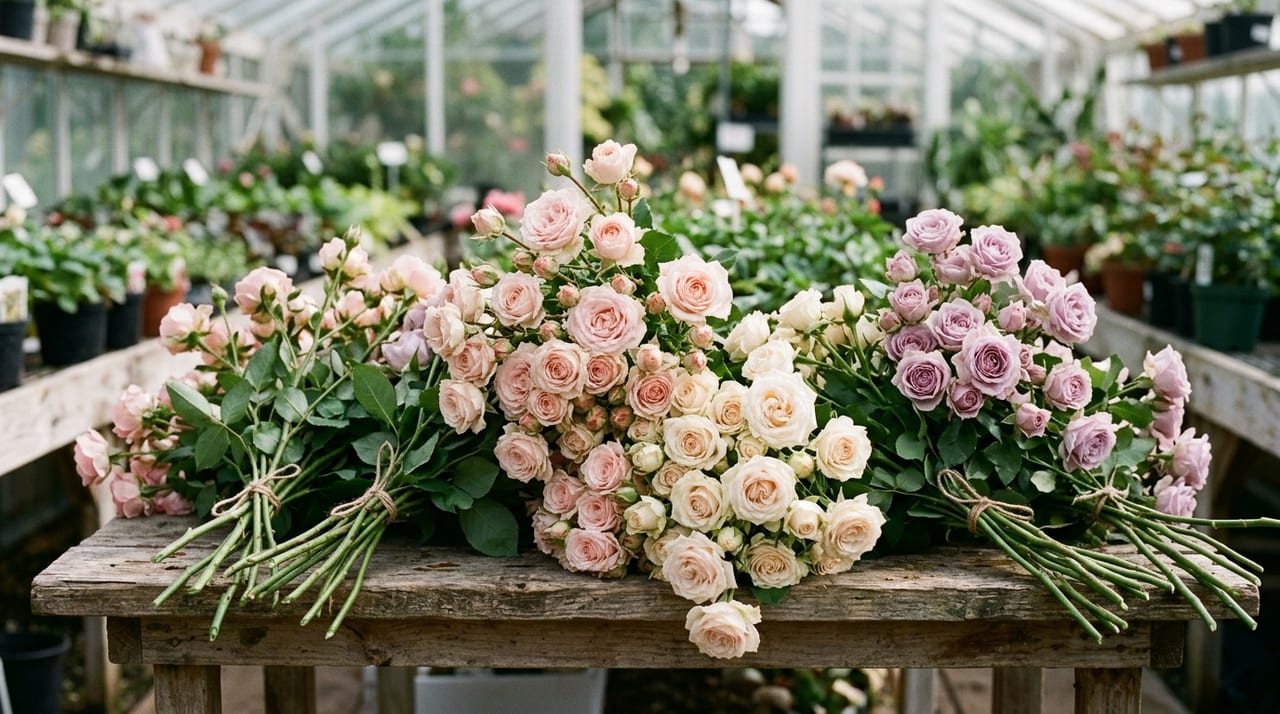
Spray roses (Spray Rose) are a group of rose varieties where multiple branches extend from a single stem, each producing flowers. While standard large-flowered roses (Hybrid Tea types) typically produce one flower per stem, spray roses bear multiple flower heads on a single stem, making them stand out for their impressive volume and fullness when arranged in bouquets or floral arrangements.
Small-flowered spray rose varieties are appreciated not only by florists but also by home gardening enthusiasts for their charm and ease of handling. The smaller flower size makes it enjoyable to observe the fine details of each bloom, and the gratification of seeing new flowers continuously emerge from the same plant is one of their attractions.
The "multi-flowering" characteristic of spray roses is genetically controlled. Since this trait is stably inherited by offspring, intentional breeding makes it possible to create varieties with smaller, more numerous flowers. From a grower's perspective, there is also an economic advantage in being able to maintain flower production with fewer plants.
Approach to Variety Improvement and Breeding
In cultivating and improving small-flowered spray rose varieties, the points that breeders focus on extend beyond just flower size and number. Variety selection proceeds through comprehensive evaluation of traits such as the following:
- Balance of flower size and number: While smaller flowers tend to increase the number of blooms per stem, maintaining proper flower form is simultaneously required
- Stability of flower color: Whether color expression remains stable in the face of temperature and light fluctuations
- Stem strength: Whether the stem has sufficient strength to support multiple flower heads
- Few thorns: A trait valued by both enthusiasts and the trade, as it directly affects handling ease
- Fragrance: While spray roses tend to have weaker scent compared to large-flowered varieties, small-flowered varieties with fragrance are especially highly valued
- Disease resistance: High resistance to black spot and powdery mildew
As a basic breeding method, the goal is to cross varieties with small-flower characteristics with varieties having multi-flowering spray traits to obtain offspring inheriting both characteristics. Stabilizing superior traits requires selection over multiple generations, so fixing a variety demands considerable time and patience.
For varieties that rely on asexual propagation through cuttings, fixed genetic traits pass directly to the next generation, making it easier to achieve uniformity in varietal characteristics. The typical method involves taking cuttings with nodes from mature stems and promoting root formation by inserting them into moisture-retaining soil.
Establishing the Cultivation Environment
For the healthy growth of spray roses, establishing an environment with a conscious balance of light, temperature, and water is fundamental.
Light Management
Roses are generally plants that prefer strong light, and spray roses are no exception. An environment with ample direct sunlight throughout the day is ideal. Insufficient light causes internodes to elongate and reduces flower number. Small-flowered varieties are particularly sensitive to light, and in indoor cultivation, high-intensity LED grow lights as supplemental lighting are effective.
Temperature and Day-Night Temperature Differential
While maintaining a temperature range during the day that allows sufficient photosynthesis (roughly 20–25°C), creating a day-night temperature differential improves flower color depth and extends bloom duration. During extreme summer heat, flower longevity tends to shorten, so moving to well-ventilated locations or managing temperature through shade is effective.
Basic Watering
Both excessive moisture and drought damage roses. Water thoroughly when the soil surface dries out, letting water drain from the pot bottom to maintain aeration in the root zone. Misting foliage aids transpiration, but foliage watering after evening increases disease risk, so morning application is standard practice.
Nutrient Management and Fertilizer Considerations
Spray roses, due to their multi-flowering nature, require adequate nutrition for continuous blooming. However, excessive fertilizer can cause flowers to become too large and weak, leggy growth to increase. In small-flowered varieties especially, over-fertilization can undermine the breed characteristic of "small, densely-packed flowers."
As a basic approach, it is important to consistently supply not only the three major elements—nitrogen (N), phosphorus (P), and potassium (K)—but also microelements such as iron, manganese, and zinc. Commercial rose-specific fertilizers and general-purpose flower and fruit fertilizers have these elements pre-balanced and are easy to use.
Top-dressing is most efficient when applied after flowers finish or when new shoots are emerging. Regularly supplementing with liquid fertilizer during the growing season supports continuous blooming. Conversely, reducing fertilizer during summer heat and winter dormancy minimizes stress on roots.
Pruning, Disbudding, and Post-Bloom Management
To enjoy spray roses beautifully for an extended period, regular pruning and proper post-bloom care are essential.
Deadheading
Leaving spent flowers on the plant consumes energy directed toward seed formation, delaying the formation of the next flower buds. Remove faded flowers promptly to concentrate the plant's energy on the next bloom. For spray roses, the standard practice is to remove flowers in sequence, starting with those that bloom first in the cluster.
Disbudding and Shoot Management
"Basal shoots" that grow vigorously from the base are important buds that become new main stems. Carefully nurturing these shoots rejuvenates the plant and improves flowering in subsequent years. Conversely, thin, weak buds and inward-growing branches that create crowding should be thinned early to ensure airflow and light penetration.
Seasonal Pruning
Winter pruning (dormant pruning) removes dead, thin, and diseased wood to reset the plant. Depth is adjusted according to variety and plant condition, but generally deeper cutting than post-bloom light pruning encourages vigorous new shoot emergence in spring.
Pest and Disease Management and Maintaining Healthy Plants
Spray roses are susceptible to two major diseases: black spot and powdery mildew. The risk of infection rises particularly during the rainy season through summer.
Black Spot Management
Black spots appear on leaves, and as the disease progresses, leaves yellow and drop. Small-flowered varieties have smaller leaf area, making lesions less conspicuous; however, early detection is critical. Promptly remove and dispose of infected leaves, and clear accumulated fallen leaves at the base to prevent secondary infection.
Powdery Mildew Management
White powdery mold spreads on new shoots and young leaves. It tends to occur in dry conditions with large day-night temperature differentials. Remove affected areas early and address symptoms before they spread—this is crucial. When considering pesticide control, always verify the registered crops and application methods on the label, and select products registered for ornamental flowers.
Air Circulation and Avoiding Overcrowding
The foundation of disease prevention is maintaining adequate spacing between plants and ensuring good air circulation. Dense foliage raises humidity and creates an environment where pathogenic spores spread easily. Maintaining proper plant form through regular pruning and disbudding is the first step toward reducing reliance on chemical control.
Small-flowered spray rose varieties hold a special place in home gardening for their brilliance and the joy of cultivation. By carefully maintaining a balance of light, water, nutrition, and pruning, you can develop into a flourishing plant that produces an abundance of blooms.