Climbing Rose Training Techniques | How to Train and When to Start for Beautiful Blooms
Explains climbing rose training methods. Introduces training techniques for arches, fences, and walls, optimal timing and procedures, branch angles for good flowering, and training methods by variety.
Key Takeaways
Explains climbing rose training methods. Introduces training techniques for arches, fences, and walls, optimal timing and procedures, branch angles for good flowering, and training methods by variety.
Related Species
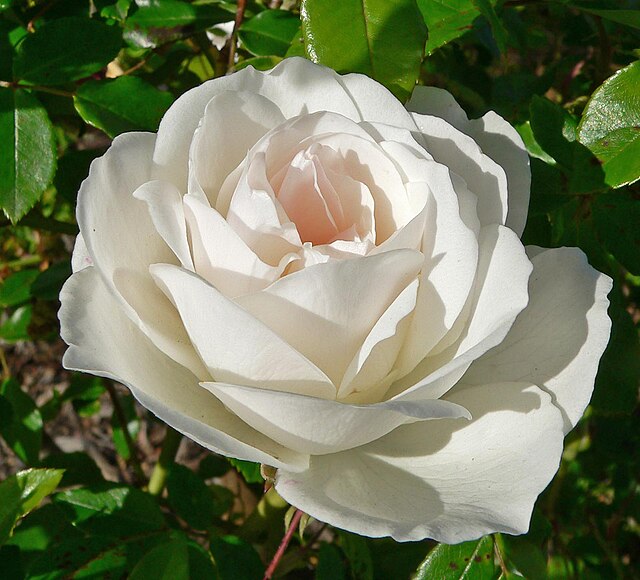
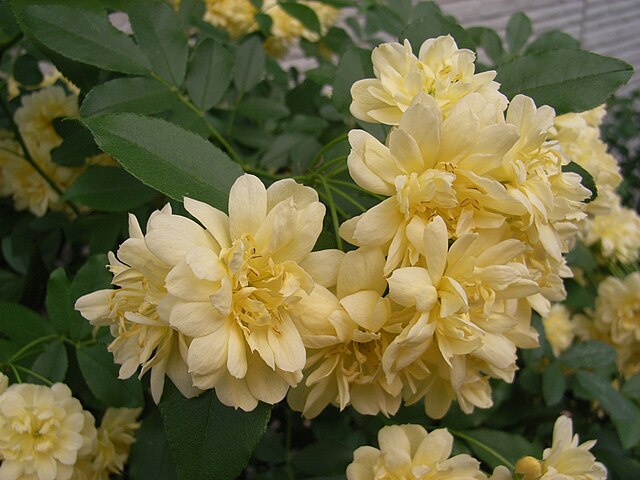
Training climbing roses (climbing roses) is the heart of climbing rose cultivation and the most important technique for achieving beautiful blooms. How you position the branches dramatically affects flowering, so it's essential to master proper training methods.
What Is Training?
Training is the process of guiding and securing the long shoots of climbing roses along supports or structures. Climbing roses lack the natural ability to grip and climb on their own, so they require manual guidance to direct the branches.
Reasons to perform training
- Promote abundant flowering (horizontal positioning encourages flower buds along the entire stem)
- Create a beautiful plant form
- Prevent branch breakage from wind
- Ensure good sunlight and air circulation
Branch Angles for Good Flowering
The flowering of climbing roses is heavily influenced by branch angle, making this the most critical aspect of training.
The principle
- When climbing rose branches are positioned at angles close to horizontal, flower buds (short branches) develop at each node along the stem
- When branches grow vertically, flowers only form at the tip
- Horizontal training allows blooms to develop along the entire branch
Ideal angles
- Horizontal to slightly angled upward (0–30 degrees from ground level) produces the most abundant flowering
- Completely vertical results in blooms only at the tip
- Downward-hanging positioning is also effective (weeping form training)
Timing for Training
Optimal period: Late December to January
- Foliage has fallen, making branch structure clearly visible
- Cool temperatures make branches pliable and less prone to breaking
- Work must be completed before spring bud break
Times to avoid
- Spring to autumn growth period: Foliage hinders work and branches are easily damaged
- Late February onward: Buds begin to swell and can be easily injured
Training Techniques by Structure
Training to Arches
Arches are a classic choice for climbing roses.
- Plant one rose on each side and train shoots from both sides upward—this is the standard approach
- Guide branches along the arch in a spiral pattern
- Space branches evenly so they don't overlap
- Varieties with moderate vigour (2–3m growth) are most manageable
- Recommended varieties: Pierre de Ronsard, Angela, Climbing Iceberg
Training to Fences
Fences are among the best structures for climbing roses.
- The basic approach is to train branches horizontally along the fence
- Spread branches in a fan shape for uniform flowering across the surface
- Secure branches to horizontal fence rails using natural twine
- Suitable for most climbing rose varieties regardless of type
Training to Walls
This method uses wire or trellis systems installed on house walls.
- Install eye bolts (screw-in anchors) on the wall and stretch wire horizontally
- Guide and secure branches along the wire
- Keep branches at least 10cm away from the wall to ensure air circulation
- Use easily removable ties so branches can be taken down when the wall needs repainting
Training to Obelisks and Poles
A space-saving method suitable even for potted climbing roses.
- Spiral branches around the obelisk or pole
- Maintain angles as close to horizontal as possible while wrapping
- Compact climbing rose varieties work best
Training Procedure
- Remove old ties: Completely remove all previous year's twine and wire
- Prune unwanted branches: Remove dead wood, thin branches, and old canes. Identify which branches to keep
- Plan branch layout: Consider which branches to position where on the structure and how to balance the overall form
- Bend branches: Gradually bend branches into position. Bend slowly—sudden bending causes breakage
- Secure branches: Fasten to the structure using natural twine or garden ties. Avoid tying too tightly
- Check overall balance: Ensure branches don't overlap and gaps aren't too large
Training Tips and Precautions
- Never cross branches: Overlapping branches reduce air circulation and invite disease
- Use natural twine: Plastic ties can cut into branches. Natural twine degrades gradually and won't damage the plant
- Never force bending: Thick branches should be bent gradually over several days. Forcing causes breakage
- Renew old canes: Canes older than 3–4 years produce fewer flowers. Replace them with young shoots
- Protect basal shoots: These new shoots from the base are critical for next year's growth. Handle with care to avoid breakage
Training Differences by Variety
Large climbing roses (shoots grow 3m or more)
- Suitable for wide walls and fences
- Examples: Banksia rose, Summer Snow, Paul's Himalayan Musk
Medium climbing roses (shoots grow 2–3m)
- Ideal for arches and obelisks
- Examples: Pierre de Ronsard, Angela, Nahema
Compact climbing roses (shoots grow 1.5–2m)
- Perfect for small obelisks or potted trellises
- Examples: Miniature climbing roses, Pomponella
Annual Rose Care Calendar
Roses require different care depending on the season. Understanding the annual cycle ensures reliable, beautiful blooms.
January to February (winter pruning season) This is the ideal time for winter pruning of repeat-flowering roses. Cut back shoots grown the previous year to one-third to one-half their length above outward-facing buds. This pruning encourages vigorous new growth and produces large, beautiful flowers. Apply organic fertiliser around the base as winter feeding.
March to April (growth begins) New shoots emerge. Aphids are common at this time, so early pest control is essential. Begin preventive spraying with pesticides once monthly to guard against pests and disease.
May to June (peak bloom season) Roses bloom most beautifully at this time. Don't neglect deadheading to encourage the next flush. Cut just above the five-leaflet leaf to maximise results.
July to August (heat management) Heat protection becomes necessary during this period. Water thoroughly in the morning and apply mulch around the base to prevent soil temperature spikes. Remove weak flowers early to reduce stress on the plant.
September to October (autumn blooms) Perform summer pruning in late August to early September to prepare for autumn blooms. Autumn roses benefit from cooler temperatures, producing deeper colours and are considered the most beautiful blooms of the year.
November to December (winter preparation) Remove fallen leaves to eliminate overwintering black spot spores. In cold climates, mound soil around the base and apply mulch to prevent frost damage.
Common Beginner Mistakes with Roses
Mistake 1: Ignoring black spot disease The most common rose disease. Infection spreads through rain splash, so prevent it with mulching and regular fungicide applications.
Mistake 2: Insufficient fertiliser Roses are known as "heavy feeders" and require substantial nutrients. Apply supplementary fertiliser twice monthly during the growing season for best results.
Finding Climbing Roses on GrowerDirect
On GrowerDirect, you can purchase a variety of climbing rose plants directly from specialist growers. A major advantage is being able to consult directly with growers about choosing varieties suited to your garden structure and learning training techniques firsthand. Discover the perfect climbing rose to enhance your walls and arches on GrowerDirect.