Autumn Rose Care and How to Enjoy Fall Roses | Management from September to November
This guide explains autumn rose maintenance, pruning and fertilizing to produce beautiful fall roses, pest and disease control, and preparation for winter.
Key Takeaways
This guide explains autumn rose maintenance, pruning and fertilizing to produce beautiful fall roses, pest and disease control, and preparation for winter.
Related Species
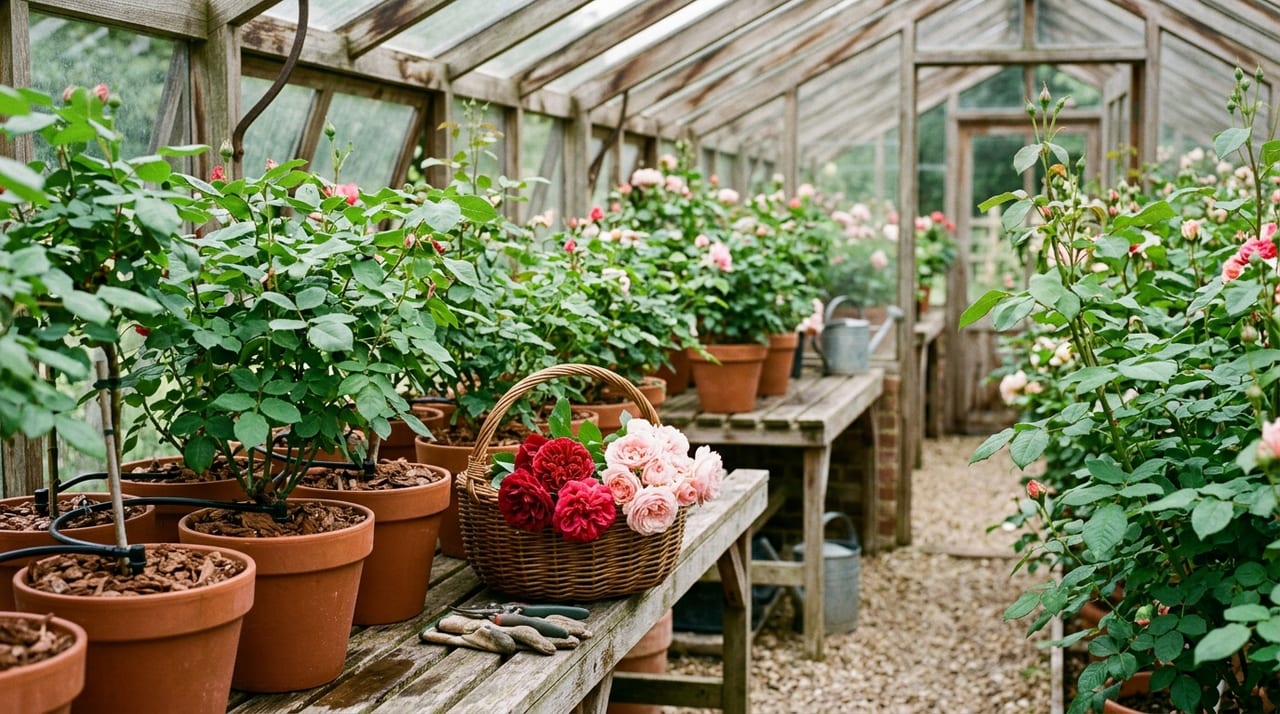
Autumn is the season when roses enter their second prime bloom period. Fall roses are characterized by deeper flower colors and richer fragrance compared to spring roses, and many rose enthusiasts actually prefer fall roses. However, to enjoy beautiful fall roses, proper care from summer through autumn is essential. This guide provides a detailed explanation of rose maintenance from September to November.
Summer Pruning to Produce Fall Roses
To produce quality flowers in autumn, perform 'summer pruning (autumn pruning)' from late August through early September. This is a technique applied to repeat-blooming roses (such as Hybrid Teas and Floribundas) and is not performed on once-blooming roses.
The goal of summer pruning is to synchronize the bloom time in autumn so all flowers bloom beautifully at once. Without pruning, branches will bloom at different times, resulting in poor appearance. Additionally, pruning helps organize overgrown branches from summer and keeps the plant's shape neat.
The depth of pruning varies depending on the variety.
| Variety | Pruning Depth Guidelines |
|---|---|
| Hybrid Tea | Cut back to approximately one-third the height of the entire plant |
| Floribunda | Cut back to approximately one-quarter overall (somewhat shallow) |
In both cases, be mindful to cut just above outward-facing buds and avoid inward-facing buds that grow toward the center of the plant.
Make cuts just above five-leaflet leaves. Cutting above three-leaflet leaves results in weak bud vigor and poor flowers. Even on branches with no remaining leaves, new buds will emerge if you cut at a position where you can see a node swell (dormant bud).
September Fertilizing and Watering
At the same time as summer pruning, begin fertilizing to prepare for autumn blooms. This is called 'autumn fertilizer' and is a critical task that determines the quality of fall roses.
Use fertilizers with high phosphorus and potassium ratios. If using rose-specific fertilizer, choose an autumn formulation, or add bone meal or wood ash to general slow-release fertilizer. Be careful not to use too much nitrogen, as excessive nitrogen promotes leaf growth at the expense of flowers.
Watering remains important in September. During years with lingering heat, water generously as you would in summer. After summer pruning especially, new buds begin growing vigorously all at once, so drought stress will hinder their development. Water thoroughly in the morning, and ensure leaves dry during the day if water splashes on them.
Adding liquid fertilizer once weekly will further accelerate new bud growth. However, stop liquid fertilizer once October arrives to allow the plant to strengthen and concentrate on flower bud development.
Autumn Pest and Disease Control
Autumn is when rose pests and diseases become active again. Diseases that were temporarily suppressed by summer heat often recur once it cools down.
- Black spot: Can spread explosively during the fall rain season. This disease causes black spots on leaves that yellow and drop, and if left untreated can strip the plant bare. Preventatively spray Saprol emulsion or Daconil wettable powder every two weeks starting in early September.
- Powdery mildew: Tends to occur during autumn when there are large temperature swings between day and night. White powdery fungus appears on new growth and buds. Treat with Triflumin wettable powder or Kaligre.
- Rose sawfly larvae: Also appear in autumn. Small green caterpillars feed on leaves, so remove by hand when found or, if you use a pesticide, check the label for one registered for rose sawflies (GF Ortran Liquid is registered as a spray for rose sawflies on roses, but GF Ortran granules do not list them among their target pests).
- Aphids: Tend to infest new autumn growth, so watch carefully.
Source: MAFF Pesticide Registration Database (GF Ortran Liquid) / MAFF Pesticide Registration Database (GF Ortran Granules)
Stop spraying pesticides one week before flowers open. Pesticide residue on petals can cause discoloration and staining.
How to Enjoy Fall Roses
The greatest appeal of fall roses is the depth of color and richness of fragrance. As temperatures drop, flowers open more slowly and pigments develop more intensely, resulting in deeper tones than spring roses. The difference is particularly pronounced in red and orange varieties.
Fragrance also seems stronger in autumn. This is because cooler temperatures allow fragrance compounds to volatilize more slowly, preserving the scent longer. The aroma of fall roses drifting through the garden at dawn is incomparable.
The peak bloom time for fall roses varies by region, but in the Kanto area it's typically from late October through early November. Time your summer pruning to align with this window. Expect approximately 50 days from pruning to bloom for Hybrid Teas and about 45 days for Floribundas.
Cutting them as fresh flowers for indoor enjoyment is also recommended. Fall roses have excellent vase life and last longer than spring roses. If you cut them early in the morning while buds are still tight and properly condition them with a fresh cut and water, some varieties will last over a week.
Preparing for Winter (November)
As November arrives, temperatures drop and rose growth slows. This is when to begin preparing the plant for winter dormancy.
- Deadheading: Remove flowers that bloom after mid-November promptly. Allowing late blooms to persist exhausts the plant and affects winter survival and spring growth. For young or weak plants especially, stop flowering by October and prioritize building healthy foliage.
- Gratitude fertilizer: End fertilizing with the 'gratitude fertilizer' application in early November. This organic fertilizer (such as oil cake with bone meal) is applied around the base to help the plant recover from the energy expended during autumn flowering. Do not fertilize from December onward.
- Training preparation: Climbing rose training is done in December–January, but inspecting and repairing trellises and arches in November makes the work go smoothly.
- Mulching preparation: Prepare mulch materials like compost and bark chips during this period as well.
Find Fall Rose Varieties on GrowerDirect
On GrowerDirect, you can purchase fall rose varieties with excellent color and fragrance directly from rose specialists. Consult with growers to find varieties that truly shine in autumn. Expert grower advice on variety selection is sure to make your fall rose garden even more rewarding.