How to Choose and Grow Ground Cover Roses | Brighten Your Garden with Spreading Roses
A detailed explanation of the characteristics of ground cover roses (landscape roses), recommended varieties, planting methods, and maintenance tips.
Key Takeaways
A detailed explanation of the characteristics of ground cover roses (landscape roses), recommended varieties, planting methods, and maintenance tips.
Related Species
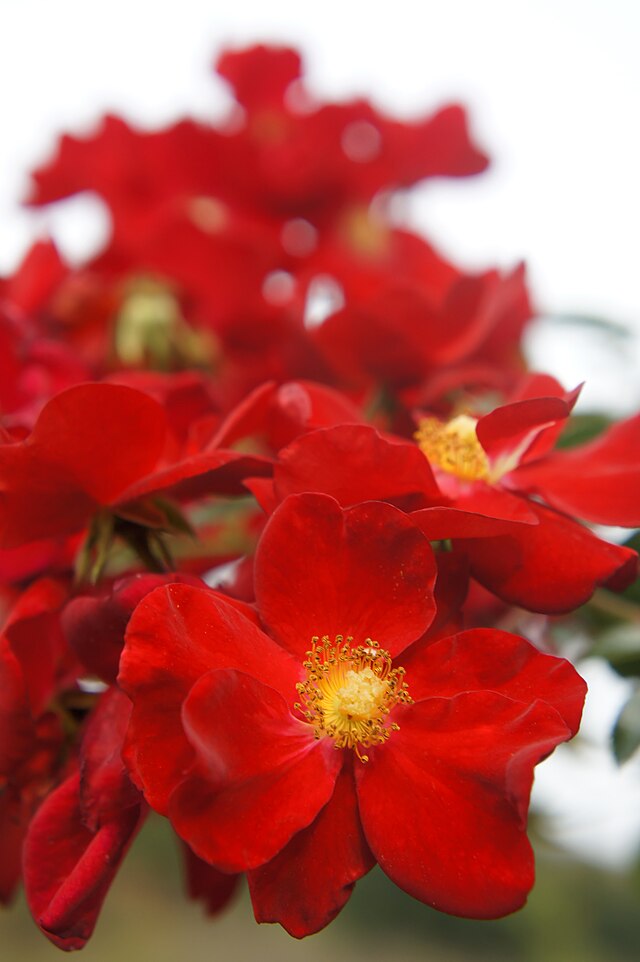
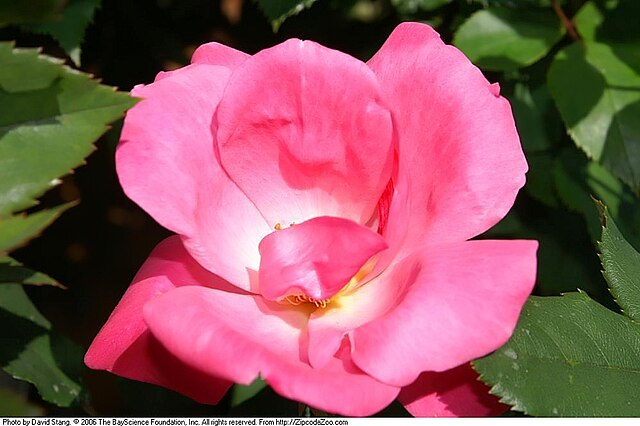
Ground cover roses are a collective term for roses that spread horizontally along the ground. Also called landscape roses, they are used to cover slopes, edge flower beds, and add color to wide spaces. They are easier to manage than typical roses, many varieties are disease-resistant, and they are a group that can be recommended even for those with little experience in rose cultivation.
What Are Ground Cover Roses
Ground cover roses are not a specific strain, but rather a collective term for roses with prostrate or semi-prostrate growth habits. They typically reach 20–60 cm in height and spread 1–2 meters or more horizontally, growing to cover the ground.
Their greatest advantage is that they require minimal maintenance. Compared to typical hybrid teas and floribundas, they have higher disease resistance and require far fewer pesticide applications. Pruning is simple—just a light trimming—and many varieties don't require deadheading.
The flowers are mostly small to medium-sized, with single or semi-double, delicate forms. While individual flowers lack the grandeur of larger roses, the profusion of blooms covering the entire plant creates a spectacular display. Most varieties have a long blooming season, flowering repeatedly from spring to autumn.
They are widely used in public landscapes—on highway embankments, in parks, and in apartment building planting beds. They are also perfect for home gardeners who want to enjoy roses while minimizing maintenance.
Recommended Varieties and Their Characteristics
Here are some of the most outstanding ground cover rose varieties.
| Variety | Characteristics |
|---|---|
| Flower Carpet Series | The world's most widely distributed ground cover rose. Available in a wide range of colors including pink, red, white, and coral, with extremely high disease resistance and can be grown with minimal to no pesticide use. A single plant spreads to over 1 meter in diameter with a long blooming period. |
| Knockout Series | Semi-upright in form, but used as ground cover due to its high disease resistance. Particularly resistant to black spot disease and well-suited to Japan's rainy climate. Available in red, pink, yellow, and other colors. |
| Magic Carpet | Produces vivid pink and white bicolor flowers. Its compact growth habit makes it suitable for hanging baskets. High disease resistance makes it easy for beginners to grow. |
| Swany | A delicate variety with small white flowers in clusters. Strongly prostrate in habit, making it ideal for use as true ground cover. Tolerant of partial shade to some extent, providing flexibility in planting location. |
Planting and Soil Preparation
The ideal time to plant ground cover roses is December through February during dormancy. Purchasing bare-root maidens in spring and planting them is the most cost-effective method. Container-grown roses can be planted year-round, but it's best to avoid planting in midsummer.
Plant in a sunny location. If the roses receive at least 6 hours of direct sunlight daily, they will produce more flowers. They can tolerate partial shade, but flowering will be reduced.
Prepare the soil as you would for any rose. Dig a planting hole approximately 50 cm in diameter and 40 cm deep, and mix in compost, leaf mold, and rose-specific base fertilizer. In areas with poor drainage, lay gravel at the bottom to improve drainage.
Space plants 60–120 cm apart depending on the variety's growth spread. For faster ground cover, you can reduce spacing, but avoid overcrowding as poor air circulation increases disease risk—maintain at least 50 cm between plants.
Annual Care Guidelines
The greatest appeal of ground cover roses is their ease of care. However, some basic maintenance is still required.
- Pruning: Once in winter (January–February). Trim the entire plant to about half its height; detailed pruning of fine branches is not necessary. Simply remove dead wood and overcrowded branches, then shape the overall form. (Professional landscapers often use electric hedge trimmers for rough trimming, so even coarse pruning is acceptable.)
- Watering: For in-ground plantings, watering is rarely needed once established. Only water generously during extreme summer droughts. For container plantings, water as you would standard roses—when the soil surface dries out.
- Fertilizer: Simply apply slow-release fertilizer around the base in spring and autumn. If flowering diminishes, supplementary liquid fertilizer may help.
- Pest and Disease Control: If you choose disease-resistant varieties, preventive spraying is often needed only 2–3 times annually. Apply once during the rainy season when black spot is common, and once each in spring and autumn when powdery mildew is likely.
Creative Uses
Ground cover roses can be used in many creative ways.
They are ideal for green slopes and embankments. Even steep slopes that are difficult to maintain with grass will be beautifully covered by ground cover roses while their roots stabilize the soil. When flowering, the entire slope becomes a breathtaking rose garden.
Planted as a border in the front of a flower bed, they create beautiful combinations with other plants. A classic design places taller roses or colorful foliage plants in the back with ground cover roses cascading in the front.
When planted in hanging baskets or wall planters, their trailing branches create dramatic vertical displays of blooms. Compact varieties work best. They will add vibrant color to entryways and balconies.
Find Your Ideal Ground Cover Roses on GrowerDirect
On GrowerDirect, you can purchase a variety of ground cover roses directly from specialized rose growers. Tell them your garden conditions and needs, and they'll recommend the perfect variety. Seedlings cultivated with care by professional growers have superior root systems and will establish smoothly after planting.