Rose Pruning Guide | Winter Pruning & Summer Pruning Methods and Timing
Explains rose pruning methods by season. Winter heavy pruning, post-bloom summer pruning, shoot management, climbing rose training and pruning tips clearly organized with illustrations.
Key Takeaways
Explains rose pruning methods by season. Winter heavy pruning, post-bloom summer pruning, shoot management, climbing rose training and pruning tips clearly organized with illustrations.
Related Species
What is Rose Pruning? Fundamental Knowledge for Beautiful Blooms
Roses are truly called "the queen of flowers," and when managed properly, they reward you with luxuriant blooms year after year. Among all the care techniques, pruning is especially important. Pruning is the work of removing unnecessary branches and shaping the plant. It is not simply a matter of cutting branches—understanding the correct timing, purpose, and where to cut is essential.
If pruning is neglected, the interior of the plant becomes congested and airflow worsens, making disease and pest infestations more likely. Conversely, over-pruning weakens the plant and reduces flower production. Mastering balanced pruning is the first step to successful rose growing.
Rose pruning methods also differ depending on the variety. Management approaches change for upright roses (Hybrid Teas, Floribundas, etc.), climbing roses, and shrub roses. It helps to confirm what type of rose you are growing before you begin.
Basic Pruning Rules | Tools and Cutting Fundamentals
Before starting to prune, master the basic rules. Following correct techniques and procedures will minimize damage to your plants.
Tools to Use
- Pruning shears: Use sharp shears with a keen edge. Dull blades crush the stem cross-section, making it easy for pathogens to enter
- Disinfectant alcohol: Disinfect the blade between plants to prevent disease transmission
- Wound dressing (such as Topsin M paste): Apply to the cut surface of thick branches to protect them
- Heavy-duty gloves: Essential to prevent injuries from thorns
Basic Cutting Position
When cutting a branch, the basic technique is to cut 5mm above an outward-facing bud at a 45-degree angle. By cutting above an outward-facing bud, the bud grows outward, resulting in an open plant shape. Cutting above an inward-facing bud causes branches to grow inward, creating congestion within the plant.
Make the cut diagonal so water does not pool, sealing it tightly like closing a jam jar lid. Aiming to leave branches about pencil-thickness or thicker encourages full, robust blooms.
Winter Heavy Pruning (January–February) | The Most Important Work of the Year
Winter heavy pruning is the most important pruning task in rose management. Cutting back the plant significantly increases next year's flower count and bloom quality, while removing dead wood and thin branches that harbor pests and diseases.
Optimal Timing for Heavy Pruning
Late January through early February is ideal. Choose when the rose is in complete dormancy. Cutting after buds begin to break puts heavy stress on the plant, so finish before new buds start to swell. Depending on your region, early to mid-February is workable, but earlier is safer.
Heavy Pruning Steps (Upright Roses)
- Remove dead wood, diseased branches, and thin branches: Cut away all unnecessary branches first. Branches with brown cross-sections are dead—remove them from the base
- Cut back the entire plant to 1/2 to 1/3 of its current height: Beginners should cut slightly higher and adjust as needed
- Select branches to keep: Leave 3–5 vigorous, well-developed branches that are pencil- to thumb-thickness
- Remove inward-facing bud branches: Instead of cutting above inward-facing buds, make the cut above outward-facing ones
Care After Heavy Pruning
After pruning, mulch around the base of the plant with leaf mold or compost to protect it from cold and drying. Applying lime-sulfur mixture during dormancy kills overwintering pest eggs and disease spores. If you see buds breaking 1–2 weeks after pruning, it is a sign that pruning succeeded.
Summer Post-Bloom Pruning (May–October) | Managing Repeat Blooming
Roses that bloom repeatedly or continuously can be encouraged to flower again by pruning once blooms fade. This is called post-bloom pruning.
Post-Bloom Pruning Method
Look below the spent flower and cut just above the part where 2–3 five-leaflet leaves appear consecutively. New branches emerge from buds in the axils of five-leaflet leaves, and buds form on these new branches. Cutting at three-leaflet leaves delays budbreak or produces only thin branches.
The next flowers bloom 2–6 weeks after pruning. Timing varies by rose variety and temperature, but repeating this cycle from spring through fall provides long-season blooms.
Summer (July–August) Care
Mid-summer is when plants are most stressed by heat. At this time, avoid deep post-bloom pruning; instead, simply deadhead (cut just below the spent bloom) to minimize plant stress. If extreme heat persists, letting the plant rest rather than forcing it to flower is one option.
Once autumn arrives (September–early October), perform light autumn pruning by cutting back branches that grew during summer. This produces beautiful fall roses. Fall blooms often display richer color than spring flowers, making this a rewarding season for growers.
Climbing Roses and Shoot Management
Climbing Rose Pruning and Training
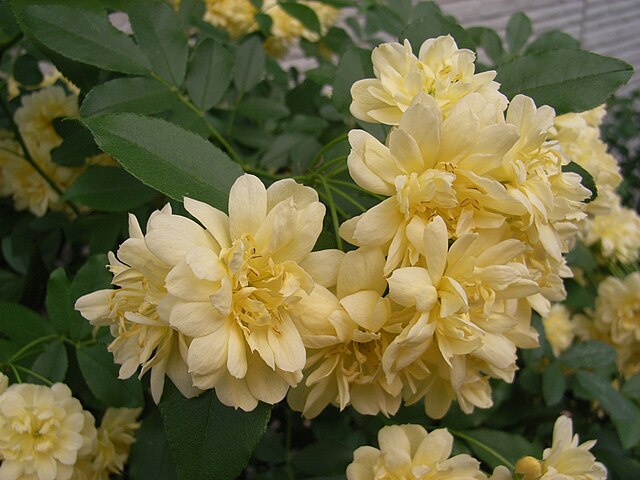
Climbing roses require management different from upright roses. In particular, once-blooming climbing roses (such as Banksia roses) flower on canes that grew the previous year, so heavy winter pruning means no blooms at all the following year.
- Once-blooming types: After blooming, tidy up only old, thin branches; keep thick canes and train them
- Repeat-blooming types: New canes also flower, so manage by removing older canes as needed
When training, lay canes as horizontal or at a slant and secure them. The more horizontal the cane, the better the flowering. Train canes to fence or arch at a comfortable angle, securing carefully with twine or specialized training tape.
Basal Shoot Management
When a thick new cane (basal shoot) emerges from the plant base, it is a valuable future main cane. While the terminal bud is still small, leave it alone. Once it has grown somewhat, lightly pinch back the tip to encourage lateral budbreak. By renewing old main canes this way, your plant rejuvenates and produces vigorous flowers every year.
Tools and Preparation Before Pruning
Using correct tools minimizes damage to your roses. Gather your tools before beginning work.
Essential Tool List:
- Pruning shears: Choose sharp shears—this is paramount. Cutting with dull shears crushes the branch cross-section, creating an entry point for pathogens
- Gloves: Essential to prevent hand injuries from rose thorns. Leather gloves are ideal
- Wound dressing: Protects cut surfaces and prevents pathogen entry
- Disinfectant (alcohol-based): Wiping shears between plants prevents disease spread
Wipe your pruning shears with cleaner after each use, and oil them before storing for the off-season. Especially when using the same shears on multiple plants, always disinfect them after cutting diseased plants (mildew, black spot) before moving to the next plant. Neglecting this allows disease to spread from plant to plant.
Summary | Mastering Pruning Is the Path to Mastering Roses
Rose pruning may seem difficult at first. However, once you understand basic rules and the seasonal purpose of each pruning, you will improve with practice each year.
| Season | Pruning Type | Main Purpose |
|---|---|---|
| January–February | Heavy pruning | Plant renewal and shape training |
| May–June | Post-bloom pruning | Encourage next flowering |
| July–August | Deadheading | Reduce plant stress |
| September–October | Light autumn pruning | Beautiful fall rose blooming |
When in doubt about pruning, return to the basics: "cut 5mm above an outward-facing bud at a 45-degree angle." Accompanying pruning with proper fertilizing, watering, and pest management helps roses grow even more vigorously.
At GrowerDirect, you can purchase rose plants directly from growers who are knowledgeable about pruning and daily care. Being able to consult directly with growers about variety characteristics and cultivation questions before and after purchase is the reassurance that only a grower-direct marketplace can offer. Whether you are growing roses for the first time, explore GrowerDirect to find a trustworthy plant.