Rose Rootstocks and Grafting Basics | Why Grafted Roses Are the Standard
A detailed explanation of the types of rose rootstocks used for grafting and their roles, the differences between grafted and own-rooted roses, and how rootstocks affect rose growth.

Key Takeaways
A detailed explanation of the types of rose rootstocks used for grafting and their roles, the differences between grafted and own-rooted roses, and how rootstocks affect rose growth.
Related Species
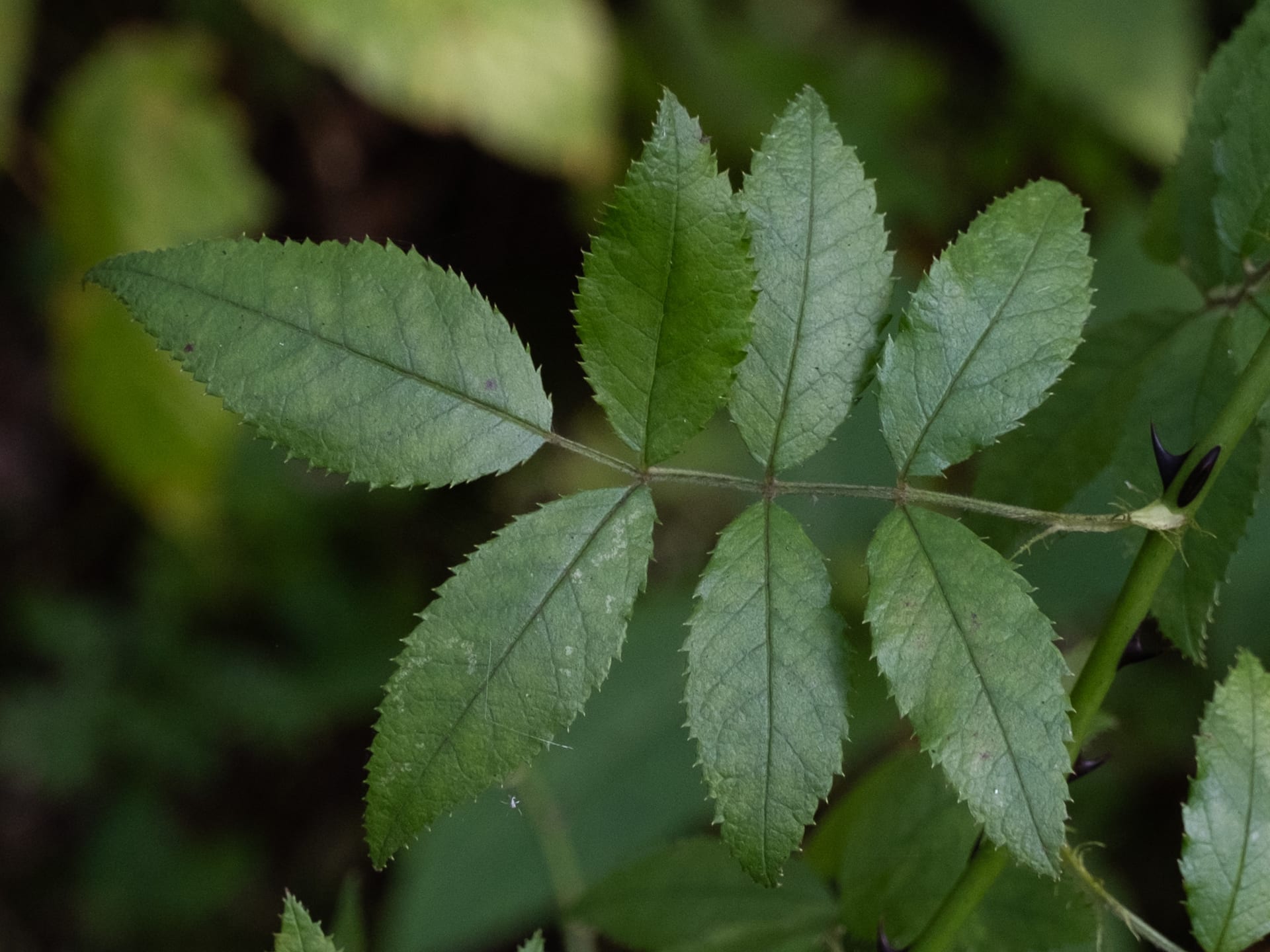
Rose seedlings are broadly divided into two types: "grafted roses" and "own-rooted roses" (self-rooted roses). Most roses sold at garden centers and nurseries are grafted roses, created by grafting the desired variety onto the roots of another rose called a rootstock. Why use the roots of another rose, and how does rootstock selection affect rose growth? Here we provide a detailed explanation of this important topic that lies at the heart of rose cultivation.
Why Grafting Is Standard — The Role of Rootstocks
The primary reason grafting has become standard in rose cultivation is that the vigorous roots of the rootstock compensate for the weaknesses of the variety. Many ornamental varieties produce beautiful flowers but have weak root vigor or are susceptible to specific soil-borne diseases. The rootstock covers these weaknesses and works to bring out the full potential of the variety. The roles of the rootstock are as follows:
- Growth and Flower Production: The rootstock's vigorous roots excel at absorbing water and nutrients, so grafted varieties grow faster and larger than own-rooted plants and tend to produce more flowers. Especially for repeat-blooming varieties such as hybrid teas and floribundas, which require significant energy to flower frequently, the vigorous roots of the rootstock are essential.
- Disease Resistance: Some rootstock varieties have resistance to soil-borne diseases such as crown gall and root-knot nematodes, making it possible to grow healthy roses even in fields where these problems occur.
- Production Efficiency: Even varieties that are difficult to root from cuttings can be reliably produced through grafting by utilizing the rootstock's roots, allowing nearly all varieties to be stably produced. Take rates are high, and the nursery production period can be shortened.
Main Types of Rootstocks Used in Japan
| Rootstock Type | Characteristics |
|---|---|
| Rosa multiflora (Japanese wild rose) | A Japanese wild rose. Hardy to heat and cold, and adapted to many soil types. Because it produces vigorous roots and has high grafting success rates, this rootstock is used in most domestic nursery rose production. |
| Rosa laxa | A rootstock widely used in Europe, and recently increasingly adopted in Japan. Compared to Rosa multiflora, it produces fewer suckers (shoots from the rootstock), and the graft union remains relatively clean. However, its adaptation to Japan's hot and humid environment is said to be somewhat inferior to Rosa multiflora. |
| Dr. Huey | A rootstock variety widely used in America. Has extremely vigorous roots capable of supporting large roses. Often used for imported roses, and produces dark red semi-double flowers, making it easy to distinguish from the desired variety if suckers appear. |
Differences Between Grafted and Own-Rooted Roses
Own-rooted roses are nursery plants grown by rooting branches directly from the variety, and are also called self-rooted roses. Since they don't use a rootstock, there is no problem with suckers and the base of the plant remains clean. Miniature roses and some old garden roses are often sold as own-rooted plants.
| Item | Grafted Roses | Own-Rooted Roses |
|---|---|---|
| Growth and Flower Production | The vigorous roots of the rootstock strongly support the variety, making it possible to produce excellent flowers starting in the first year after planting. | Initial growth is slower than grafted roses, and some varieties take longer to flower (particularly repeat-blooming large-flowered types may lack vigor on their own roots). |
| Suckers | Suckers may emerge from the rootstock at the graft union, and if left unattended, the variety can be overtaken by the rootstock. | No concern about suckers, making management simple. |
| Suitable Varieties | Large-flowered repeat-blooming varieties | Vigorous varieties such as climbing roses and shrub roses |
Own-rooted roses also have the advantage of consistently maintaining the true characteristics of the variety throughout the plant's lifespan. Which is superior depends on the variety and cultivation purpose; vigorous varieties (climbing and shrub types) perform adequately as own-rooted plants, while large-flowered repeat-blooming varieties consistently yield better results as grafted roses.
Dealing with Rootstock Suckers
The most troublesome aspect of grafted roses is sucker growth from the rootstock (shoots). Suckers are shoots of the rootstock variety that emerge from the base of the rootstock or from underground, and if left unattended, the rootstock will overtake the desired variety. Suckers from Rosa multiflora rootstocks have 7 leaflets, distinguishing them from the 5 leaflets of most varieties (with some exceptions depending on the variety).
- When Discovered: Remove them as close to the base as possible. If cut with pruners, new buds will easily sprout from the remaining portion, so ideally dig down and tear them off at the rootstock's base.
- Prevention: During winter repotting, inspect the rootstock's roots and remove any areas where sucker buds are likely to emerge.
Basics for Attempting Your Own Rose Grafting
Rose grafting is typically performed by "cleft grafting" during the winter dormant period (January to February). The rootstock typically uses Rosa multiflora seedlings grown from cuttings the previous year.
- Preparing the Rootstock: Cut the rootstock stem at an angle about 5 cm above ground level.
- Joining the Scion: Cut the base of the scion (a branch with 2–3 buds) at the same angle, press it firmly against the rootstock, and secure it with grafting tape. The key to success is bringing the cambium (green tissue at the cut surface) of the rootstock and scion into perfect contact; make the cut with a sharp knife in one smooth stroke, and work quickly to avoid exposing the cut surface to air for extended periods.
- Maintaining Moisture: After grafting, cover the graft union with moist sphagnum moss and place a plastic bag over it to maintain moisture.
- Confirming Take (Successful Union): If buds begin to break after 2–3 weeks, grafting has been successful. Gradually remove the plastic bag afterward to acclimate the plant to air exposure.
High-Quality Grafted Roses at GrowerDirect
At GrowerDirect, you can purchase high-quality grafted roses directly from specialist growers, with careful attention paid to rootstock quality. Being able to ask growers directly about the types of rootstocks used and grafting methods provides peace of mind. Find high-quality plants at GrowerDirect that bring out the full potential of each variety.