Rose First Spring Flowers: A Management Guide from Budbreak to Bloom
A guide to management methods for growing beautiful first spring flowers, the most vibrant blooms of the year. From budbreak management after winter pruning to fertilizing, disease and pest prevention, and bud management—a complete guide for this critical pre-bloom period.

Key Takeaways
A guide to management methods for growing beautiful first spring flowers, the most vibrant blooms of the year. From budbreak management after winter pruning to fertilizing, disease and pest prevention, and bud management—a complete guide for this critical pre-bloom period.
Related Species
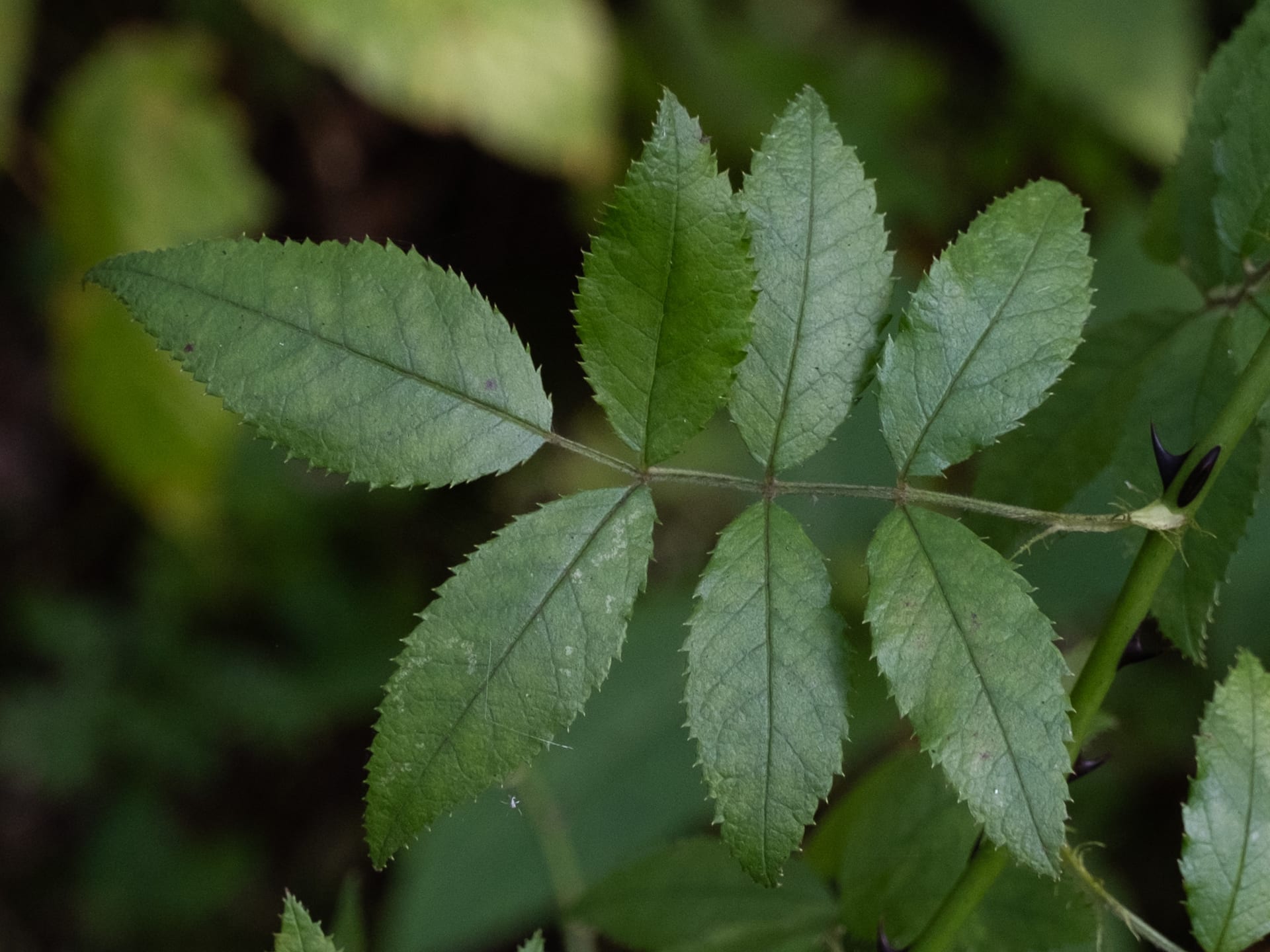
For rose enthusiasts, the first spring flowers (first flush) are the most eagerly anticipated moment of the year. The sight of plants carefully cultivated for months after winter pruning all blooming at once is truly extraordinary. However, to realize this "perfect spring," management from winter pruning through to bloom is crucial.
This article details what to do and what to avoid during the approximately 2–3 months from post-pruning budbreak management through to bloom.
Budbreak Management After Winter Pruning (February–Early March)
In the Kanto region and westward, winter pruning is typically done from late January to early February. After pruning, the plant enters the stage of "waking from dormancy and beginning to produce new shoots."
Preparation Before Budbreak
Basal Fertilizer Application: From immediately after winter pruning through mid-February, apply slow-release organic fertilizer (rose basal fertilizer) to the base of the plant. This forms the nutritional foundation that supports spring growth. Since basal fertilizer is not fast-acting and dissolves gradually as temperatures rise, early application is important.
Lime-Sulfur Spray (Dormant Period Treatment): Applying lime-sulfur spray before buds break (while in dormancy) controls scale insects, black spot, spider mite eggs, and other pests through disinfection and insect control. This "dormant period treatment" is one of the most effective pest and disease management practices of the year. Spraying after buds begin to break can cause phytotoxicity, so timing is critical.
Mulching: Applying mulch such as leaf mold or bark compost around the base of the plant helps retain soil temperature, prevent drying, and protect the roots.
Observation and Management of New Shoots
From late February through March, red new shoots begin to emerge from the nodes of the pruned branches.
Selection When Multiple Shoots Appear: Sometimes multiple shoots emerge from a single node. Keep 1–2 of the strongest shoots and remove the others early by hand (called "bud rubbing"). This concentrates nutrients, resulting in more vigorous shoots and flowers.
Rootstock Sprouts (Sucker Growth): On grafted plants, shoots may emerge from the rootstock (such as wild roses) at the base of the plant (called suckers). These are distinct from the grafted variety and, if left alone, will rob nutrients from the variety. Cut them off as close to the base as possible when found. Suckers can be identified by their different leaf shape and color compared to the grafted variety.
Spring Active Growth Period (March–April)
When temperatures rise above 10°C and stabilize, rose growth becomes rapidly active.
Watering
During spring budbreak, temperatures can be unstable, and freshly pruned or transplanted plants require careful watering.
- For In-Ground Roses: Spring rainfall is usually sufficient, but if there are extended dry spells, water about once or twice weekly.
- For Container Roses: Check the soil moisture and water thoroughly when dry. As temperatures rise in spring, soil dries faster, so gradually increase watering frequency.
- Water in the morning. Late afternoon watering leaves foliage wet overnight, increasing the risk of black spot.
Fertilizing (Supplemental Feeding)
In addition to basal fertilizer, begin supplemental feeding once shoots begin to emerge.
- Liquid Fertilizer: Begin applying at half strength about once or twice weekly. Once leaves have fully developed, use the recommended full strength.
- Slow-Release Granular Fertilizer: Applying once-monthly granular fertilizer a short distance from the plant base is also effective.
- Just before bloom, reduce nitrogen and increase phosphorus and potassium to promote fuller flowers.
Disease and Pest Prevention (Most Important)
Spring is when "black spot" and "aphids" increase dramatically. Managing both is essential for beautiful first flowers.
Black Spot:
- Cause: Fungal infection from wet foliage
- Symptoms: Black spots appear on leaves, which then yellow and drop
- Prevention: Spray fungicides (such as Saprol, Daconil, or Maneb-Disen) the day after rain or before rain is forecast. Spray about once or twice weekly.
- Management after occurrence: Remove infected leaves immediately (including fallen leaves on the ground) and apply fungicide.
Aphids:
- Colonize new shoots and buds, sucking sap and inhibiting growth
- Early detection is important. Crush by hand or spray with insecticides (such as Orthran or Admire water-dispersible powder).
- If natural enemies (ladybugs or flower flies) are present, you may choose to avoid spraying pesticides.
Bud Management (April–May)
From late April through May, when first-flower buds become visible, is the most enjoyable period for the grower.
Bud Removal (Disbudding)
For hybrid tea and large-flowered varieties, remove side buds around the central bud early (called "disbudding"). This concentrates nutrients in the central bud, producing larger and fuller flowers.
Floribunda and small-flowered multi-bloom varieties are characterized by cluster flowering, so disbudding is not typically performed.
Stop Spraying Pesticides 10 Days Before Bloom
Some growers continue spraying fungicides and insecticides right up to bloom, but pesticides can cause spotting on petals or alter flower color. We recommend stopping sprays approximately 10 days before bloom begins.
Staking Support
Large-flowered varieties can have flower stems broken by wind. Install stakes (rose ring supports or bamboo stakes) once buds begin to swell.
First Bloom and How to Enjoy It
The first bloom of May (typical timing for the Kanto region and westward) represents the most concentrated expression of rose beauty.
For Cut Flowers: Harvest when flowers are half-open for the best results. Cutting fully open flowers shortens their vase life. Cut at a length with 2–3 leaves below, then perform water uptake (hydration cut made underwater).
For Garden Display: Deadhead promptly after bloom fades. Leaving faded flowers on the plant directs energy into fruiting (hip formation), delaying the next flower bud cycle.
Post-First Bloom Management
Once first bloom fades, shift management toward the next flush of flowers.
Deadheading Pruning (First Bloom Pruning):
- Hybrid Tea and Floribunda varieties: Cut below a set of healthy leaves (5-leaflet leaves) below the flower
- English Roses and Shrub varieties: Reduce by approximately one-third while considering the plant's overall shape
- Climbing Roses (once-blooming varieties): All flowering energy goes into the first bloom. After flowering, focus on developing new shoots that will bear next year's flowers.
Resume Fertilizing: After deadheading, apply liquid or granular fertilizer to support strong new growth for the next flush.
Find Spring-Ready Varieties on GrowerDirect
If you want to achieve your ideal spring roses this year, purchasing proven varieties directly from growers is the best approach. GrowerDirect features many growers selling healthy, domestically-grown plants, and you can check detailed information about variety characteristics, bloom timing, and disease/pest resistance before purchasing.
To have plants ready for spring first blooms, ideally acquire and plant them during winter through early spring. When you find a variety of interest on GrowerDirect, reach out early to confirm availability.