Aquatic Plant Encyclopedia
Encyclopedia of popular aquatic plants with care guides, traits, and aquascaping tips.
Showing 5 of 127 species
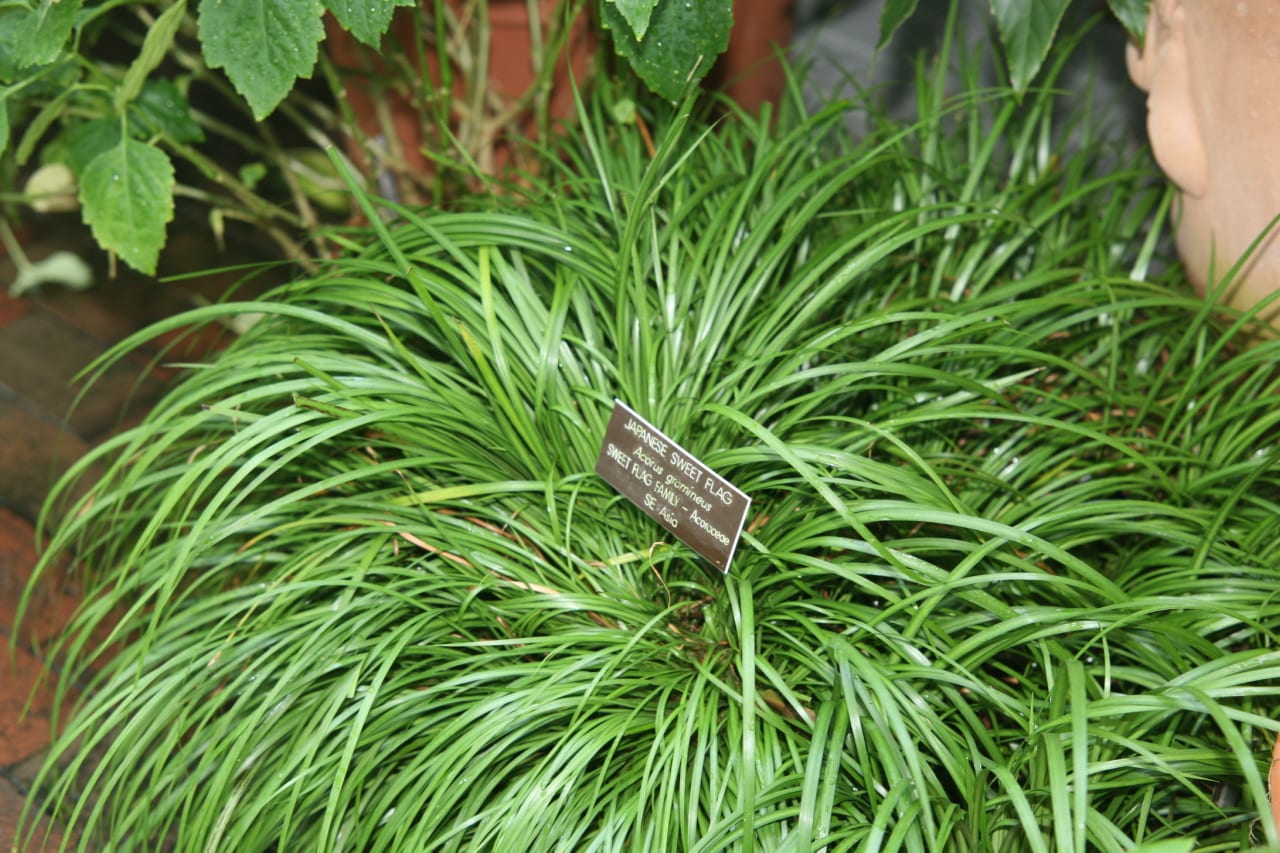 © Cliff / CC BY 2.0
Japanese sweet flag
Acorus gramineus
A Japanese native marsh plant that fans out narrow, sword-like leaves and forms colonies on rocky stream banks. Tough at the water's edge or in terrariums, but most forms decline when fully submerged; only dwarf cultivars cope under water.
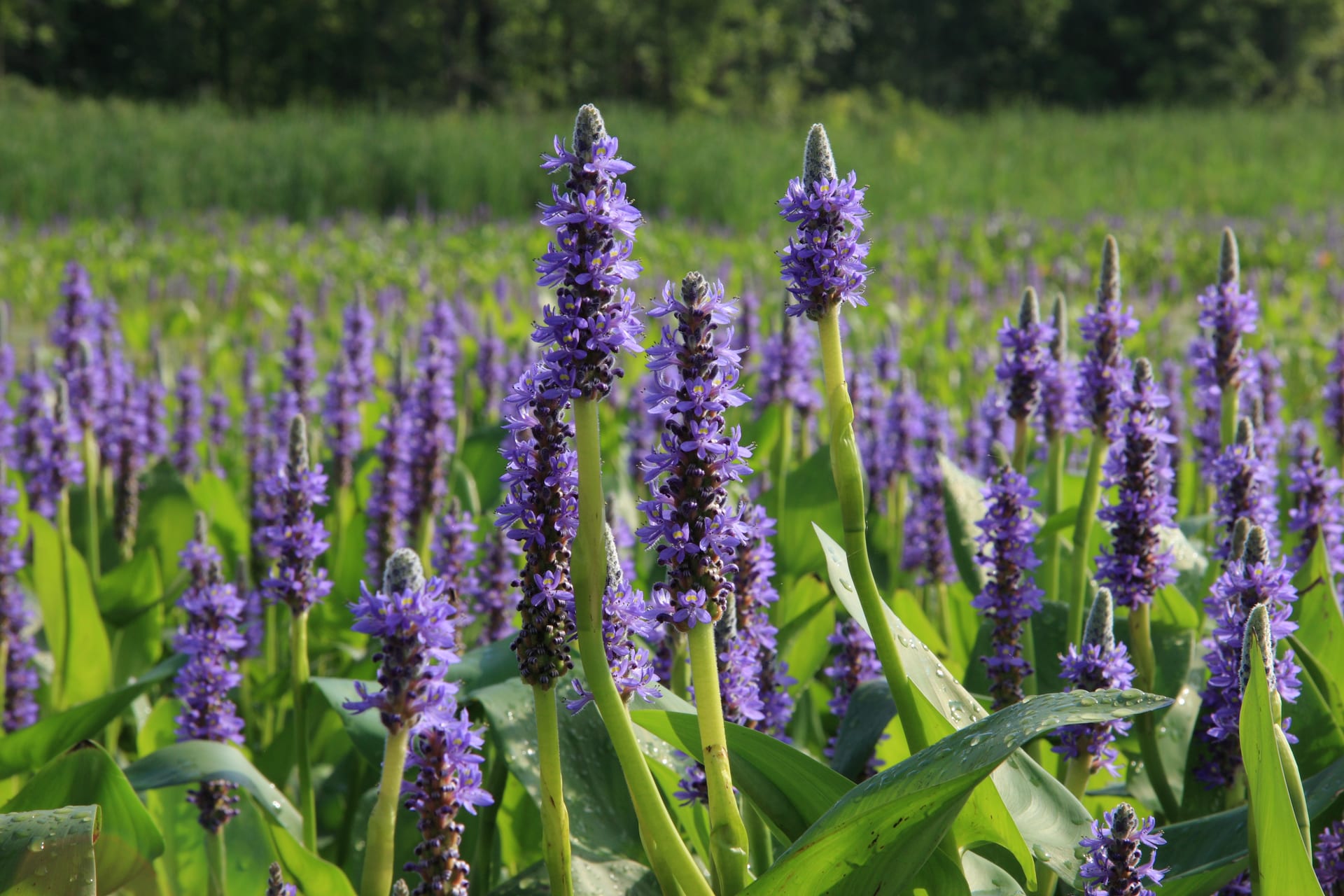 © Cephas / CC BY-SA 3.0
Pickerel weed
Pontederia cordata
A North American emergent plant (Japanese name Nagabamizuaoi) that holds glossy heart- to arrow-shaped leaves above the water and produces spikes of soft blue-violet flowers from June to October. Cold-hardy, it suits pond margins and large containers.
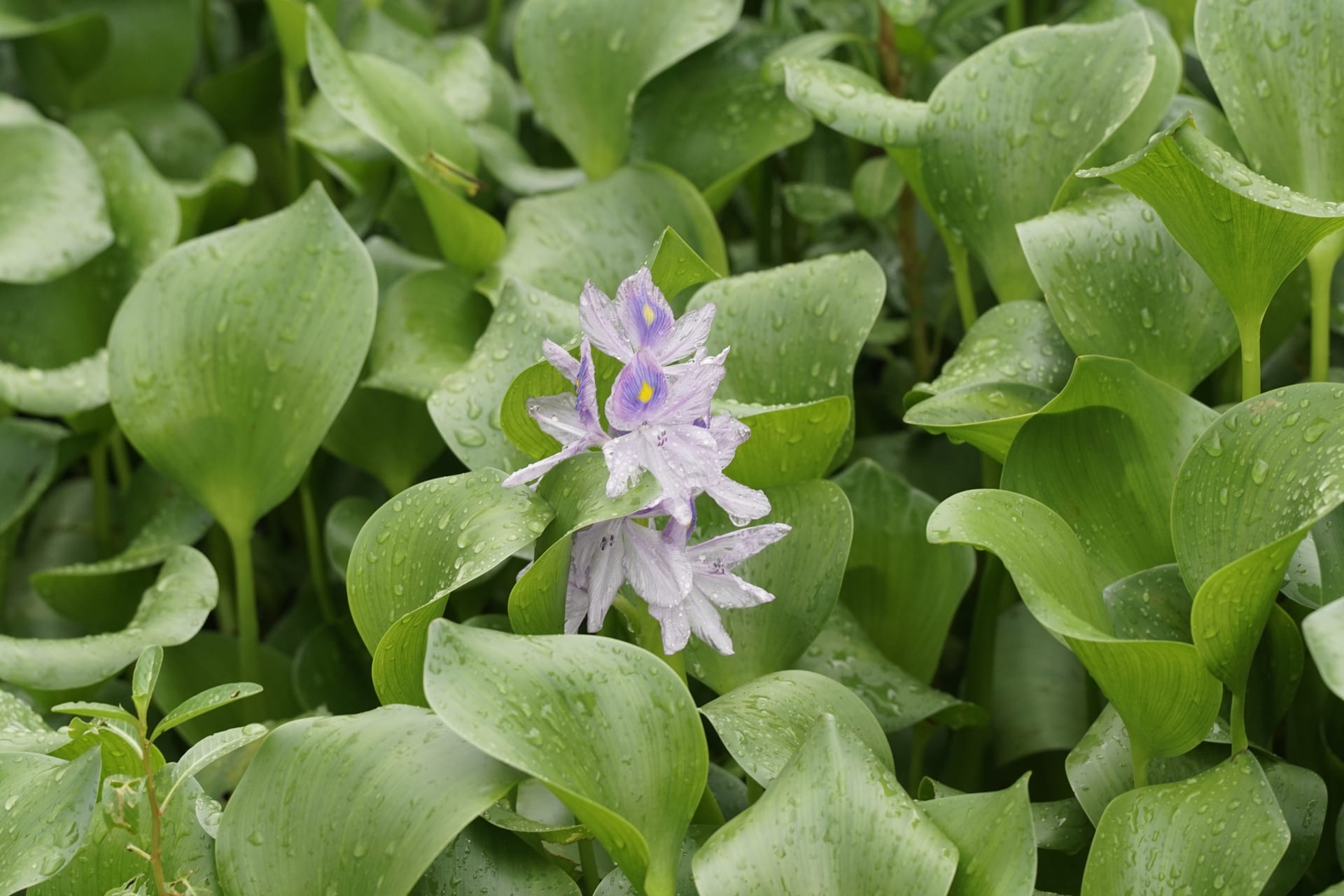 © Vengolis / CC BY-SA 4.0
Water hyacinth
Pontederia crassipes
A South American floating plant buoyed by swollen, bladder-like petioles, bearing pale violet flowers in summer. Extremely prolific and designated a Priority Control Alien Species in Japan, so it must never escape into outdoor waters.
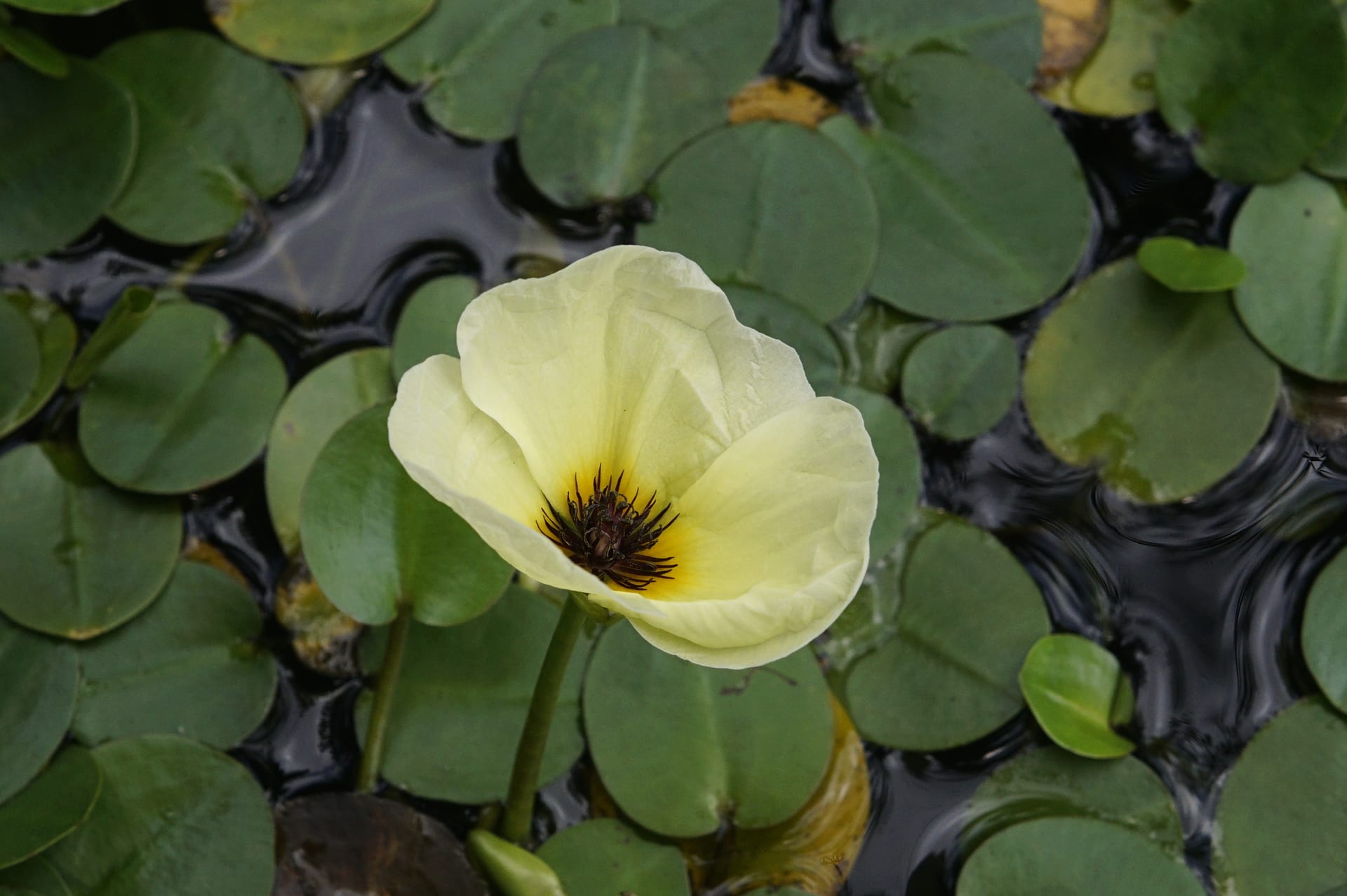 © Vengolis / CC BY-SA 4.0
Water poppy
Hydrocleys nymphoides
A South American floating-leaved plant with round leaves that produces a succession of one-day, poppy-like yellow flowers. Called mizuhinageshi in Japanese. Cold-sensitive and listed as an alien species under consideration for control, so keep it out of the wild.
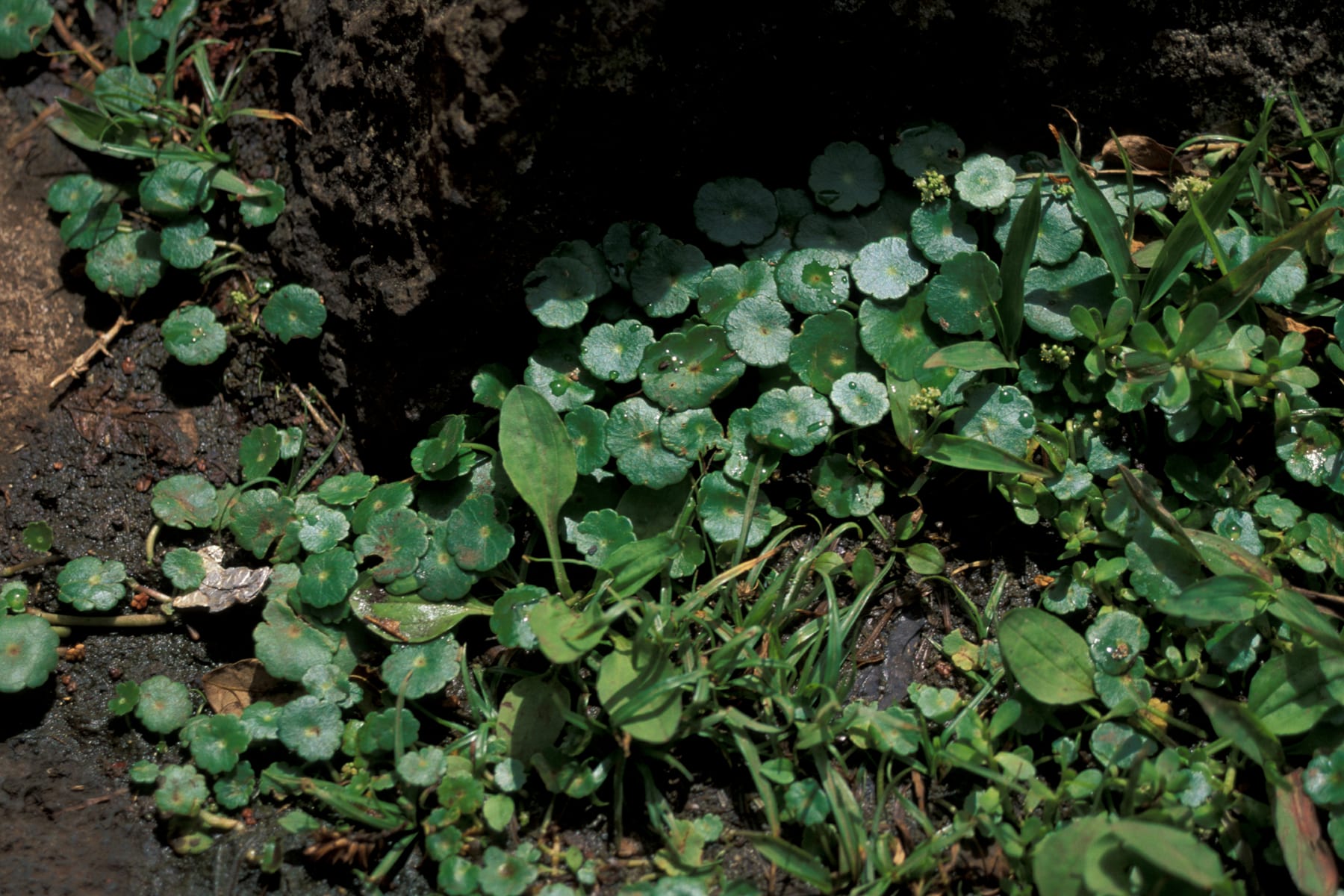 © Forest & Kim Starr / CC BY 3.0
Whorled pennywort
Hydrocotyle verticillata
A creeping marsh plant (Japanese name Uchiwazenikusa) with round, shield-shaped leaves on slender stalks. A biotope staple, but naturalised in Japan and listed as a Priority Control Alien Species. It is distinct from the Specified Invasive Hydrocotyle ranunculoides.
Related Content
Aquatic Plant FAQ
- How much do aquatic plants cost?
- Common Rotala and Anubias cost 300-1,000 yen, Bucephalandra 1,000-5,000 yen, and rare wild-collected specimens 5,000-20,000+ yen depending on species.
- Can beginners grow aquatic plants?
- Anubias Nana and Java Moss require no CO2 injection and grow in low light, making them ideal for beginners. Start with hardy shade-loving plants.
- What equipment is needed for aquatic plants?
- A tank, LED light, filter, and aqua soil are the basics. For advanced layouts, CO2 injection and high-performance lighting significantly improve growth and coloration.
- What should I check when buying aquatic plants?
- Ensure leaves are green and healthy, not melting or dying, and free of snails or pests. Tissue-cultured cups are pest-free and reliable.
- Why do aquatic plants die?
- Insufficient light, CO2, or nutrients are the main causes. Each species has different requirements, so matching the environment to your specific plants is essential.