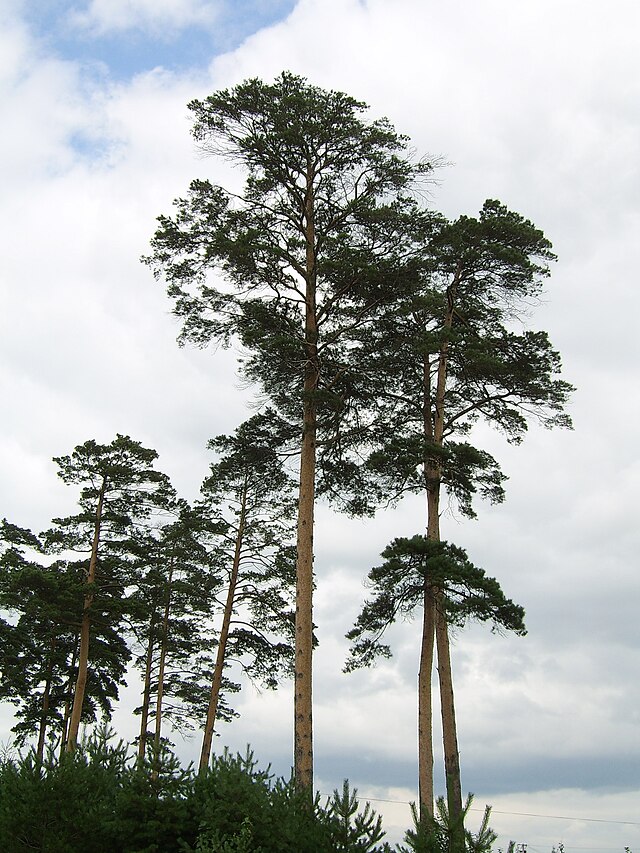
Source: Wikimedia Commons
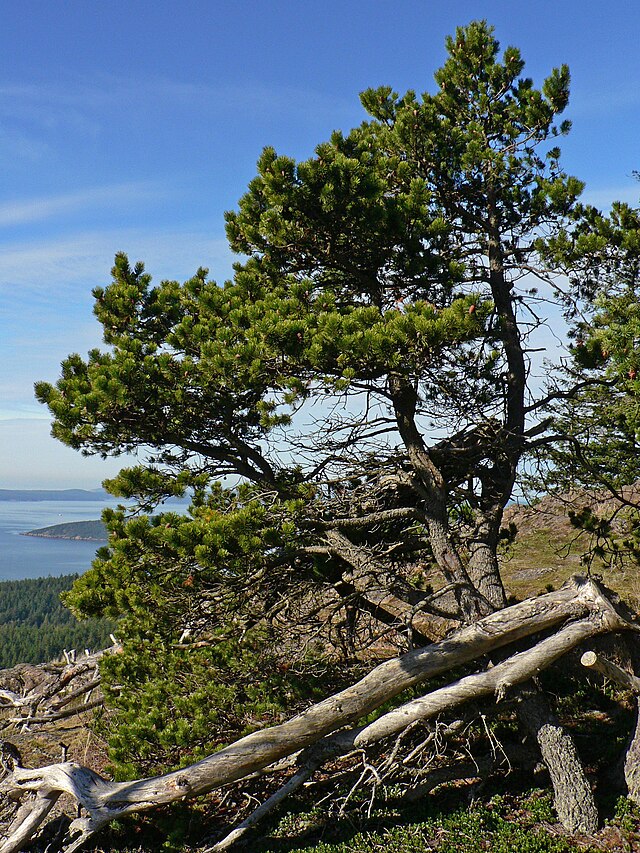
Japanese Red Pine
IntermediatePinus densiflora
Called female pine for its graceful appearance. Reddish-brown bark and soft needles give a feminine impression. Often styled as literati or informal upright.
About
Pinus densiflora, also called the Japanese red pine, the Japanese pine, or Korean red pine, is a species of pine tree native to East Asia and Siberia.
Source: Wikipedia (CC BY-SA 4.0)
Lifespan of the Japanese Red Pine
The Japanese Red Pine lives Centuries (50+ years as bonsai).
Size of the Japanese Red Pine
The Japanese Red Pine grows to 15-80cm (bonsai size).
Basic Info
Origin
East Asia and Siberia
Lifespan
Centuries (50+ years as bonsai)
Size
15-80cm (bonsai size)
Temperature
-5〜35℃
Growing Tips
Placement
Outdoor sunny spot with good air circulation
Watering
Keep slightly dry. Sensitive to excess moisture
Styling
Literati style suits well. Pinch buds to maintain form
Notes
More delicate than black pine. Avoid heavy pruning
Japanese Red Pine FAQ
QWhat is the growing difficulty level for Japanese Red Pine?
Intermediate. A variety suitable for intermediate growers. Requires some cultivation experience and knowledge of environment management. Pay careful attention to temperature and humidity control.
QWhat is the lifespan of Japanese Red Pine?
The average lifespan of Japanese Red Pine is Centuries (50+ years as bonsai). With proper cultivation environment and nutrient management, you can keep it healthy for a long time.
QHow large does Japanese Red Pine get?
The mature size of Japanese Red Pine is 15-80cm (bonsai size). This may vary slightly depending on cultivation environment and individual differences.
QWhat is the typical price for Japanese Red Pine?
The price of Japanese Red Pine varies significantly by variety, characteristics, size, and lineage. Please check GrowerDirect's price guide for the latest market information.
Last updated: June 24, 2026
Growing Specifications
- USDA Zone
- 4–7
Sources: UF/IFAS: Pinus densiflora
References & Sources
Edited & verified by: GrowerDirect Editorial Team
The classifications, regulations, and growing data on this page are created and verified based on the primary information database below.
Taxonomy & Authority
Regulations & Conservation Status
Sources: CITES Checklist of CITES Species
Regulations may change. Always verify the latest information with the relevant authorities.
Related Species
Find listings for this species
Related Articles
Pine and Cypress Bonsai Care Calendar | Monthly Work Guide
Monthly management schedule for pine and cypress bonsai (black pine, five-needle pine, Shinpaku, etc.). Explains the annual plan for bud pinching, leaf thinning, wiring, and fertilization.
Complete Manual for Pine Bonsai Bud Removal (Green Pruning) — Care of Black Pine and Japanese Five-Needle Pine
A detailed explanation of the timing and methods for bud removal (green pruning) on pine bonsai. Introduces different bud-cutting schedules for black pine and Japanese five-needle pine, second-bud adjustment, old-leaf removal techniques, and short-leaf styling methods.
Black Pine Bud Pinching and Annual Canopy Management | Timing of Bud Pinching, Style-Specific Management (Formal Upright, Slanting, Cascade), and Tree Age & Cultivation Years
An explanation of the timing and technique for black pine bonsai bud pinching (green pinching), style-specific management for formal upright, slanting, and cascade forms, and cultivation principles according to tree age, all presented with an annual management schedule.
Agave Spine Terminology Explained | Differences Between Marginal Teeth, Terminal Spine, and Pencil
A detailed explanation of specialist terminology related to agave spines. This guide introduces the meanings and how to view marginal teeth, terminal spines, pencils, teeth, and other terms, as well as the differences by variety.
🩺 Common diseases
Can't find the plant you're looking for?
Post your wishes for free and growers with matching plants will contact you with introductions.