Carnivorous Plant Encyclopedia
Encyclopedia of popular carnivorous plants with care guides, trapping mechanisms, and cultivation tips.
Featured Carnivorous Plant
Showing 9 of 140 species
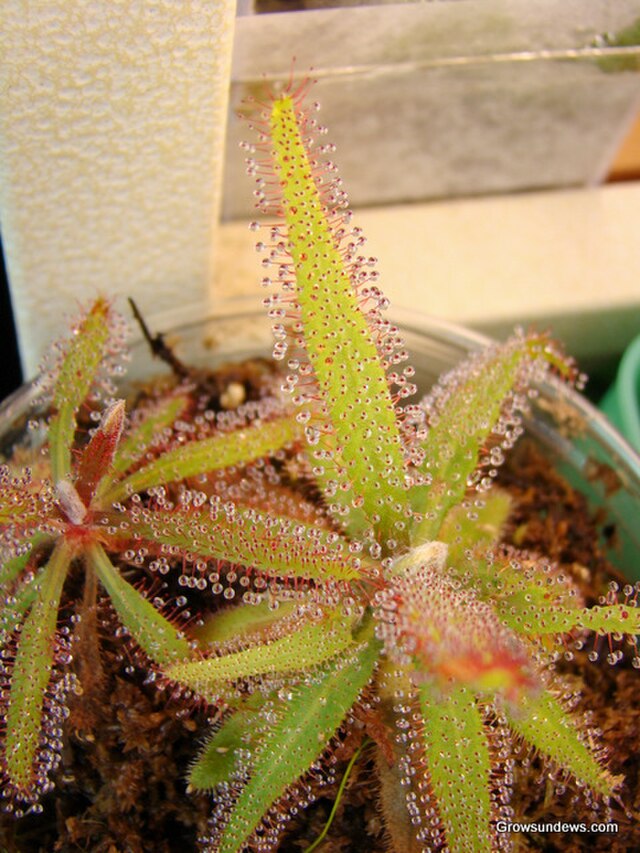 © Aaron May ( Sundewman at en.wikipedia ) / CC BY-SA 3.0
Drosera Adelae
Drosera adelae
An Australian sundew preferring partial shade with long lance-shaped leaves.
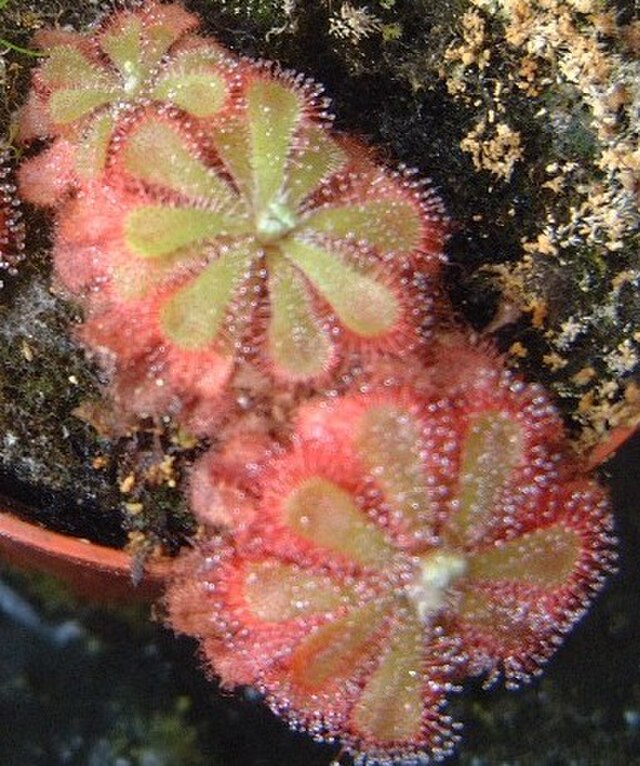 © Polypompholyx at English Wikipedia / CC BY-SA 3.0
Drosera Aliciae
Drosera aliciae
A South African rosette sundew with beautiful symmetrical form, a top beginner species.
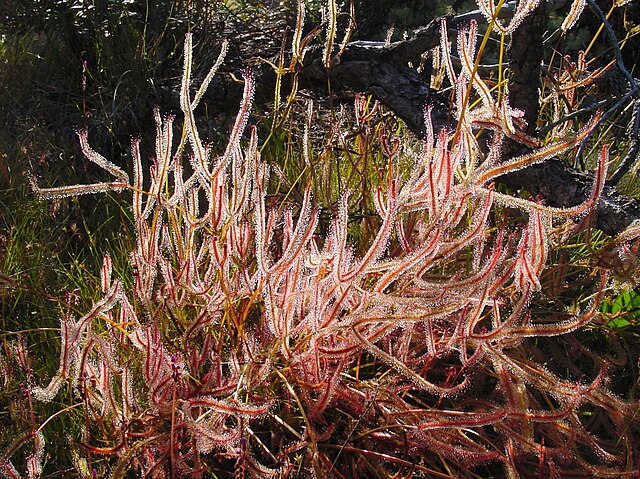 © No machine-readable author provided. NoahElhardt assumed (based on copyright claims). / CC BY-SA 2.5
Drosera Binata
Drosera binata
A sundew with uniquely forked leaves, large and impressive, very hardy.
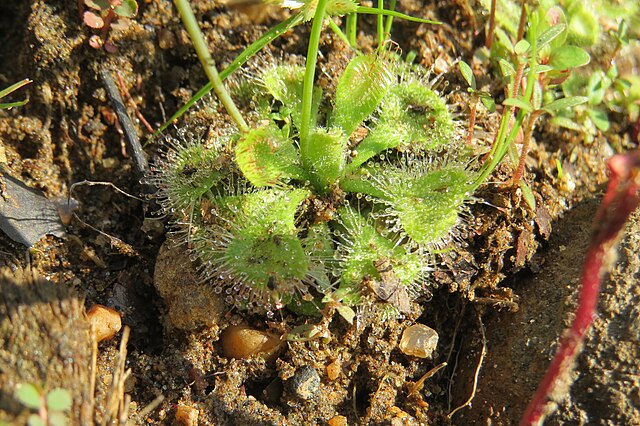 © Vinayaraj / CC BY-SA 4.0
Drosera Burmannii
Drosera burmannii
A sundew that captures insects very quickly, curling leaves in seconds. Sometimes annual.
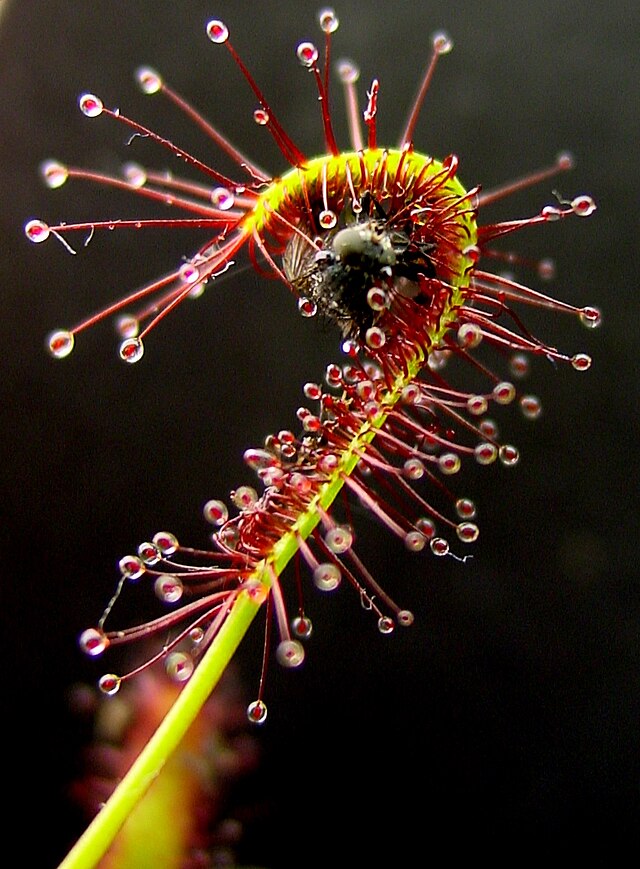 © NoahElhardt / CC BY-SA 3.0
Drosera Capensis
Drosera capensis
A hardy sundew from South Africa with beautiful glistening sticky leaves, perfect for beginners.
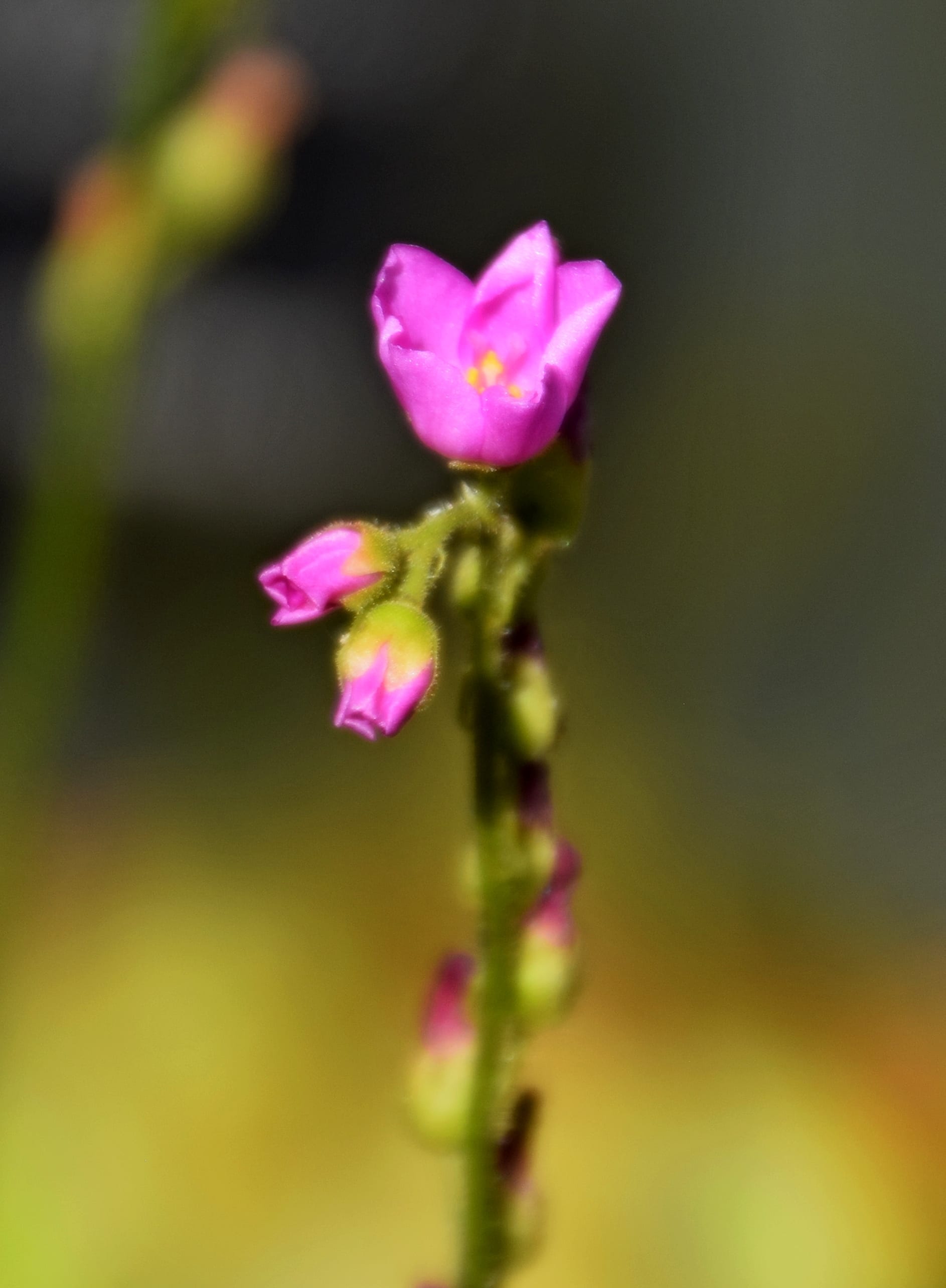 © Krzysztof Golik / CC BY-SA 4.0
Drosera madagascariensis
Drosera madagascariensis
A stem-forming sundew that raises a distinct stem with alternate, spoon-shaped sticky leaves. The lower stem is clothed in dead old leaves and the plant reaches about 25 cm. A robust African species with pink flowers.
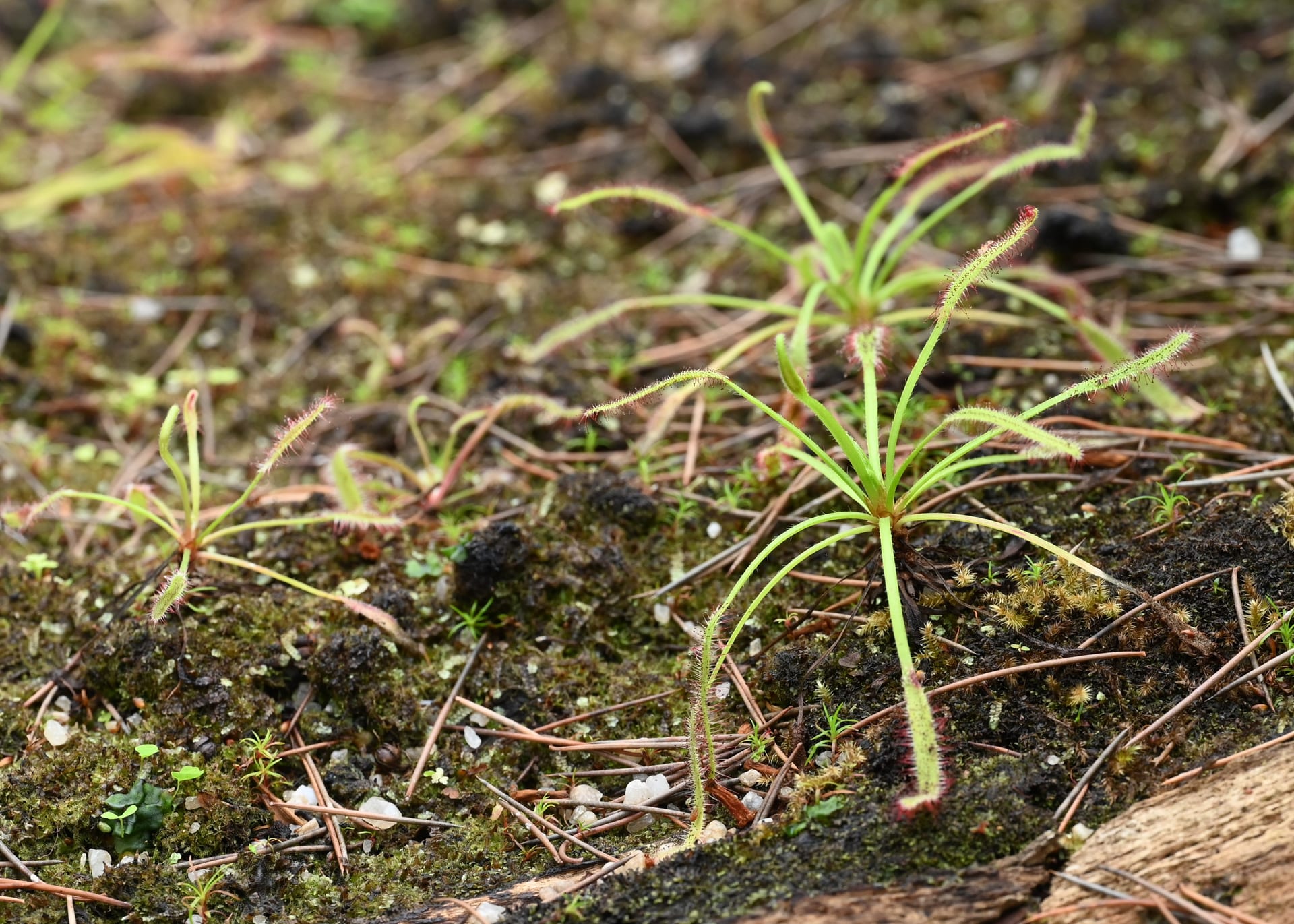 © Krzysztof Ziarnek, Kenraiz / CC BY-SA 4.0
Drosera natalensis
Drosera natalensis
A small rosette-forming sundew with wedge- to spoon-shaped leaves about 2 cm long lying at ground level. Wiry flower stalks reach about 25 cm. Native to swamps of South Africa and Madagascar.
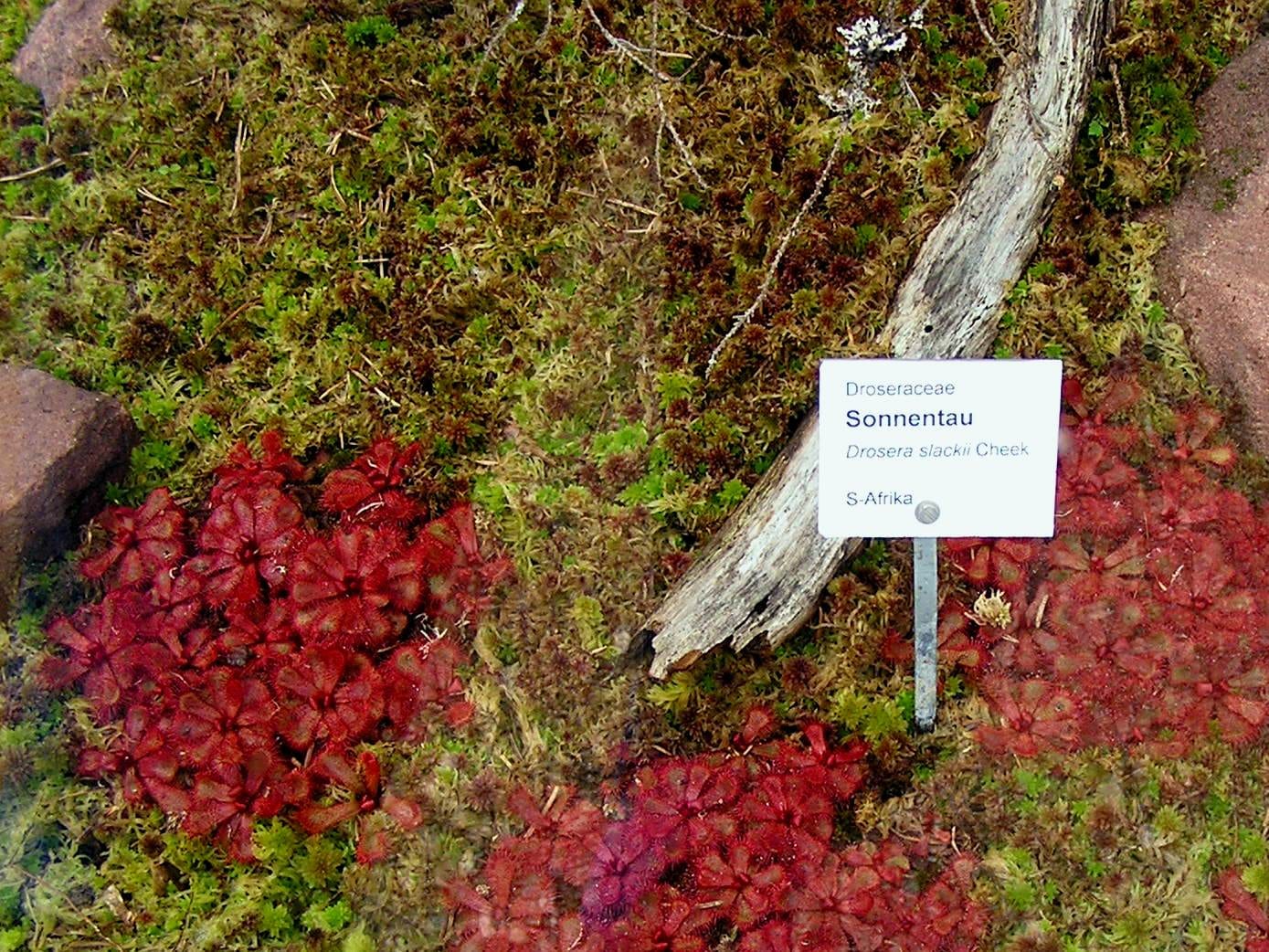 © NasserHalaweh / CC BY-SA 4.0
Drosera slackii
Drosera slackii
A sundew from the Cape region of South Africa forming rosettes 5-10 cm across of spoon- to heart-shaped leaves, with pink flowers. Named after the British carnivorous-plant author Adrian Slack, it holds the RHS Award of Garden Merit.
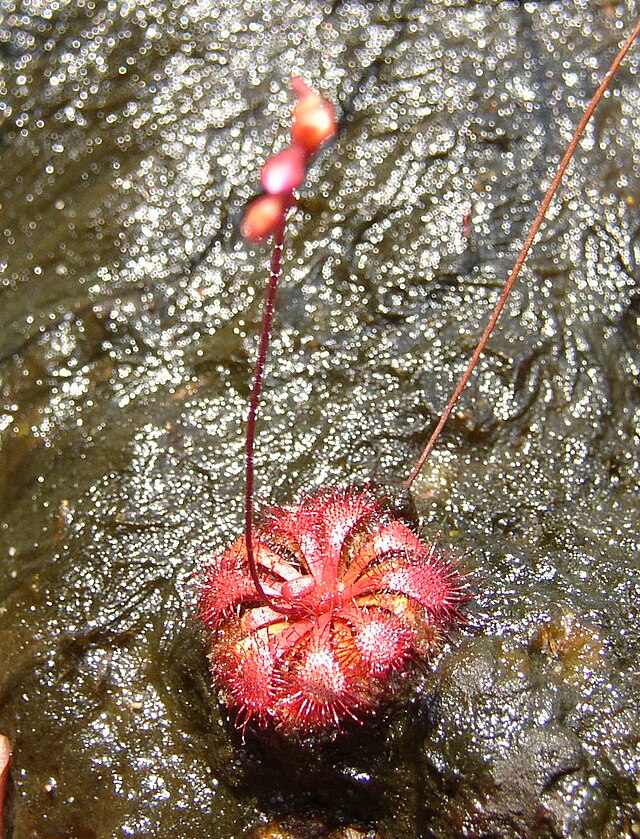 © Mgiganteus / CC BY-SA 3.0
Drosera Spatulata
Drosera spatulata
A spatula-leaved sundew native to Japan, forming cute rosettes.
Related Content
Carnivorous Plant FAQ
- How much do carnivorous plants cost?
- Venus Flytraps cost 500-2,000 yen, Nepenthes 1,000-10,000 yen, and rare highland Nepenthes can exceed tens of thousands of yen depending on species and size.
- Can beginners grow carnivorous plants?
- Venus Flytraps, Sundews, and Sarracenia are relatively easy and beginner-friendly. Keep them in a tray of water for humidity and place in a sunny spot.
- How long do carnivorous plants live?
- Venus Flytraps can live 10+ years with proper care, and Sarracenia are similarly long-lived. Nepenthes can grow for decades in the right conditions, getting progressively larger.
- What should I check when buying carnivorous plants?
- Check that leaves and traps are healthy with no root rot. For Nepenthes, choose specimens with pitchers. Avoid sudden environment changes after purchase and acclimate gradually.
- Do I need to feed insects to carnivorous plants?
- They grow fine through photosynthesis alone without feeding. Insects are supplemental nutrition and don't need to be force-fed. Outdoor plants catch bugs naturally, which is fun to observe.