Caudex Plant Encyclopedia
Encyclopedia of popular caudex plants with care guides, traits, and root management tips.
Featured Caudex Plant
Showing 4 of 141 species
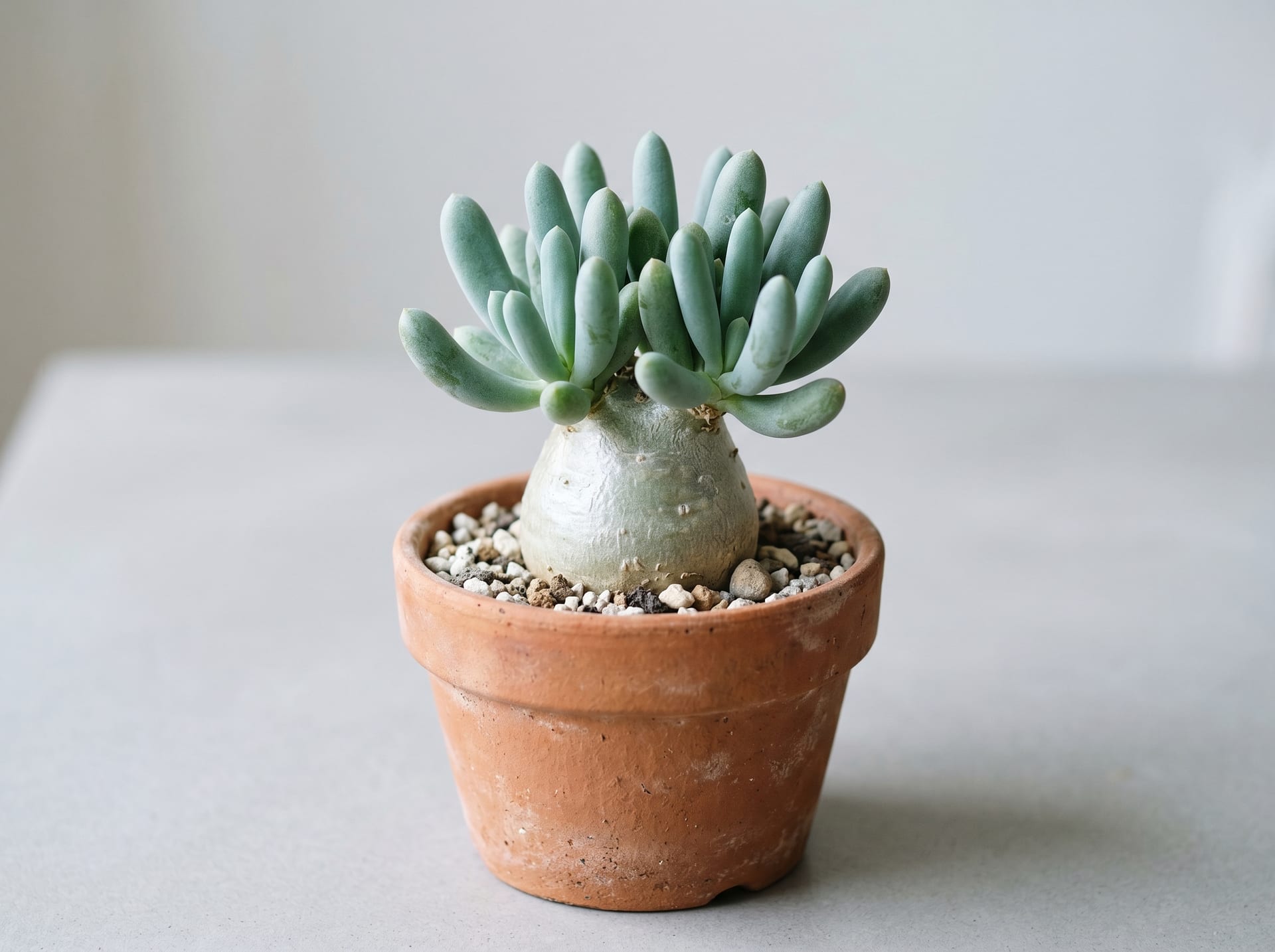
Othonna Clavifolia
Othonna clavifolia
An Asteraceae caudex with club-shaped succulent leaves and yellow flowers, winter-growing.
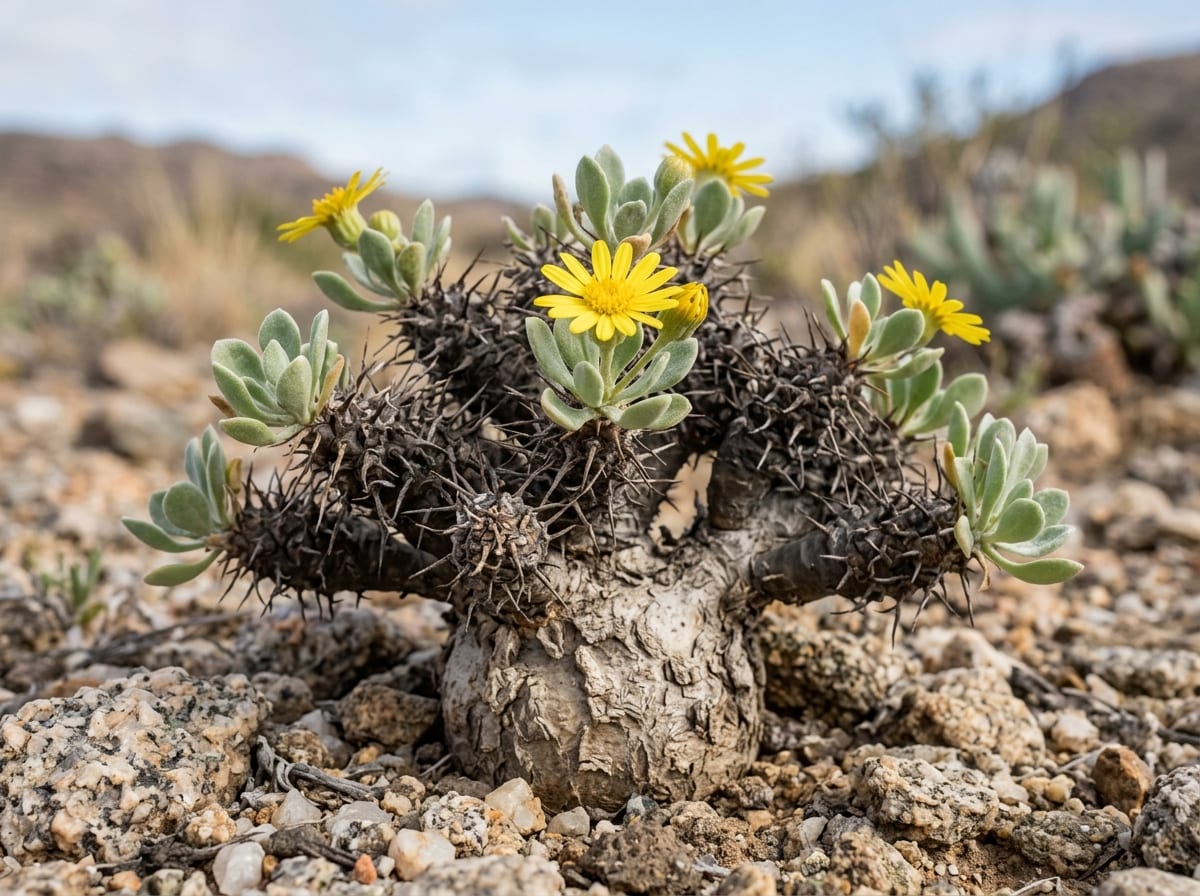
Othonna euphorbioides
Othonna euphorbioides
The most cactus- or spurge-like member of the daisy family: a small winter-growing shrublet whose spent flower stalks harden into spines around a potato-like caudex. Pale green, spoon-shaped leaves dusted with white powder cluster at the branch tips.
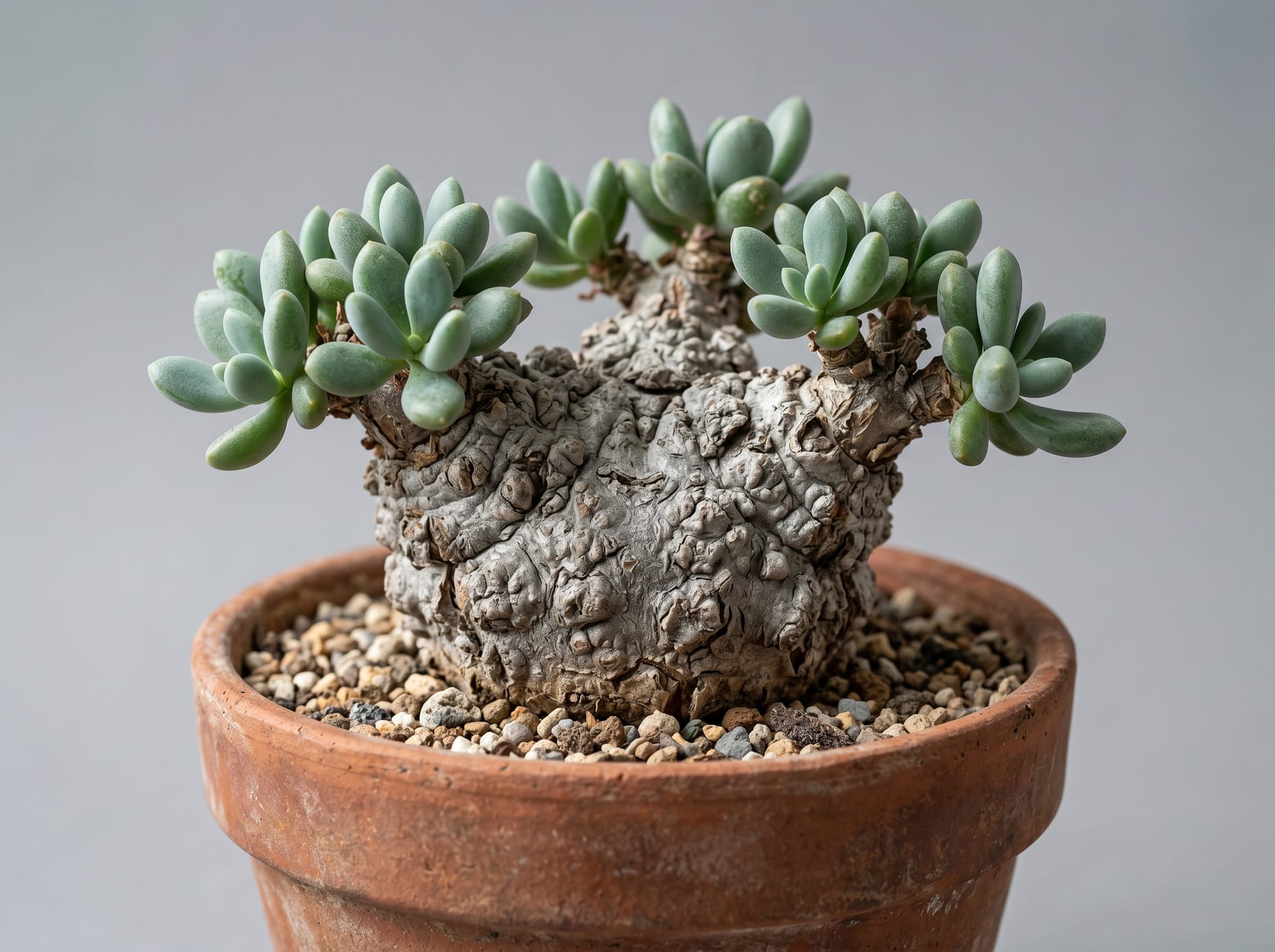
Othonna Herrei
Othonna herrei
An Asteraceae caudex whose thick, short branches, with persistent knob-like leaf bases, and succulent leaves with wavy margins create a bonsai-like atmosphere, a classic winter type.
 © Averater / CC BY-SA 3.0
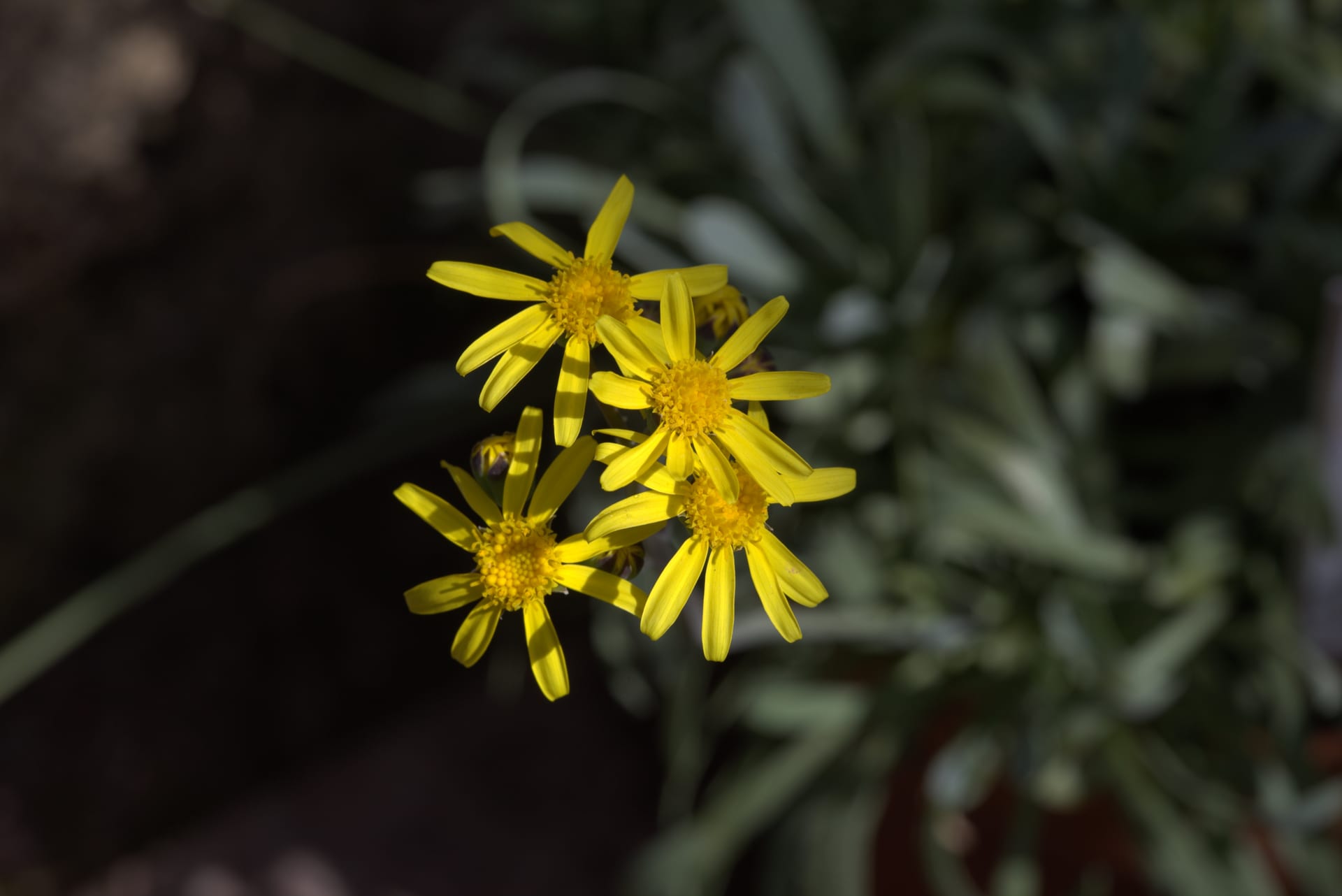
Othonna retrorsa
Othonna retrorsa
A winter-growing Othonna with a woolly, many-headed caudex bearing rosettes of stiff, chalky grey-green leaves with a raised net of veins. Small white marginal teeth, often pointing backwards, give it its name.
Related Content
Caudex Plant FAQ
- How much do caudex plants cost?
- Pachypodium gracilius seedlings cost 2,000-10,000 yen, wild-collected specimens 30,000-200,000+ yen, and Operculicarya pachypus can reach hundreds of thousands of yen.
- Can beginners grow caudex plants?
- Adenium (Desert Rose) and Pachypodium seedlings are relatively easy and beginner-friendly. Just be careful with watering during winter dormancy, and you can enjoy them for years.
- How long do caudex plants live?
- Some specimens live for hundreds of years in the wild. In cultivation, they can thrive for decades with proper care. Watching the caudex thicken year by year is the greatest appeal.
- What should I check when buying caudex plants?
- Whether it's rooted is the most important point. Wild-collected imports are often unrooted and require root establishment. Beginners should start with rooted domestically grown seedlings.
- How do caudex plants overwinter?
- Many caudex plants go dormant in winter. Reduce watering from October, and withhold water completely from December to February. Keep indoors in a sunny spot at minimum 10°C.