Caudex Plant Encyclopedia
Encyclopedia of popular caudex plants with care guides, traits, and root management tips.
Featured Caudex Plant
Showing 80 of 141 species(1–24)
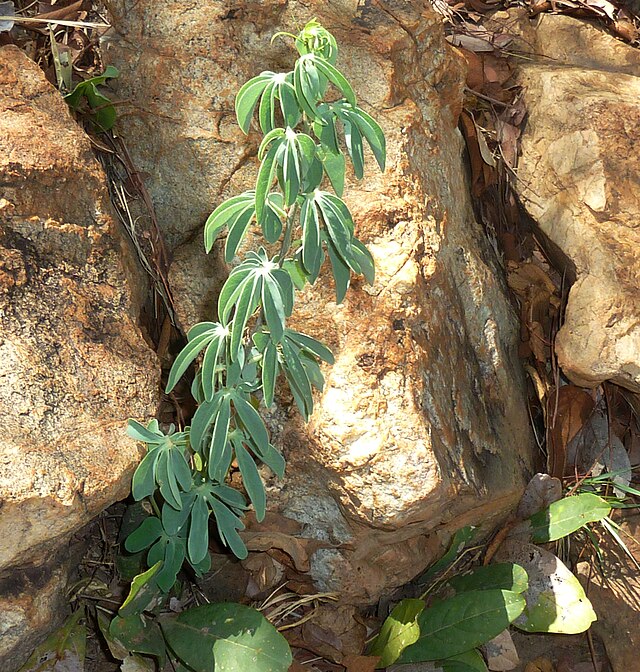 © JMK / CC BY-SA 3.0
Adenia Glauca
Adenia glauca
A Passiflora-family caudex with a large green caudex and tri-lobed leaves with climbing stems.
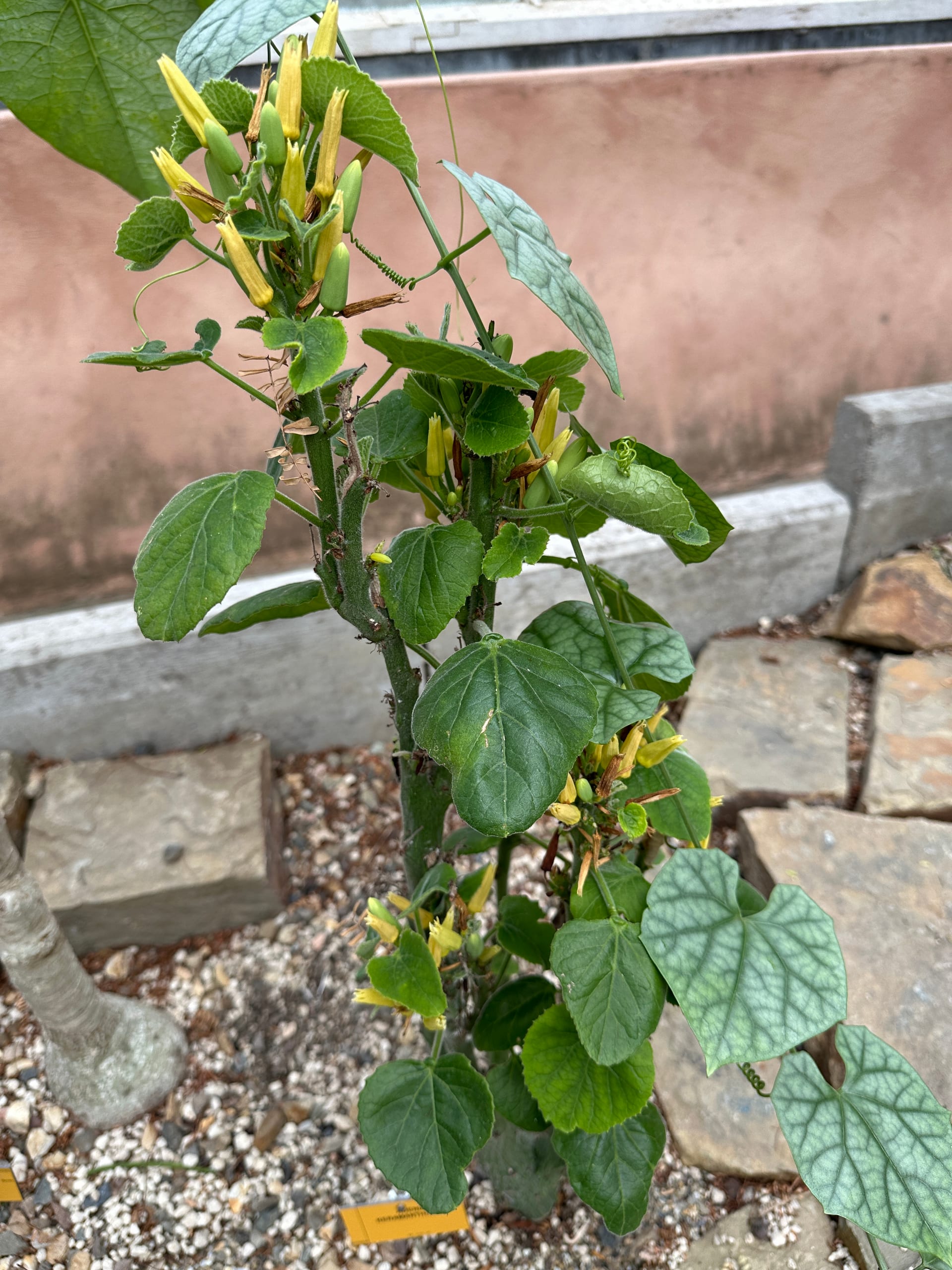 © Michael Wolf (Webseite) / CC BY-SA 3.0
Adenia keramanthus
Adenia keramanthus
An exceptionally hairy Adenia from Kenya and Tanzania, with trunk and leaves covered in fine grey to rusty-brown hairs. It bears downward-facing, cream, pot-shaped flowers and bright red fruits the size of an egg.
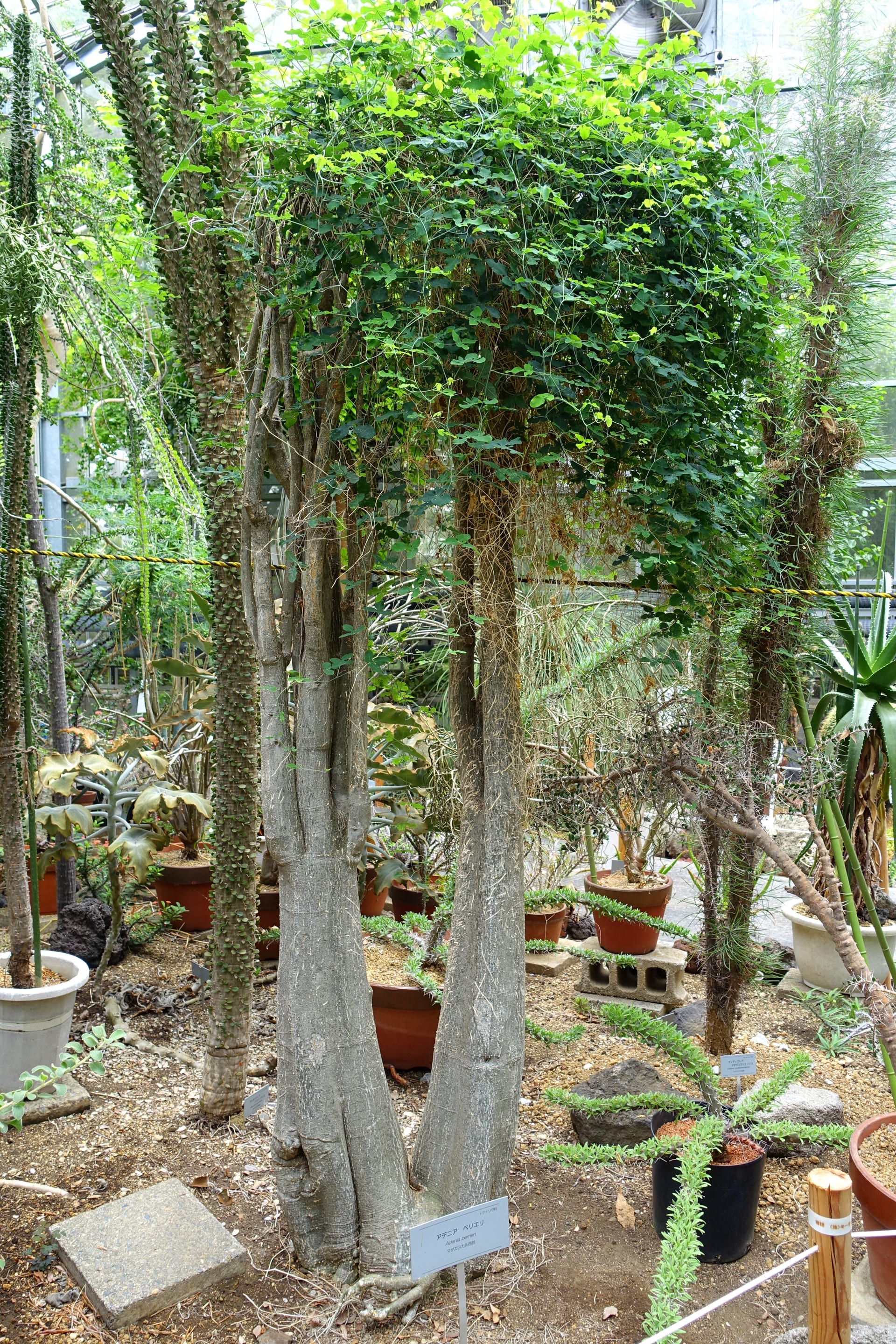 © Daderot / CC0
Adenia perrieri
Adenia perrieri
A Madagascan Adenia that sends green vines with lace-like, finely divided leaves from a caudex about 20 cm across. It is grown more for its foliage than its caudex, and a white-spotted "snowflake" form is also known.
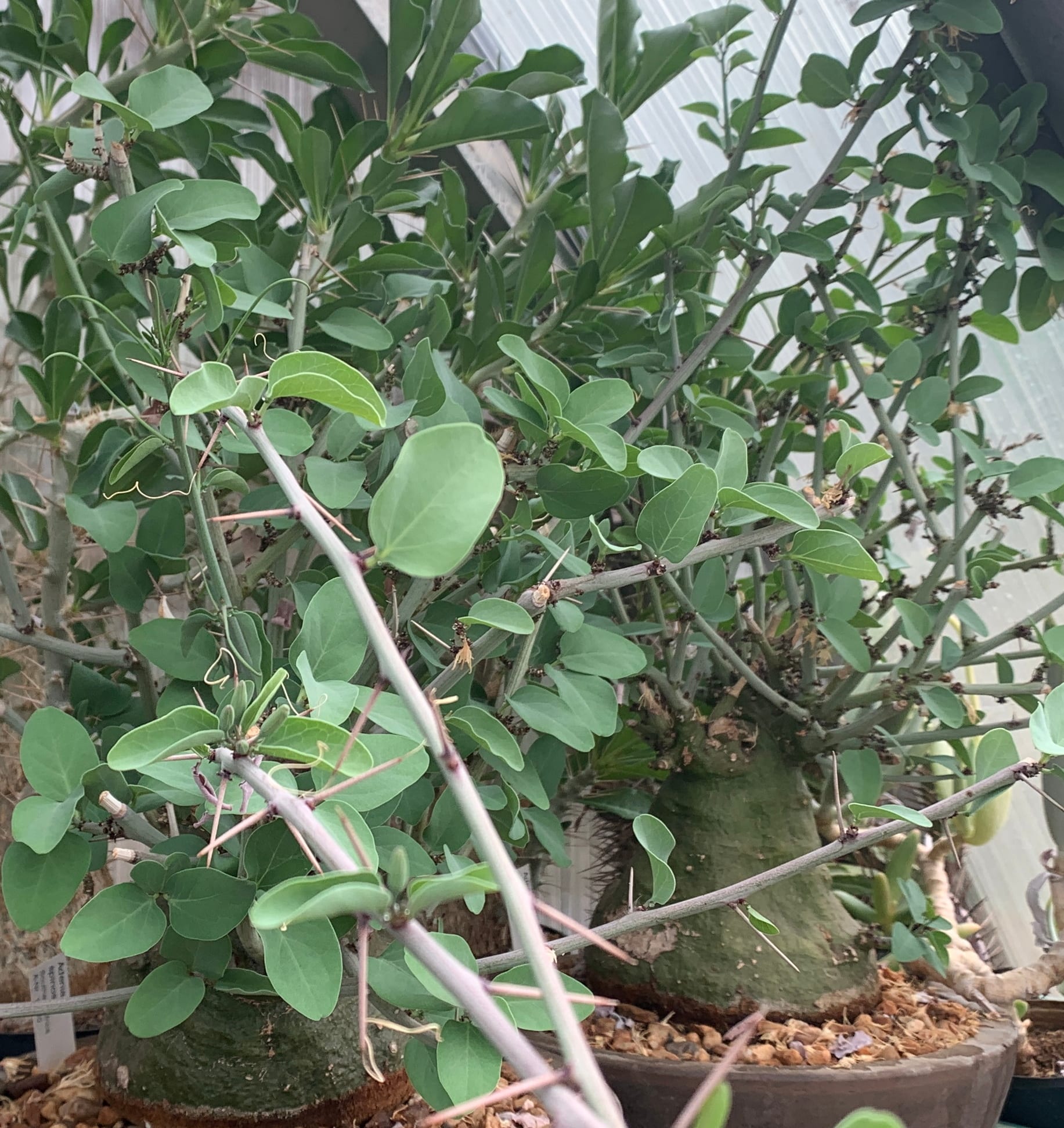 © Michael Wolf (Webseite) / CC BY-SA 3.0
Adenia spinosa
Adenia spinosa
A summer-growing Adenia from northern South Africa, Botswana and Zimbabwe whose twisted, spiny branches rise from a large, irregular, swollen stem. Only seed-grown plants form a caudex; plants from cuttings never do.
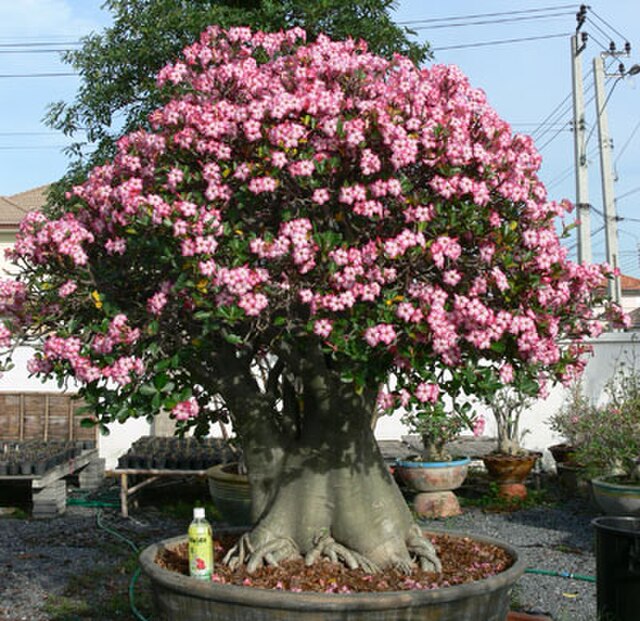 © Siamadenium / Public domain
Adenium Arabicum
Adenium arabicum
An Adenium with wide spreading caudex, more caudex-focused than obesum, popular with collectors.
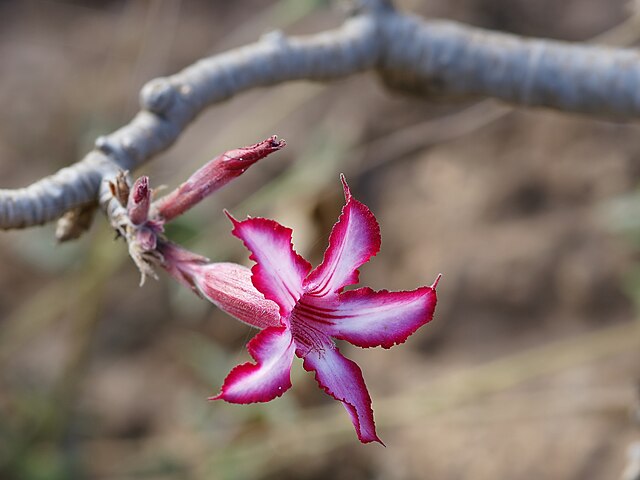 © Hans Hillewaert / CC BY-SA 3.0
Adenium Multiflorum
Adenium multiflorum
From South Africa, blooming many red-white flowers in winter, called Impala Lily.
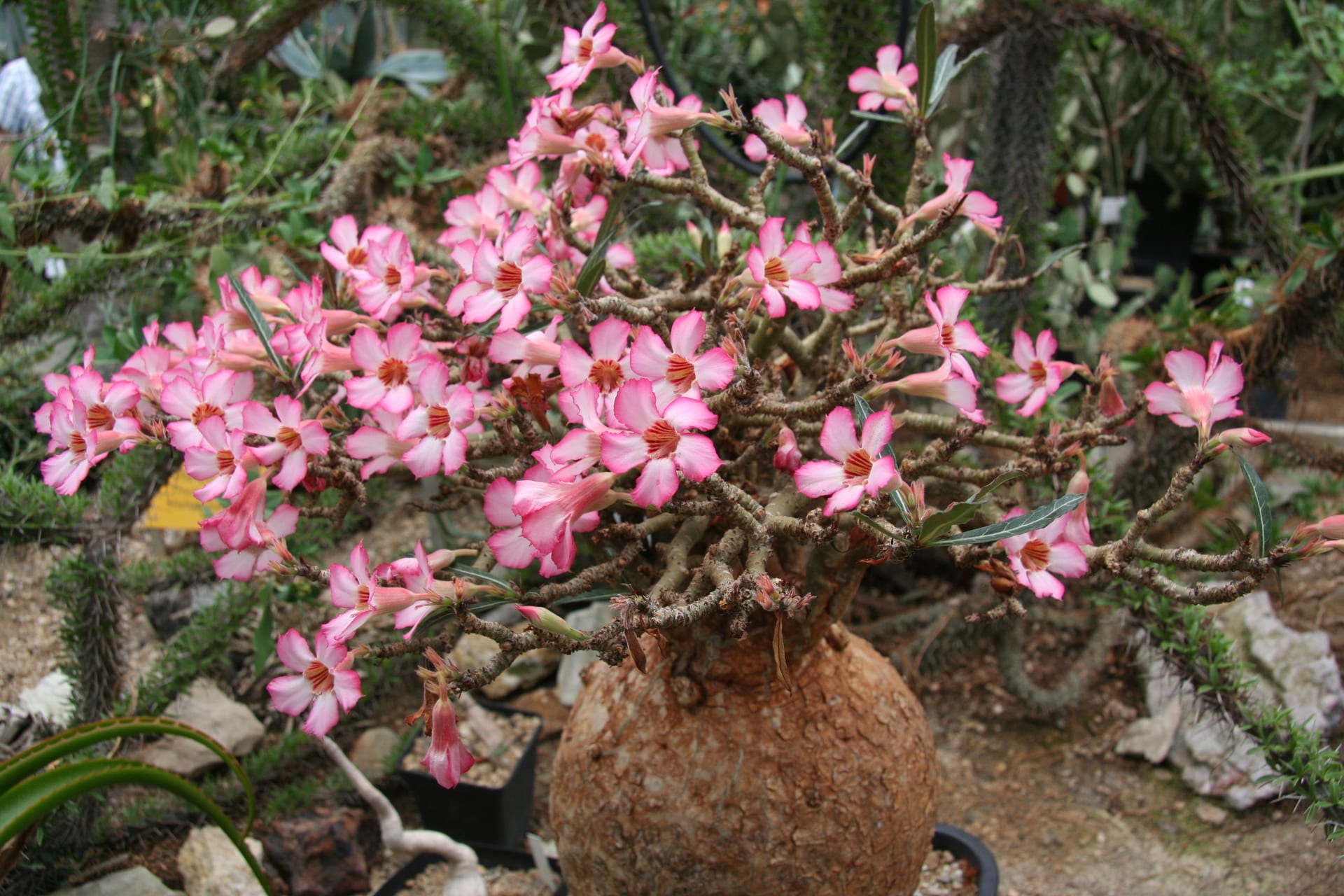 © Michael Wolf (Webseite) / CC BY-SA 3.0
Adenium obesum subsp. somalense
Adenium obesum subsp. somalense
An Adenium recognised by its broad-based, conical caudex and narrow leaves with white veins. Flowers are smaller than those of A. obesum, under 5 cm across, with narrow pointed petals and red nectar guides.
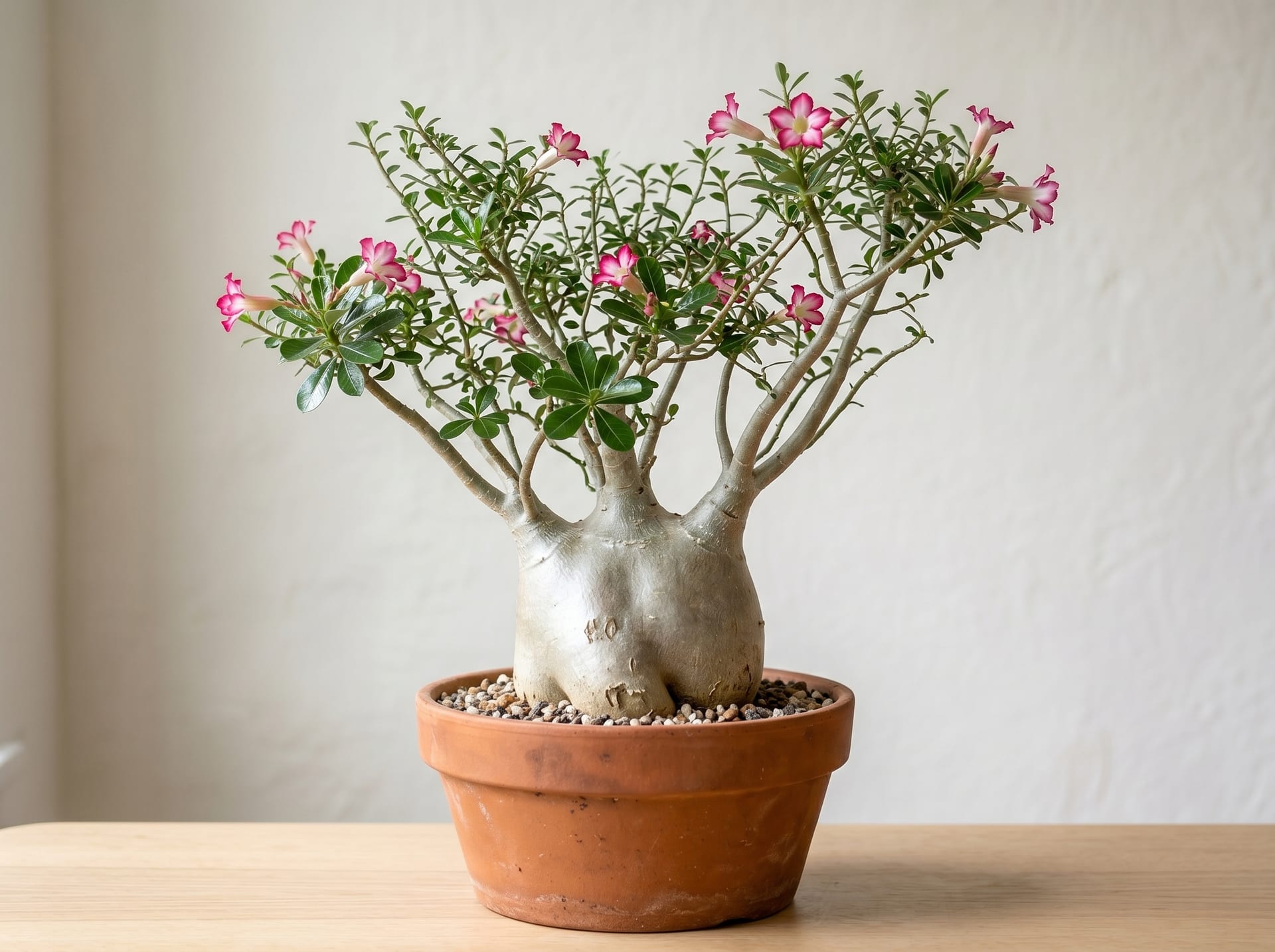
Adenium Thai Socotranum
Thai-bred Socotranum-type Adenium with thick round caudex and diverse flower colors.
 © Paul venter / CC BY-SA 3.0
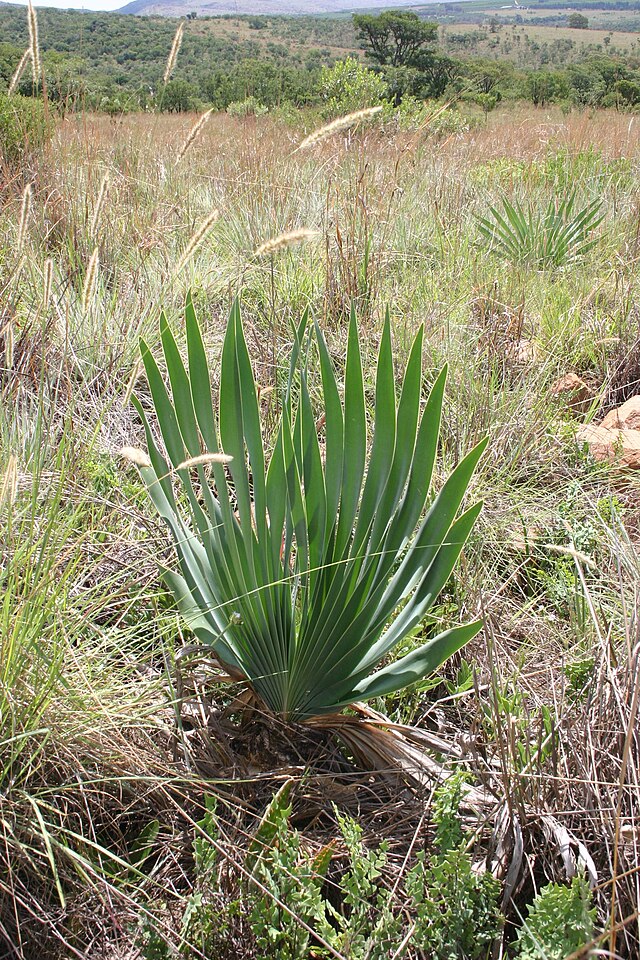
Boophone Disticha
Boophone disticha
An African bulbous caudex with beautiful fan-shaped wavy leaves and impressive flower heads.
 © Michael Wolf / CC BY-SA 3.0
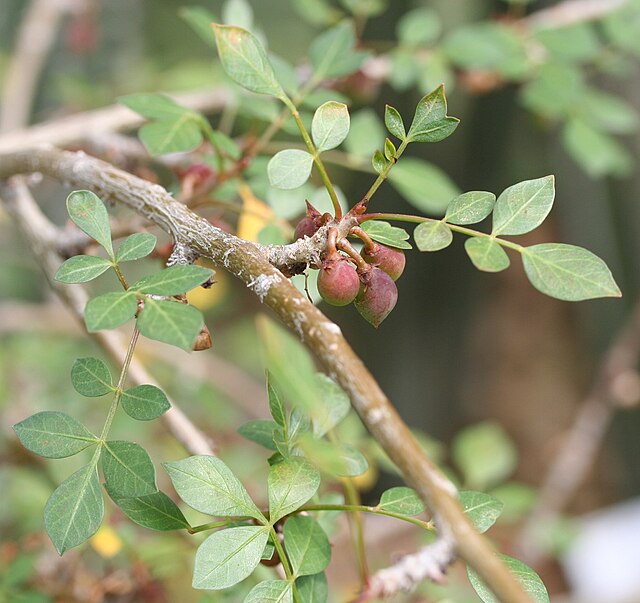
Bursera Fagaroides
Bursera fagaroides
A Mexican aromatic caudex with peeling bark and fragrant resin.
 © Miwasatoshi / CC BY-SA 4.0
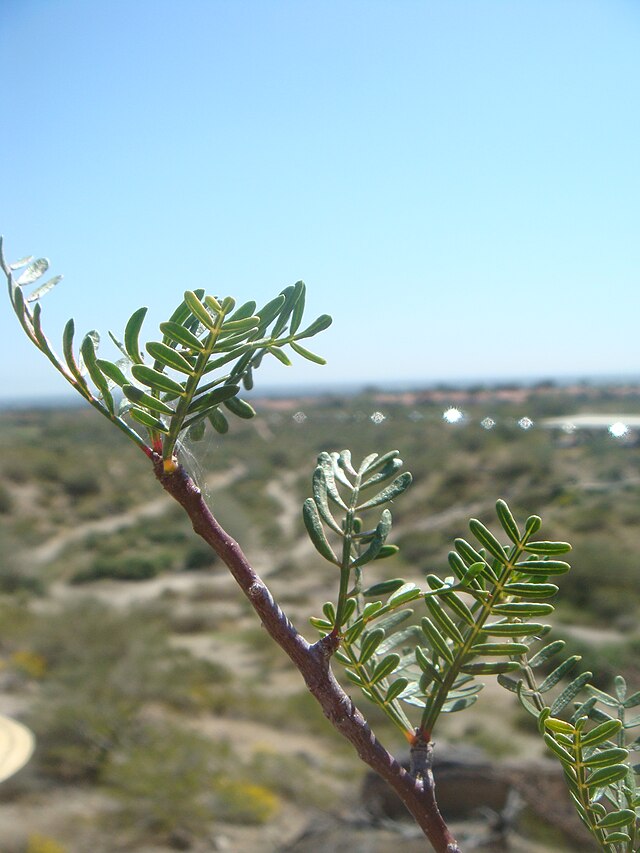
Bursera Microphylla
Bursera microphylla
Called Elephant Tree, a Mexican caudex with thick white trunk and tiny leaves.
 © Frank Vincentz / CC BY-SA 3.0
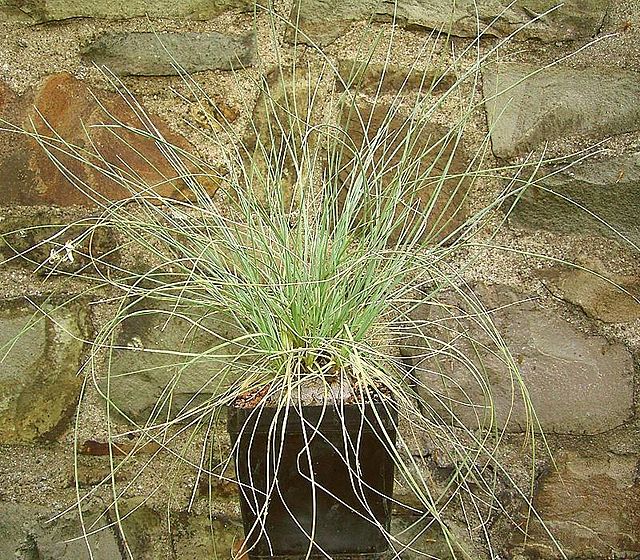
Calibanus Hookeri
Beaucarnea hookeri
A Mexican spherical caudex with cork-like large tuber producing fine grass-like leaves.
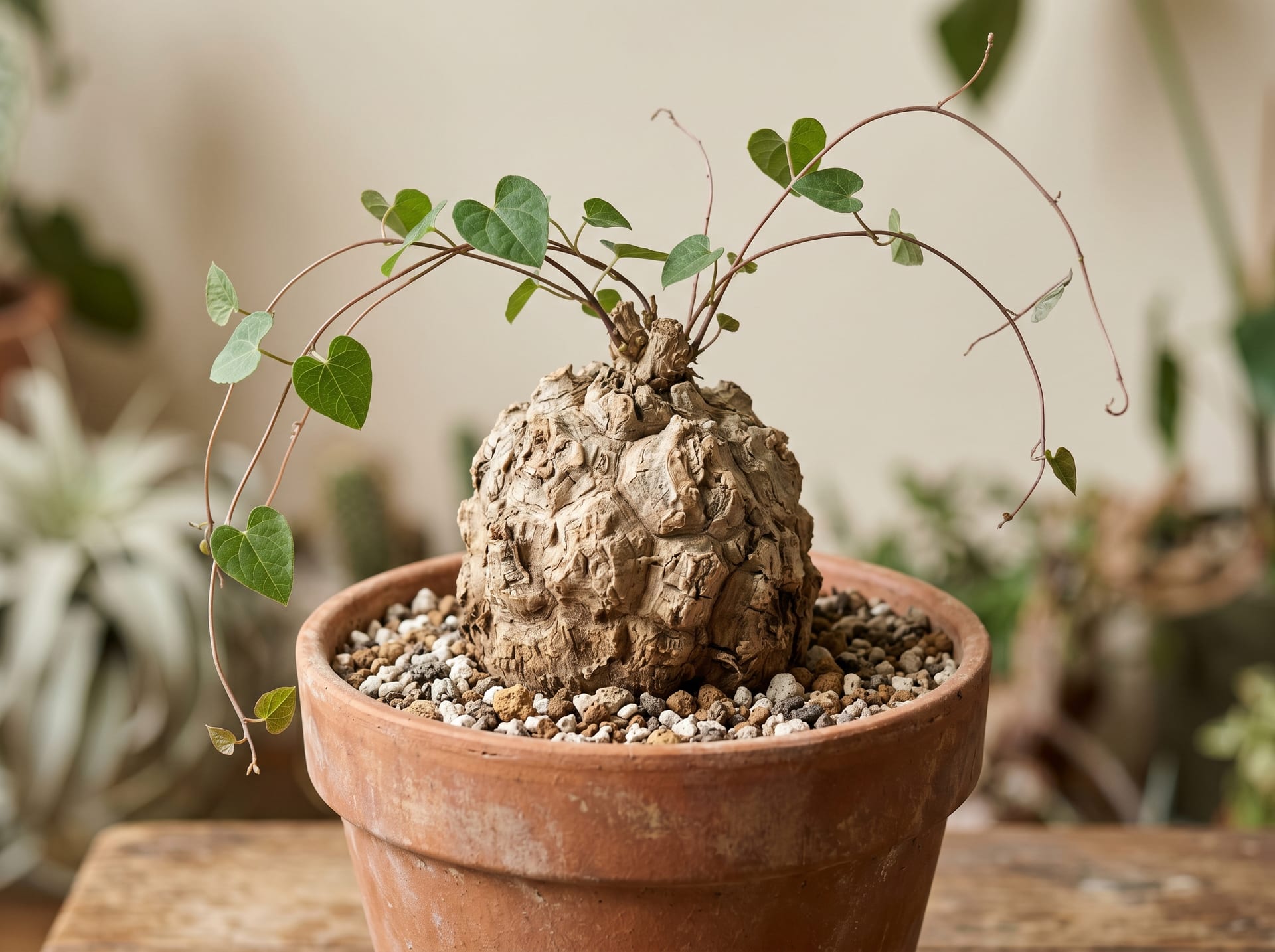
Cephalopentandra Ecirrhosa
Cephalopentandra ecirrhosa
An East African cucurbit caudex with impressive large gray-white tuber, relatively fast growing.
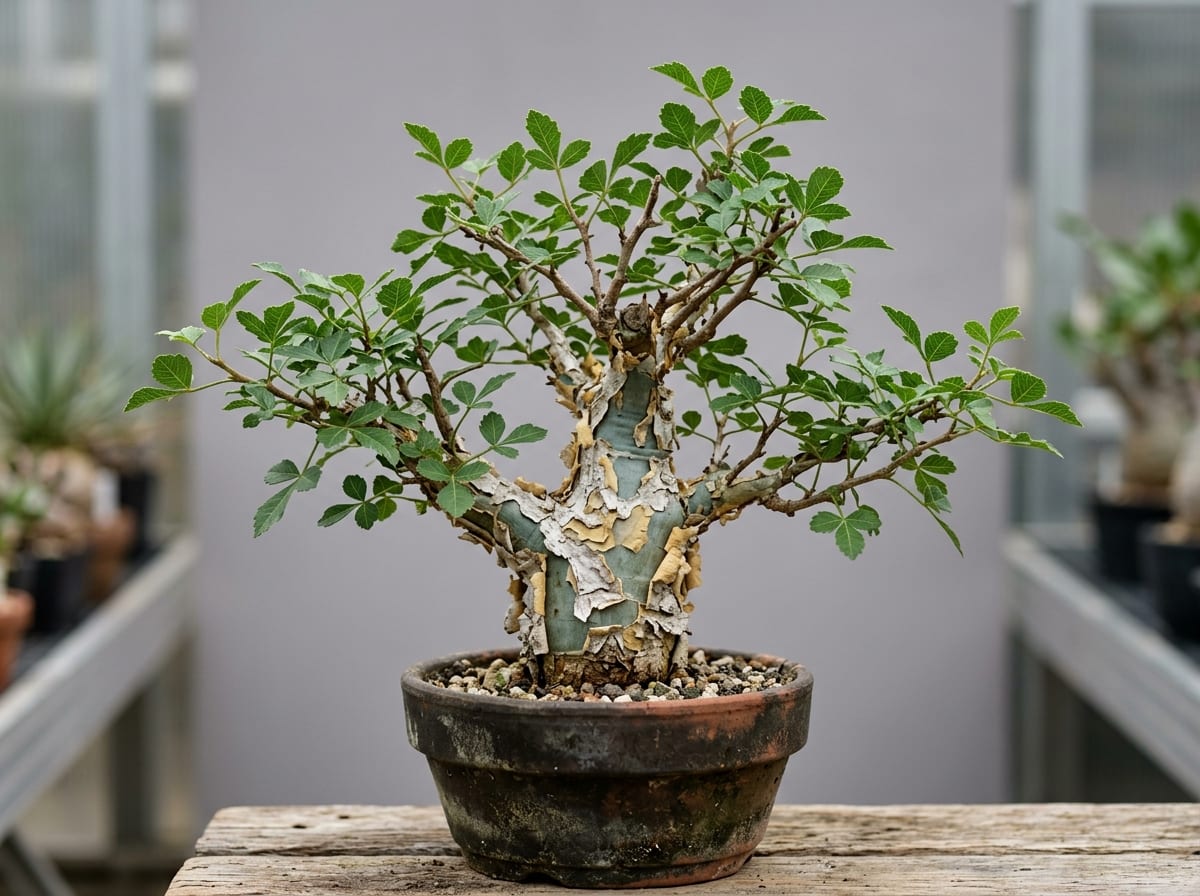
Commiphora kataf
Commiphora kataf
A myrrh relative whose whitish to yellowish bark peels in papery flakes to reveal a bluish under-bark. Its three-parted leaves vary greatly in hairiness and in the shape of their teeth.
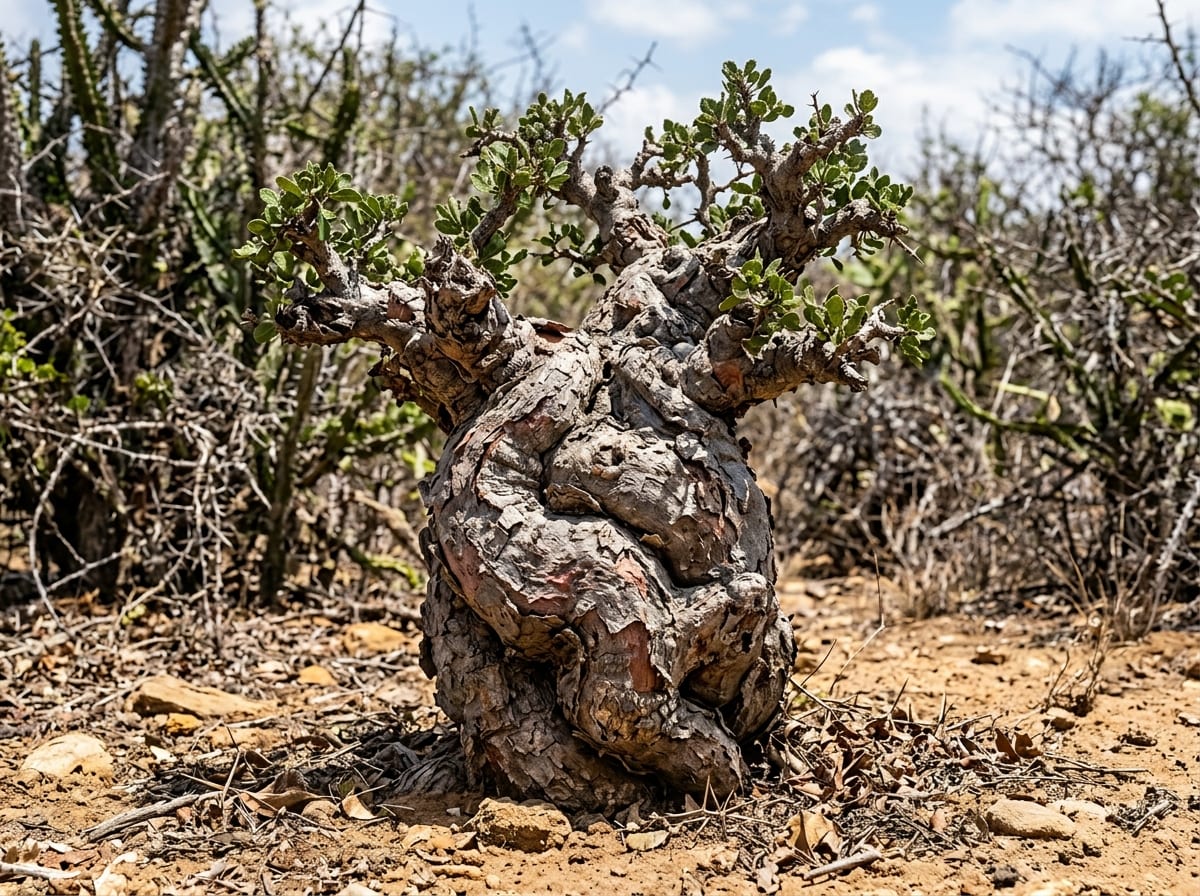
Commiphora monstruosa
Commiphora monstruosa
A Commiphora endemic to Madagascar, a shrub with a fat, knobbly trunk and flaking bark. It was first described in Operculicarya, and the name refers to its bizarre shape.
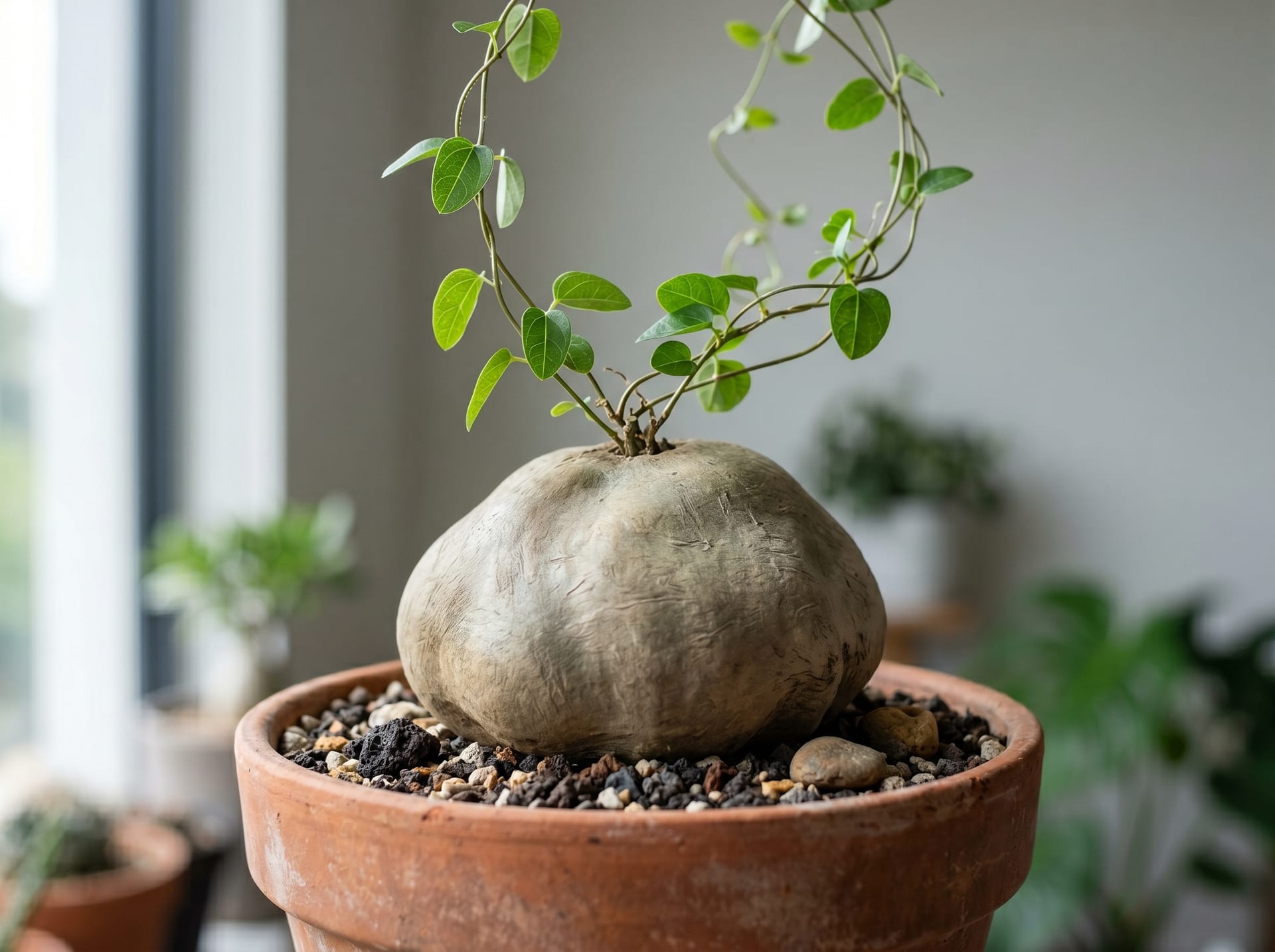
Corallocarpus Bainesii
Corallocarpus bainesii
A cucurbit caudex with attractive gnarly gray tuber producing small red fruits.
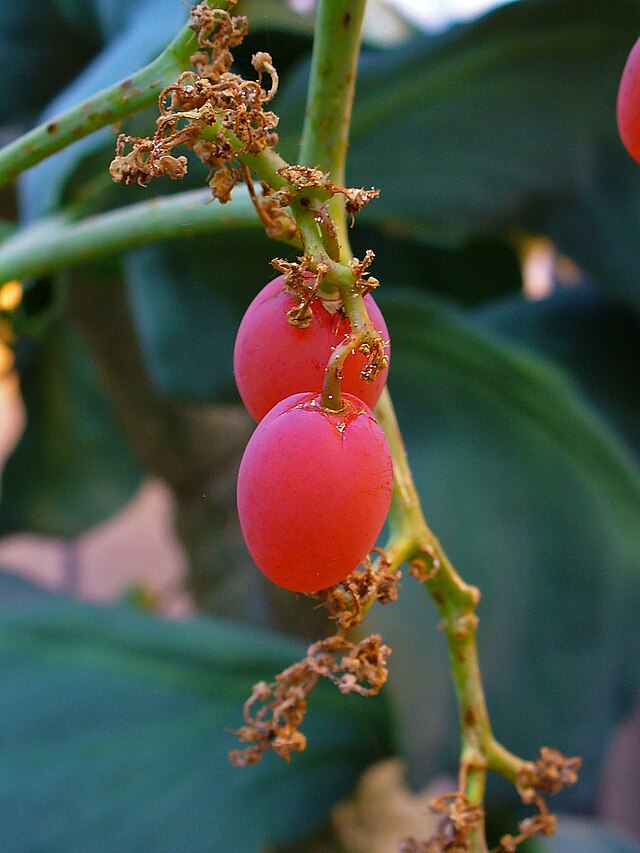 © H. Zell / CC BY-SA 3.0
Cyphostemma Bainesii
Cyphostemma bainesii
A large caudex plant from South Africa in the grape family, with thick trunk and large leaves, also known as Wild Grape.
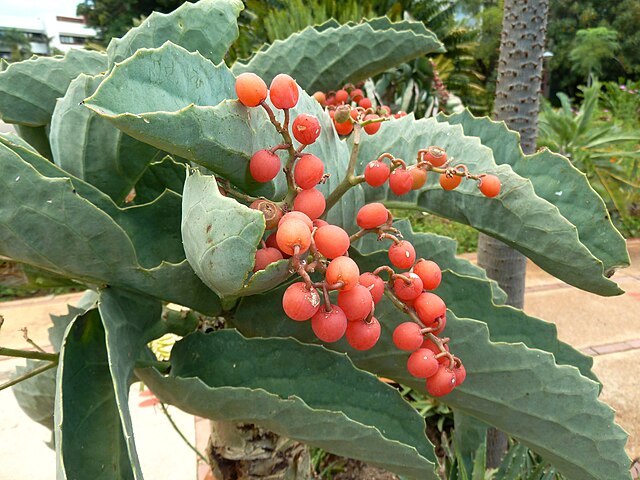 © JMK / CC BY-SA 3.0
Cyphostemma Juttae
Cyphostemma juttae
A grape-family caudex with peeling yellow bark and large leaves from Namibia.
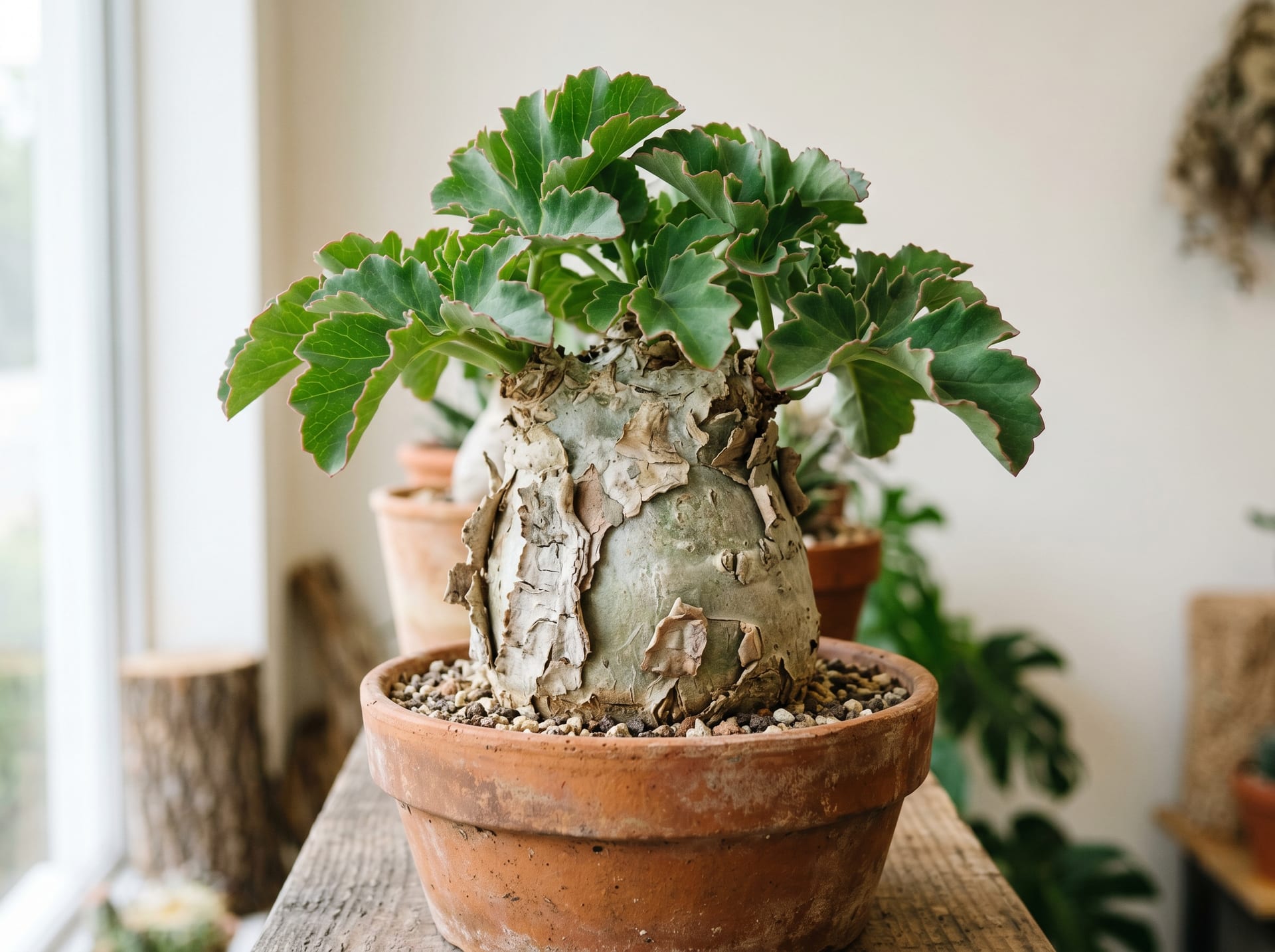
Cyphostemma Laza
Cyphostemma laza
A Madagascar grape-family caudex with silver trunk and large leaves, very impressive.
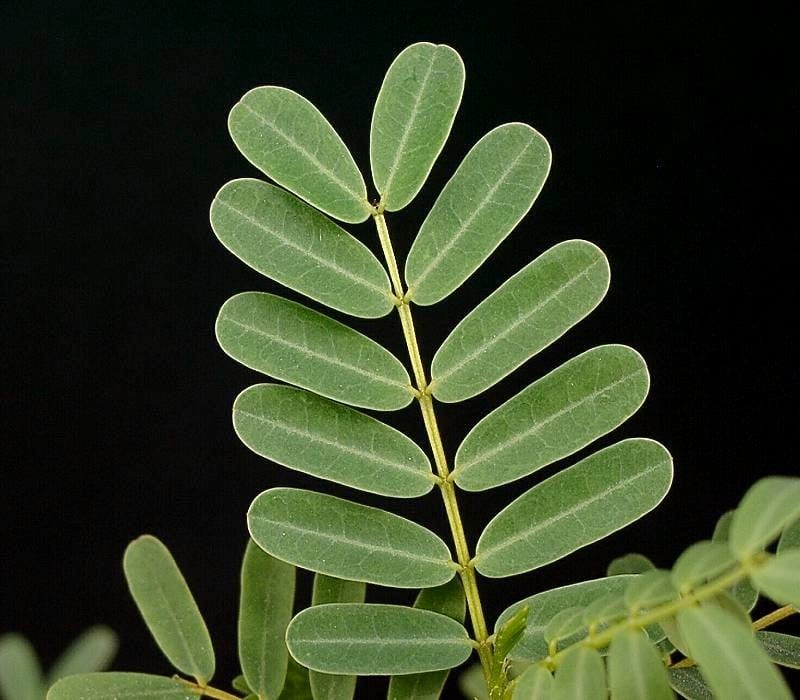 © Frank Vincentz / CC BY-SA 3.0
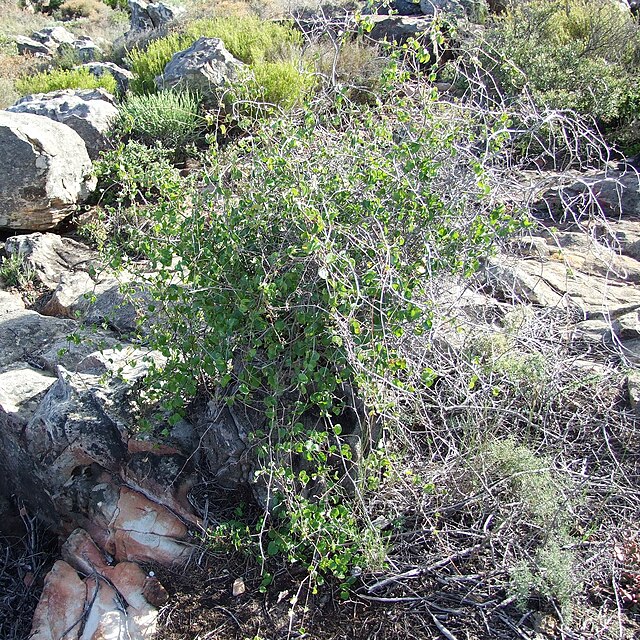
Delonix decaryi
Delonix decaryi
A caudiciform legume from south-western Madagascar with a bottle-shaped trunk of peeling grey bark under an umbrella-shaped crown. It has finely divided leaves and fragrant white flowers with long red stamens.
 © wielies / CC BY 4.0
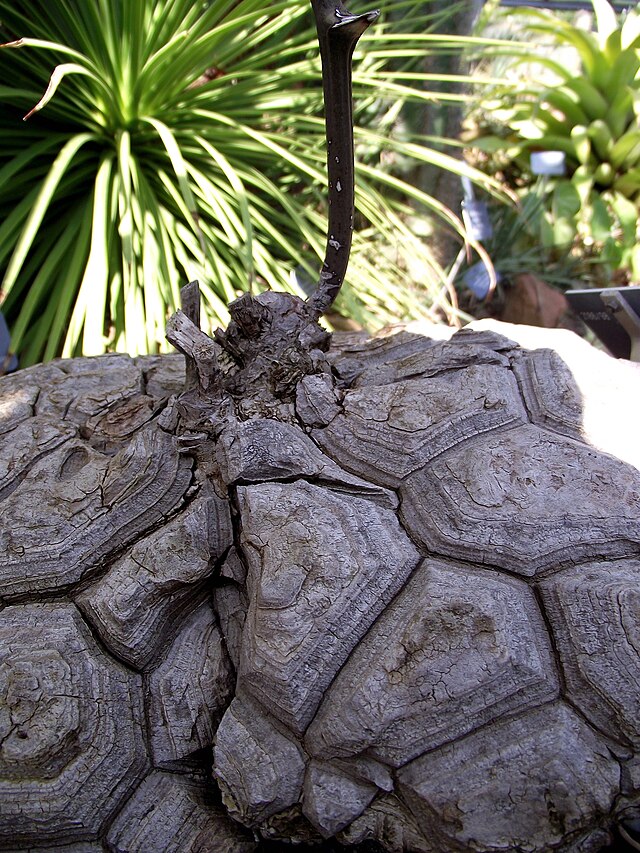
Dioscorea Elephantipes
Dioscorea elephantipes
Known as Tortoise Plant, with turtle shell-like caudex producing winter vines.
 © Rillke / CC BY-SA 3.0
Dioscorea Mexicana
Dioscorea mexicana
Called Mexican Tortoise Plant with rounder caudex, summer-growing unlike the African species.
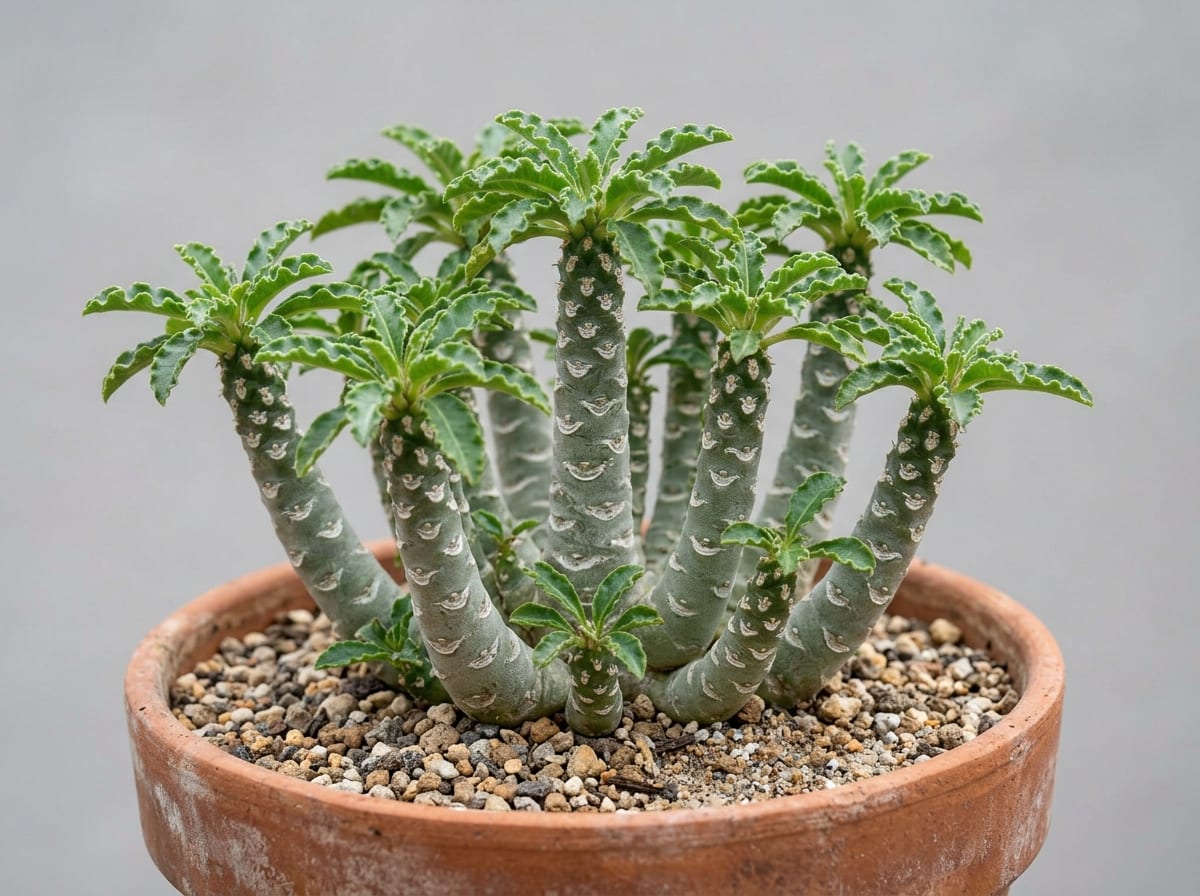
Dorstenia lavrani
Dorstenia lavrani
An endemic of northern Somalia that raises many waxy succulent stems patterned with spiralling white leaf scars, each topped by a rosette of crisped leaves. It looks like a tiny palm grove and, unusually for Dorstenia, is dioecious.
 © User:Qwertzy2 / CC BY-SA 3.0
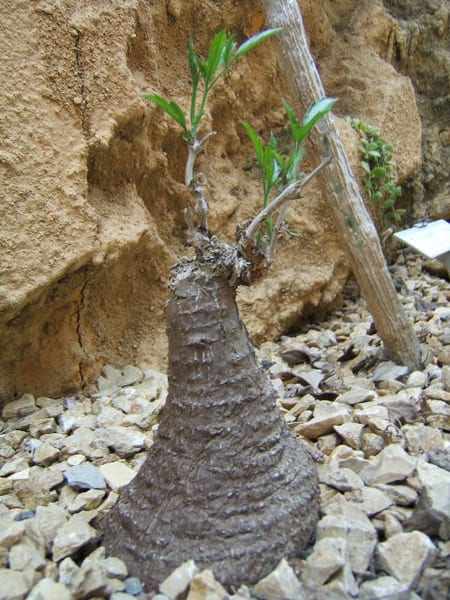
Elephant-foot Grape Tree
Cyphostemma elephantopus
A caudiciform member of the grape family endemic to south-western Madagascar. From a stout brown caudex like an elephant's foot it sends out vining stems with fleshy three-lobed leaves in summer. CITES Appendix II.
Related Content
Caudex Plant FAQ
- How much do caudex plants cost?
- Pachypodium gracilius seedlings cost 2,000-10,000 yen, wild-collected specimens 30,000-200,000+ yen, and Operculicarya pachypus can reach hundreds of thousands of yen.
- Can beginners grow caudex plants?
- Adenium (Desert Rose) and Pachypodium seedlings are relatively easy and beginner-friendly. Just be careful with watering during winter dormancy, and you can enjoy them for years.
- How long do caudex plants live?
- Some specimens live for hundreds of years in the wild. In cultivation, they can thrive for decades with proper care. Watching the caudex thicken year by year is the greatest appeal.
- What should I check when buying caudex plants?
- Whether it's rooted is the most important point. Wild-collected imports are often unrooted and require root establishment. Beginners should start with rooted domestically grown seedlings.
- How do caudex plants overwinter?
- Many caudex plants go dormant in winter. Reduce watering from October, and withhold water completely from December to February. Keep indoors in a sunny spot at minimum 10°C.