Caudex Plant Encyclopedia
Encyclopedia of popular caudex plants with care guides, traits, and root management tips.
Featured Caudex Plant
Showing 25 of 141 species(1–24)
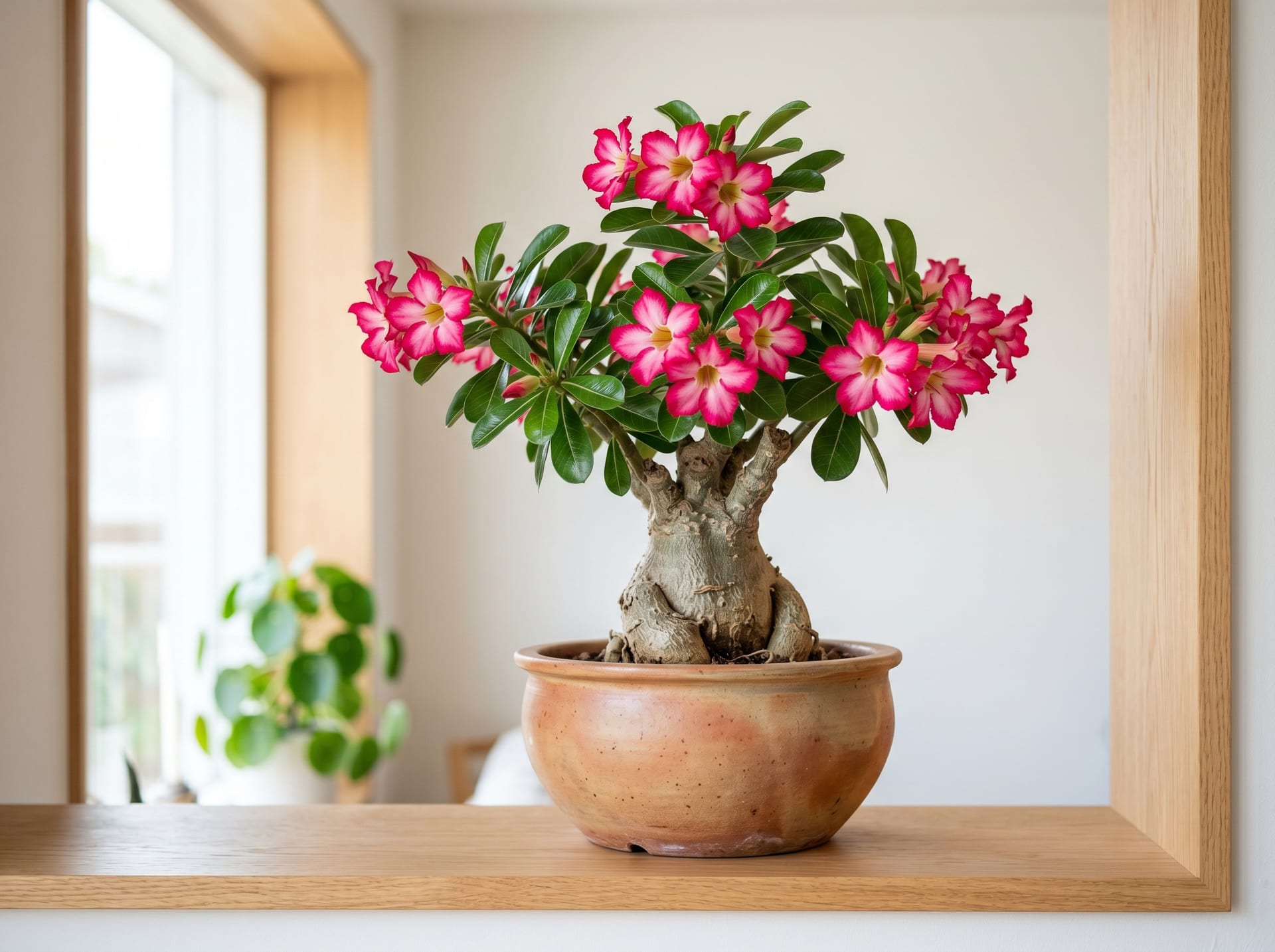
Adenium (Desert Rose)
Adenium obesum
The 'Desert Rose' from Africa and Arabia. Plump caudex with showy pink/red flowers. Ideal caudex starter — develops thick caudex relatively quickly from seed. Extensive Thai breeding programs.
 © Yoky / CC BY-SA 3.0
African baobab
Adansonia digitata
The African baobab of the savanna, famous for its massive bottle-shaped trunk. Seedlings have simple leaves that change with age to palmate leaves of five to seven leaflets, and young plants can be kept in pots for many years.
 © Marinosalas / CC BY-SA 3.0
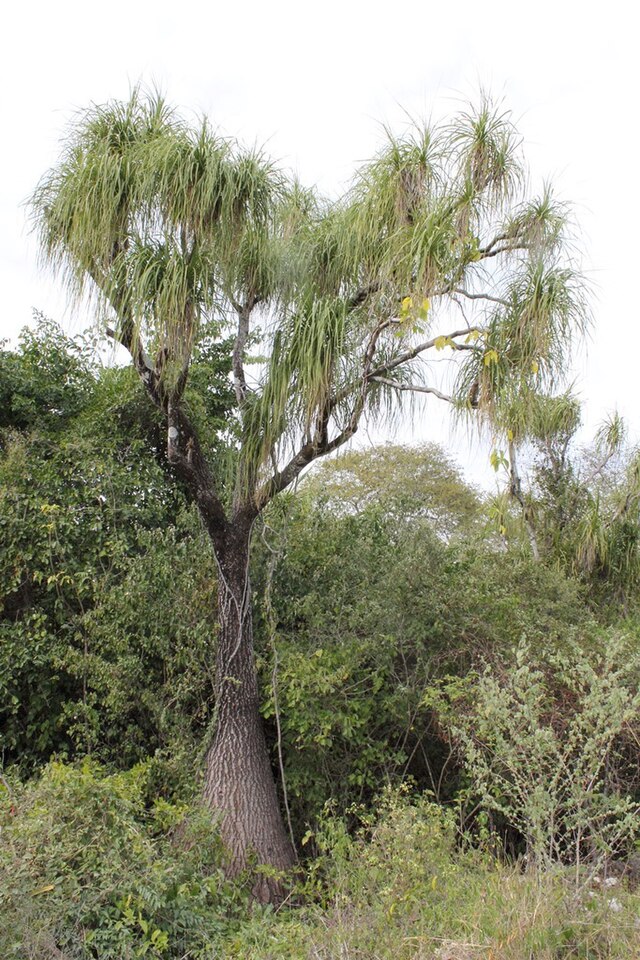
Beaucarnea gracilis
Beaucarnea gracilis
A ponytail-palm relative endemic to Mexico's Tehuacán Valley, raising several slender stems from a huge corky base like an elephant's foot. Unlike B. recurvata, its narrow, strongly blue-grey leaves stand stiffly upright.
 © juancruzado / CC BY-SA 4.0
Beaucarnea Recurvata
Beaucarnea recurvata
Known as Ponytail Palm, with a swollen trunk base and cascading leaves.
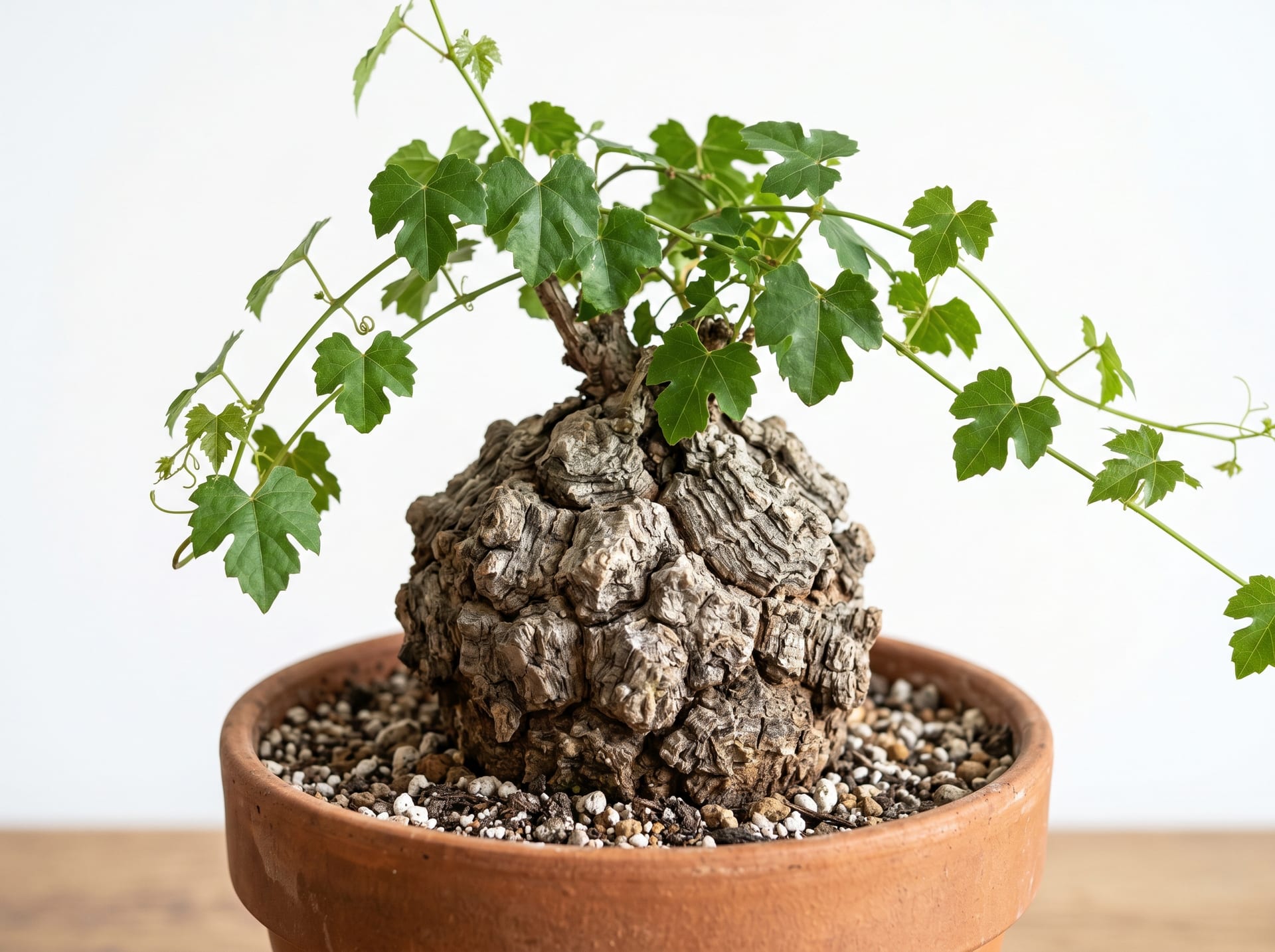
Cissus Tuberosa
Cissus tuberosa
A grape-family caudex with large potato-like tuber producing vines, hardy and fast-growing.
 © 22Kartika / CC BY-SA 3.0
Dorstenia Foetida
Dorstenia foetida
A small caudex that self-pollinates and shoots seeds, easy to grow from seed for beginners.
 © Leonora Enking from West Sussex, England / CC BY-SA 2.0
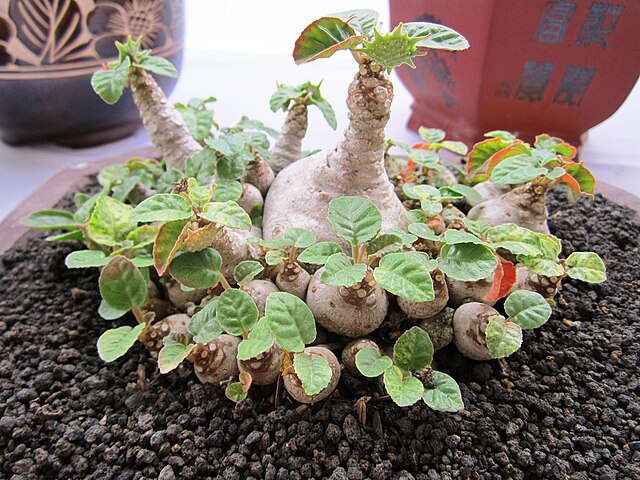
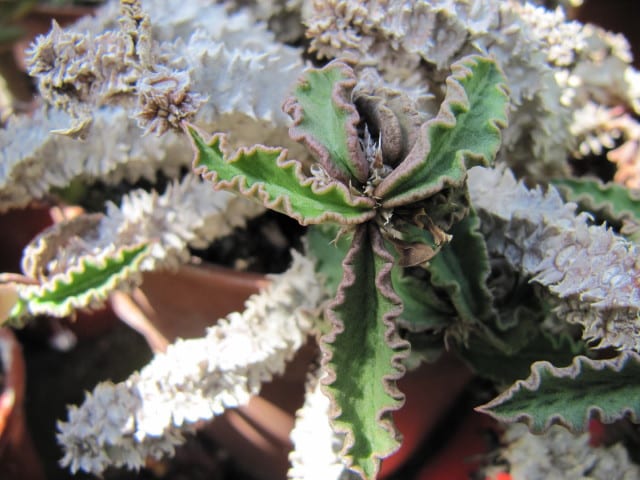
Euphorbia decaryi
Euphorbia decaryi
A small Madagascan spurge that spreads by creeping rhizomes and bears rosettes of leaves at the stem tips. Its dark red to green leaves are strongly wavy and crisped, turning coppery in summer.
 © Frank Vincentz / CC BY-SA 3.0
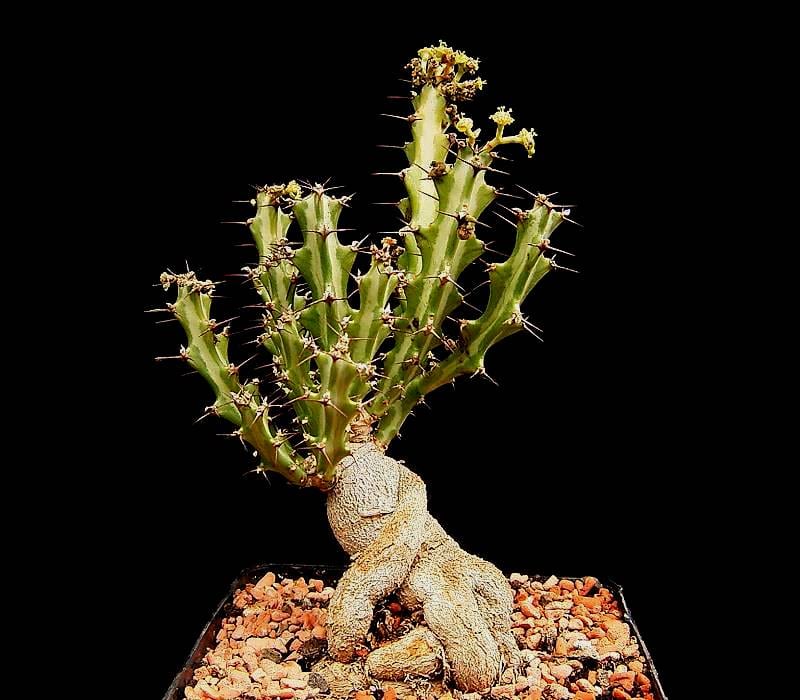
Euphorbia knuthii
Euphorbia knuthii
A small southern African spurge whose twisting tuberous caudex sends up many slender three- to four-angled branches striped grey-green. Tough and easy to root from cuttings, it is a good first caudiciform Euphorbia.
 © Amada44 / CC BY 3.0
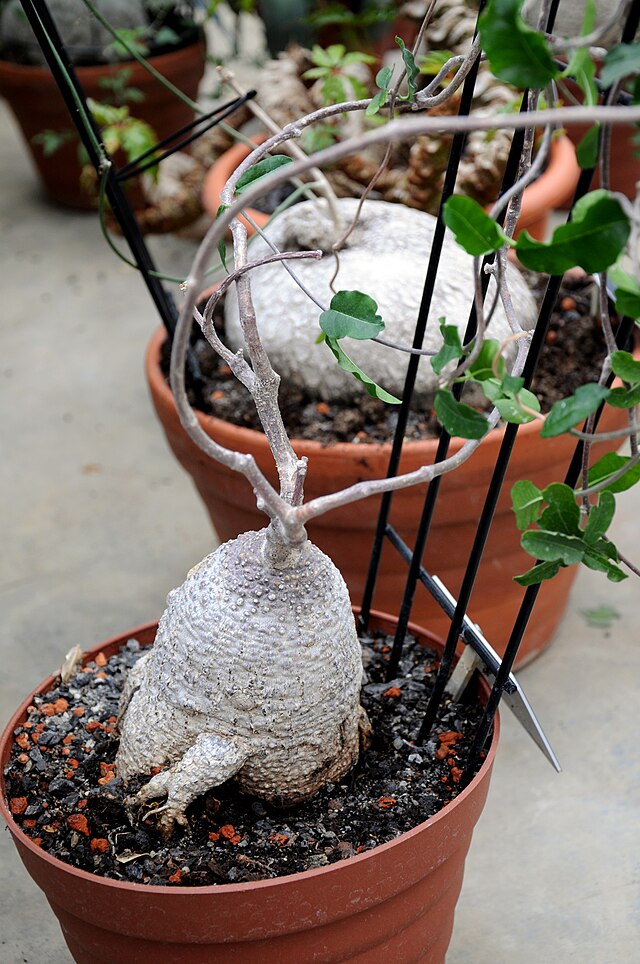
Fockea Edulis
Fockea edulis
Known as Martian Plant in Japan, with a potato-like caudex producing climbing vines.
 © User:BotBln / CC BY-SA 3.0
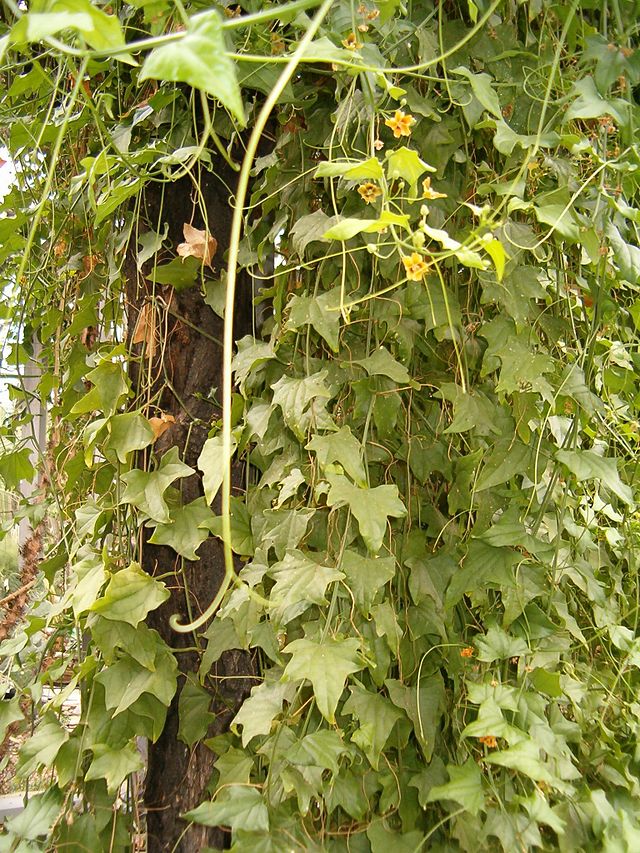
Gerrardanthus Macrorhizus
Gerrardanthus macrorhizus
A cucurbit with large spherical green caudex producing vines, fast-growing and impressive.
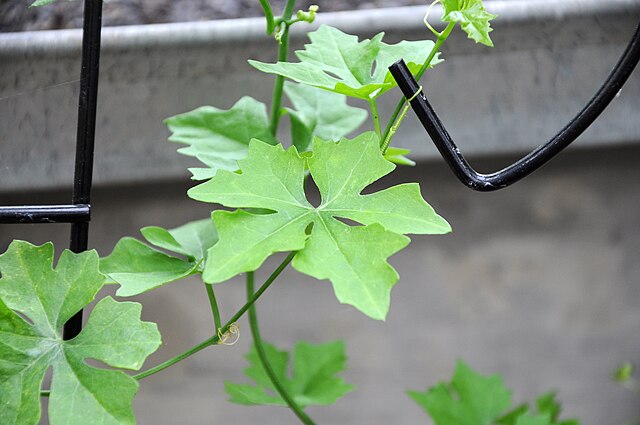 © Amada44 / CC BY 3.0
Ibervillea Sonorae
Ibervillea sonorae
A Mexican cucurbit caudex with large green tuber producing vines, hardy for beginners.
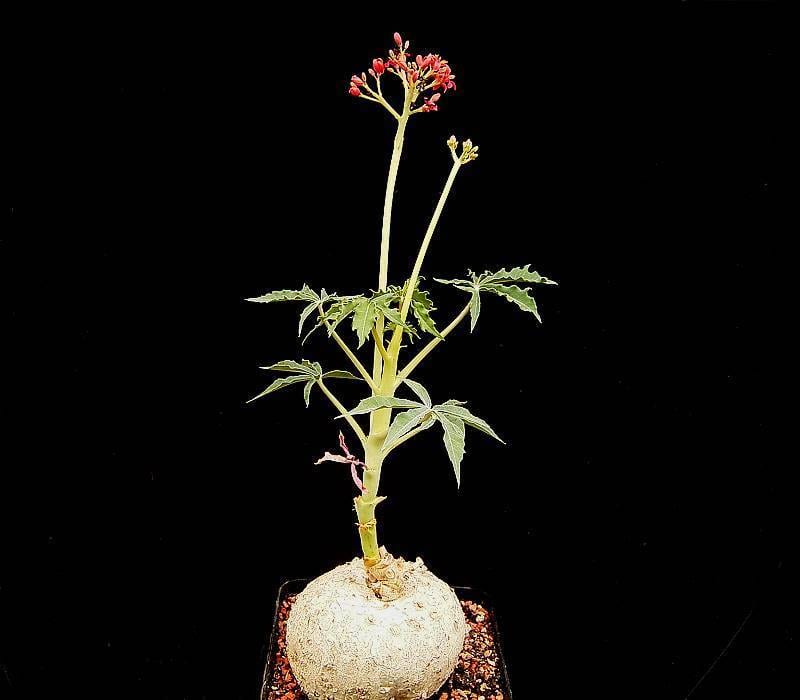 © Frank Vincentz / CC BY-SA 3.0
Jatropha cathartica
Jatropha cathartica
A spurge-family caudiciform from Texas and north-eastern Mexico with a pale, globe-shaped caudex and grey-green leaves deeply cut into five to seven lobes. Bright pink to poppy-red flowers appear throughout the growing season.
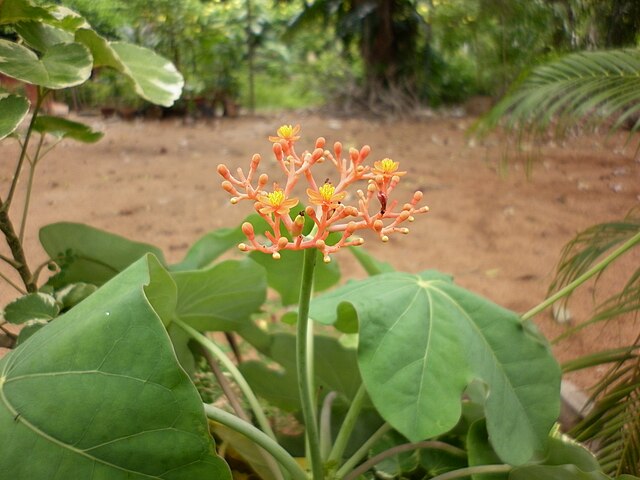 © Delince / CC BY-SA 3.0
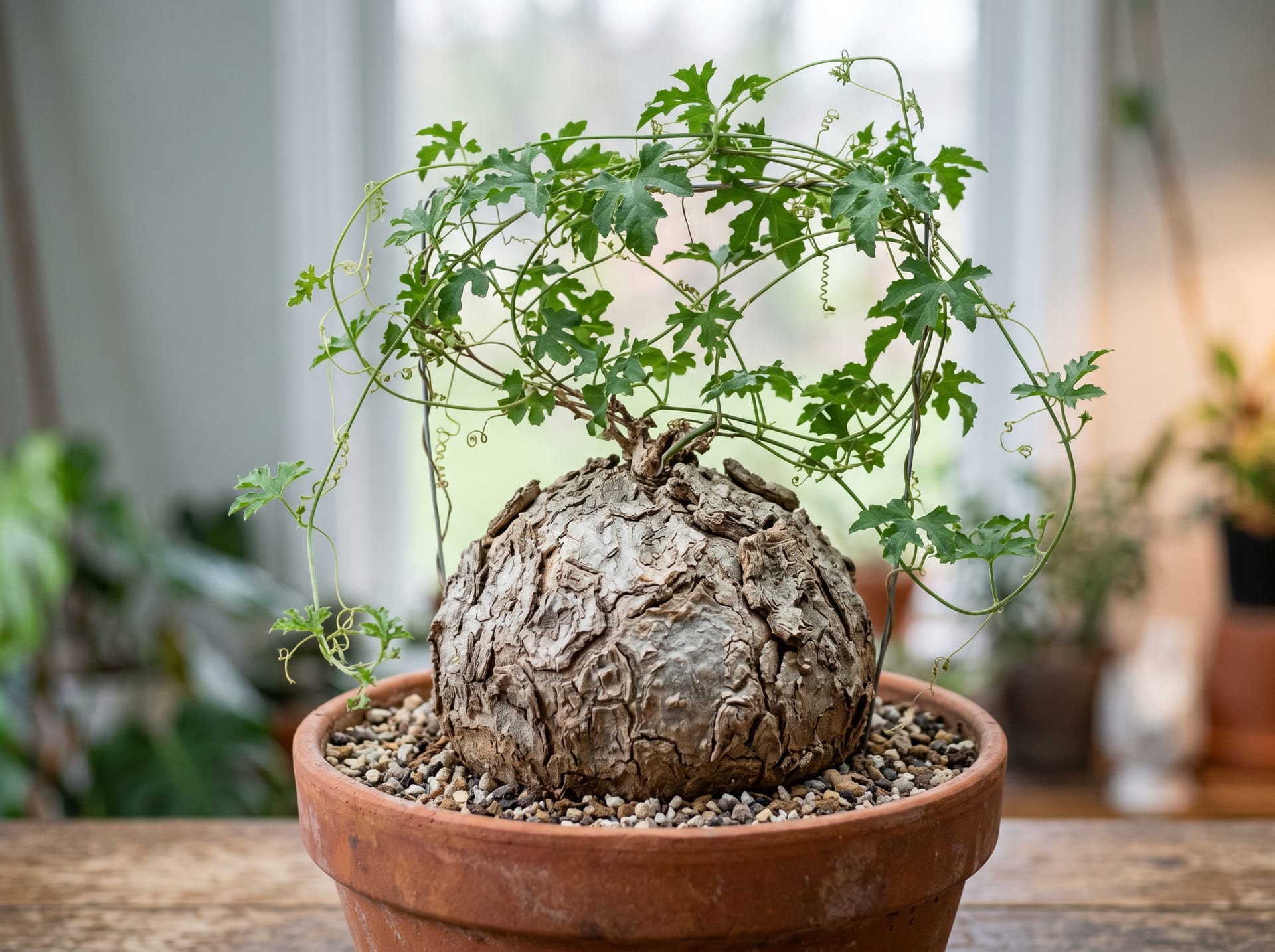
Jatropha Podagrica
Jatropha podagrica
Known as Gout Plant, with red flowers and a plump trunk from Central-South America.
Kedrostis Africana
Kedrostis africana
A cucurbit-family caudex with gnarly gray caudex producing vines, hardy and easy.
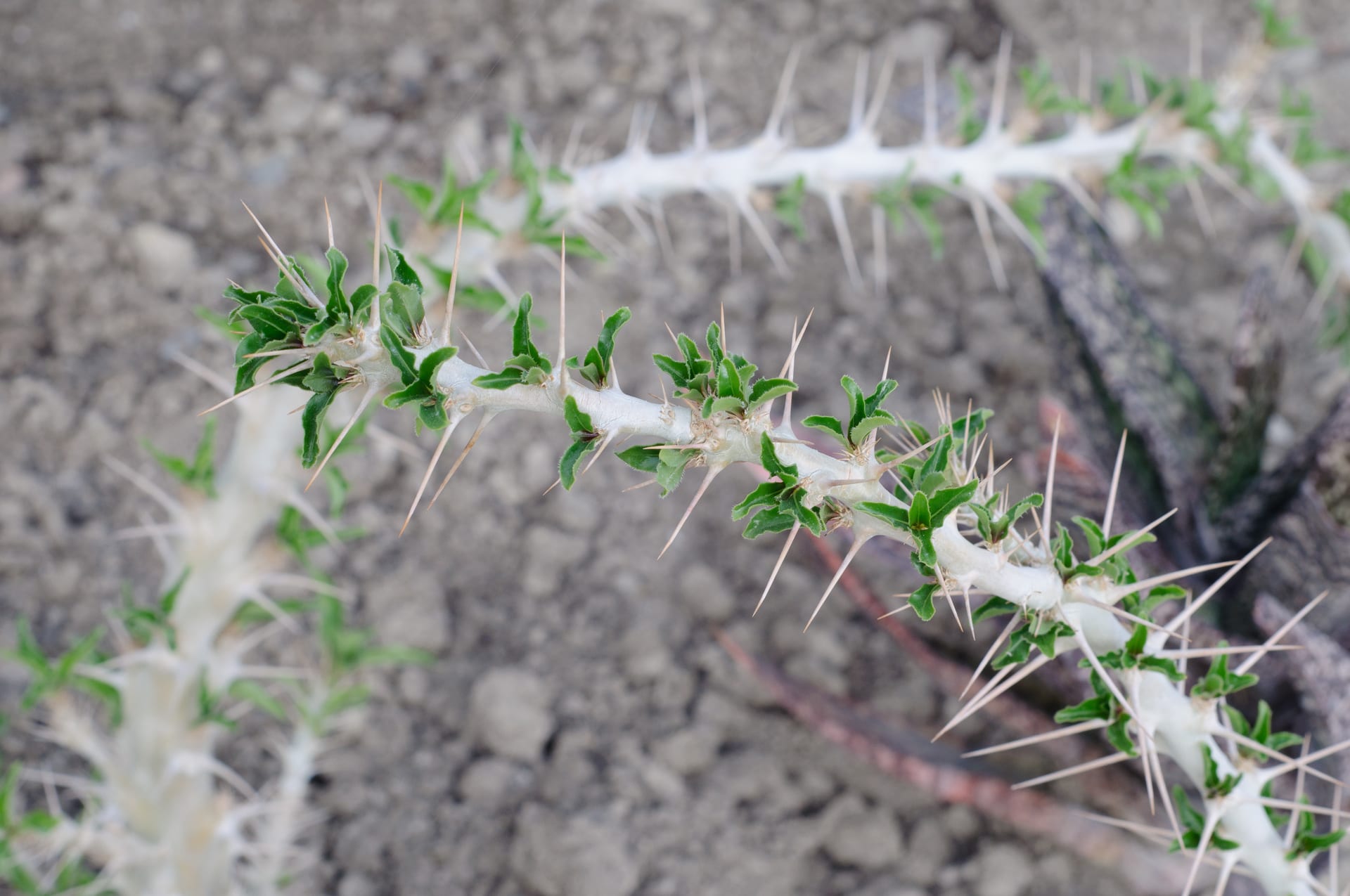 © MrPanyGoff / CC BY-SA 3.0
Kudu Lily
Pachypodium saundersii
Known in Japan as Hakubajo. A southern African Pachypodium whose ball-shaped base sends up densely spiny branches and bears large white flowers flushed purple in autumn. It is easy and relatively fast-growing.
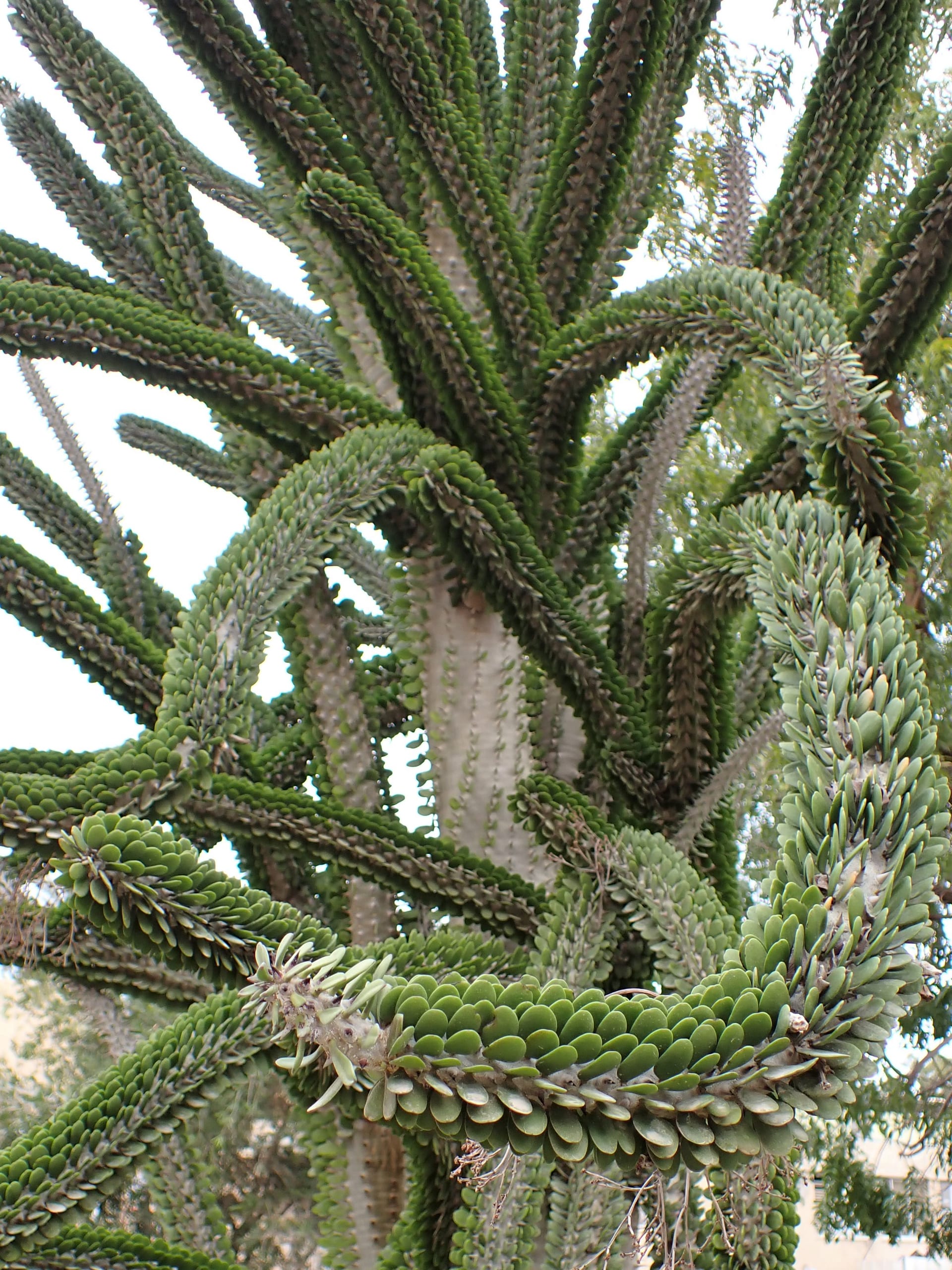 © Krzysztof Ziarnek, Kenraiz / CC BY-SA 4.0
Madagascar ocotillo
Alluaudia procera
The "Madagascar ocotillo" of the southern spiny forest, with bone-white stems lined with conical spines and small round leaves. It looks much like the American ocotillo but belongs to an unrelated family.
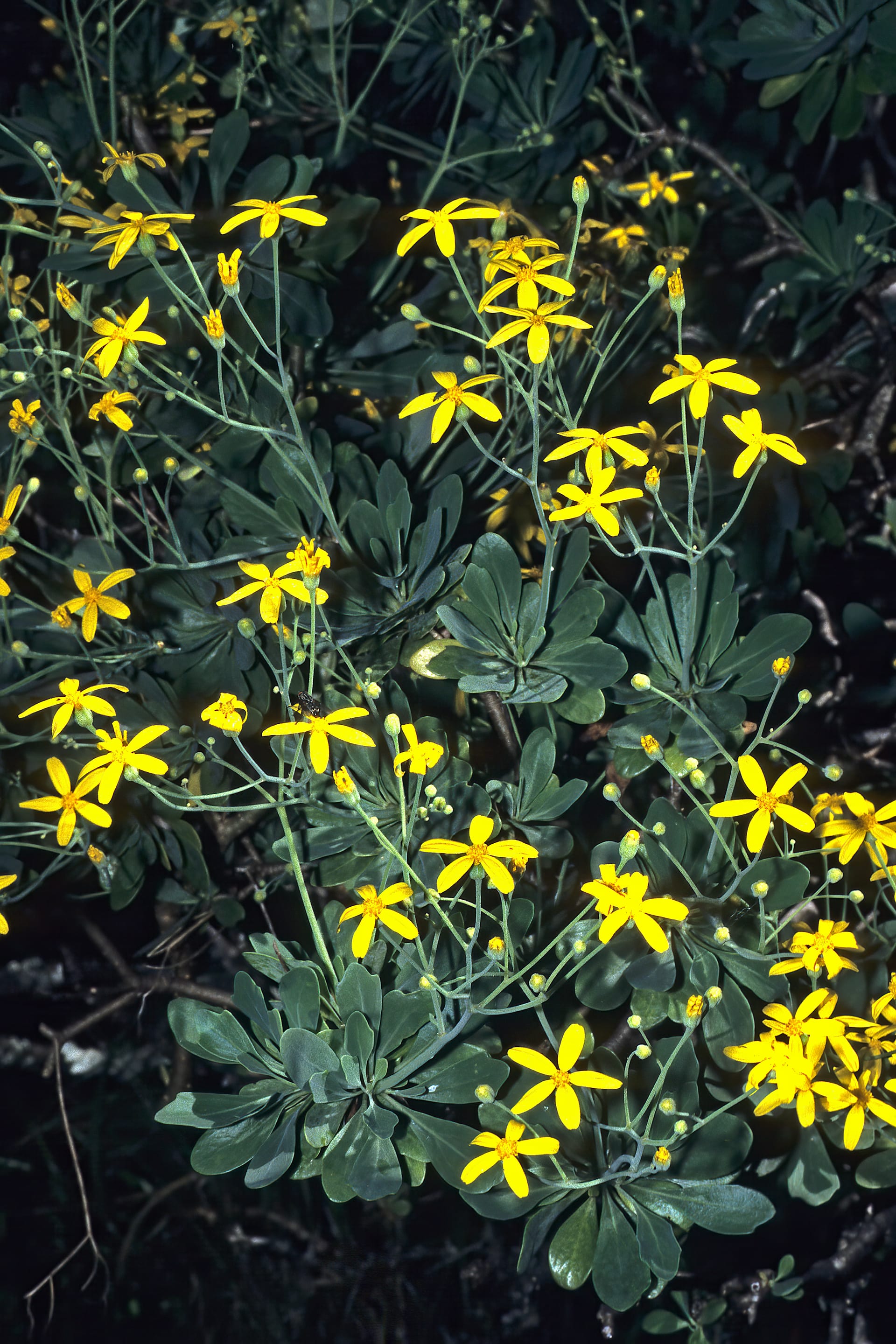 © SAplants / CC BY-SA 4.0
Othonna triplinervia
Othonna triplinervia
A small shrub from the Eastern Cape of South Africa with short, fleshy stems swollen at the base, thin net-veined obovate leaves clustered at the tips and bright yellow daisies on long stalks. Unusually for Othonna, it tends to stay evergreen.
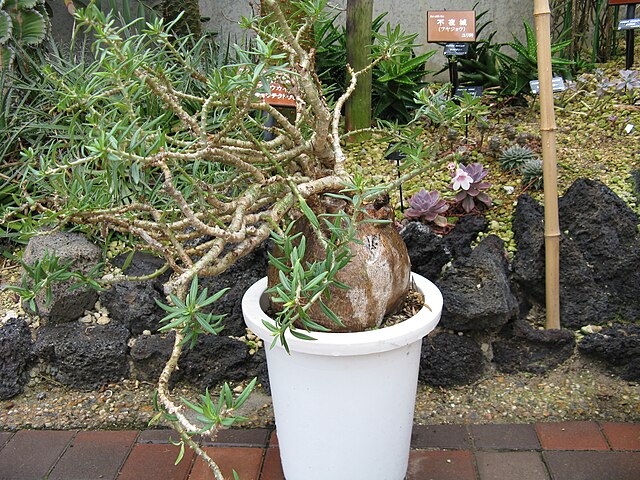 © KENPEI / CC BY-SA 3.0
Pachypodium Bispinosum
Pachypodium bispinosum
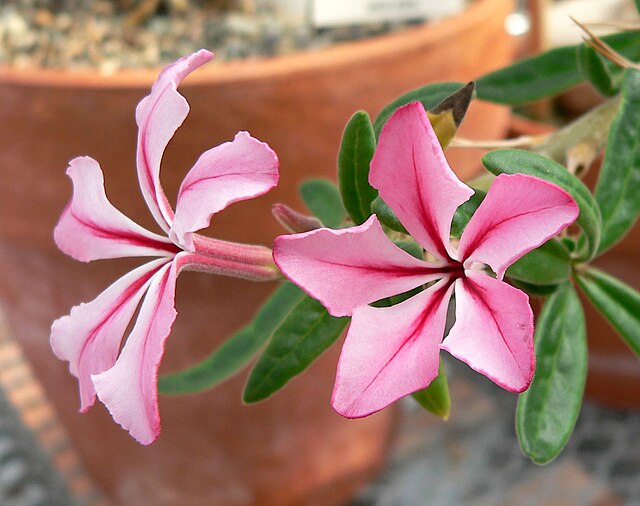
A South African Pachypodium with pink bell-shaped flowers and large underground caudex.
 © Krzysztof Ziarnek, Kenraiz / CC BY-SA 4.0
Pachypodium geayi
Pachypodium geayi
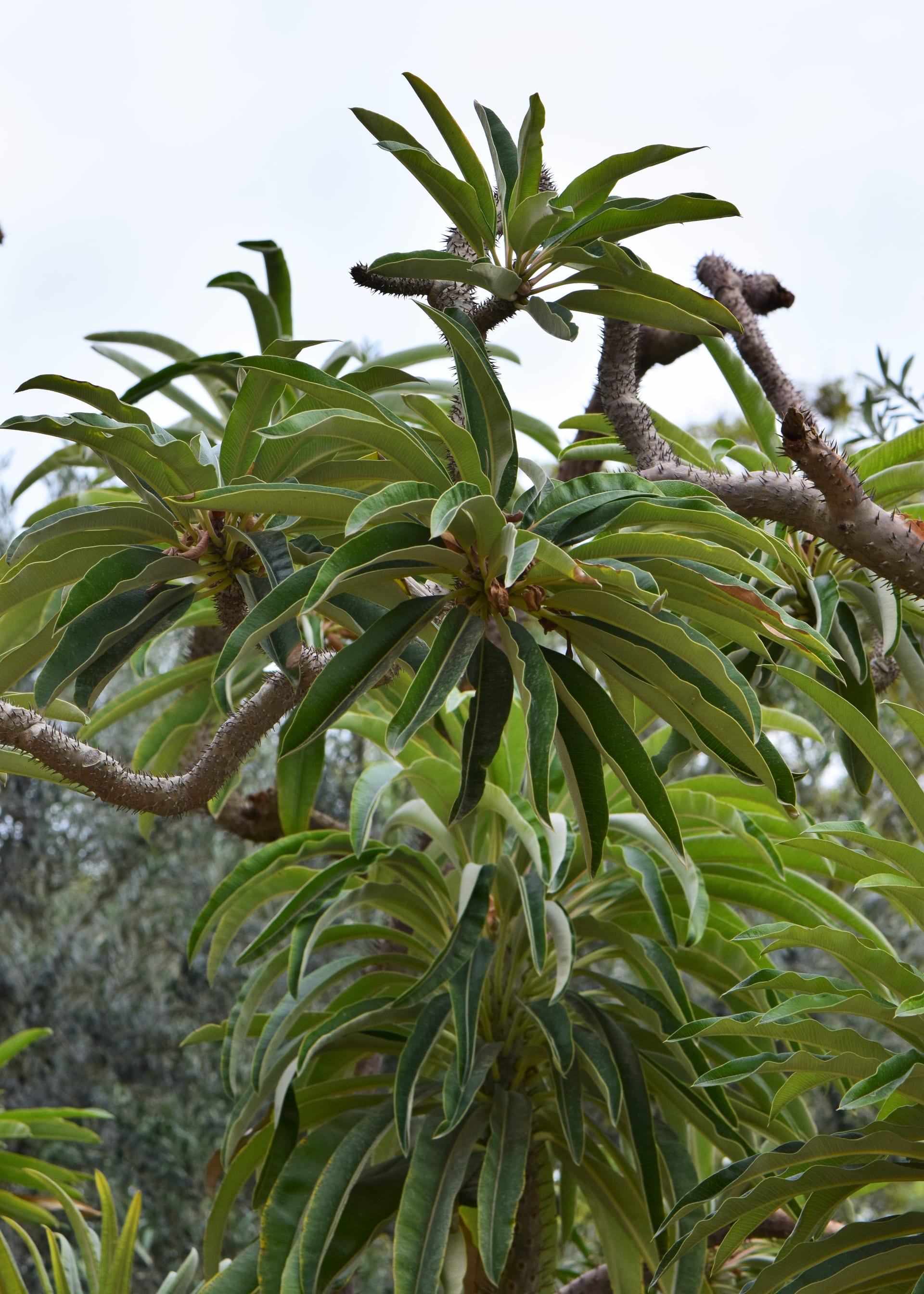
Known in Japan as Aasoukai. A south-western Madagascan Pachypodium with a thick, spiny, silver-grey trunk rising like a column and a crown of long, narrow leaves with a bright pink midrib. One of the largest species in the genus.
 © Stan Shebs / CC BY-SA 3.0
Pachypodium Succulentum
Pachypodium succulentum
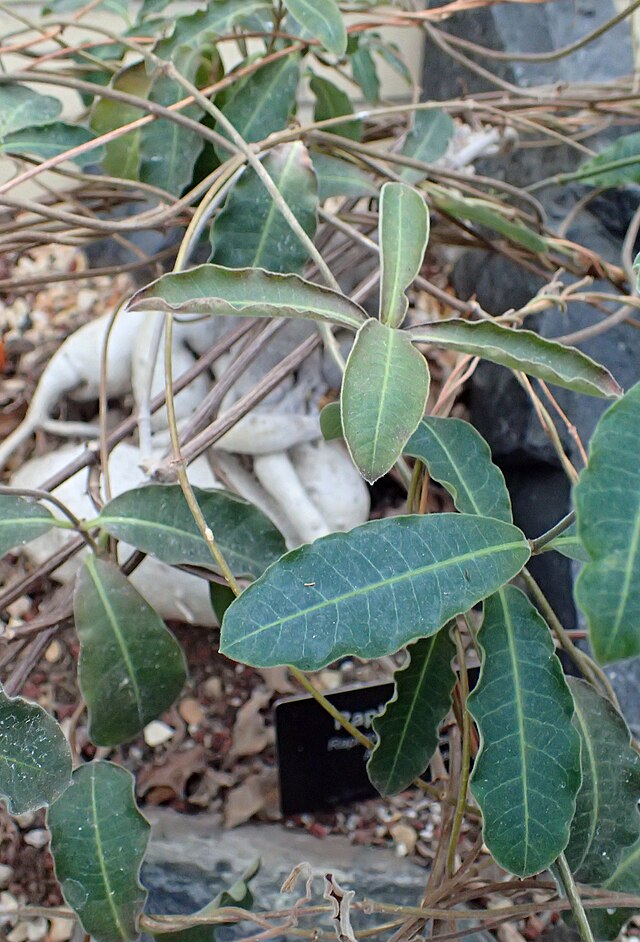
A hardy South African Pachypodium with pink flowers and large underground caudex.
 © Krzysztof Ziarnek, Kenraiz / CC BY-SA 4.0
Queensland bottle tree
Brachychiton rupestris
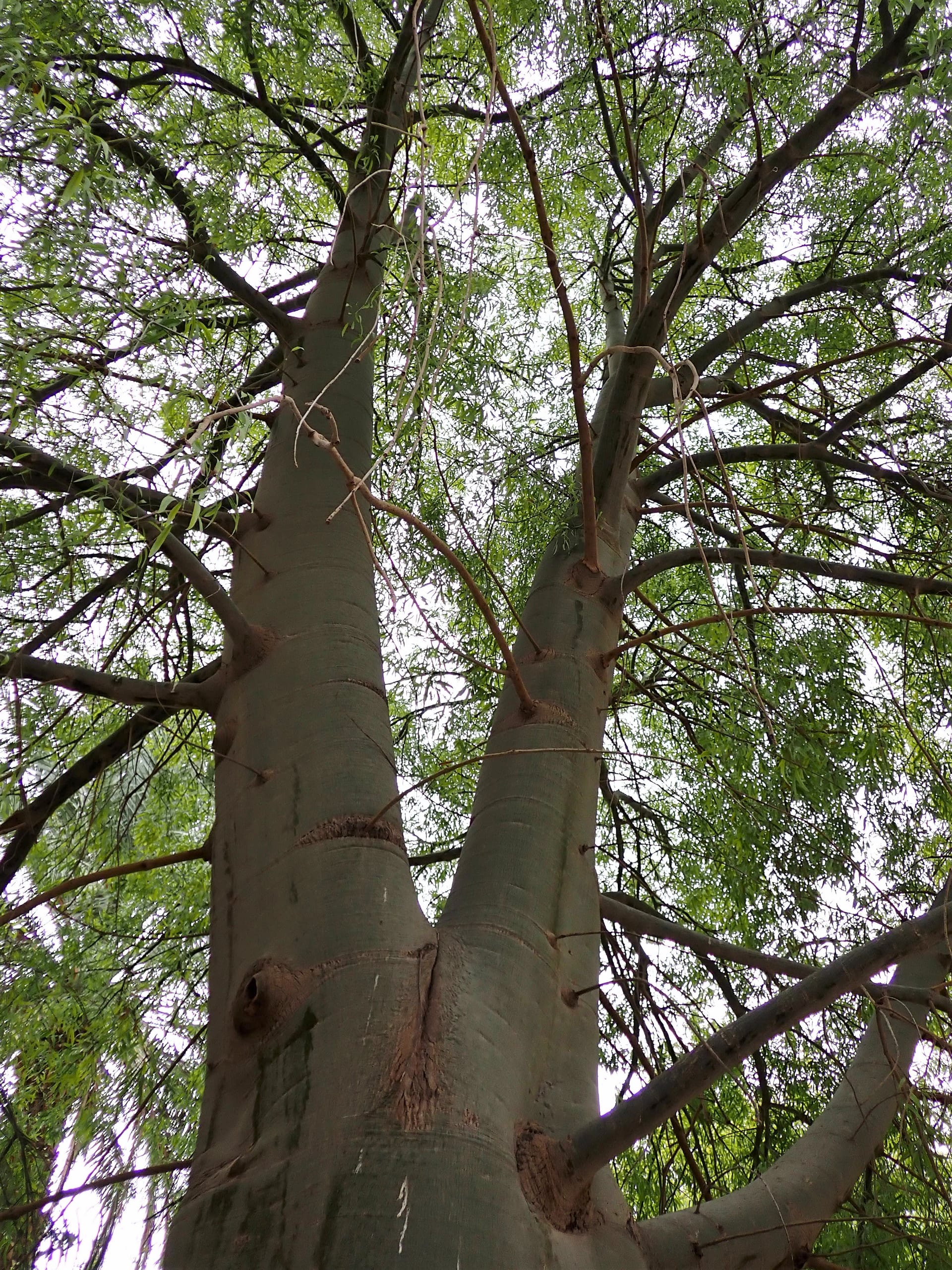
The Queensland bottle tree, endemic to Queensland, Australia, with a swollen bottle-shaped trunk and narrow leaves. Juvenile leaves are deeply divided and look quite different from the narrow adult leaves.
 © Krzysztof Ziarnek, Kenraiz / CC BY-SA 4.0
Raphionacme Flanaganii
Raphionacme flanaganii
A South African milkweed-family caudex with gray round tuber producing vines, hardy for beginners.
 © Daderot / CC0
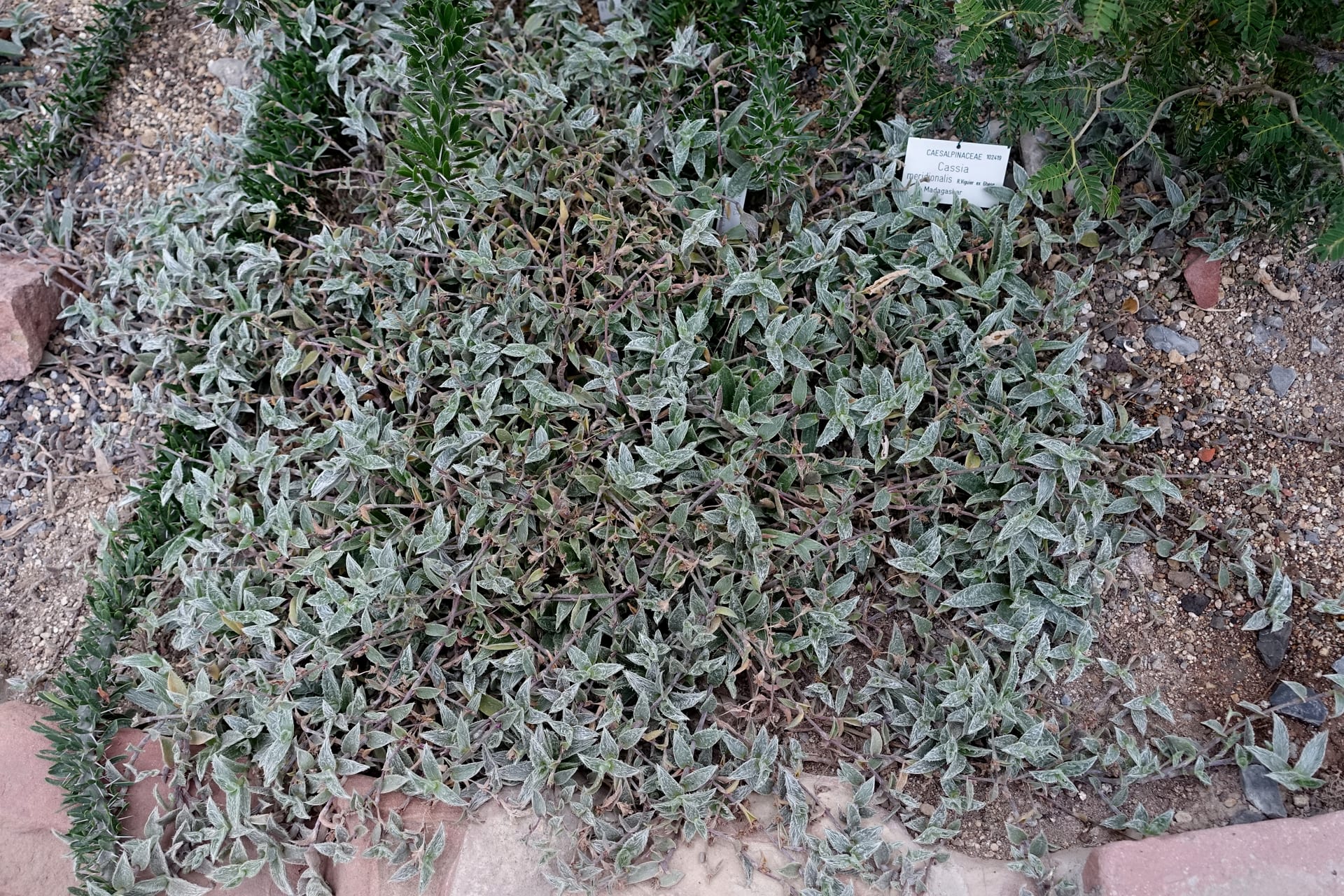
Senna meridionalis
Senna meridionalis
A caudiciform legume from south-western Madagascar with thick zigzag branches and small pinnate leaves. Even small plants have a swollen base and look like a miniature old tree; the flowers are bright yellow.
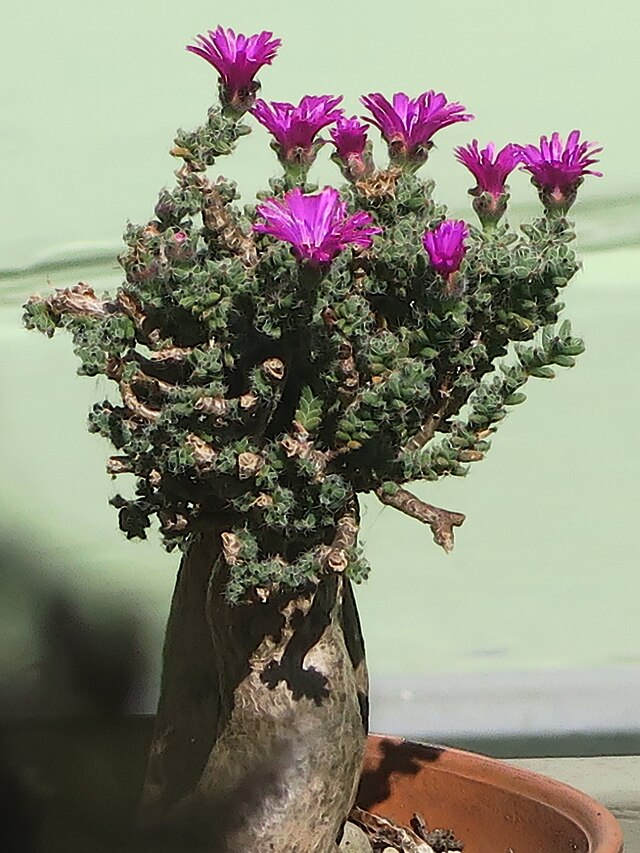 © John Rusk from Berkeley, CA, United States of America / CC BY 2.0
Trichodiadema Bulbosum
Trichodiadema bulbosum
A small mesemb caudex with bonsai-like form and cute pink flowers, easy from seed.
Related Content
Caudex Plant FAQ
- How much do caudex plants cost?
- Pachypodium gracilius seedlings cost 2,000-10,000 yen, wild-collected specimens 30,000-200,000+ yen, and Operculicarya pachypus can reach hundreds of thousands of yen.
- Can beginners grow caudex plants?
- Adenium (Desert Rose) and Pachypodium seedlings are relatively easy and beginner-friendly. Just be careful with watering during winter dormancy, and you can enjoy them for years.
- How long do caudex plants live?
- Some specimens live for hundreds of years in the wild. In cultivation, they can thrive for decades with proper care. Watching the caudex thicken year by year is the greatest appeal.
- What should I check when buying caudex plants?
- Whether it's rooted is the most important point. Wild-collected imports are often unrooted and require root establishment. Beginners should start with rooted domestically grown seedlings.
- How do caudex plants overwinter?
- Many caudex plants go dormant in winter. Reduce watering from October, and withhold water completely from December to February. Keep indoors in a sunny spot at minimum 10°C.