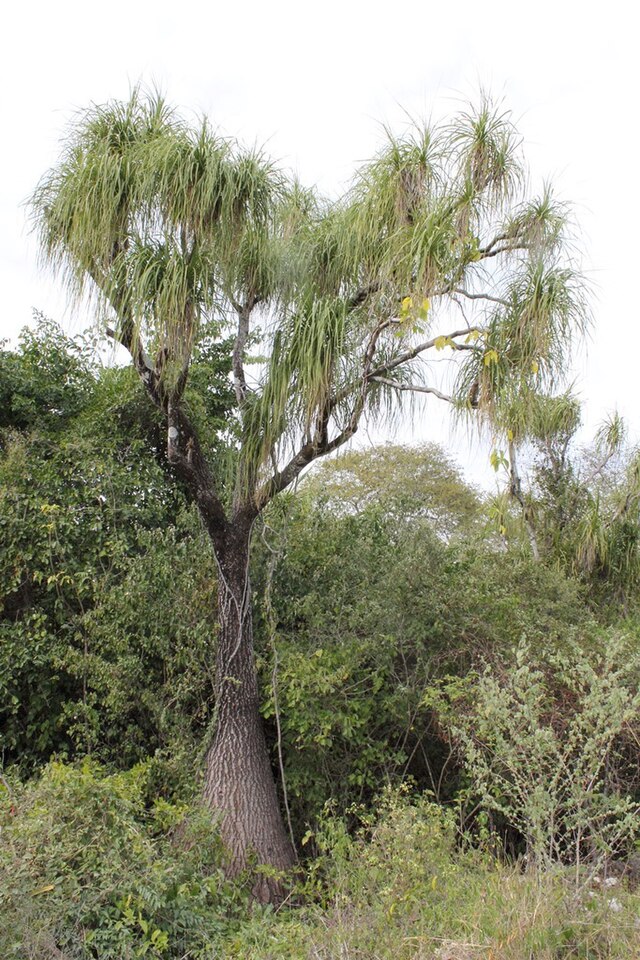
Source: Wikimedia Commons
Beaucarnea Recurvata
BeginnerBeaucarnea recurvata
Known as Ponytail Palm, with a swollen trunk base and cascading leaves.
Overview
Beaucarnea recurvata, the Ponytail Palm or Bottle Palm, is native to dry regions of Tamaulipas and Veracruz states in Mexico. It is one of the most widely cultivated caudex plants worldwide, recognizable by its dramatically swollen, bottle-like stem base that stores large water reserves, topped by a cascade of long, slender, curling leaves. Despite its common names, it is neither a palm nor a cycad. Growth is slow but the plant is among the most forgiving of the caudex world, tolerating indoor cultivation and intermittent neglect. It prefers full sun but adapts to bright indoor conditions. Well-draining soil and moderate watering during the growing season with reduced irrigation in winter suit it well. It is widely available as a houseplant and serves as many people's first caudex experience.
Lifespan of the Beaucarnea Recurvata
The Beaucarnea Recurvata lives 50+ years.
Size of the Beaucarnea Recurvata
The Beaucarnea Recurvata grows to 30-200cm.
Temperature & humidity for the Beaucarnea Recurvata
Cold tolerance is relatively good for a caudex plant, briefly withstanding temperatures near 5°C.
Basic Info
Origin
Tamaulipas and Veracruz, Mexico
Lifespan
50+ years
Size
30-200cm
Temperature
5〜35℃
Growing Tips
Light & Placement
It prefers full sun but also grows in a bright room. Indoors, place it by a window or wherever it gets the most light.
Watering
It stores water in its swollen base, so it tolerates drought well. From spring to autumn, water moderately after the soil dries; reduce watering in winter.
Temperature & Overwintering
Relatively cold-hardy for a caudex plant, tolerating around 5°C for short periods. In winter, water less and keep it in a bright room.
Soil & Repotting
Use a well-draining mix. Growth is slow, so repotting every few years is enough, ideally during the growing season.
Pests & Cautions
Tough and beginner-friendly, but soggy soil can damage the swollen base. Never leave water in the saucer and keep it on the dry side.
Beaucarnea Recurvata FAQ
QWhat is the growing difficulty level for Beaucarnea Recurvata?
Beginner. A variety suitable for beginners. No special equipment or experience is required—you can grow it without problems by setting up a basic cultivation environment.
QWhat is the lifespan of Beaucarnea Recurvata?
The average lifespan of Beaucarnea Recurvata is 50+ years. With proper cultivation environment and nutrient management, you can keep it healthy for a long time.
QHow large does Beaucarnea Recurvata get?
The mature size of Beaucarnea Recurvata is 30-200cm. This may vary slightly depending on cultivation environment and individual differences.
QWhat is the typical price for Beaucarnea Recurvata?
The price of Beaucarnea Recurvata varies significantly by variety, characteristics, size, and lineage. Please check GrowerDirect's price guide for the latest market information.
Last updated: July 5, 2026
Growing Specifications
- USDA Zone
- 10–11
Sources: Missouri Botanical Garden Plant Finder: Beaucarnea recurvata
References & Sources
Edited & verified by: GrowerDirect Editorial Team
The classifications, regulations, and growing data on this page are created and verified based on the primary information database below.
Taxonomy & Authority
Accepted name: Beaucarnea recurvata (K.Koch & Fintelm.) Lem.
Synonyms: Dasylirion recurvatum (K.Koch & Fintelm.) J.F.Macbr., Pincenectia linifolia K.Koch & Fintelm., Beaucarnea inermis (S.Watson) Rose, Pincenectia recurvata K.Koch & Fintelm., Pincenectia tuberculata K.Koch & Fintelm., Nolina recurvata (K.Koch & Fintelm.) Hemsl., Beaucarnea tuberculata (Lem.) Hurst, Dasylirion inerme S.Watson
Authority databases: GBIF · POWO
Nomenclature follows global taxonomic authority databases.
Regulations & Conservation Status
Beaucarnea spp. (genus-level listing, listed at CoP17/2017) is CITES Appendix II.
Sources: CITES Appendix II species list / CITES Appendices (valid from 2023)
Regulations may change. Always verify the latest information with the relevant authorities.
Related Species
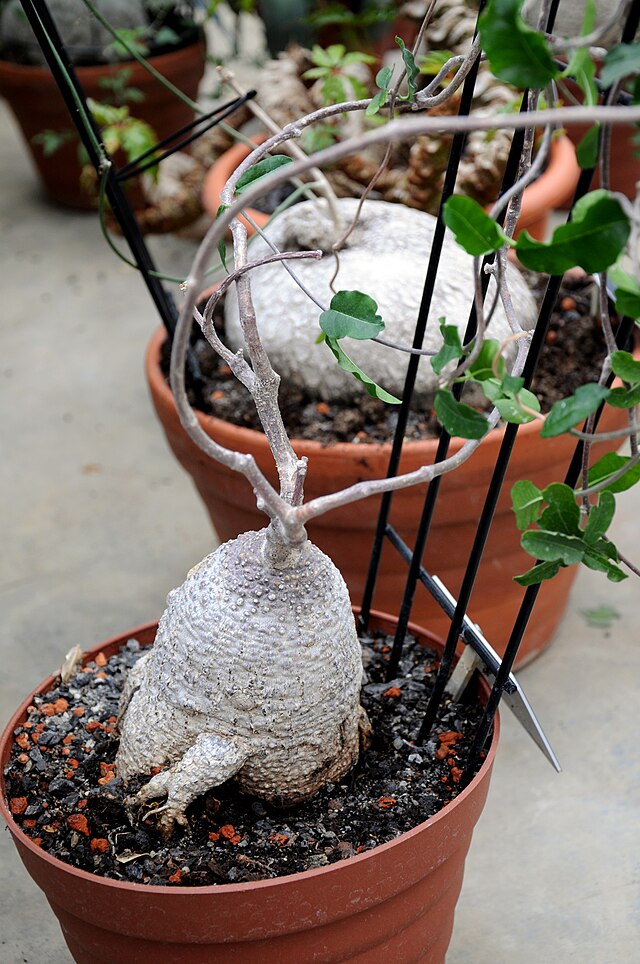
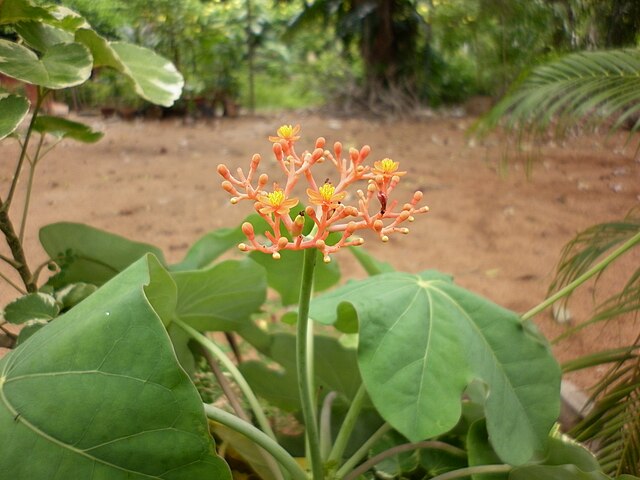
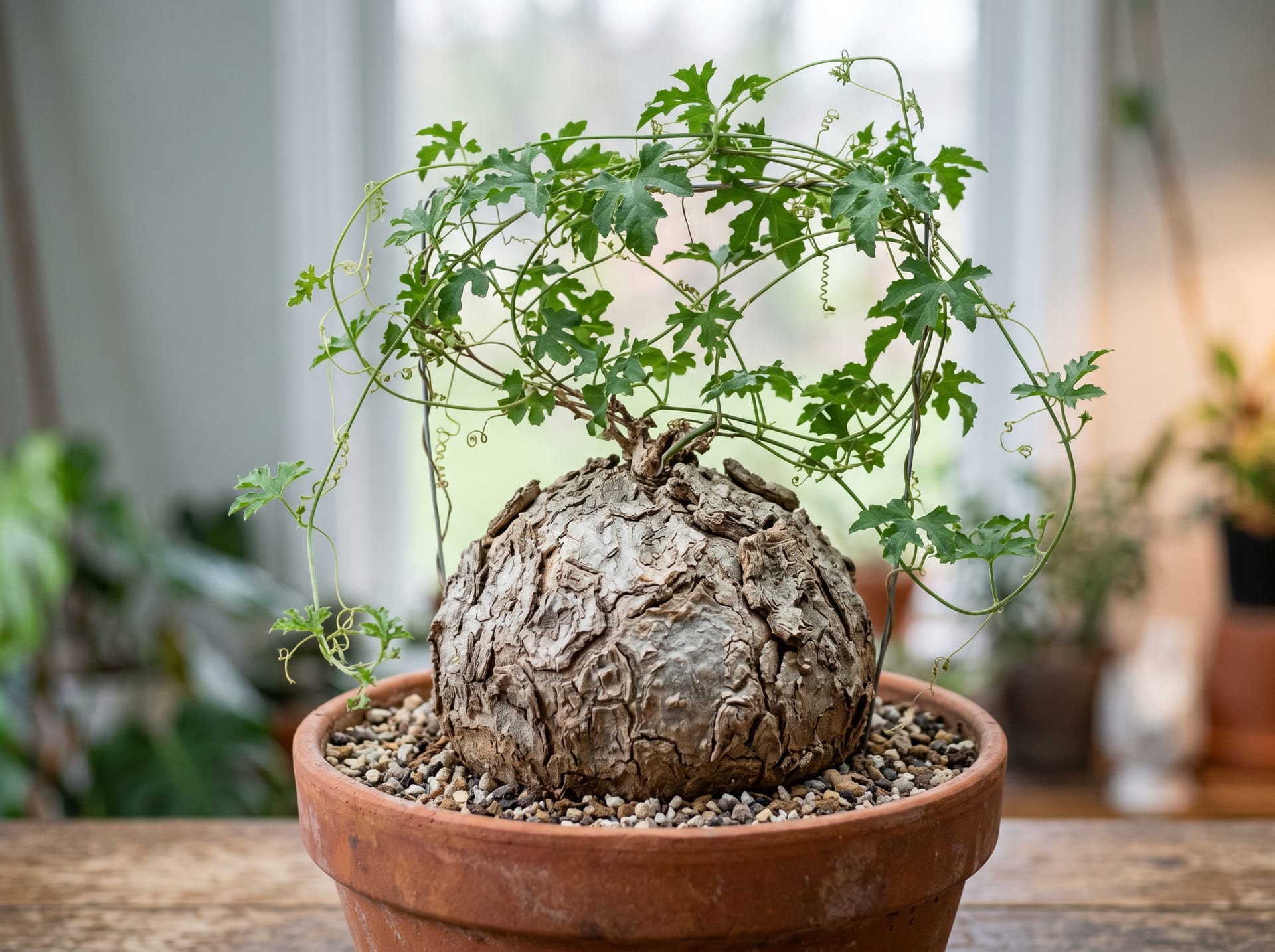
Find listings for this species
Related Articles
How to Grow Uncarina | Differences Between the Madagascar Endemic Species Grandidieri and Roeoesliana
An explanation of the appeal and cultivation methods of the Madagascar endemic caudex plant Uncarina genus. We introduce the differences between Uncarina grandidieri and roeoesliana, seedling cultivation, and repotting timing.
Complete Guide to Choosing Caudex Plants as Gifts | Recommended Varieties by Occasion and How to Include Care Notes
A guide to choosing caudex plants as gifts organized by occasion. We introduce how to select varieties based on the recipient's cultivation experience and how to include care notes for long-term enjoyment.
Diagnosing and Treating Poor Root Development in Caudex Plants | Causes and Solutions for Roots That Won't Emerge or Won't Grow
A detailed guide to root emergence problems in caudex plants. From diagnosis methods to solutions, practical techniques for promoting healthy root development are introduced.
Complete Guide to Growing Jatropha podagrica (Buddha's Navel) | Cultivation Management to Enjoy Its Distinctive Caudex and Coral-Red Flowers
Characteristics and cultivation methods of the caudex plant Jatropha podagrica. Detailed explanation of watering management during dormancy, soil, and propagation methods.
🩺 Common diseases
Can't find the plant you're looking for?
Post your wishes for free and growers with matching plants will contact you with introductions.