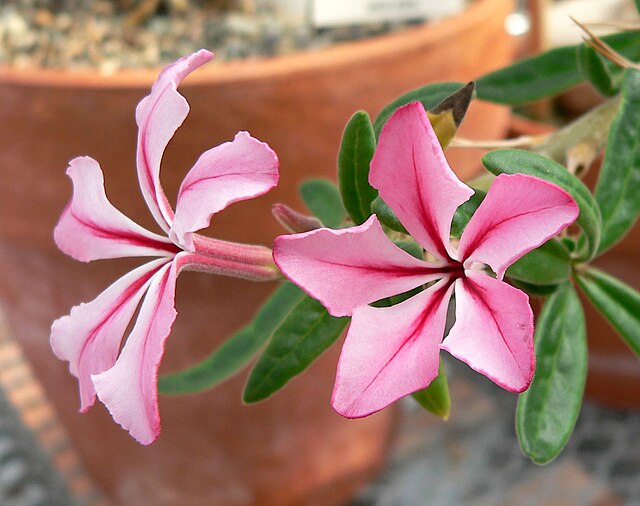
Source: Wikimedia Commons
Pachypodium Succulentum
BeginnerPachypodium succulentum
A hardy South African Pachypodium with pink flowers and large underground caudex.
About
Pachypodium succulentum grows on dry, rocky terrain in the Karoo and Eastern Cape of South Africa. The majority of the caudex develops underground, with only branches visible above soil—an unusual growth habit that produces dramatically large subterranean storage organs over time. Pink flowers are charming and freely produced. As a South African species, it is considerably more cold-hardy than its Malagasy counterparts, making cultivation somewhat more manageable. Full sun and extremely porous soil are essential. Moderate watering during growth and complete winter drought are appropriate. Brief exposure to near-freezing temperatures is tolerated. The subterranean caudex development is a unique point of interest and the species serves as an accessible introduction to South African Pachypodium.
Lifespan of the Pachypodium Succulentum
The Pachypodium Succulentum lives 20+ years.
Size of the Pachypodium Succulentum
The Pachypodium Succulentum grows to 20-40cm.
Basic Info
Origin
Karoo and Eastern Cape, South Africa
Lifespan
20+ years
Size
20-40cm
Temperature
0〜35℃
Growing Tips
Light & Placement
Prefers full sun. Most of the caudex sits underground, so use a deeper pot and place it in a sunny spot.
Watering
In the growing season, water moderately after the soil dries. Keep it on the dry side so the underground caudex does not rot.
Temperature & Overwintering
Being from South Africa, it is relatively cold-hardy and can briefly tolerate temperatures around 0°C. Withhold water in winter and avoid freezing.
Soil & Repotting
An ultra-fast-draining mix is the rule. Raising the caudex a little at each repotting lets you display the part that swelled underground.
Pests & Cautions
A tough, easy species, but watering during the winter dry period makes the caudex prone to rot. Keep it completely dry while dormant.
Pachypodium Succulentum FAQ
QWhat is the growing difficulty level for Pachypodium Succulentum?
Beginner. A variety suitable for beginners. No special equipment or experience is required—you can grow it without problems by setting up a basic cultivation environment.
QWhat is the lifespan of Pachypodium Succulentum?
The average lifespan of Pachypodium Succulentum is 20+ years. With proper cultivation environment and nutrient management, you can keep it healthy for a long time.
QHow large does Pachypodium Succulentum get?
The mature size of Pachypodium Succulentum is 20-40cm. This may vary slightly depending on cultivation environment and individual differences.
QWhat is the typical price for Pachypodium Succulentum?
The price of Pachypodium Succulentum varies significantly by variety, characteristics, size, and lineage. Please check GrowerDirect's price guide for the latest market information.
Last updated: July 5, 2026
References & Sources
Edited & verified by: GrowerDirect Editorial Team
The classifications, regulations, and growing data on this page are created and verified based on the primary information database below.
Taxonomy & Authority
Accepted name: Pachypodium succulentum (L.f.) Sweet
Synonyms: Echites tuberosus Haw. ex Steud., Pachypodium tuberosum var. loddigesii A.DC., Belonites succulentus (L.f.) E.Mey., Echites succulentus L.f., Pachypodium jasminiflorum L.Bolus, Pachypodium griquense L.Bolus, Pachypodium tomentosum G.Don, Barleria rigida Spreng. ex Schltdl., Pachypodium tuberosum Lindl.
Authority databases: GBIF · POWO
Nomenclature follows global taxonomic authority databases.
Regulations & Conservation Status
Pachypodium spp. (at genus level) listed in CITES Appendix II.
Sources: CITES Appendix II species list / CITES Appendices (valid from 2023)
Regulations may change. Always verify the latest information with the relevant authorities.
Related Species
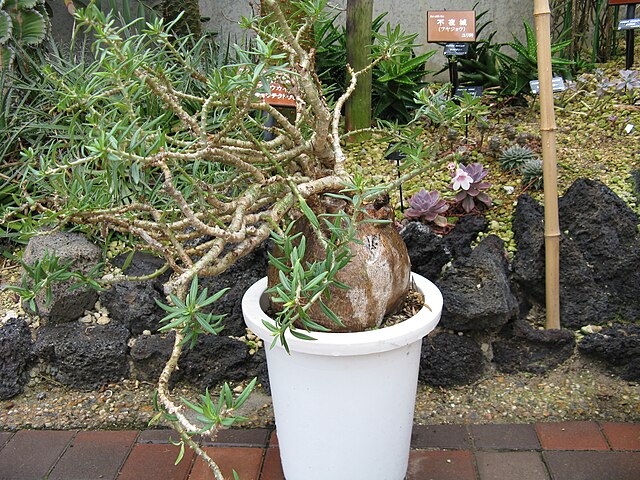
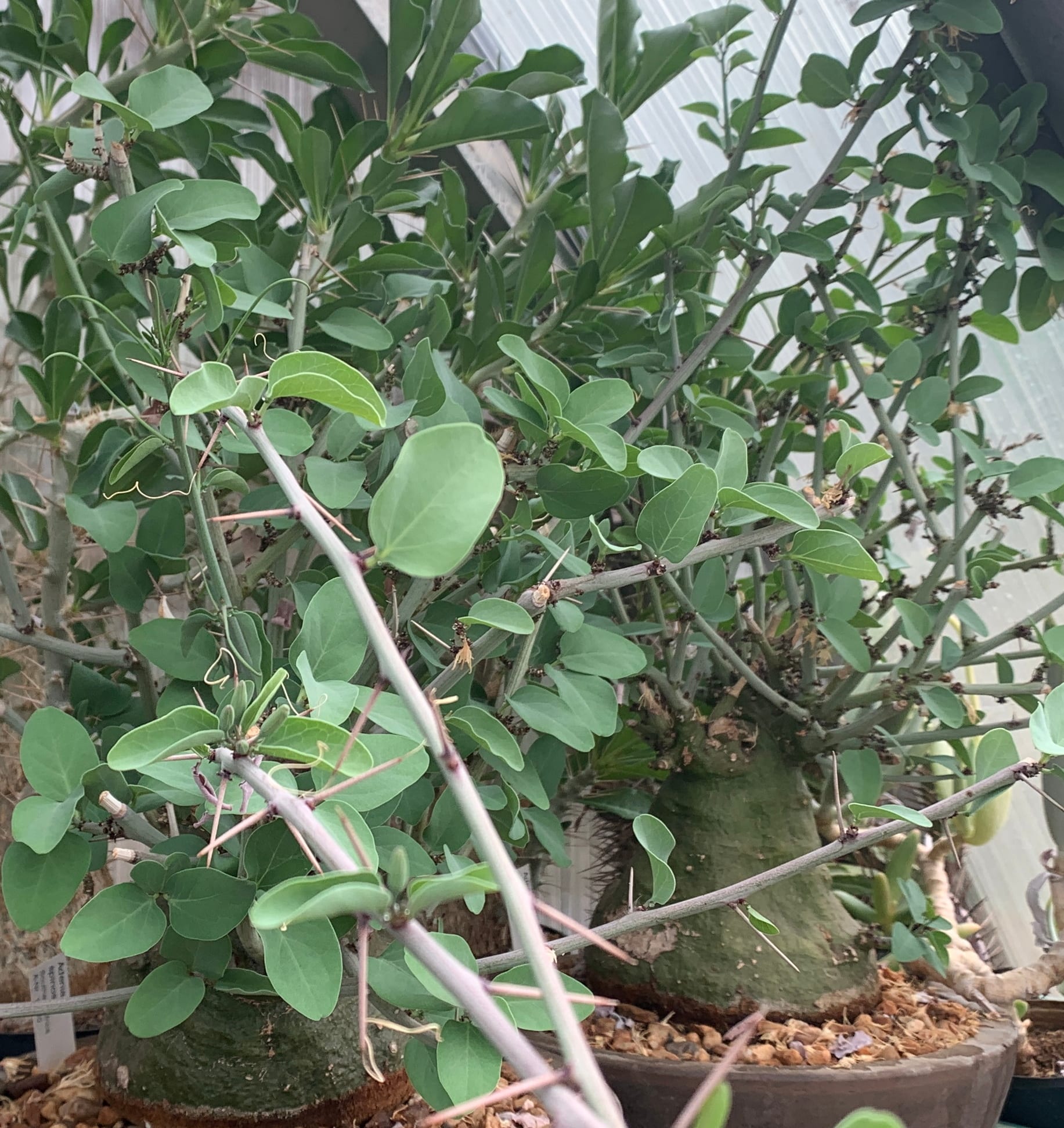
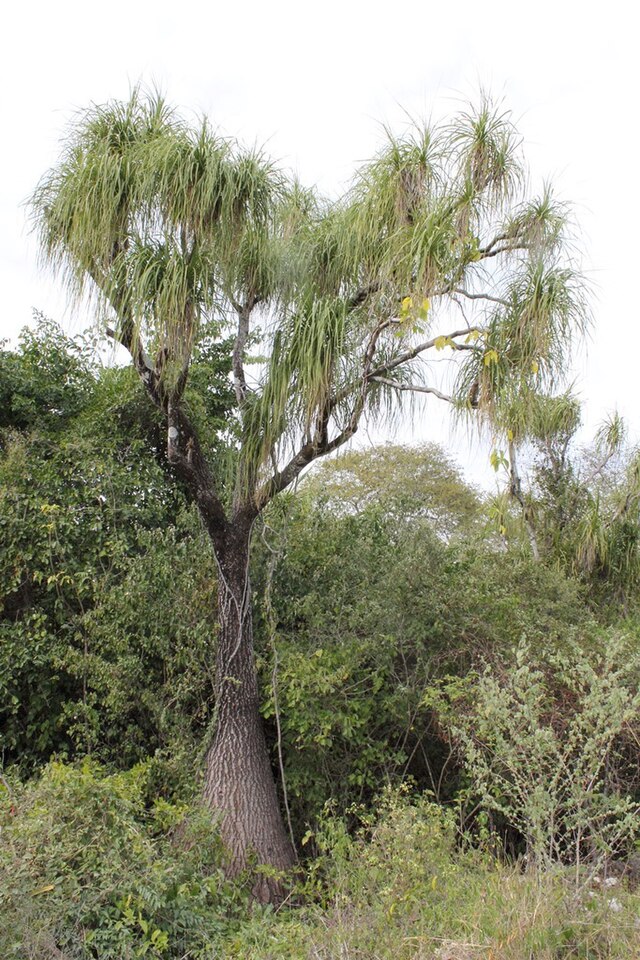
Find listings for this species
Related Articles
Pachypodium gracillis Care Guide | Growing Thick Caudex from Seed
A practical guide to caring for Pachypodium gracillis, a popular caudex plant. Covers seed propagation and cultivation, choosing the right soil and pots, summer growing season and winter dormancy management, and secrets to watering and fertilization for developing thick caudexes.
Pachypodium Species Guide | Characteristics and Differences of Gracilis, Brevicaule, and Baronii
A detailed introduction to the most popular Pachypodium species. This guide explains the characteristics and differences of Gracilis, Brevicaule, Baronii, Lamerei, and Horombense, along with cultivation tips for each.
Pachypodium Seed Propagation Guide | From Sowing to Germination and Growth
This guide explains how to grow Pachypodium from seed. We cover everything from sourcing seeds and sowing to managing germination, caring for seedlings, and the unique joys of seed propagation.
Rooting and Initial Care of Pachypodium Gracilius
Methods for encouraging root development in imported bare-root Pachypodium gracilis. Explains the preparation of pots, soil media, and temperature conditions; watering practices during rooting (maintaining primarily dry conditions); how to confirm successful rooting and interpret key indicators; initial post-rooting care; and seasonal management guidelines.
🩺 Common diseases
Can't find the plant you're looking for?
Post your wishes for free and growers with matching plants will contact you with introductions.