Caudex Seedling Germination and Early Growth|Environmental Conditions from Seed to Germination, Germination Rate, and Initial Root Formation
This guide explains the temperature, humidity, and light conditions necessary for caudex seedling germination, methods for managing germination rates, and detailed instructions for initial root formation through seedling care.
Key Takeaways
This guide explains the temperature, humidity, and light conditions necessary for caudex seedling germination, methods for managing germination rates, and detailed instructions for initial root formation through seedling care.
Related Species
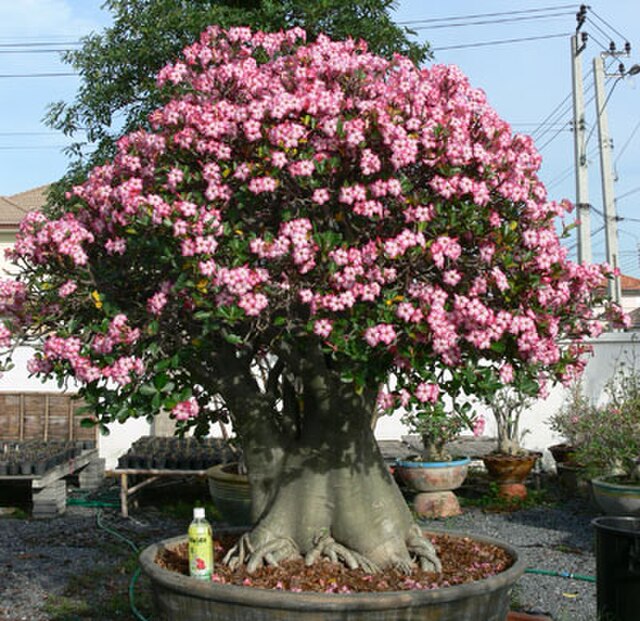
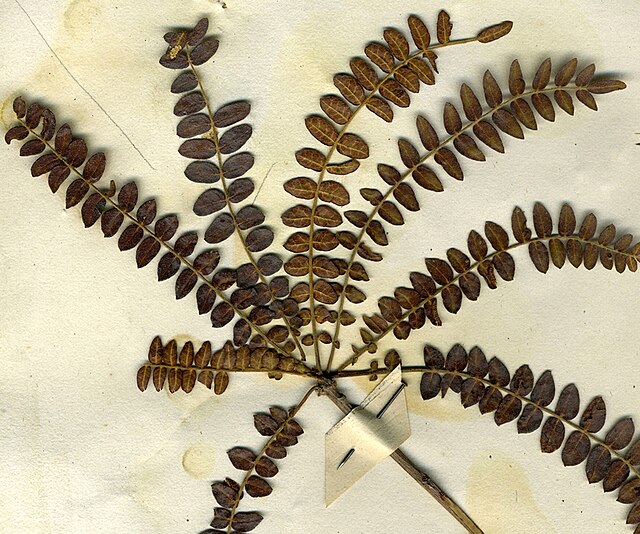
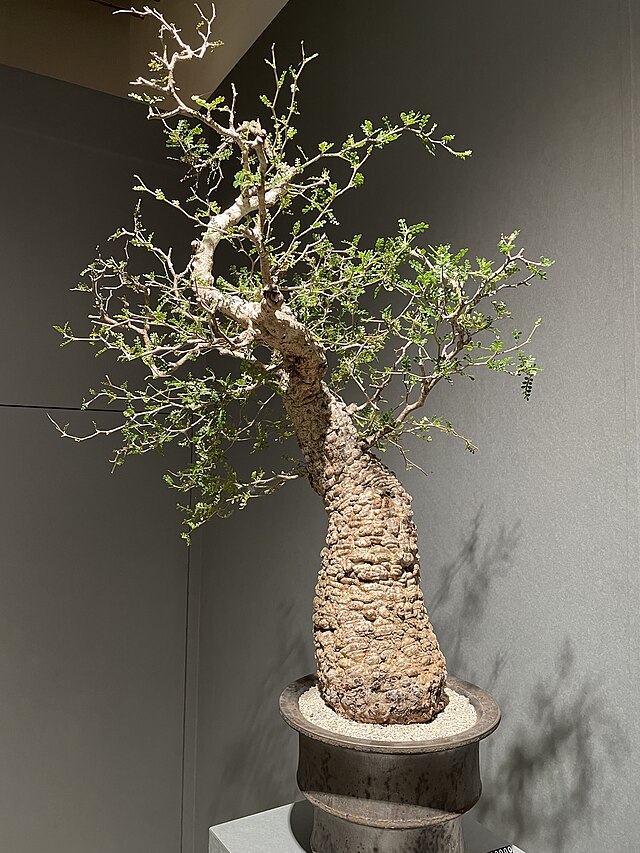
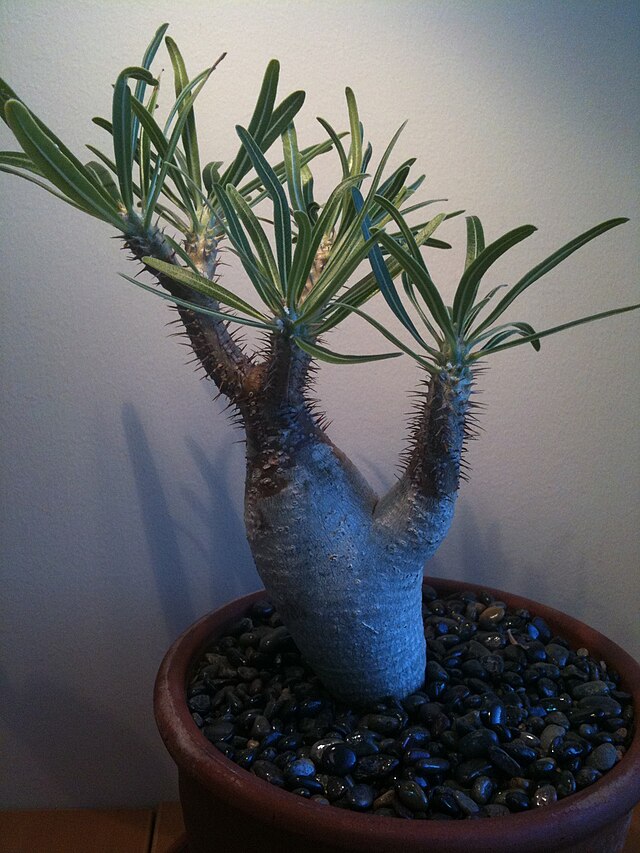
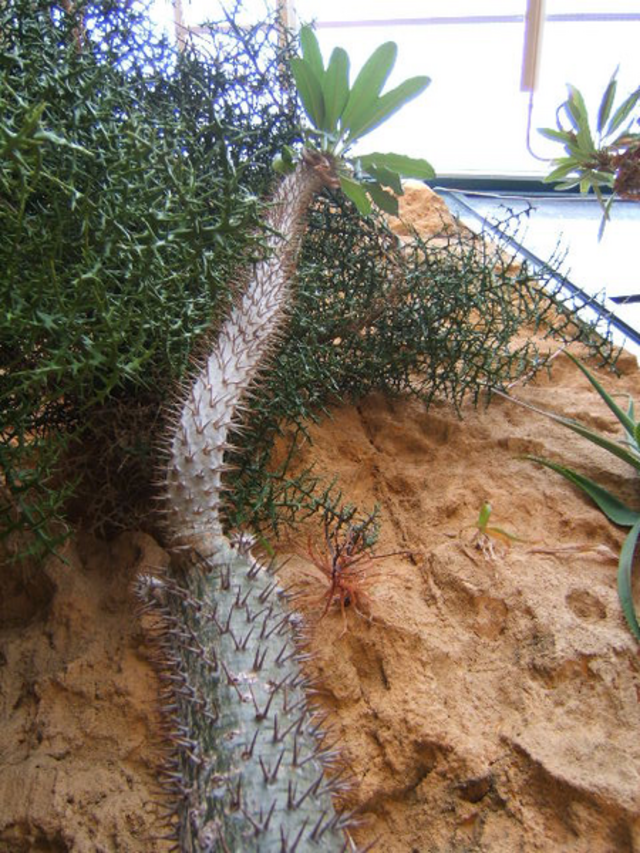
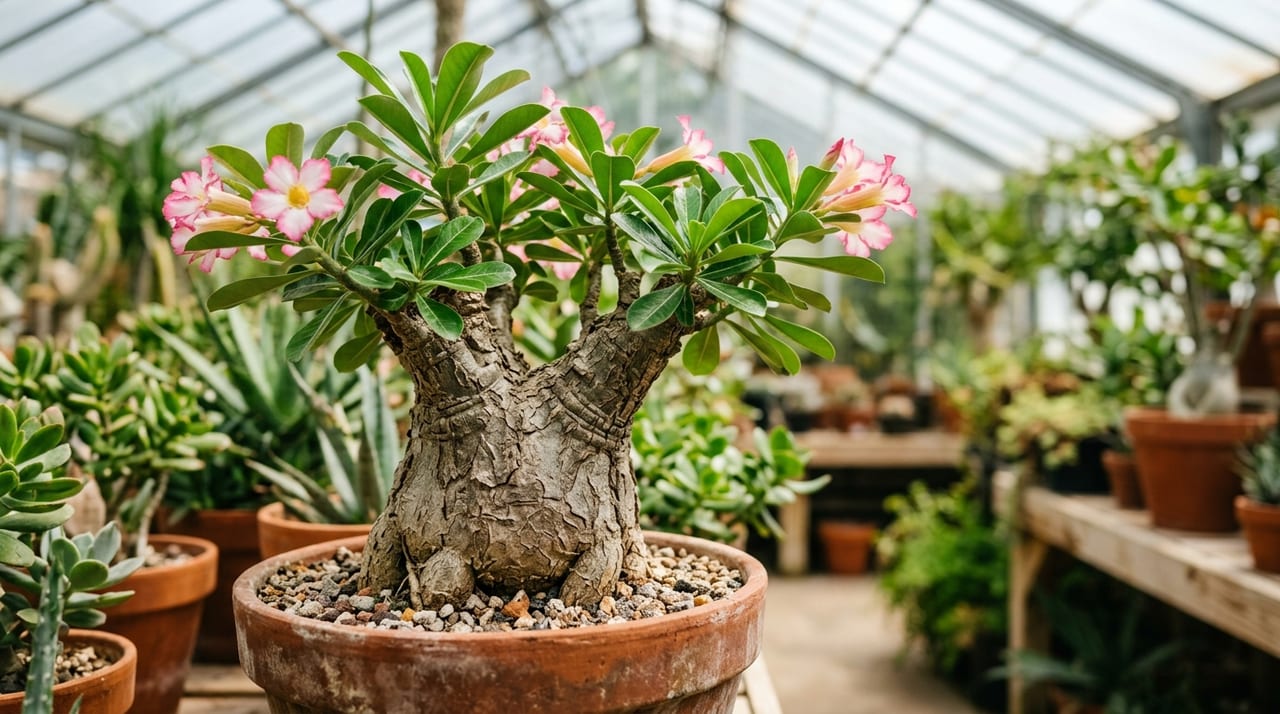
Growing caudex from seed involves germinating seeds yourself and nurturing the initial roots and stems from that starting point. Unlike commercially propagated rooted plants or imported bare-root stock, the appeal of seed propagation lies in witnessing growth from the very moment of germination. However, managing germination rates and maintaining initial roots requires proper environmental setup. This article provides detailed guidance on seed germination for caudex in general—including Pachypodium gracilis, Adenium arabicum, Operculicarya pachypus, Boswellia neglecta, and others—covering how to establish ideal germination conditions, tips for improving germination rates, and methods for nurturing initial roots and stems after germination.
Setting Up Environmental Conditions for Proper Germination
Caudex seeds require three conditions simultaneously to germinate: "temperature," "humidity," and "light."
Temperature: The optimal germination temperature for summer-type caudex such as Pachypodium and Adenium is 25–35°C. Using a heat mat beneath the sowing container maintains consistent soil surface temperature. A thermostat-controlled heat mat is ideal, set to 28–30°C. When sowing during cool periods, maintain heat using a sealed propagation tray or plastic covering until germination occurs.
Humidity: Drying is the enemy during germination. Mist the soil surface with a spray bottle as it dries to maintain consistent moisture. However, waterlogged soil causes seed rot. Aim for "moist upper layer, dry lower layer"—the surface stays damp while the bottom remains dry.
Light: Exposing seedlings to direct sun immediately after germination causes the initial root to remain underdeveloped while the aerial parts grow excessively, leading to toppling. Manage seedlings in soft, indirect light (bright shade) for 1–2 weeks after sowing. Once roots have developed sufficiently, gradually increase light intensity.
Seed Treatment and Sowing Procedure
Germination rates for caudex seeds vary by variety. Appropriate pretreatment before sowing significantly improves germination rates.
- Sterilization: Soak seeds in a diluted solution of Benlate (benomyl suspension) or wood vinegar for 30 minutes to 1 hour to remove mold and pathogens. Discard the solution after use and wash the container thoroughly.
- Soil Selection: Seed-starting soil must balance water retention with drainage. Mix river sand and peat moss in roughly 1:1 ratio, or use commercially available seed-starting soil for succulents. Adding 2–3% perlite further improves drainage. Sterilize the soil before sowing by pouring boiling water over it or heating it in a microwave.
- Sowing Depth: Press seeds lightly into the soil or cover with soil to a depth roughly equal to seed thickness. Planting too deep exhausts reserves before the shoot reaches the surface, reducing germination rates.
Managing and Recording Germination Rates
Tracking germination progression from sowing onward helps plan future propagation.
Pachypodium gracilis germinates within 3–7 days under proper conditions, with most seeds sprouted by 10–14 days. Germination rates are 70–90% for fresh seed (less than one year old) but drop to 20–50% for older seed (two years or more). Adenium species germinate quickly, beginning within 3–5 days, though they require a heat mat as they prefer higher temperatures.
Record germination daily. Counting in three stages—"ungerminated, radicle emerged, cotyledons unfolded"—makes progress tracking easier. If germination is uneven, raise temperature by 1–2°C or increase humidity by strengthening the seal.
Initial Root Formation and Management
Seedling roots are extremely fine and delicate immediately after germination. Damaging roots at this stage causes significant growth delay and requires careful attention.
Confirming Root Establishment: When the hypocotyl extends from the soil and cotyledons begin to unfold, initial roots are forming. Do not move the container or pull seedlings from soil at this stage. Roots are established when cotyledons fully expand and the seedling stands independently and firmly.
Switching Watering Methods: Before establishment, maintain soil using bottom watering (capillary watering) or misting. After establishment, transition to light overhead watering. Delaying this switch slows root development; switching too early invites rot. Observe cotyledon size and firmness to judge timing.
Caudex Rudiment Formation: Pachypodium hypocotyls begin to thicken 2–3 weeks after germination, forming small caudex rudiments. Encouraging caudex enlargement requires sufficient light (transition to direct exposure) and appropriate drying cycles. Allowing thorough drying between waterings promotes nutrient and water accumulation in the developing caudex.
Thinning and Transplanting Seedlings
When seedlings become crowded in the sowing container, thinning or transplanting is necessary.
Judging When to Thin: If multiple seeds germinate close together, thin before roots intertwine (within 2–3 weeks of cotyledon expansion). Remove unwanted seedlings by cutting near the base without damaging remaining plants. Rather than discarding thinned seedlings, pot them individually and continue growing to improve overall yield.
Transplanting to Individual Pots: Transplanting is safest once initial roots reach 3–5 cm or longer. When transplanting, minimize root damage by scooping seedlings with soil intact and planting directly into new pots. Avoid direct sun for 2–3 days after transplanting to allow root recovery before resuming normal care.
Common Failures and Solutions
| Failure | Solution |
|---|---|
| Mold Growth | High-humidity germination environments favor mold. If mold appears 3–4 days after sowing, spray affected areas with a dilute Benlate solution. Promptly remove affected seeds with tweezers. For soil surface mold, thin the top layer, spray with fungicide, and reuse. |
| Damping-off | Inadequate light combined with excessive moisture causes hypocotyl to elongate excessively and collapse ("damping-off"). Prevention involves gradually increasing light after germination and removing the seal to ensure airflow once germination is complete. |
| Uneven Germination | Seed age and storage conditions cause germination timing to vary. When early-germinating and late-germinating seedlings coexist, management becomes difficult. For seeds not yet germinated after two weeks, increase temperature or apply temperature shock by wrapping in wet paper towels and transferring from refrigeration to room temperature. |
Success in caudex seed propagation depends on proper environmental setup and careful early management—germination rates and seedling quality improve dramatically with attention to detail. Advancing methodically through each stage without rushing provides the foundation for developing healthy caudex plants.