How to Enjoy Caudex Plants (Bizarre Plants) | Managing Caudex Foliage Plants such as Stephania and Elephant's Foot
Explains how to care for caudex foliage plants for indoor enjoyment (Stephania, Elephant's Foot, and others). Covers summer/winter dormancy cycles, proper watering rhythm, light requirements, and differences from typical caudex collections.
Key Takeaways
Explains how to care for caudex foliage plants for indoor enjoyment (Stephania, Elephant's Foot, and others). Covers summer/winter dormancy cycles, proper watering rhythm, light requirements, and differences from typical caudex collections.
Related Species
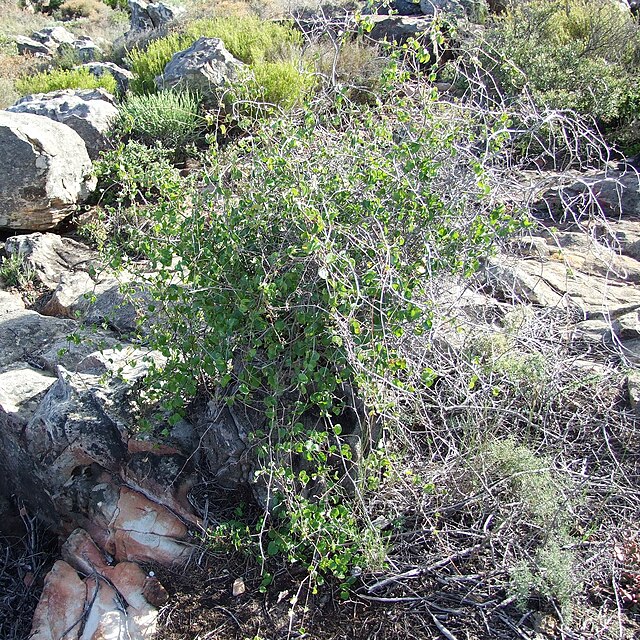
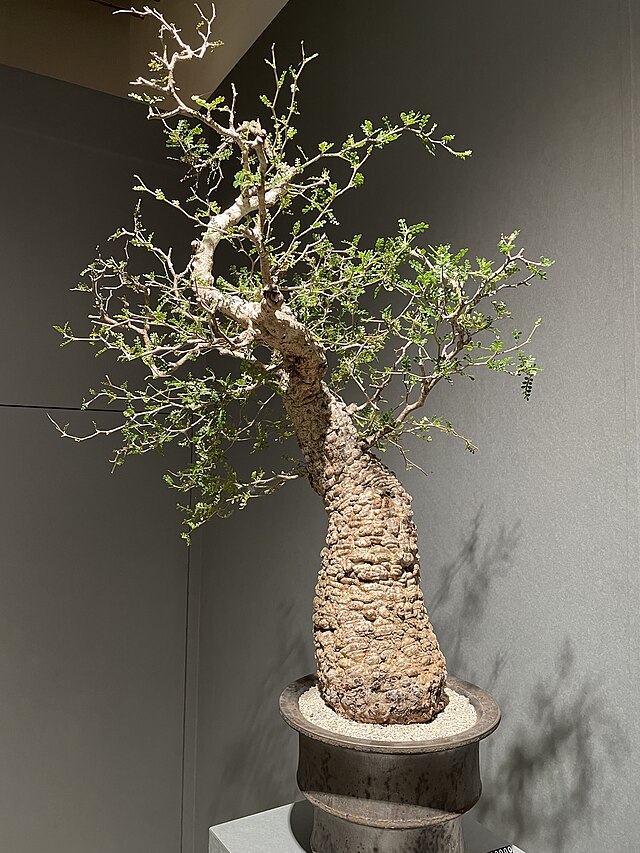
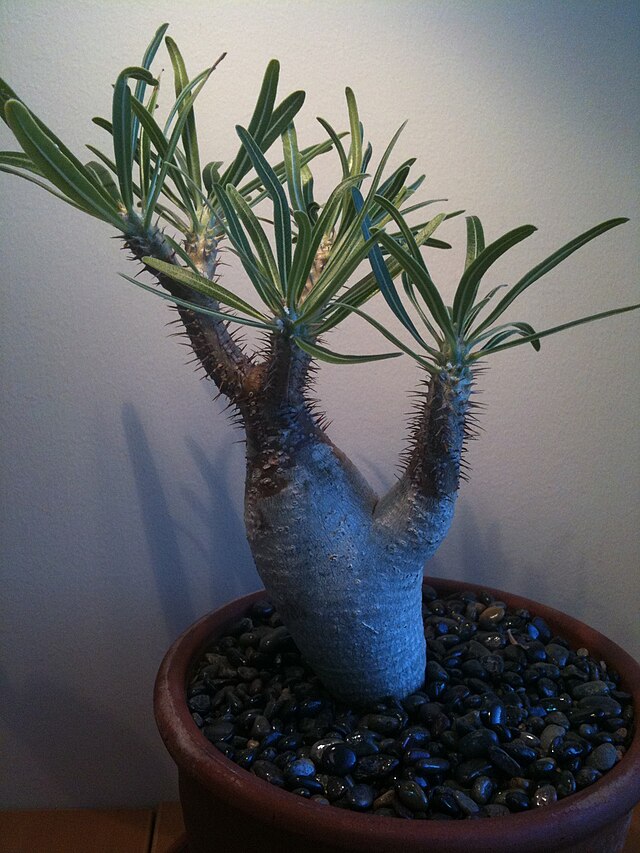
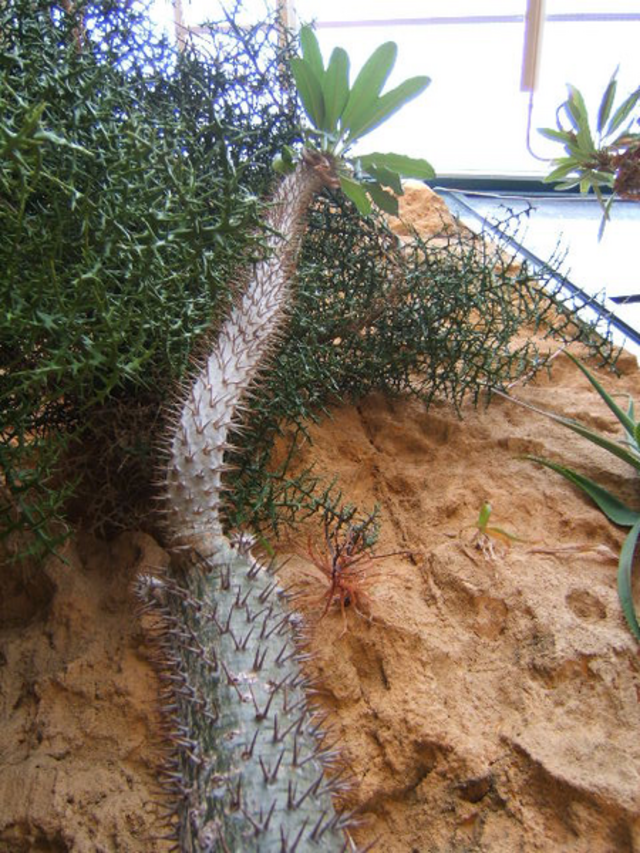
Caudex plants, known as "bizarre plants," are gaining attention as foliage plants for indoor enjoyment. Plants such as Stephania and Dioscorea (Elephant's Foot), with thin vines and leaves extending from large caudices, shine as sculptural objects in foliage décor. This article consolidates care methods for these plants from the perspective of indoor foliage enjoyment.
Popular Caudex Foliage Plants as Bizarre Plants
Here are the main caudex foliage plants enjoyed indoors.
- Stephania erecta: A vine-like plant native to Thailand and Laos, characterized by heart-shaped leaves and a beautiful spherical caudex. During the growing season, it rapidly extends fine vines, and in winter, it goes dormant and drops its leaves. It follows a summer-growing cycle. A popular cultivation method is to expose more than half the caudex above the soil to showcase it.
- Dioscorea elephantipes (Elephant's Foot): Native to South Africa, it produces delicate heart-shaped leaves from a large caudex whose surface is cracked like a tortoise shell. It follows a winter-growing cycle, dormant during Japan's summer (high-temperature season), and grows from autumn through spring.
- Sansevieria cylindrica, Masoniana, and others: While not technically caudices, they are sometimes treated as bizarre plants due to their squat, distinctive appearance.
Maintaining Caudex Shape Without Excessive Growth
While caudex collectors often focus on growing their plants as large as possible, when enjoying caudices as indoor foliage, maintaining a beautiful caudex shape is equally important.
- Maintaining shape through root restriction: Using a smaller pot (one where roots feel slightly constrained) suppresses excessive above-ground growth and keeps the caudex shape intact. Repotting into a larger pot can cause the above-ground portion to grow too vigorously, disrupting the balance as a foliage plant.
- Preventing leggy growth: Insufficient light indoors often causes stems to become elongated and leggy. Ensuring a bright location near a window or using LED grow lights as supplementary lighting will help maintain balanced foliage.
- Stakes and trellises: Vine-like plants such as Stephania can be trained with thin stakes or mini trellises to create a compact and attractive form.
Dormancy Cycles and Management (Summer vs. Winter Growth)
The most important aspect of long-term caudex foliage management is understanding the growth cycle. Improper dormancy care can cause the caudex to rot or result in severely stunted growth.
| Growth Type | Growing Season | Dormant Season | Dormancy Care | Notes |
|---|---|---|---|---|
| Summer-growing (Stephania, etc.) | Spring–autumn | Winter | Drops leaves and watering nearly stops (minimal water about once monthly or complete withholding) | Maintain in a location where temperature does not fall below 5°C. When temperatures rise in spring, new vines begin to emerge from the caudex |
| Winter-growing (Elephant's Foot, etc.) | Autumn–spring | Summer (complete dormancy in Japan's summer) | Drops leaves; withhold water or give minimal watering only | Be especially careful of high temperatures and excess moisture in summer. Plants naturally resume growth in autumn |
Placement and Light Requirements
Most caudex foliage plants prefer bright environments. In typical Japanese homes, light is often insufficient, so placing plants within 1 meter of a window is ideal.
Light through sheer curtains is generally fine except in midsummer, but winter indoor light is particularly low, so supplemental LED grow lights are effective.
Avoid placing plants in direct air conditioner drafts, as leaves dry easily. Conversely, locations with no air circulation are prone to mold and pest problems.
Proper Watering Rhythm
The key to watering caudex foliage plants is maintaining a clear rhythm.
- Growing season: When the soil surface dries, water thoroughly until water drains from the pot's base, then let it dry thoroughly before the next watering. Consistently wet soil causes root rot.
- Dormancy: Depending on the species, switch to withholding water or giving minimal water about once monthly. If the caudex begins to shrivel noticeably, provide a small amount of water, but excess moisture during dormancy is the greatest risk.
- Pot and soil selection: The best approach to prevent excess moisture is combining well-draining soil for succulents and caudices (primarily Kanuma soil, Akadama, and perlite) with unglazed terra-cotta or slotted pots.
Differences from Typical Caudex Collections
In horticultural and succulent communities, "caudex" often refers to desert caudices like Pachypodium gracilius and Operculicarya pachypus, which prefer intense light, high temperatures, and complete drought. In typical Japanese home interiors, these often lack sufficient light and are not suitable as indoor foliage for many species.
The Stephania and Elephant's Foot introduced in this article are easier to manage with relatively low light and enjoyable as indoor décor. Before purchase, confirm the growth type (summer or winter), minimum temperature requirements, and light intensity needs, then select a species suited to your living environment—this is key to long-term success. If you wish to attempt desert caudices requiring intense light, first confirm whether you can provide a bright south-facing window or greenhouse conditions before introducing them; this will reduce failures.