Source: Wikimedia Commons
Cyphostemma Juttae
IntermediateCyphostemma juttae
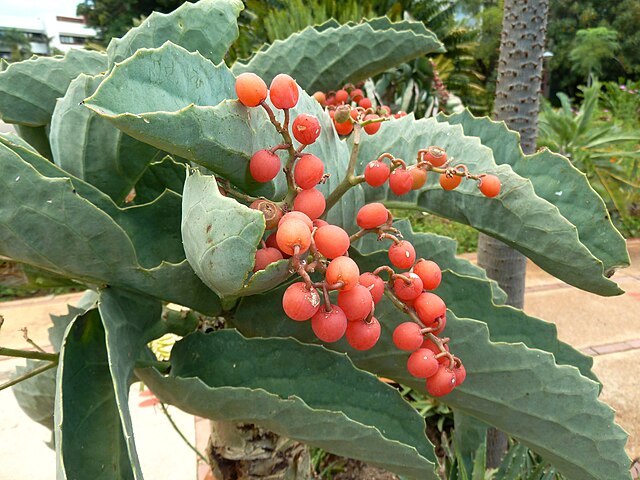
A grape-family caudex with peeling yellow bark and large leaves from Namibia.
Overview
Cyphostemma juttae is native to the desert regions of southern Namibia and northwestern South Africa, where it belongs to the grape family (Vitaceae). Its most striking feature is the thick trunk covered in peeling yellow-green papery bark that sheds in layers, creating a highly tactile and visually dramatic appearance. The trunk becomes substantially swollen with maturity, and plants can exceed 1 m in height. Large grape-like leaves emerge vigorously during the growing season before the plant goes dormant and leafless in the dry season. Small flowers are followed by red to purple fruits, which are toxic and should not be consumed. Growth is relatively fast for a caudex plant, befitting its grape-family heritage. Full sun, high temperatures, and excellent drainage are essential. Generous summer watering with complete winter drought is the correct regime. Frost sensitivity requires indoor protection in cold climates.
Lifespan of the Cyphostemma Juttae
The Cyphostemma Juttae lives 30+ years.
Size of the Cyphostemma Juttae
The Cyphostemma Juttae grows to 30-100cm.
Temperature & humidity for the Cyphostemma Juttae
The Cyphostemma Juttae tolerates temperatures of 0〜40℃.
Basic Info
Origin
Southern Namibia and northwestern South Africa
Lifespan
30+ years
Size
30-100cm
Temperature
0〜40℃
Growing Tips
Light & Placement
It prefers full sun and hot, dry conditions. A sunny, airy outdoor spot in the growing season helps the trunk thicken.
Watering
In summer, the growing season, water thoroughly once the soil dries. It drops leaves and rests in the dry season, so withhold water in winter.
Temperature & Overwintering
Cold tolerance is somewhat low, so keep it away from frost. Overwinter in a bright, frost-free indoor spot without watering.
Soil & Repotting
An extremely fast-draining mix suits it. It grows relatively fast, so repot at the start of the growing season once the thickening trunk crowds the pot.
Pests & Cautions
The red to purple fruits are toxic. Remove them or keep the plant out of reach so pets and children cannot eat them.
Cyphostemma Juttae FAQ
QWhat is the growing difficulty level for Cyphostemma Juttae?
Intermediate. A variety suitable for intermediate growers. Requires some cultivation experience and knowledge of environment management. Pay careful attention to temperature and humidity control.
QWhat temperatures can Cyphostemma Juttae tolerate?
Cyphostemma Juttae tolerates temperatures of 0〜40℃. This is the tolerated range, not the ideal growing temperature. Keep conditions well inside it and avoid sudden temperature changes.
QWhat is the lifespan of Cyphostemma Juttae?
The average lifespan of Cyphostemma Juttae is 30+ years. With proper cultivation environment and nutrient management, you can keep it healthy for a long time.
QHow large does Cyphostemma Juttae get?
The mature size of Cyphostemma Juttae is 30-100cm. This may vary slightly depending on cultivation environment and individual differences.
QWhat is the typical price for Cyphostemma Juttae?
The price of Cyphostemma Juttae varies significantly by variety, characteristics, size, and lineage. Please check GrowerDirect's price guide for the latest market information.
Last updated: October 2, 2026
References & Sources
Edited & verified by: GrowerDirect Editorial Team
The classifications, regulations, and growing data on this page are created and verified based on the primary information database below.
Taxonomy & Authority
Regulations & Conservation Status
Not listed in either CITES Appendix I or II. Also not subject to Japan's designated invasive species or specified animals regulations (being a plant).
Sources: CITES Appendix I species list / CITES Appendix II species list / Ministry of the Environment List of Specified Invasive Alien Species
Regulations may change. Always verify the latest information with the relevant authorities.
Related Species
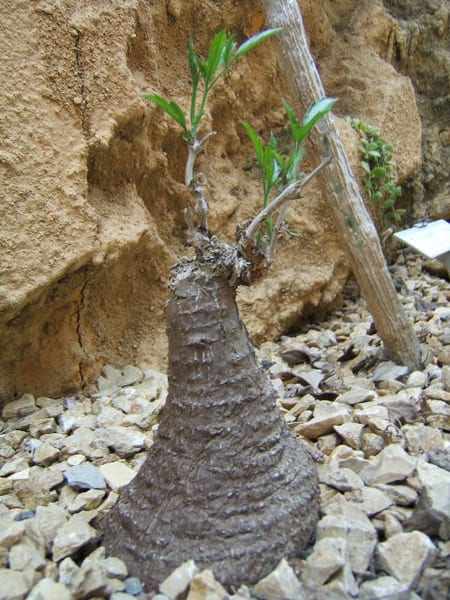
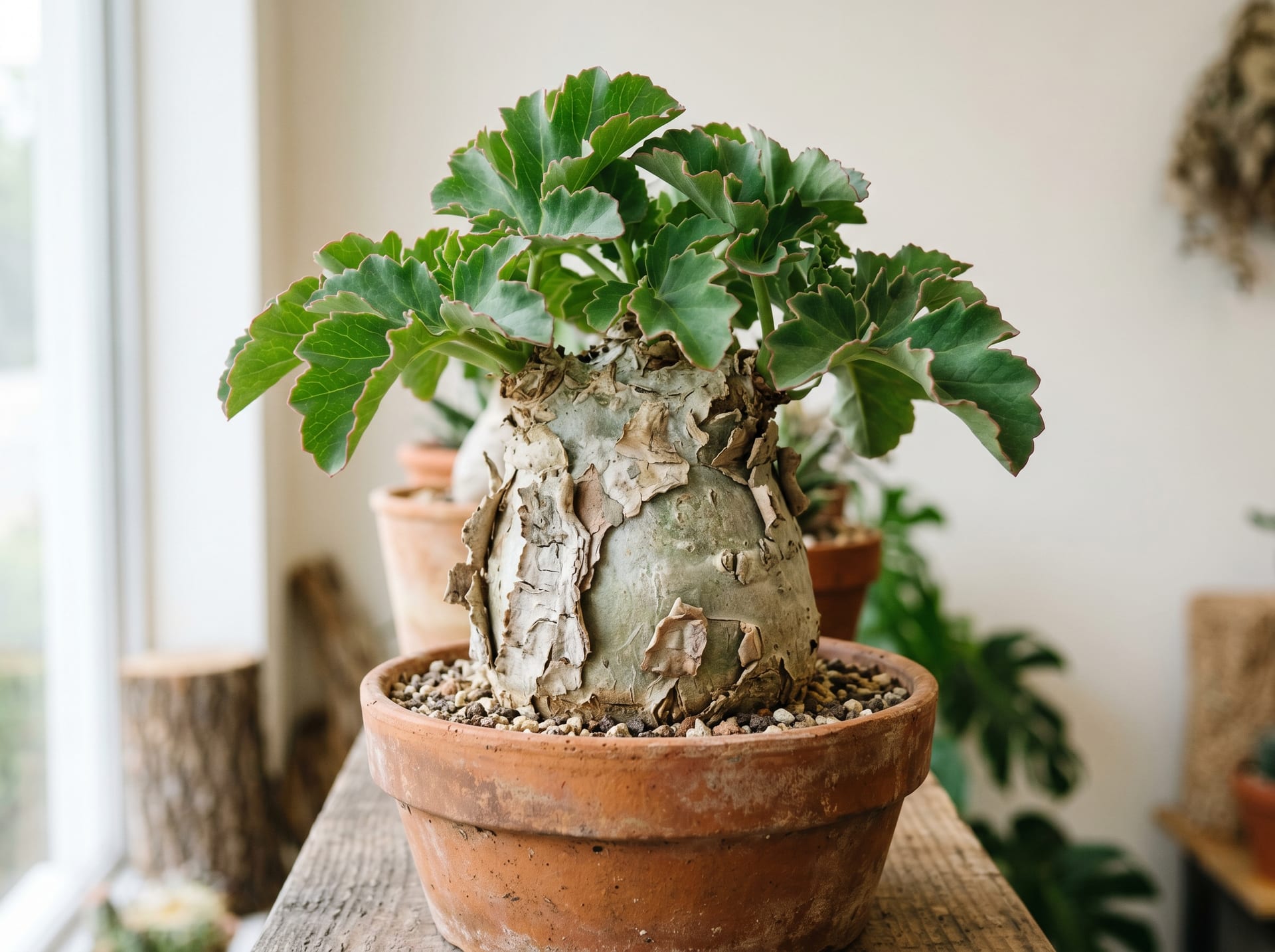
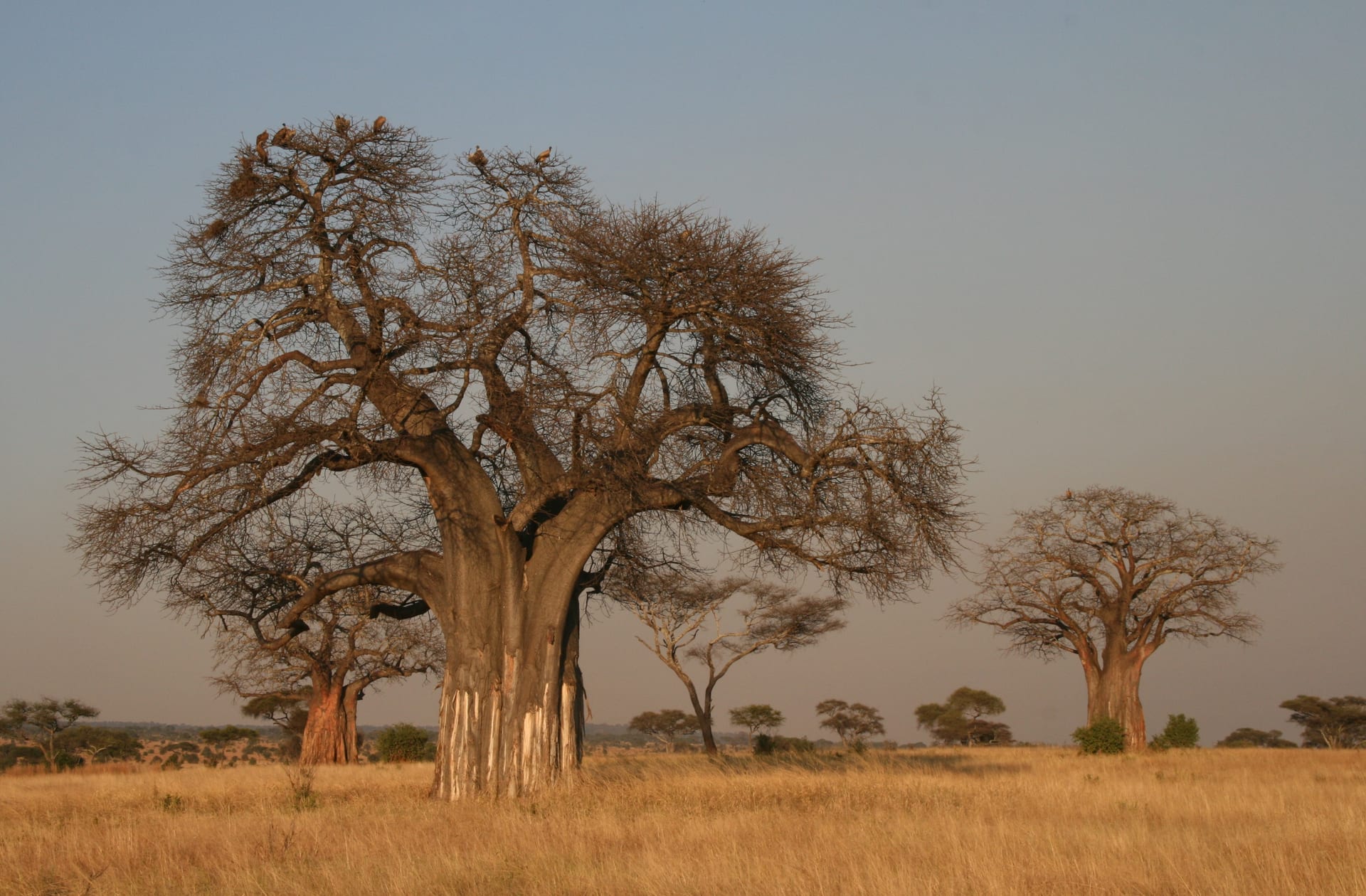
Find listings for this species
Related Articles
Complete Guide to Cyphostemma Care | Grape Family Caudex Plants with Attractive, Distinctive Caudexes
Explains how to care for distinctive caudex plants Cyphostemma such as bainesii and juttae. We present easy-to-understand tips on sunlight, watering, dormancy period management, and repotting techniques.
How to Grow Uncarina | Differences Between the Madagascar Endemic Species Grandidieri and Roeoesliana
An explanation of the appeal and cultivation methods of the Madagascar endemic caudex plant Uncarina genus. We introduce the differences between Uncarina grandidieri and roeoesliana, seedling cultivation, and repotting timing.
Complete Guide to Choosing Caudex Plants as Gifts | Recommended Varieties by Occasion and How to Add Care Notes
A scene-by-scene guide to choosing caudex plants as gifts. We introduce variety selection tailored to the recipient's growing experience and how to add care notes so they can enjoy them long-term.
Diagnosis and Solutions for Poor Root Development in Caudex Plants | Why Roots Won't Emerge and How to Fix It
A detailed guide to rooting problems in caudex plants. From diagnosis methods to improvement strategies, we introduce practical techniques for successful rooting.
🩺 Common diseases
Can't find the plant you're looking for?
Post your wishes for free and growers with matching plants will contact you with introductions.