Complete Guide to Cyphostemma Care | Grape Family Caudex Plants with Attractive, Distinctive Caudexes
Explains how to care for distinctive caudex plants Cyphostemma such as bainesii and juttae. We present easy-to-understand tips on sunlight, watering, dormancy period management, and repotting techniques.
Key Takeaways
Explains how to care for distinctive caudex plants Cyphostemma such as bainesii and juttae. We present easy-to-understand tips on sunlight, watering, dormancy period management, and repotting techniques.
Related Species
What Kind of Caudex Plant Is Cyphostemma?
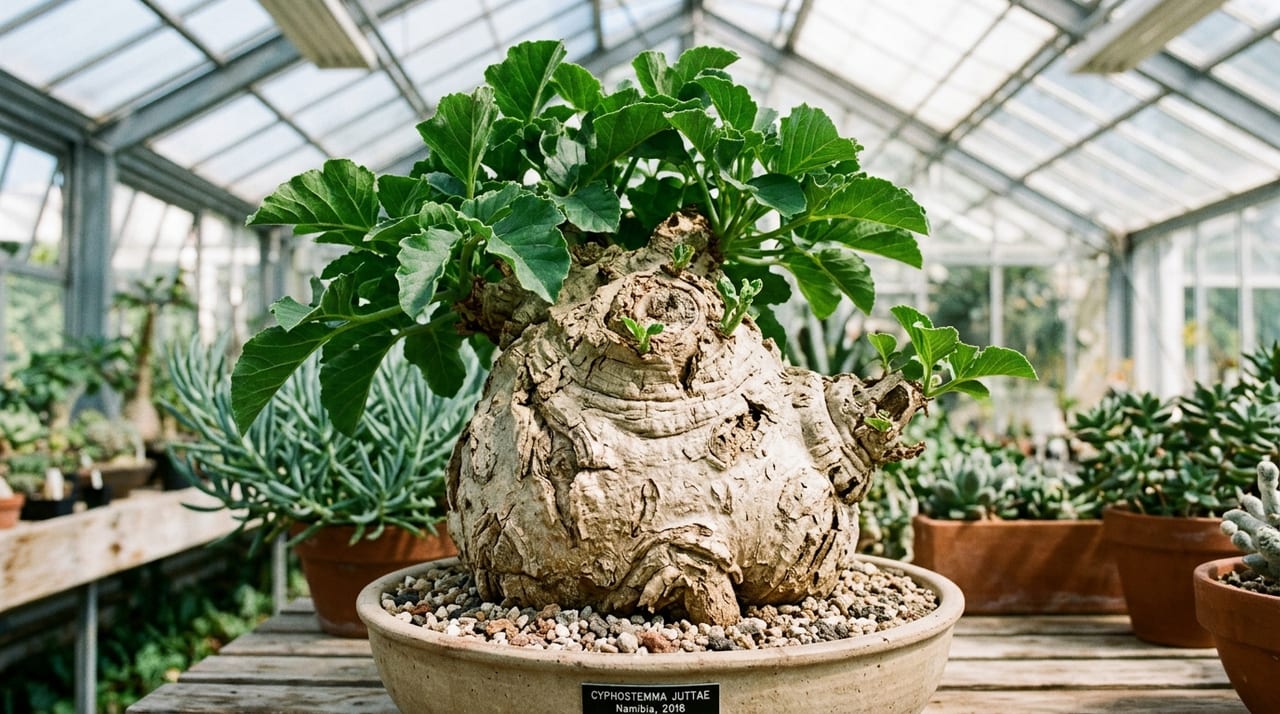
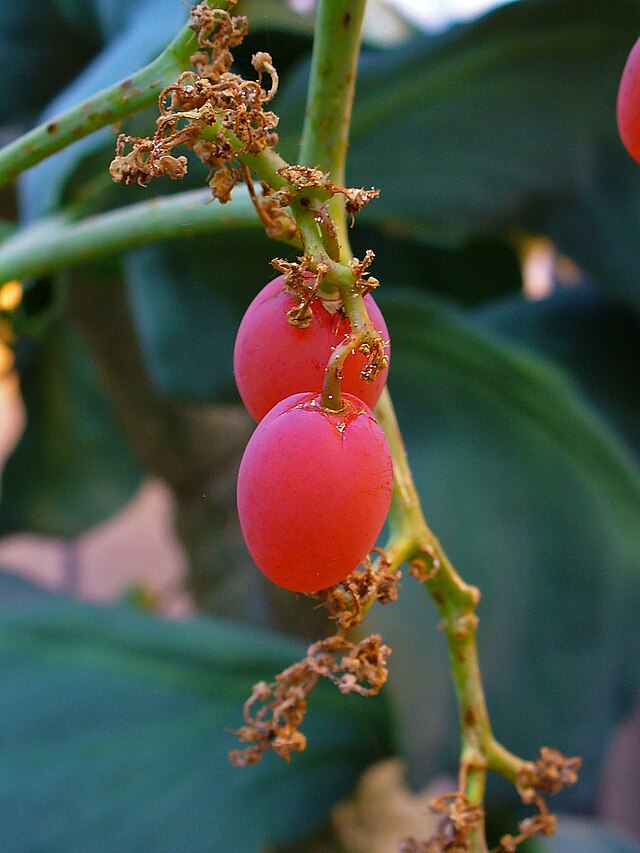
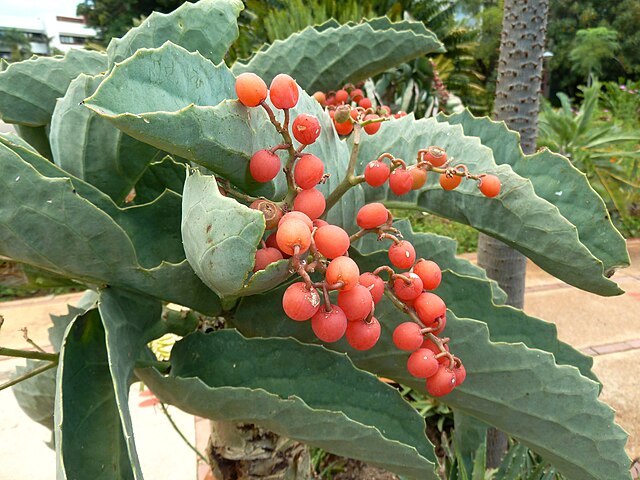
Cyphostemma is a group of caudex plants classified in the Grape family, characterized by the contrast between thick, swollen caudexes and the distinctive leaf forms that extend from them. Even compared to other Grape family plants like tree morning glories, Cyphostemma varies greatly by species in caudex shape and leaf texture, gaining attention from caudex plant enthusiasts as a highly collectible genre. The ability to enjoy the different characteristics of each species is a major appeal, and representative species have the following features:
- Cyphostemma bainesii is distinguished by a whitish-skinned caudex
- Cyphostemma juttae possesses distinctive bark texture
- Cyphostemma laza has individuality in overall plant form balance
Among caudex plants, many types have relatively expansive leaf development, and during the growing season you can appreciate the contrast between vigorous leaf volume and the impressive caudex below—a charm distinct from other caudex plants.
Placement and Sunlight
Cyphostemma prefers sunlight, and during the growing season when leaves are expanding, it's best to manage the plant in a location with plenty of direct light. However, sudden exposure to intense direct sunlight can damage the leaves and caudex surface, so when moving from indoors to outdoors or gradually increasing light after dormancy breaks, acclimate the plant in stages for peace of mind. Maintaining good air circulation is also an important factor in preventing problems from excess moisture.
Watering and Dormancy Period Management
Most Cyphostemma are caudex plants with distinct growing and dormant periods. The basics of watering are as follows:
| Period | Leaf Condition | Watering Guide |
|---|---|---|
| Growing season | Leaves are expanding | Water generously when soil dries to promote caudex and leaf development |
| Dormancy | Leaves have fallen | Significantly reduce watering and maintain on the dry side |
Overwatering during dormancy can cause the caudex to become waterlogged and rot, so carefully observe leaf condition and adjust watering frequency accordingly. Identify the timing when the plant awakens from dormancy and new leaves begin to expand, then gradually resume normal watering frequency. Since dormancy length varies by species and growing conditions, recording each year how leaves fall and when new growth emerges makes it easier to understand that individual plant's growth rhythm. When temperatures drop sharply, use this as a sign of approaching dormancy and reduce watering as a guideline.
Soil and Repotting
As is true for caudex plants in general, Cyphostemma prefers well-draining soil. Mixing granular materials such as akadama soil, pumice, and perlite creates an environment where excess moisture doesn't linger around the roots and caudex—the foundation for healthy growth. Repotting should follow these steps:
- Time the work to coincide with the beginning of the growing season
- Carefully remove old soil without damaging the caudex or roots
- Allow cut surfaces to dry completely before replanting after root pruning
Selecting a pot that isn't excessively large relative to the caudex size allows soil to dry at an appropriate pace, making it easier to prevent waterlogging. Repotting frequency varies by growth rate, but when you notice water drainage has worsened as a sign of root binding, consider upsizing the pot. Repotting large, established caudexes places greater stress on the plant, so avoid periods of slow growth and complete the work when the plant has good vigor.
Propagation
Cyphostemma is most commonly grown from seed as seedlings, though some species can be propagated by cuttings. When growing from seed, for a time after germination avoid sudden environmental changes and grow seedlings in bright dappled shade, gradually acclimating to stronger light to avoid damaging them. While caudex enlargement is a slow process, observing over years how the caudex gains presence is a unique pleasure of Cyphostemma cultivation. Young plants from seed are also susceptible to pests and diseases, so manage them in a well-ventilated location and regularly check the undersides of leaves and vine-like stems to catch problems early.
Selection and Enjoyment
When acquiring Cyphostemma, check the following points:
- The caudex surface shows no signs of damage
- The caudex surface is not soft or mushy
- The base of the plant is not loose or wobbly
Each species has individuality in caudex shape, skin texture, and leaf expansion, making it enjoyable to compare actual plants and select your favorite. In an environment where you can purchase plants directly from growers who have carefully cultivated them, it becomes easier to make selections by checking growing conditions and cultivation history.
After purchase, rather than immediately making major changes to the soil and environment when the plant arrives, set aside a period for it to acclimate to its new location in its current state, which reduces stress on the plant. Especially for plants acquired near dormancy, patience until the next growing season is important rather than forcing foliage growth. Patiently observing the caudex gain character year by year as it cycles through dormancy and growth is the key to maintaining this plant long-term. While enjoying the individuality visible in caudex texture and leaf form among species, take time to build a close relationship with a plant suited to your growing conditions.