 © Cliff / CC BY 2.0
石菖蒲
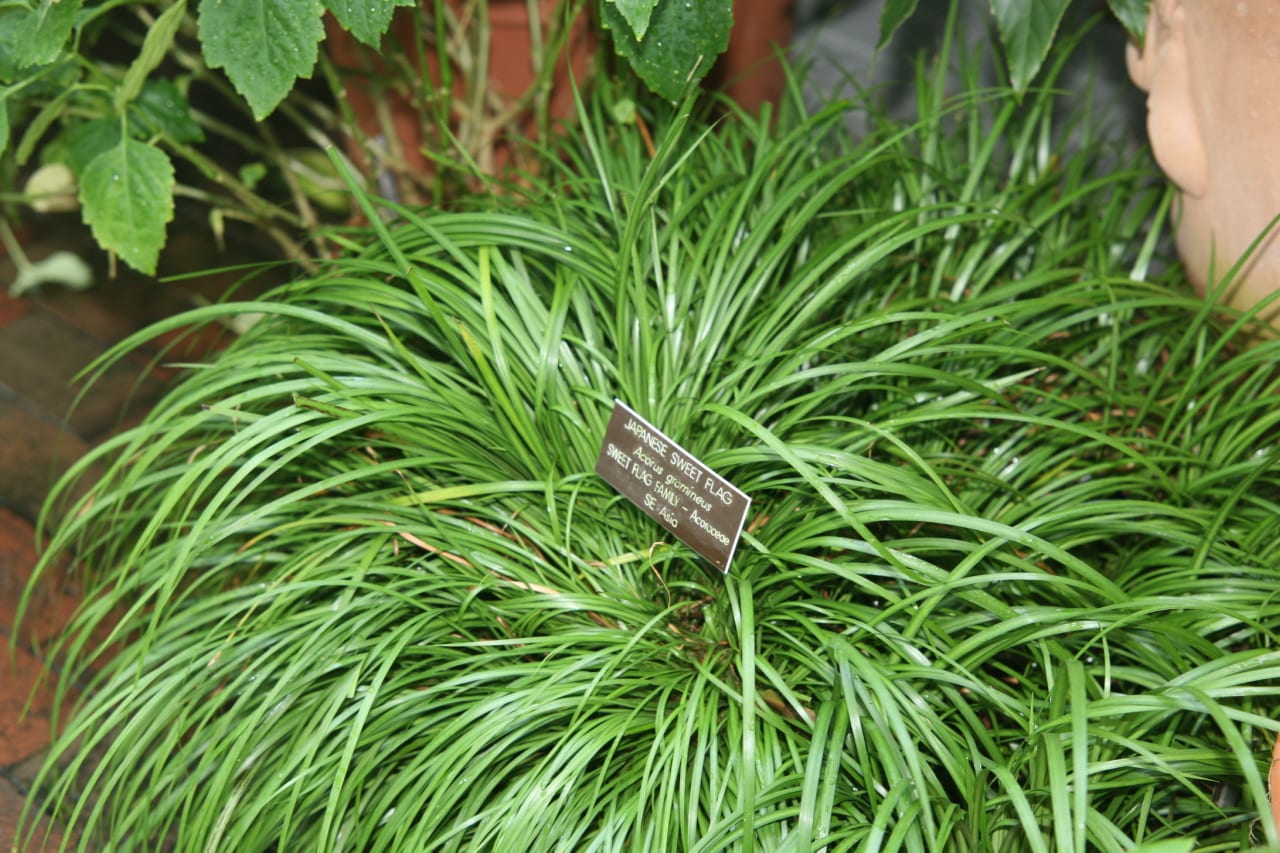
Japanese sweet flag (Acorus gramineus, known in Japanese as sekishou) is a native Japanese wetland plant that grows wild on rocky outcrops along mountain streams. Its slender, sword-shaped leaves fan out in graceful clusters, lending a cool, understated elegance to Japanese-style gardens and terrariums alike. As a hardy perennial, it is forgiving enough for beginners, and established clumps can be divided to keep the planting going for years. Leaves can reach up to about 30 cm on larger types, while dwarf cultivars stay compact, so there is a size to suit anything from a small pot to a terrarium backdrop. Whether used to edge a pond or simply enjoyed as a moisture-loving accent plant, it is an easy way to bring a touch of traditional Japanese charm into a home garden.
View 石菖蒲 encyclopedia →成交手续费0%!2026年9月30日前注册,前 2 株免佣金!
生产者 招募中!
在GrowerDirect上销售,直接面向全国客户销售吗?
GrowerDirect的 6 项透明性承诺
在水草出品中,生产者将明确展示以下信息。保证品种、产地、光照需求和栽培难度的透明性。
- 品种明确
- 实拍照片
- 色泽
- 产地明确
- 光照需求
- 难度明确
查看全部134个品种
石菖蒲的基本数据
- 养护难度
- 适合新手
- 寿命
- 多年生草本。可通过分株长期维护
- 体型
- 叶片长度最大约30厘米(小型品种更短)
- 适宜温度
- 18〜23℃
- 浇水
- 几乎不需要施肥
- 光照要求
- 生长在水边湿地或室内盆栽、苔藓缸中。关于光照要求的资料较少。
- CO2和肥料
- 无需添加CO2。几乎不需要肥料。
- 水温和水质
- 适合生长的水温较低,为18~23℃。不适合在高水温的热带鱼水族箱中进行水中栽培。
- 底质与着生
- 基本上应在叶片露出水面的挺水和湿生状态下栽培。用于水中的小型品种应将根茎固定在石头或沉木上,不埋入底质。盆栽可用普通培养土,只要保持湿润即可。
- 修剪和繁殖方法
- 生长速度很慢。通过分株进行繁殖。
- 注意事项
- 大型品种完全沉水会变弱且容易枯死。用于水中应选择小型品种。不要将水草丢弃在室外,也不要让其逸出到水槽外。
关于石菖蒲
Sekishou (Japanese sweet flag) is a hardy, easy-care native perennial with fan-shaped, sword-like leaves — ideal for gardens or terrariums.
开始养护石菖蒲前需要了解的7件事
1Bright, Partial Shade
Sekishou tolerates full sun, but constant dryness or intense direct light can scorch the leaf tips. Since it grows wild along mountain streams, it does best in bright, partial shade with soil that stays consistently moist — conditions easy to recreate in a terrarium or a pot kept near water.
2Never Let It Dry Out
Because it grows naturally on damp streamside rocks, sekishou does not tolerate drying out well. Water generously before the soil surface dries, and for potted plants, keeping a saucer of water underneath helps maintain the constant moisture it prefers.
3Choose Moisture-Retentive Soil
A soil mix chosen for water retention suits this plant better than one prized for drainage. Commercial aquatic-plant soil, or a blend of akadama and leaf mold, holds moisture well and makes ongoing care easier.
4Divide in Spring or Fall
As a perennial, sekishou can be divided to refresh a crowded clump or produce new plants. Doing this in early spring or early fall, when growth slows, puts less stress on the plant; each division should keep a few roots attached so it can establish well.
5Evergreen Through Winter
Sekishou is evergreen and rarely sheds all its leaves even in winter. If grown outdoors in a cold climate, protecting it from extreme drying or freezing helps the foliage stay attractive through the season.
6Full Submersion Needs Dwarf Types
While sekishou grows well in damp soil or along the water's edge, most types weaken if kept fully submerged. For aquarium or paludarium setups where the plant will stay underwater, choose one of the compact, short-leaved dwarf cultivars instead.
7Pick a Sturdy Base
When choosing a plant, look for glossy, healthy-colored leaves and a base that feels firm rather than loose. Avoid specimens with browned, dying leaf tips or a blackened base, since these are harder to nurse back to health.
石菖蒲的常见问题
- Q.Is sekishou suitable for beginners?
- A.Yes — it is a hardy perennial generally considered easy to grow, even for beginners. As long as you keep the growing medium consistently moist, it needs little special care to thrive over the years.
- Q.Can it be grown fully submerged in water?
- A.It depends on the cultivar. Most sekishou plants do best in damp soil or along the water's edge and tend to weaken if kept fully underwater, so if you want to grow it submerged, choose one of the dwarf cultivars instead.
- Q.How big does it grow?
- A.The larger types can reach leaf lengths of up to about 30 cm, while dwarf cultivars stay noticeably shorter and more compact. This makes it easy to pick a size that fits a pot, garden bed, or terrarium.
- Q.How do you propagate it?
- A.Division is the standard method. As this perennial grows and the clump becomes crowded, splitting it into separate sections lets each new plant establish and keep growing independently.
- Q.Is it better suited to outdoor or indoor growing?
- A.Either works, as long as the growing medium stays consistently moist. Outdoors, a shaded spot near water suits it well; indoors, a terrarium or similarly humid setup helps maintain the moisture it needs.
石菖蒲种植的实用工具
在图鉴中详细了解石菖蒲
查看石菖蒲的图鉴条目 →
收录栽培难度、尺寸、原产地、日照等基础数据。