跳转到主要内容
其他水草

其他水草

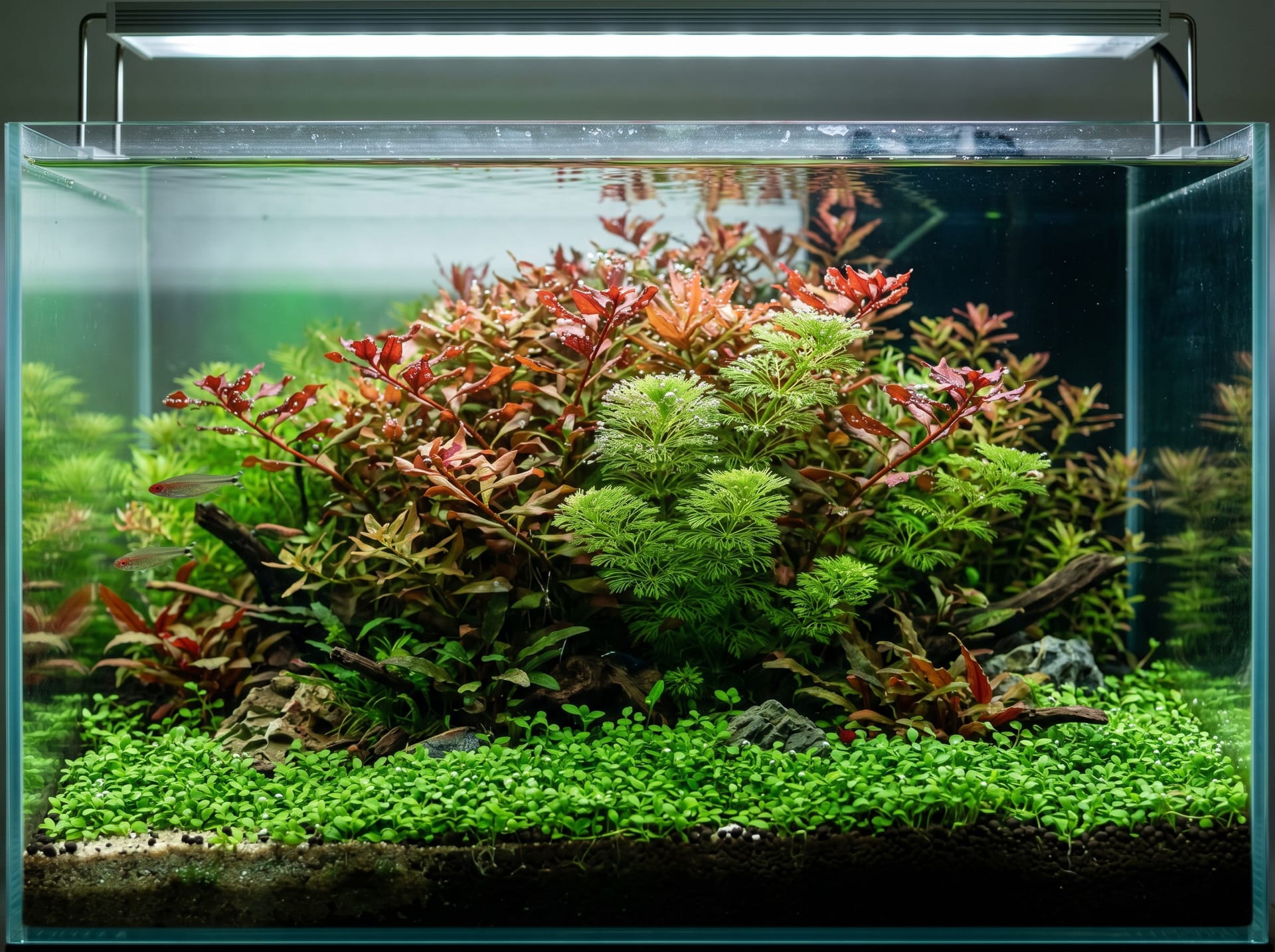
The "Other Aquatic Plants" category covers a diverse range of aquarium plants—from floating species and stem plants to ferns—each with its own care requirements. It often includes rare or seasonal varieties, making it popular among both beginners and experienced aquarists seeking unique layouts. Choosing species suited to your tank conditions is the key to long-term success.

限时活动

前3笔销售免佣金!在2026年8月31日前注册生产者账户 → 前3笔成交的手续费免费!

栽培者 招募中!

在BoTachoku上销售,直接面向全国客户销售吗?

免费注册无月费仅在成交时收取佣金
立即免费注册

ボタちょく的 6 项透明性承诺

在水草出品中,栽培者将明确展示以下信息。保证品种、产地、光照需求和栽培难度的透明性。

  • 品种明确
  • 实拍照片
  • 色泽
  • 产地明确
  • 光照需求
  • 难度明确

光照需求

0 items

水草分类正在招募认证栽培者

栽培者正在陆续注册,即将上架。设置上架通知,不错过新商品。

「接收上架通知」需免费注册会员即可设置。当有符合您保存条件的新商品上架时,我们会通过邮件和站内通知提醒您。

查看其他分类

想上架水草吗?

注册成为栽培者,即可与买家直接联系。

申请成为栽培者

关于其他水草

"Other Aquatic Plants" is a broad category that encompasses the diverse range of aquatic plants found in the aquarium hobby. Species native to rivers and wetlands across tropical Asia, South America, and Africa are cultivated and distributed by farms worldwide, with hundreds of varieties available. Their forms vary widely — floating plants, stem plants, rosettes, ferns, mosses, and epiphytes — serving everything from compact foreground accents to dramatic background features. Difficulty levels span the full spectrum: beginner-friendly species like willow moss and Amazon sword coexist with demanding varieties that require precise lighting, CO₂, and water chemistry. The joy of combining multiple species into a cohesive aquascape is the true appeal of this category, and the chance to discover rare or seasonally limited varieties adds an element of discovery. It is a deeply rewarding genre that lets you recreate the world's waterways within the miniature ecosystem of a tank.

开始养护其他水草前需要了解的7件事

  1. 1Light Needs Vary by Species

    Because this category spans many species, light requirements range from low to high depending on the plant. Always check the specific plant's name before purchasing and confirm your tank lighting can meet its needs. Insufficient light often leads to leggy growth and algae problems.

  2. 2Check CO₂ Requirements

    Some species require CO₂ injection while others thrive without it. Hardy plants work well for beginners without CO₂, while delicate stem plants like Rotala generally show much better growth with supplementation. Ask the seller or check the product description before buying.

  3. 3Substrate Affects Rooting

    Rooted species benefit from nutrient-rich aqua soil or fine gravel, as substrate choice directly affects healthy growth. Floating plants or epiphytic species that attach to driftwood or rocks may require no substrate at all. Understand how your plant grows before setting up the substrate.

  4. 4Know Your Water Parameters

    Different species thrive in different pH and hardness ranges. South American plants often prefer soft, slightly acidic water, while others do better in harder, more alkaline conditions. Test your tap water first and confirm it falls within the acceptable range for the plant you want to grow.

  5. 5Fertilize Without Overdoing It

    Aquatic plants need nitrogen, phosphorus, potassium, and trace elements, but over-fertilizing often triggers algae blooms. Start at half the recommended dose and adjust based on leaf color and growth rate. Combining liquid fertilizer with root tabs tends to give balanced results.

  6. 6Trim Regularly to Maintain Shape

    Fast-growing stem plants can quickly overtake a tank and cause lower leaves to die off if left untrimmed. Cut them regularly and replant the trimmed tops directly into the substrate to propagate. For floating plants, remove excess growth and aim to cover no more than one-third of the water surface.

  7. 7Remove Pesticides Before Adding

    Commercially sold aquatic plants may carry pesticide residues that can be fatal to shrimp in particular. After purchase, rinse thoroughly and soak in a separate container with daily water changes for a few days to leach out any chemicals. Choosing plants labeled pesticide-free is another safe option.

其他水草的常见问题

Q.Are there aquatic plants suitable for beginners?
A.Species like willow moss, Anubias, and Amazon sword are well-suited for beginners as they tolerate low light and grow without CO₂ supplementation. Look for plants labeled "beginner-friendly" or "low light" when purchasing to make selection easier.
Q.Do aquatic plants affect fish health?
A.Aquatic plants contribute to water quality by producing oxygen through photosynthesis and absorbing harmful nitrogen compounds. However, at night they consume oxygen rather than produce it, so supplemental aeration is advisable in densely planted tanks.
Q.Why are my aquatic plants melting?
A.Leaf melt is a natural transition process many plants undergo when shifting from emersed to submersed growth. Sudden changes in water parameters, insufficient lighting, or pesticide residue can also cause melting. If new growth is emerging, the plant is likely recovering — monitor conditions and adjust as needed.
Q.Algae is covering my plants. How do I deal with it?
A.Excess light, high nutrient levels, and insufficient CO₂ are the main causes of algae growth. Limit lighting to around eight hours per day and increase water change frequency to control nutrients. Introducing algae-eating organisms such as Yamato shrimp or Otocinclus catfish is also an effective approach.
Q.How often should I fertilize aquatic plants?
A.Liquid fertilizers are generally applied one to two times per week, though tanks using nutrient-rich soil or substrate fertilizers may not require additional supplementation. Adjust based on signs of deficiency such as yellowing leaves or stunted growth, as over-fertilizing promotes algae.

其他水草种植的实用工具

同分类的更多品种