 © Krzysztof Ziarnek, Kenraiz / CC BY-SA 4.0
盔叶萍
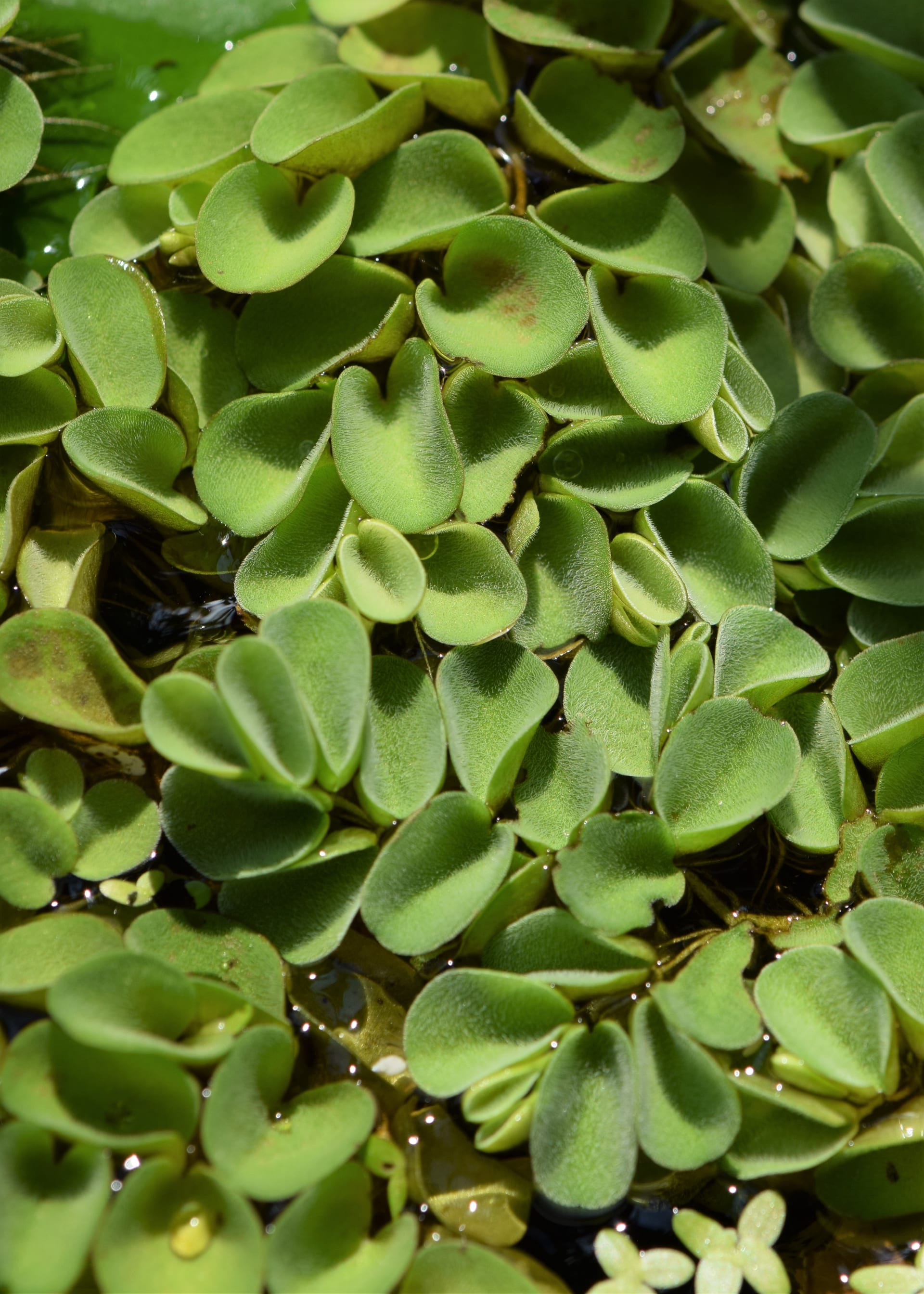
Salvinia cucullata is a floating fern native to tropical Asia, its bright green leaves covered in fine, velvety hairs. The leaves curl upward like tiny boats or hoods as they rise above the water's surface, creating a striking silhouette. Under good growing conditions, the leaves overlap into thick, cushion-like mats, while in less ideal conditions they flatten out, a subtle sign of how the plant is doing. As a perennial floater that naturally divides and multiplies on its own, it's considered an easy, beginner-friendly choice for anyone starting out with aquatic plants.
View 盔叶萍 encyclopedia →成交手续费0%!2026年9月30日前注册,前 2 株免佣金!
生产者 招募中!
在GrowerDirect上销售,直接面向全国客户销售吗?
GrowerDirect的 6 项透明性承诺
在水草出品中,生产者将明确展示以下信息。保证品种、产地、光照需求和栽培难度的透明性。
- 品种明确
- 实拍照片
- 色泽
- 产地明确
- 光照需求
- 难度明确
查看全部134个品种
水草分类正在招募认证生产者
生产者正在陆续注册,即将上架。设置上架通知,不错过新商品。
「接收上架通知」需免费注册会员即可设置。当有符合您保存条件的新商品上架时,我们会通过邮件和站内通知提醒您。
盔叶萍的基本数据
- 养护难度
- 适合新手
- 寿命
- 多年生浮草。自然分离增殖
- 体型
- 浮叶数厘米。分支繁殖形成厚密的群落
- 适宜温度
- 24〜28℃
- 浇水
- 吸收水中养分。养分不足时叶片平坦变小
- 光照/照明
- 需要中等至强光。光照不足时叶片不卷曲,呈平坦的瘦弱形。
- 二氧化碳/肥料
- 不需要添加二氧化碳。水中养分不足时叶片变小,可用液肥补充。
- 水温/水质
- 适温为24~28℃。对水质要求不严。
- 底床/附着
- 浮于水面饲养。不能在水上生长。上部开放的水族箱中叶片边缘卷起的姿态显示最佳。
- 修剪/增殖方法
- 生长极快,茎自然分离增殖。过多部分可清除。
- 注意事项
- 瘦弱的株体容易与日本防除推进外来种大萍混淆。因其覆盖水面的增殖速度快,切勿弃于野外池塘或水渠,防止逸出。
关于盔叶萍
Salvinia cucullata: a tropical Asian floating fern with velvety green leaves that curl like tiny boats. A hardy, beginner-friendly aquatic plant that multiplies naturally.
开始养护盔叶萍前需要了解的7件事
1Placement and Light
In the wild, Salvinia cucullata grows only in sunny spots, and it needs moderate to strong light. Without enough light, the leaves fail to curl and become flat and thin, so keep it on a well-lit water surface in an aquarium, or in a bright spot outdoors. Because it can multiply until it covers the water, never dump it in outdoor ponds or waterways, and don't let it wash out of its container.
2Water Temperature and Quality
Being native to tropical Asia, this plant doesn't tolerate cold water or sudden temperature swings well. In an indoor tank, using a heater to keep the temperature stable helps it thrive. Strong water flow can push the leaves under the surface, so calm water is best.
3Managing Surface Coverage
As the floating leaves spread across the water's surface, an overgrown patch can block light from reaching plants or livestock below. Thin the colony out regularly to keep some open water. When it grows well, the leaves overlap into thick, cushion-like mats.
4No Substrate Needed
Since Salvinia cucullata is a fern that floats on the water's surface, it doesn't need soil or planting media of any kind. It draws nutrients directly from the water, so maintaining water quality takes the place of substrate care. Its roots trail freely underwater and never need to be anchored.
5How It Multiplies
As a perennial floater, this plant naturally produces offshoots that split off from the parent to increase in number. It multiplies on the water's surface without any special effort, making it easy for beginners to propagate. When it grows too dense, simply thin out the extra plants to keep things manageable.
6Seasonal Care
Because it comes from the tropics, growth can slow and leaves may suffer during cold months. Keeping the water temperature from dropping too far indoors helps it stay healthy year-round. If kept outdoors or in strong direct sun, watch for stress from summer heat and drying out as well.
7Choosing a Healthy Plant
When choosing a plant, look for leaves that are curled like little boats or hoods, plump and full rather than flat. It's best to avoid specimens with flattened, shriveled leaves or a lot of brown discoloration. Healthy roots trailing freely in the water are another good sign of a plant in good condition.
盔叶萍的常见问题
- Q.Is Salvinia cucullata suitable for beginners?
- A.Yes, it's generally considered a beginner-friendly floating plant. As a perennial, it naturally divides and multiplies on its own without much special care. With basic temperature control and adequate light, it's an easy plant for first-time growers to manage.
- Q.How large does it grow?
- A.The individual floating leaves are only a few centimeters in size. However, as the plant branches and multiplies, the colony as a whole develops into a thick, cushion-like mass. Even though each leaf is small, it's worth leaving enough open water surface for the colony to spread.
- Q.Why do the leaves sometimes turn flat instead of cupped?
- A.Under good conditions, Salvinia cucullata's leaves curl upward like little boats or hoods, but under poor conditions they flatten out instead. This change is thought to be influenced by factors like light and water quality. Treat a shift in leaf shape as a cue to review the growing environment.
- Q.Does it need soil or substrate?
- A.No, it doesn't. As a floating fern that grows on the water's surface, it doesn't require any planting substrate. Since it draws nutrients from the water itself, maintaining water quality is the main focus of care.
- Q.What should I do if it multiplies too much?
- A.Because it naturally keeps dividing and multiplying, scoop out the excess whenever it feels overcrowded. Letting it cover too much of the surface can block light from reaching plants or livestock below, so regular maintenance is recommended. The plants you remove can be grown on in a separate container, but never dump unwanted ones in outdoor ponds or waterways; drain them and throw them away with household waste. Weak, flattened plants are hard to tell apart from giant salvinia (S. molesta), which is listed as a priority-control alien species in Japan, so take particular care not to let them escape.
盔叶萍种植的实用工具
在图鉴中详细了解盔叶萍
查看盔叶萍的图鉴条目 →
收录栽培难度、尺寸、原产地、日照等基础数据。