跳转到主要内容
布塞发蓝德拉

布塞发蓝德拉

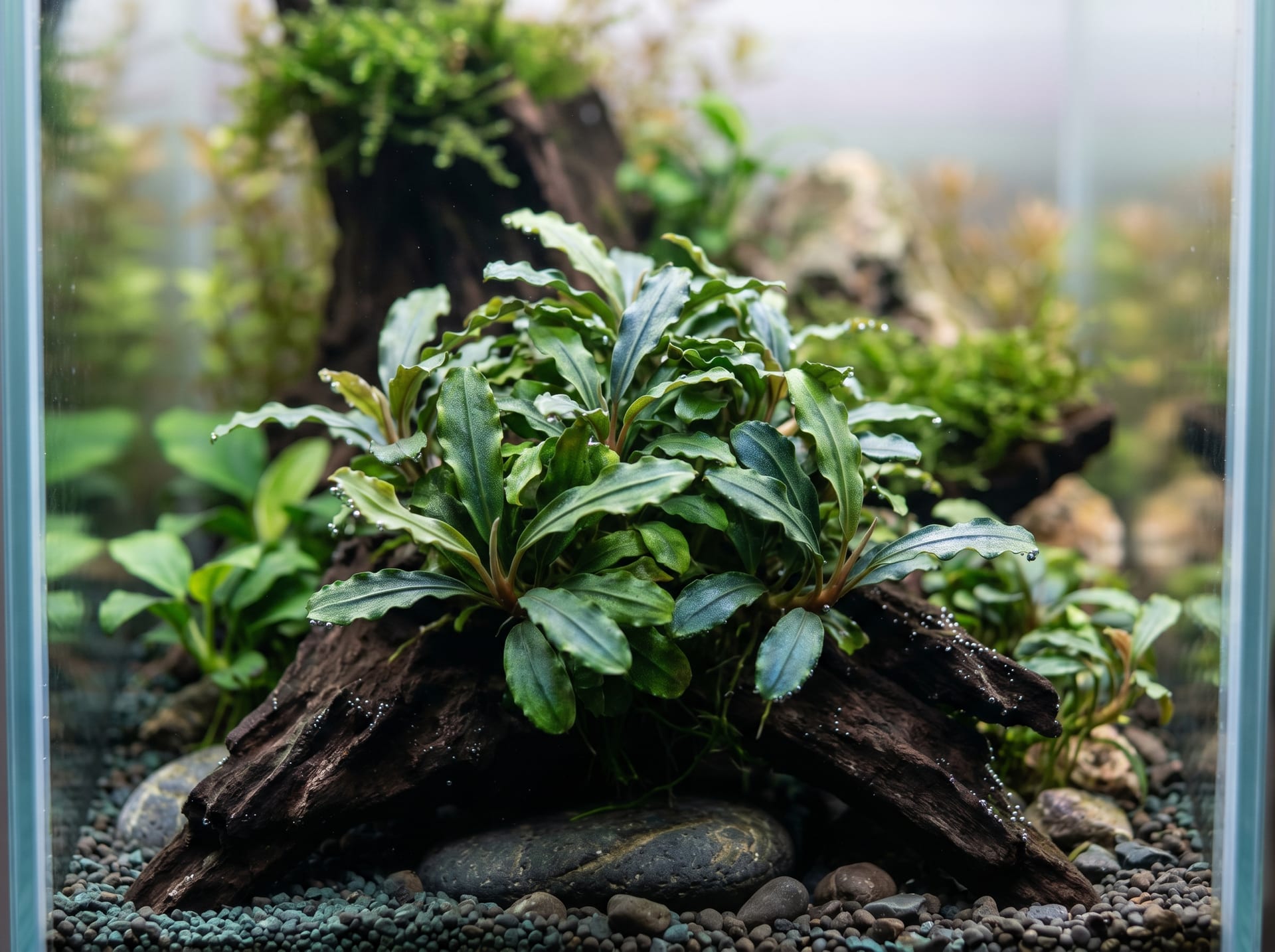
Epiphytic plant endemic to Borneo. Unique texture and iridescent leaves popular with collectors. Slow but hardy.

View 布塞发蓝德拉 encyclopedia →
限时活动

前3笔销售免佣金!在2026年8月31日前注册生产者账户 → 前3笔成交的手续费免费!

栽培者 招募中!

在BoTachoku上销售,直接面向全国客户销售吗?

免费注册无月费仅在成交时收取佣金
立即免费注册

ボタちょく的 6 项透明性承诺

在水草出品中,栽培者将明确展示以下信息。保证品种、产地、光照需求和栽培难度的透明性。

  • 品种明确
  • 实拍照片
  • 色泽
  • 产地明确
  • 光照需求
  • 难度明确

光照需求

0 items

水草分类正在招募认证栽培者

栽培者正在陆续注册,即将上架。设置上架通知,不错过新商品。

「接收上架通知」需免费注册会员即可设置。当有符合您保存条件的新商品上架时,我们会通过邮件和站内通知提醒您。

查看其他分类

想上架水草吗?

注册成为栽培者,即可与买家直接联系。

申请成为栽培者

布塞发蓝德拉的基本数据

养护难度
适合中级者
体型
5-15cm
适宜温度
22〜28℃
Lighting
Low to medium light
CO2
Not required but CO2 improves growth
Attachment
Attaches to driftwood/rocks. Do not bury
Varieties
Many varieties available. Highly collectible
Notes
Melting indicates environmental change — stabilize conditions
特征EpiphyticBorneo endemicCollectibleIridescent leaves

关于布塞发蓝德拉

Bucephalandra is an araceous rheophyte native to the fast-flowing streams and wet rock faces of Borneo (Malaysia and Kalimantan). From the 2000s onward, local collectors and botanists documented hundreds of distinct forms, turning it into one of the most sought-after aquarium plants worldwide. Its defining characteristic is a striking iridescence — leaves shift from blue and green to purple depending on the angle of light, producing a jewel-like effect under aquarium illumination. Leaf shapes range from rounded to elongated, and plants remain compact at 5–15 cm even when mature. Bucephalandra's resilience under low light and CO2-free conditions, combined with its ability to anchor onto rocks and driftwood via adhesive roots, makes it a versatile centerpiece or accent in nature aquascapes. Slow growth means minimal maintenance once established, and the sheer diversity of varieties gives hobbyists a lifetime of collecting to explore.

开始养护布塞发蓝德拉前需要了解的7件事

  1. 1Choose the Right Surface

    Bucephalandra grows best when attached to driftwood or lava rock. Planting in substrate is possible, but burying the rhizome can cause rot — only anchor the roots lightly. Tie it down with cotton thread or fishing line and remove it once the roots have taken hold.

  2. 2Protect the Rhizome

    The thick green stem, known as the rhizome, is the plant's lifeline. Cutting or burying it too deeply can kill the plant. When trimming, cut near the base of the leaf stalk and avoid disturbing the rhizome itself.

  3. 3Grows Without CO₂

    Bucephalandra is one of the few aquatic plants that can thrive without CO₂ injection. However, adding CO₂ noticeably accelerates growth and enhances the leaf's iridescent color. Beginners can start without CO₂ and consider adding it once they are more comfortable with the hobby.

  4. 4Low to Medium Light

    Bucephalandra dislikes intense light, which can promote algae growth on its slow-growing leaves. Aim for low to moderate lighting using LEDs or fluorescent fixtures. Placing it in shaded foreground or midground positions in the aquascape works well.

  5. 5Soft, Slightly Acidic Water

    Bucephalandra thrives in a pH of 6.0–7.5 and water temperatures of 22–28°C. It prefers soft to moderately hard water, making it an excellent match for soil-based nature aquariums. Avoid sudden water parameter changes; aim for weekly water changes of around one-third of the tank volume.

  6. 6Slow Growth — Be Patient

    Bucephalandra grows very slowly — it can take several weeks for a single new leaf to unfurl. If conditions are right, the plant will gradually spread on its own. Avoid over-fertilizing in an attempt to speed growth, as excess nutrients will feed algae instead. Patience and a long-term perspective are key.

  7. 7Price Varies by Variety

    With hundreds of named varieties, prices vary widely. Common varieties like Kedagang or Green Wavy are available for a few hundred yen, while rare collector forms can cost tens of thousands of yen. For first-time growers, starting with affordable and hardy varieties is strongly recommended.

布塞发蓝德拉的常见问题

Q.Can Bucephalandra grow without CO2 injection?
A.Yes, Bucephalandra grows well without CO2 supplementation. Adding CO2 enhances leaf color and slightly accelerates growth, but it is not required. Starting without CO2 is perfectly viable for most setups.
Q.Does it need to be planted in substrate?
A.No substrate planting is needed. Attach the plant to rocks or driftwood using thread or aquarium-safe glue; the roots will grip the surface over time. Burying the rhizome in sand often causes rot, so avoid covering it.
Q.My plant isn't growing — is that normal?
A.It is completely normal for Bucephalandra to stall for 1–2 months after introduction while it acclimates. As long as leaves are not melting, the plant is likely fine. Given stable water quality and appropriate lighting, new growth will appear in time.
Q.What should I do about algae on the leaves?
A.Introducing algae-eating species such as Amano shrimp or otocinclus is the most effective first step. For stubborn algae, spot-treating with liquid carbon works well. Also review your lighting duration and water quality, as excess light or nutrient imbalance is often the underlying cause.
Q.What is the difference between common and rare varieties?
A.Varieties differ in leaf shape, color, iridescence intensity, and size. Common types are affordable, while rare collector forms can fetch tens of thousands of yen. Care requirements are nearly identical across varieties, so gaining experience with inexpensive types first is a sensible approach.

布塞发蓝德拉种植的实用工具

Learn more about 布塞发蓝德拉 in the encyclopedia

View 布塞发蓝德拉 encyclopedia entry →

Care difficulty, size, origin and light needs — all basics covered.

同分类的更多品种