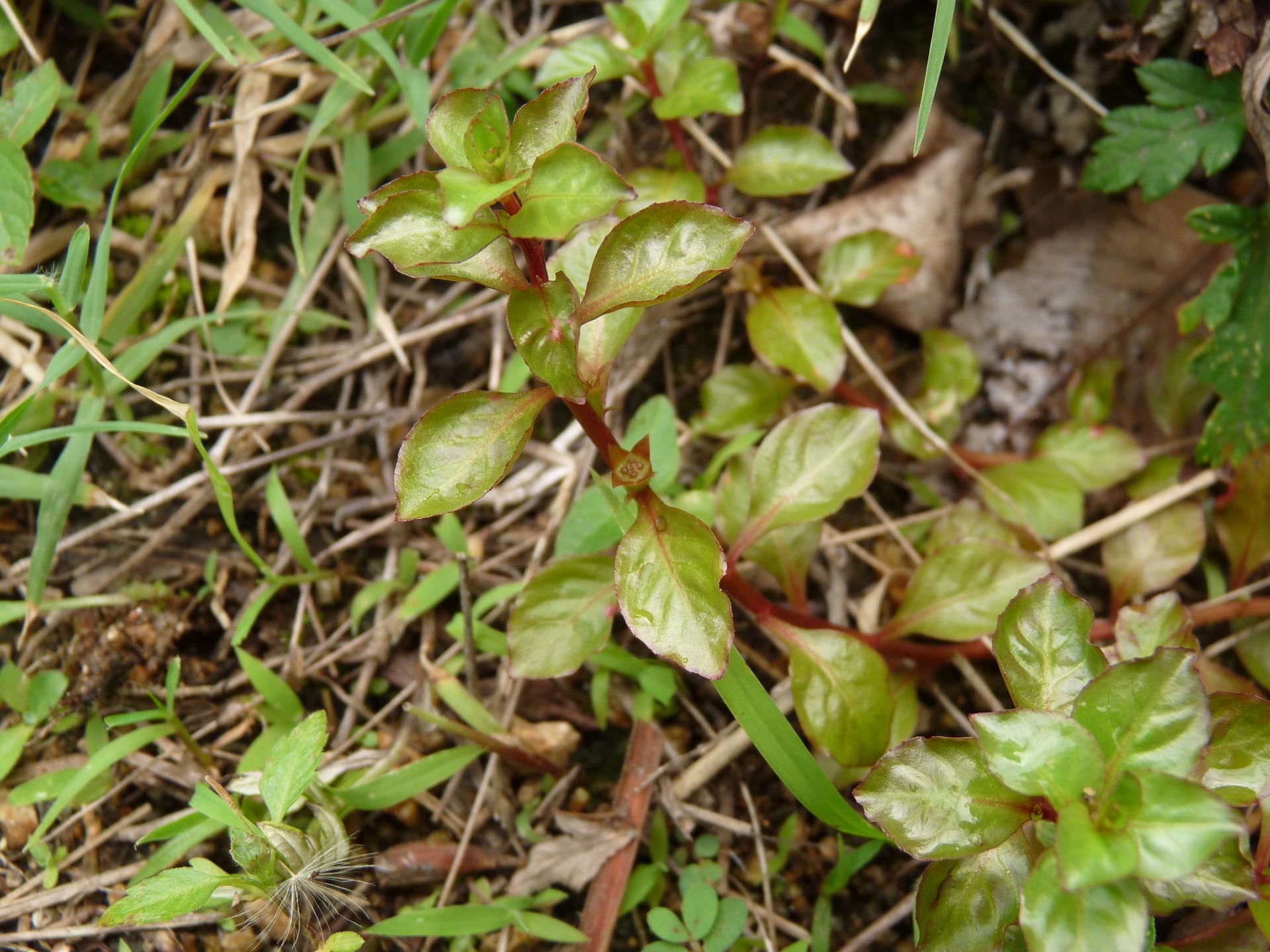
 © Show ryu / CC BY-SA 3.0
卵叶丁香蓼
Ludwigia ovalis is a stem plant native to Japan, known there as "Mizu-yukinoshita." Its rounded, oval leaves take on beautiful pink-to-orange hues underwater, adding soft color to an aquascape. A distinguishing trait is its alternate leaf arrangement, with a single leaf at each node — a helpful clue for telling it apart from the similar-looking Ludwigia repens and Ludwigia palustris. As a perennial, it can be kept long-term, but maintaining its vivid coloration and compact form calls for careful attention to lighting, making it better suited to intermediate keepers. Its low-growing habit works well in the midground to foreground of a tank, where it pairs nicely with red- and green-leaved plants for contrast.
View 卵叶丁香蓼 encyclopedia →成交手续费0%!2026年9月30日前注册,前 2 株免佣金!
生产者 招募中!
在GrowerDirect上销售,直接面向全国客户销售吗?
GrowerDirect的 6 项透明性承诺
在水草出品中,生产者将明确展示以下信息。保证品种、产地、光照需求和栽培难度的透明性。
- 品种明确
- 实拍照片
- 色泽
- 产地明确
- 光照需求
- 难度明确
查看全部134个品种
水草分类正在招募认证生产者
生产者正在陆续注册,即将上架。设置上架通知,不错过新商品。
「接收上架通知」需免费注册会员即可设置。当有符合您保存条件的新商品上架时,我们会通过邮件和站内通知提醒您。
卵叶丁香蓼的基本数据
- 养护难度
- 适合中级者
- 寿命
- 多年草
- 体型
- 矮型有茎草。叶长0.5~3厘米
- 适宜温度
- 22〜26℃
- 浇水
- CO2为可选项。补充铁质和微量元素可改善着色效果
- 光照条件
- 在中等至强光照下生长良好。陆生栽培时需要直射阳光一样的强光和高湿度。
- CO2与肥料
- CO2注入非必需但可促进生长健壮迅速。适度限制硝酸盐和磷酸盐,补充铁质可加深色泽。
- 水温与水质
- 适温为22~26℃。喜好软水至中硬度(碳酸盐硬度1~7°dKH)、pH值4.5~7的水质。
- 底床与种植
- 插入底床种植。株型较矮,适合作为中景至前景草使用。
- 修剪与繁殖
- 剪取侧枝或顶端重新种植即可繁殖。
- 注意事项
- 叶片对生的美国丁香蓼和沼生丁香蓼(两者均为外来物种)容易混淆,需注意叶的排列方式。水草不应弃置于室外,避免逸出水族箱。
关于卵叶丁香蓼
Ludwigia ovalis, a Japan-native stem plant with rounded oval leaves that turn pink to orange underwater. This perennial adds soft color to aquascapes and suits intermediate keepers.
开始养护卵叶丁香蓼前需要了解的7件事
1Lighting Affects Color
Strong lighting brings out deeper pink and orange tones in the leaves. Under weaker light, the leaves tend to stay greenish, so place this plant where it gets good light.
2CO2 Keeps It Compact
Adding CO2 helps keep the stems sturdy and the nodes close together, preserving a neat growth habit. It can still grow without CO2, but the stems may become leggier.
3Choose Nutrient Soil
A nutrient-rich soil substrate helps the roots establish well. Bury the roots firmly into the substrate at planting time to help the plant settle in.
4Trim and Replant
Once the stems lengthen and lower leaves start dropping, cut the growing tip and replant it to keep the plant looking fresh. Trim overgrown stems regularly to prevent crowding at the base.
5ID by Leaf Arrangement
A key trait of this species is its alternate leaf arrangement, with one leaf per node. If you're unsure whether you have this plant or the similar-looking Ludwigia repens or palustris, checking this leaf pattern helps tell them apart.
6Avoid Sudden Water Changes
This plant tends to do best in slightly acidic to neutral water and doesn't respond well to sudden shifts in water conditions. Since it's a perennial, it can be kept long-term, but avoiding abrupt changes in temperature or water chemistry is key to growing it steadily.
7Picking a Healthy Plant
When choosing a plant, look for one with vibrant leaf color, sturdy stems, and closely spaced nodes. Healthy specimens without blackened or melting leaves and with well-developed roots tend to establish more easily after planting.
卵叶丁香蓼的常见问题
- Q.Can beginners grow Ludwigia ovalis?
- A.It's generally considered a plant for intermediate keepers. Those with some basic aquascaping experience can take it on, though keeping its coloration vivid requires attention to lighting.
- Q.Why aren't the leaves turning red?
- A.Insufficient light is a common cause. Moving the plant to a spot with stronger lighting can gradually improve its coloration.
- Q.How is it different from Ludwigia repens?
- A.The two look quite similar, but Ludwigia ovalis is distinguished by its alternate leaf arrangement, with one leaf per node. Checking this leaf pattern is the easiest way to tell them apart.
- Q.How large does this plant grow?
- A.It's a low-growing stem plant with leaves around 0.5 to 3 cm long. Since it doesn't get overly large, it works well in the midground to foreground of a layout.
- Q.Can it be kept growing for a long time?
- A.Yes, it's a perennial, so it can be grown long-term when conditions suit it. Regular trimming and replanting help maintain a neat growth habit over time.
卵叶丁香蓼种植的实用工具
在图鉴中详细了解卵叶丁香蓼
查看卵叶丁香蓼的图鉴条目 →
收录栽培难度、尺寸、原产地、日照等基础数据。