跳转到主要内容
水榕

水榕

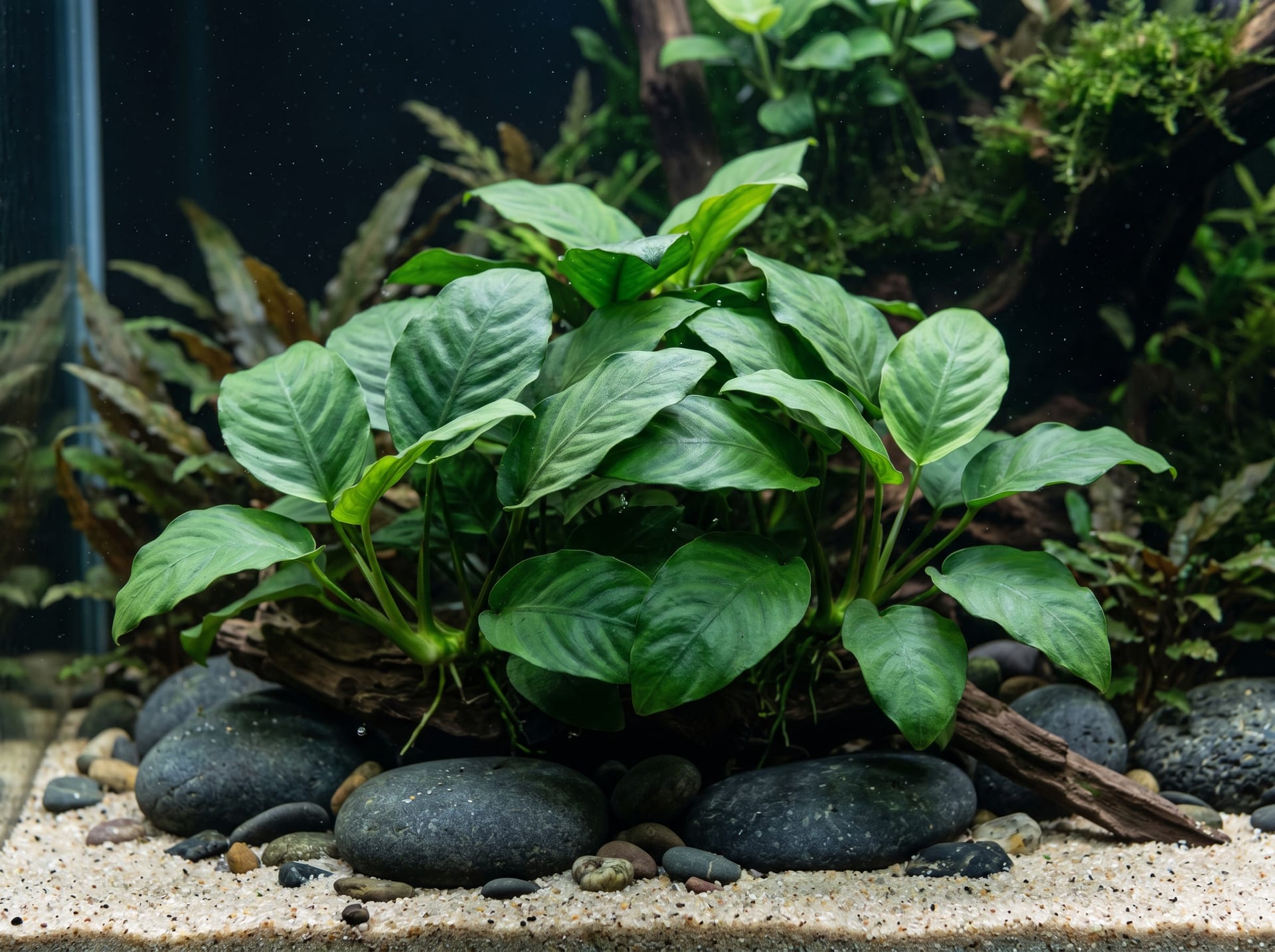
Anubias is a shade-tolerant aquatic plant native to West Africa, prized for its ability to grow steadily even in low-light conditions. Its thick, firm leaves resist nibbling from herbivorous fish, making it a reliable choice for aquarists of all skill levels. Attaching it to driftwood or rocks is the classic approach, giving any aquascape a lush, natural appearance.

限时活动

前3笔销售免佣金!在2026年8月31日前注册生产者账户 → 前3笔成交的手续费免费!

栽培者 招募中!

在BoTachoku上销售,直接面向全国客户销售吗?

免费注册无月费仅在成交时收取佣金
立即免费注册

ボタちょく的 6 项透明性承诺

在水草出品中,栽培者将明确展示以下信息。保证品种、产地、光照需求和栽培难度的透明性。

  • 品种明确
  • 实拍照片
  • 色泽
  • 产地明确
  • 光照需求
  • 难度明确

光照需求

0 items

水草分类正在招募认证栽培者

栽培者正在陆续注册,即将上架。设置上架通知,不错过新商品。

「接收上架通知」需免费注册会员即可设置。当有符合您保存条件的新商品上架时,我们会通过邮件和站内通知提醒您。

查看其他分类

想上架水草吗?

注册成为栽培者,即可与买家直接联系。

申请成为栽培者

关于水榕

Anubias belongs to the family Araceae and is native to the streams and swamps of tropical West African rainforests. The genus name is said to derive from Anubis, the ancient Egyptian god, and its mysterious, sculptural appearance has long captivated aquarists worldwide. Its distinguishing features include rounded, deep-green leaves with a glossy surface and a creeping rhizome that spreads horizontally. As an amphibious plant, it adapts to both submerged and emergent cultivation. Its temperament is remarkably forgiving—it can be maintained in low light with minimal fertilization and without CO2 injection, making it ideal for simple, low-tech setups. Although its slow growth makes it somewhat prone to algae accumulation on the leaves, that same slow pace means a carefully composed layout remains intact for months or even years. Attached to driftwood or rock, Anubias brings depth and a sense of the wild to any aquarium and pairs well with virtually any tropical fish.

开始养护水榕前需要了解的6件事

  1. 1Never Bury the Rhizome

    Burying the rhizome in substrate causes it to rot, which can kill the entire plant. Instead, tie or glue it onto driftwood or rocks, or simply rest it on the surface of the substrate. Keeping the rhizome exposed to water flow is the key to long-term health.

  2. 2Thrives in Low Light

    Anubias is one of the few aquatic plants that thrives under low-intensity lighting. When kept alongside high-light plants, position it in shaded spots such as behind driftwood. Extended exposure to strong light tends to encourage algae growth on its slow-growing leaves.

  3. 3Algae Prone on Leaves

    Because its leaves grow very slowly, algae—especially black beard algae—can colonize the surface, which is the plant's main vulnerability. Limit lighting to 8 hours or fewer per day, maintain moderate water flow, and perform regular water changes to control nutrients. Keeping Amano shrimp or otocinclus catfish as tankmates is also an effective preventive measure.

  4. 4Very Slow Grower

    Anubias typically puts out only a few new leaves per month, making it one of the slowest-growing aquatic plants. It is not the best choice if you want rapid layout changes, but once established it can thrive for years, rewarding patient aquarists with lasting beauty.

  5. 5Adaptable Water Conditions

    Anubias tolerates a wide range of conditions, thriving at temperatures of 20–30°C and pH levels of 6.0–7.5, making it compatible with most tropical fish setups. It prefers soft, slightly acidic water but adapts well to moderately hard water, so precise water chemistry is not critical. Avoid sudden temperature swings.

  6. 6CO2 Not Required

    Anubias grows without CO2 injection, making it ideal for beginners who want to keep equipment costs low. Adding CO2 can produce richer leaf color and slightly faster growth, but excess CO2 may promote algae, so start with a low dose if you choose to inject. Use liquid fertilizers sparingly as well.

水榕的常见问题

Q.Is CO2 injection necessary?
A.Anubias is one of the few aquatic plants that grows well without CO2 injection. That said, supplementing CO2 can improve leaf color and luster and may modestly accelerate growth.
Q.Black beard algae keeps growing on my leaves
A.Black beard algae is commonly caused by excess phosphate or stagnant water flow. Increasing water changes to reduce phosphate levels and introducing Amano shrimp can help keep it under control.
Q.Can I bury the rhizome in the substrate?
A.Burying the rhizome in substrate deprives it of oxygen and leads to rot, so always keep it exposed. If planting in substrate, insert only the roots lightly, leaving the rhizome fully above the surface.
Q.Why are my leaves turning yellow?
A.Yellowing is usually caused by nitrogen or potassium deficiency, or stress from excess light encouraging algae competition. Try adding a small dose of liquid fertilizer and reviewing your lighting duration and intensity.
Q.Can Anubias grow in a goldfish tank?
A.Goldfish tend to eat most aquatic plants, but Anubias is relatively resistant to grazing thanks to its tough leaves. However, it is not completely immune—some goldfish varieties or individual fish may still nibble at the leaves.

水榕种植的实用工具

同分类的更多品种