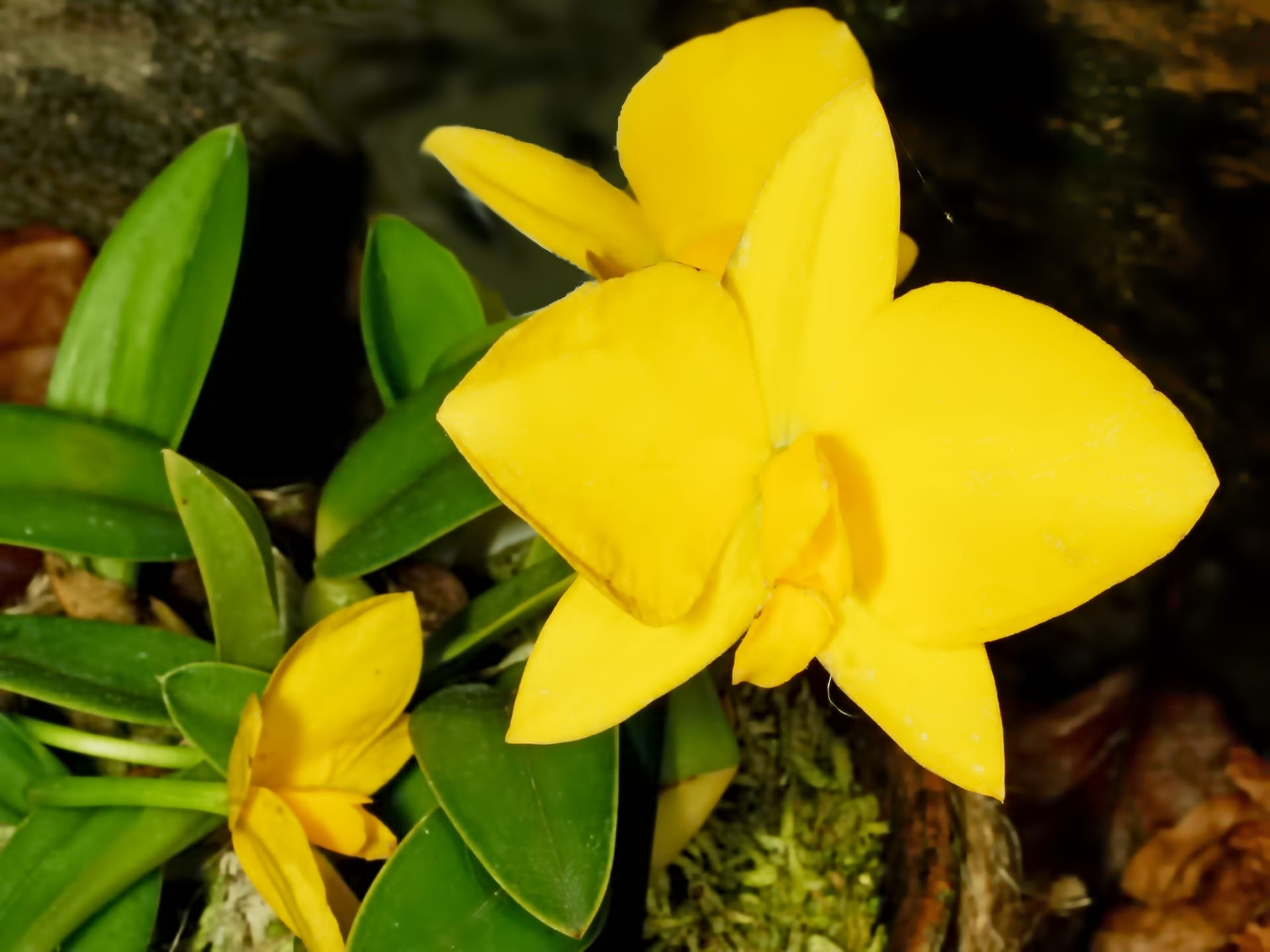
 © Orchi / CC BY-SA 3.0
朱红卡特兰
Cattleya coccinea is a diminutive Cattleya species native to the mountain forests along Brazil's Atlantic coast. Standing just 6 to 9 cm tall, this compact plant produces strikingly vivid scarlet-red flowers measuring 4 to 6 cm across, a bold display from such a small frame. Its pseudobulbs are only 3 to 4 cm long, and it is also known by its former name, Sophronitis coccinea, marking it as a distinctive presence within the Cattleya genus. Considered a challenging plant best suited to experienced growers, it rewards careful attention with blooms that make it a treasured addition to any collection.
View 朱红卡特兰 encyclopedia →成交手续费0%!2026年9月30日前注册,前 2 株免佣金!
生产者 招募中!
在GrowerDirect上销售,直接面向全国客户销售吗?
GrowerDirect的 6 项透明性承诺
兰花出品中,生产者明示以下信息。确保品种、原产地、光照需求、栽培难度信息透明。
- 品种明示
- 实物照片
- 色泽
- 产地明示
- 光照需求
- 难易度明示
查看全部142个品种
兰花分类正在招募认证生产者
生产者正在陆续注册,即将上架。设置上架通知,不错过新商品。
「接收上架通知」需免费注册会员即可设置。当有符合您保存条件的新商品上架时,我们会通过邮件和站内通知提醒您。
朱红卡特兰的基本数据
- 养护难度
- 适合高级者
- 寿命
- 多年生植物(寿命相关资料较少)
- 体型
- 株高6~9厘米、假球茎3~4厘米、花径4~6厘米
- 浇水
- 全年使用稀释液体肥料
- 光照和摆放位置
- 喜明亮的光照。避免直射阳光,放在光线充足的地方。
- 浇水
- 由于生长在云雾林中,需保持湿润的环境。浇水时使植料不要完全干透。
- 温度和越冬
- 自生地夏季平均气温约27℃,冬季约7℃。喜欢凉爽环境,不耐夏季高温和湿闷,夏季应在通风凉爽的地方管理。
- 植料和换盆
- 本种为着生于苔藓覆盖的枝条上的小型种。用水苔在小盆中植入或进行板植。
- 肥料
- 全年定期给予稀释液体肥料。
- 病虫害和注意事项
- 通风不良时株会衰弱。避免湿闷,在空气流通良好的环境中栽培。
关于朱红卡特兰
Cattleya coccinea is a small Brazilian orchid species standing 6 to 9 cm tall, known for its vivid 4 to 6 cm scarlet-red blooms. Also called Sophronitis coccinea, it suits experienced growers.
开始养护朱红卡特兰前需要了解的7件事
1Bright, filtered light
Cattleya coccinea prefers bright, indirect light rather than intense direct sun. Strong summer sunlight can scorch the leaves, so a well-ventilated spot with filtered light, such as behind a sheer curtain, works best.
2Dislikes drying out
While many Cattleyas thrive on a wet-dry cycle, coccinea dislikes letting its growing medium dry out completely. Water as soon as the surface feels dry, keeping the medium lightly moist at all times.
3Mount it like an epiphyte
Given its small size of just 6 to 9 cm, this plant often does better mounted on cork bark or tree fern with sphagnum moss than potted in a large container. Its fine roots can dry out too quickly in coarse bark alone.
4Repot when new growth starts
Because its roots are easily damaged, repotting is best done just as new growth emerges after flowering. Keep repotting to a minimum to avoid stressing the plant.
5Watch out for summer heat
Coccinea tends to prefer somewhat cooler conditions than other Cattleyas. High heat and stagnant humidity in summer can weaken the plant, so choose a well-ventilated, cooler spot.
6Check the pseudobulbs
When choosing a plant, look for plump, well-filled pseudobulbs (around 3 to 4 cm) with multiple growths, which tend to be easier to grow on. Avoid plants with shriveled or overly dry pseudobulbs.
7Blooming takes a mature plant
Its flowers, at 4 to 6 cm across, are large relative to the plant's size, so blooming well requires a well-established specimen. Younger plants may flower sparingly at first, but the display improves as the plant matures.
朱红卡特兰的常见问题
- Q.Can beginners grow this orchid?
- A.This species is generally considered suited to experienced growers, requiring watering and temperature care different from other Cattleyas. It can be challenging for first-time orchid growers, though those with experience growing epiphytic orchids may find it more approachable.
- Q.How large does it grow?
- A.It is a small species, growing to about 6 to 9 cm tall with pseudobulbs around 3 to 4 cm. Despite its compact size, it produces flowers measuring 4 to 6 cm across.
- Q.Can it be grown the same way as other Cattleyas?
- A.Not exactly. Coccinea is sensitive to drying out and prefers cooler conditions than many other Cattleyas, so applying identical care can make it harder to grow well.
- Q.What do the flowers look like?
- A.It produces vivid scarlet-red flowers 4 to 6 cm across, large in proportion to the plant. Its former name, Sophronitis coccinea, reflects this striking flower color.
- Q.How often does it need repotting?
- A.Because the roots are easily damaged, frequent repotting should be avoided and kept to a minimum. When needed, the best time is just as new growth begins after flowering.
朱红卡特兰种植的实用工具
在图鉴中详细了解朱红卡特兰
查看朱红卡特兰的图鉴条目 →
收录栽培难度、尺寸、原产地、日照等基础数据。