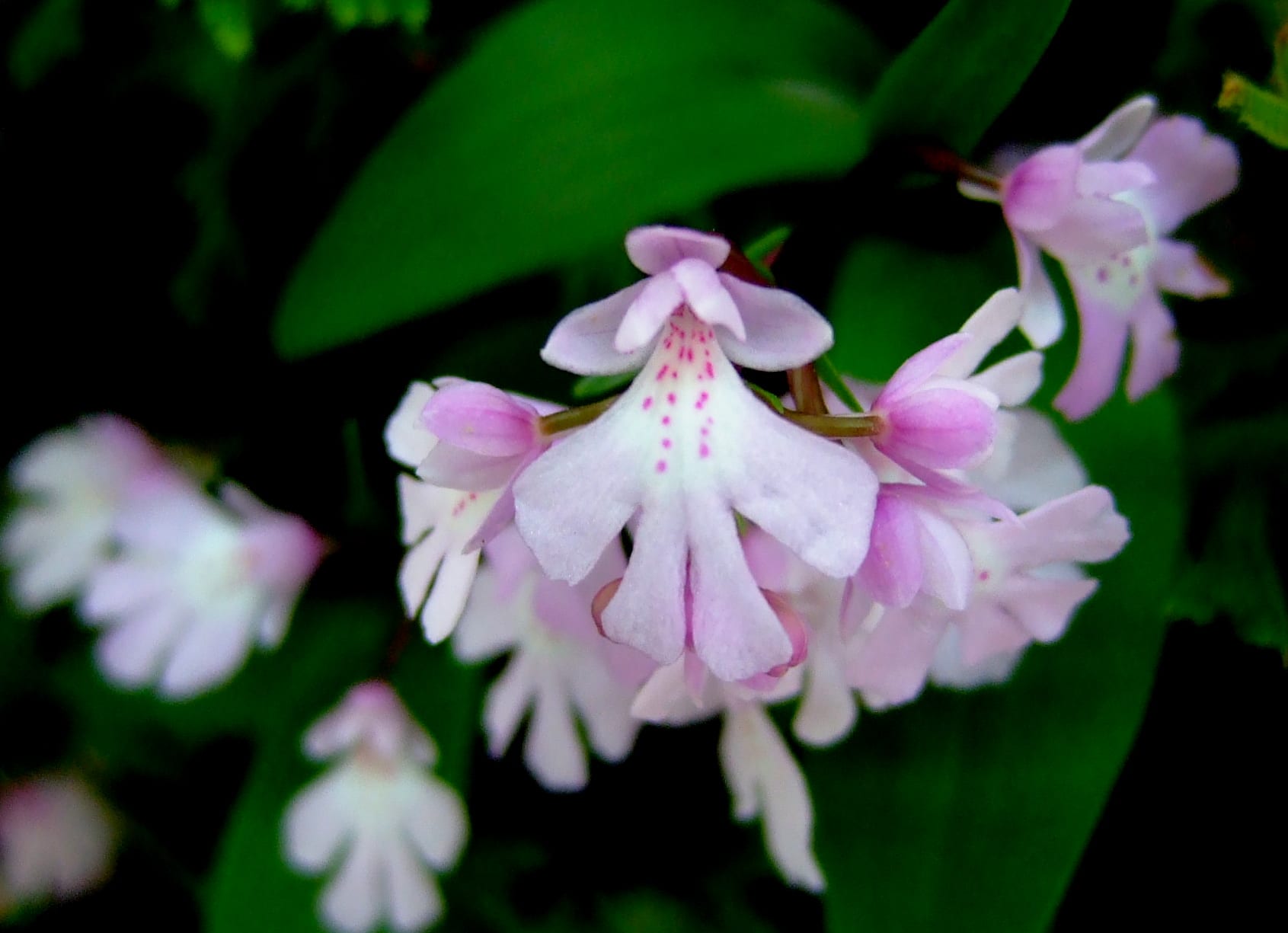
 © 日:Jnn / CC BY 2.1 jp
岩千鸟
Iwa-chidori is a tiny terrestrial orchid found only in Japan, rooting quietly in rock crevices along ravines from central-western Honshu to Shikoku. Standing just 10cm tall, it produces small pink-purple flowers around 1cm across each April and May, earning it the nickname "fairy of the ravine." As a perennial that multiplies through its bulbs, it can reward attentive growers with an expanding clump of flowers year after year. Its compact size suits small pots or a modest windowsill collection, and caring for it through the changing seasons offers a rewarding introduction to the deeper world of alpine plant cultivation.
View 岩千鸟 encyclopedia →成交手续费0%!2026年9月30日前注册,前 2 株免佣金!
生产者 招募中!
在GrowerDirect上销售,直接面向全国客户销售吗?
GrowerDirect的 6 项透明性承诺
兰花出品中,生产者明示以下信息。确保品种、原产地、光照需求、栽培难度信息透明。
- 品种明示
- 实物照片
- 色泽
- 产地明示
- 光照需求
- 难易度明示
查看全部142个品种
兰花分类正在招募认证生产者
生产者正在陆续注册,即将上架。设置上架通知,不错过新商品。
「接收上架通知」需免费注册会员即可设置。当有符合您保存条件的新商品上架时,我们会通过邮件和站内通知提醒您。
岩千鸟的基本数据
- 养护难度
- 适合中级者
- 寿命
- 多年生。通过球根繁殖
- 体型
- 草高约10厘米,花径约1厘米
- 浇水
- 生长期使用稀释的液体肥料,施肥宜少
- 光照·放置位置
- 生长期放置在明亮的半阴处。避免强光照射。
- 浇水
- 从芽萌发到地上部枯萎期间,保持基质不过干,浇适量水;休眠期间减少浇水。
- 温度·越冬
- 是生长于冷凉溪谷的低温性种类,夏季在通风良好的凉爽场所管理。冬季防止球根冻结。
- 基质·换盆
- 生长于岩石裂隙中的种类,使用排水性好的粗粒基质在小盆中栽植。换盆在休眠期的球根进行。
- 休眠期管理
- 地上部枯萎后,球根进入休眠。保持偏干,避免冻结。
- 病虫害·注意事项
- 为日本自生种。选择栽培·繁殖的株,不选山采株。某些都道府县的条例对野生株采集有管制,请注意当地规定。
关于岩千鸟
Iwa-chidori is a tiny Japanese native terrestrial orchid growing in ravine rock crevices, blooming with small pink-purple flowers each April and May.
开始养护岩千鸟前需要了解的7件事
1Light and Placement
Iwa-chidori dislikes direct sun, so keep it in bright, filtered shade such as under a sheer curtain or dappled tree light. In summer, protect it from strong afternoon sun and give it good air circulation to keep the plant healthy.
2Watering Basics
During the growing season, water thoroughly once the soil surface dries out, keeping it consistently moist. From autumn onward, as the plant enters dormancy, gradually reduce watering and let the soil stay on the drier side.
3Well-Draining Soil
Since it naturally grows among rocks, Iwa-chidori needs soil with excellent drainage and airflow. A mix built around kanuma soil and pumice, often combined with sphagnum moss, is a common choice for this kind of alpine plant.
4Repotting Timing
The best time to repot is during dormancy, from autumn through early spring. When the bulbs become crowded, repot into fresh soil and divide the clump while checking the roots, which helps growth stay strong the following year.
5Care Through the Seasons
After flowering in April and May, the plant focuses on growing leaves and storing energy, then dies back above ground and goes dormant in autumn. Keep it somewhere sheltered from frost in winter while it waits to sprout again in spring.
6Choosing a Healthy Plant
When selecting a plant, look for firm leaves without discoloration or damage. A plant with well-formed bulbs and a stable base at the soil line tends to establish and grow well in the following years.
7Feeding Schedule
During the growing season, apply a slow-release solid fertilizer or diluted liquid fertilizer about once or twice a month. Hold off on feeding during dormancy so the plant isn't placed under unnecessary stress.
岩千鸟的常见问题
- Q.Is it suitable for beginners?
- A.Iwa-chidori is generally considered a plant for intermediate growers, since it calls for some care in managing humidity and soil. With attentive basic care, though, it's a rewarding plant to learn on as you gain experience.
- Q.How big does it grow?
- A.It stays compact, reaching about 10cm in height with flowers around 1cm across. This small size makes it easy to grow in a pot even with limited space.
- Q.When does it bloom?
- A.It typically flowers around April and May, producing small pink-purple blossoms. The exact timing can shift slightly depending on the plant's condition and where it's kept.
- Q.Can I propagate my plant?
- A.As a perennial that multiplies through its bulbs, it can be propagated by dividing the clump when repotting during dormancy. Thinning out crowded bulbs also tends to improve the growth of the whole plant.
- Q.Why is it called the "fairy of the ravine"?
- A.The nickname comes from its delicate flowers and its natural habit of growing in rock crevices along ravines from central-western Honshu to Shikoku. It is also known by the alternative Japanese name Yachiyo.
岩千鸟种植的实用工具
在图鉴中详细了解岩千鸟
查看岩千鸟的图鉴条目 →
收录栽培难度、尺寸、原产地、日照等基础数据。