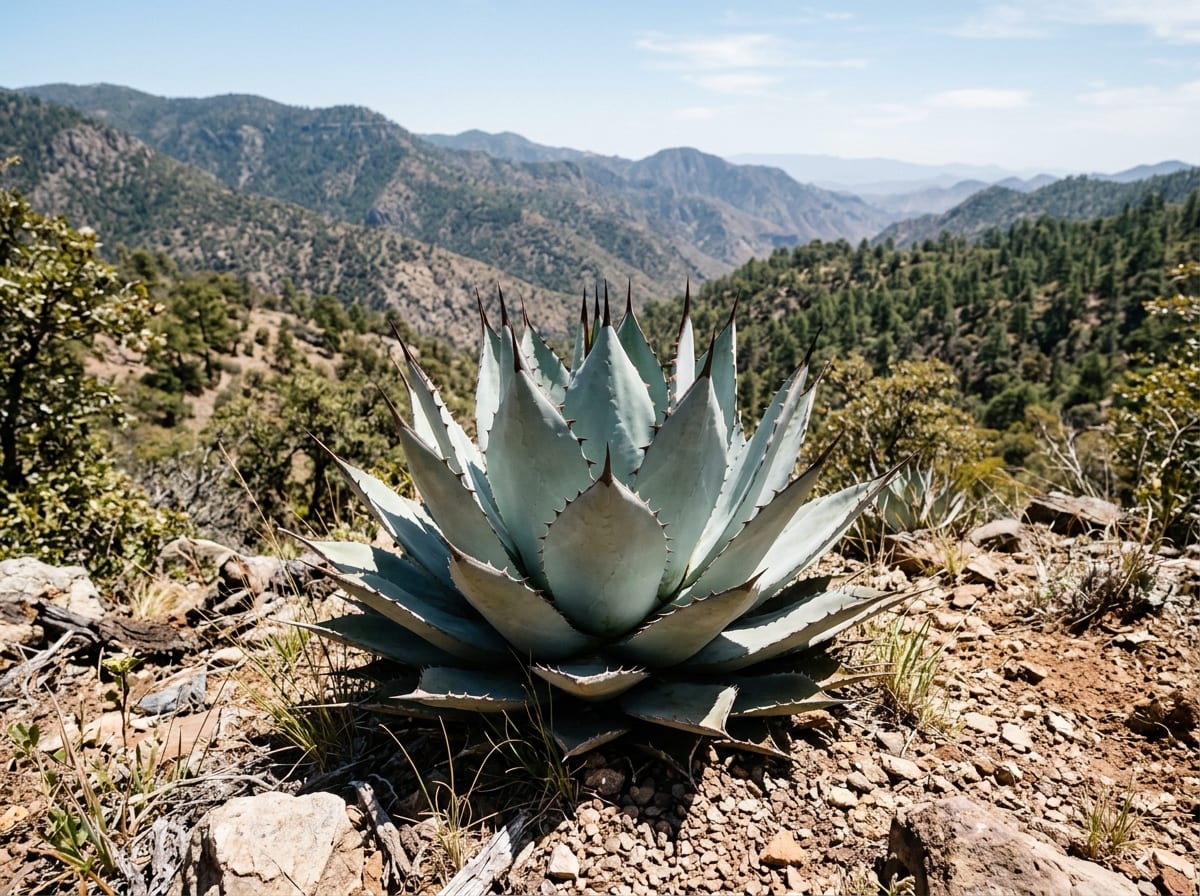
Agave shrevei subsp. magna
Agave shrevei subsp. magna hails from the Sierra Madre Occidental in northwestern Mexico, where the states of Chihuahua, Sonora, and Sinaloa meet. It forms a striking, symmetrical rosette of blue-gray leaves and is recognized as the largest of shrevei's three subspecies. Like other agaves, it is a perennial that lives for many years, though each rosette flowers only once before dying. Shrevei reproduces mainly from seed, and seedlings grow slowly. Its bold, sculptural form makes it a rewarding choice for growers drawn to statement agaves.
View Agave shrevei subsp. magna encyclopedia →0% commission on your first sales!Register by September 30, 2026 and your first 2 plants are commission-free!
Grower Wanted!
List your plants on GrowerDirect and sell directly to customers nationwide!
6 Transparency Commitments from GrowerDirect
Every Agave from our Grower includes full transparency: variety, origin, light requirements, and care difficulty.
- Variety Disclosed
- Real Plant Photos
- Color Details
- Origin Disclosed
- Light Requirements
- Care Difficulty
Browse all 141 varieties
Light Requirements
Difficulty Level
No listings match your filters
Adjust your filters, or get notified when new listings arrive.
Getting alerts is free with a member account. When new listings match your saved search, we'll notify you by email and in-app.
Browse other categories
Verified growers (preview)
Agave shrevei subsp. magna key facts
- Growing Difficulty
- Intermediate
- Lifespan
- Perennial; the flowering rosette dies and offsets carry on
- Size
- Largest of the three subspecies (little numeric data)
- Watering
- Light feeder; a little slow-release fertiliser in the growing season is enough
- Light & Placement
- Sun and good airflow; in low light the leaves stretch and lose their blue-grey tone.
- Watering
- Water after the mix dries; sparingly in winter.
- Temperature & Winter
- Hardiness data are scarce; protect from frost and cold rain, and winter potted plants bright and on the dry side.
- Soil & Repotting
- Free-draining mix. Mostly raised from seed; seedlings grow slowly.
- Notes
- Young seedlings are hard to tell from other subspecies; choose seedlings or seed of known origin.
About Agave shrevei subsp. magna
Agave shrevei subsp. magna is the largest of the shrevei subspecies, prized for its striking blue-gray rosette. Explore its features, care tips, and frequently asked questions.
7 things to know before growing Agave shrevei subsp. magna
1Sun and Airflow
Native to rocky, arid slopes, Agave shrevei subsp. magna thrives in full sun with good air circulation. Give it the brightest spot available, whether outdoors in direct sun or near a south-facing window indoors. Without enough light, the rosette tends to stretch and lose its tight, compact form.
2Water Sparingly
Like other agaves, it stores water in its thick leaves, so let the soil dry out completely between waterings. Water generously whenever the soil dries during the spring-to-autumn growing season, and cut back further in winter when growth slows. Never let water sit in the saucer, as this can lead to root rot.
3Fast-Draining Soil
Because it grows naturally on rocky slopes, excellent drainage is essential. A commercial succulent or cactus mix, amended with pumice or small akadama granules, works well. Always use a pot with drainage holes so water never sits around the roots.
4Repotting and Pot Size
Repot into a slightly larger container roughly every one to two years as the roots fill the pot. Since this is the largest of the shrevei subspecies, plan ahead for the space a mature plant will eventually need, both in pot size and placement. Early spring, at the start of the growing season, is the best time to repot.
5Overwintering
Grow it in full sun through spring, summer, and autumn, then move it somewhere bright and frost-free as temperatures drop in late autumn. Growth largely stops over winter, so keep watering minimal during this dormant period to avoid stressing the plant.
6Choosing a Healthy Plant
Look for a plant with thick, firm leaves and a clear blue-gray color. Check that there is no damage, discoloration, or blackening near the leaf tips or base, and that the central growth point looks sound. Young seedlings are hard to tell apart from other subspecies, so choose seedlings or seed with a known origin.
7Blooms Once, Then Fades
Like most agaves, a mature Agave shrevei subsp. magna flowers only once in its lifetime, and the flowering rosette dies afterward. Shrevei reproduces mainly from seed, so raising new plants from seed is the usual way to propagate it. Seedlings grow slowly, so it's a plant to grow with a long-term view.
Frequently asked questions about Agave shrevei subsp. magna
- Q.Is this plant suitable for beginners?
- A.Agave shrevei subsp. magna is generally considered suited to intermediate growers. It's manageable if you already understand basic agave care such as sun exposure and drainage, though first-time agave owners may want to start with a hardier beginner species first.
- Q.How large does it eventually grow?
- A.It's known as the largest of the three shrevei subspecies, though detailed size figures aren't widely documented. It's wise to plan for a plant with real presence over the long term, so leave room in your pot size and placement.
- Q.Can it be grown indoors?
- A.Yes, as long as it gets enough light, such as a bright south-facing window. Because it naturally prefers strong outdoor sun and good airflow, choose the brightest indoor spot possible to prevent the leaves from stretching due to insufficient light.
- Q.How often should I water it?
- A.Water only after the soil has fully dried out. Give it a thorough watering whenever the soil dries during the spring-to-autumn growing season, and water less often during winter dormancy. Since drying speed varies with season and location, judge by the soil's condition rather than a fixed schedule.
- Q.What happens after it flowers?
- A.As with most agaves, the rosette that flowers dies afterward. Shrevei reproduces mainly from seed, so new plants are usually raised from seed, and the seedlings grow slowly.
Handy Growing Tools for Agave shrevei subsp. magna
Learn more about Agave shrevei subsp. magna in the encyclopedia
View Agave shrevei subsp. magna encyclopedia entry →
Care difficulty, size, origin and light needs — all basics covered.
More in this category
Can't find the plant you're looking for?
Post your wishes for free and growers with matching plants will contact you with introductions.