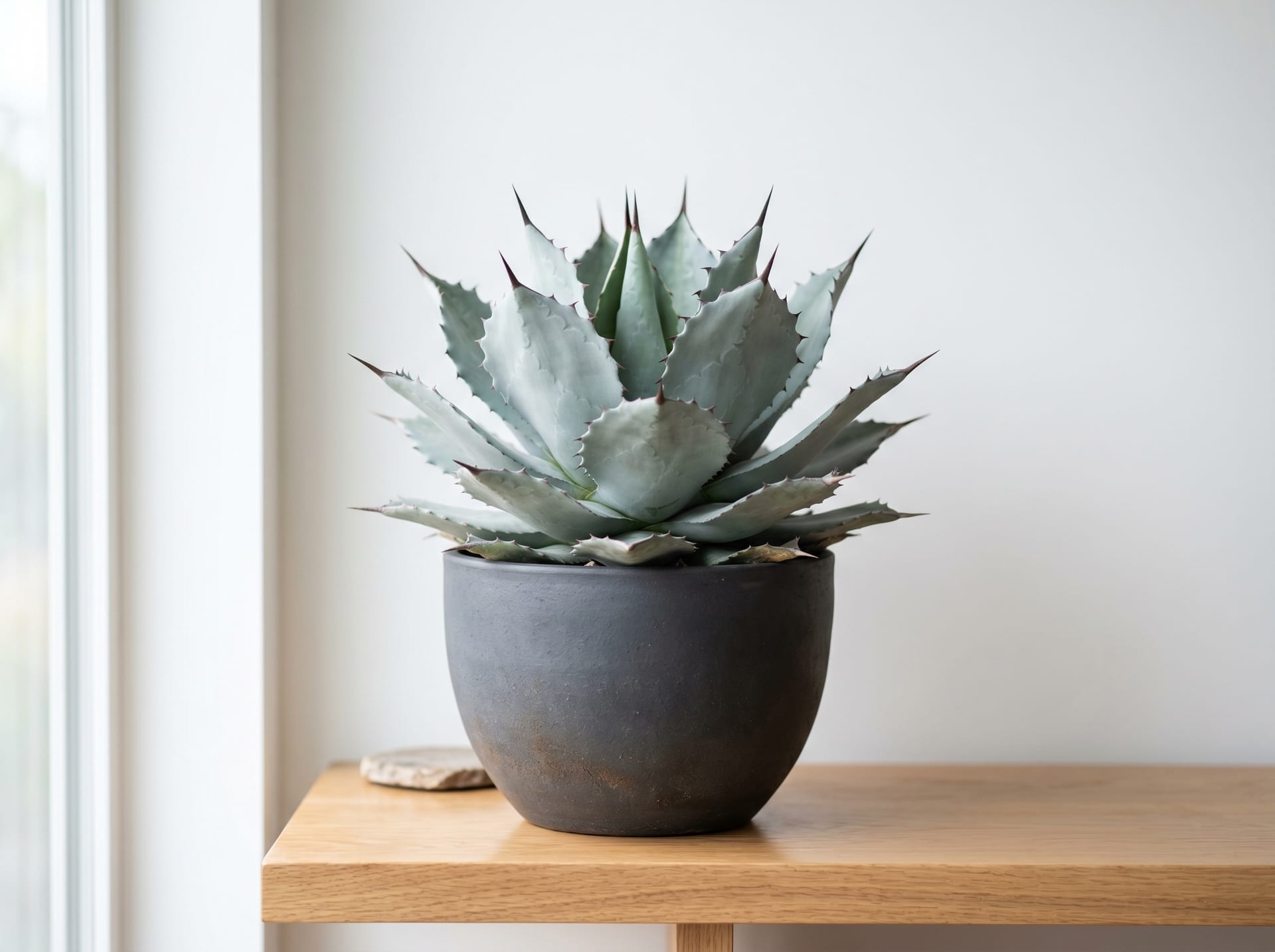
Ovatifolia
Agave ovatifolia, known as the Whale's Tongue Agave, is a large-growing species from Mexico prized for its broad, powdery blue-gray leaves and striking symmetrical rosette. Exceptionally cold- and drought-hardy, it is one of the few agaves that thrives planted directly in the ground in cooler climates.
View Ovatifolia encyclopedia →Grower Wanted!
List your plants on GrowerDirect and sell directly to customers nationwide!
6 Transparency Commitments from GrowerDirect
Every Agave from our Grower includes full transparency: variety, origin, light requirements, and care difficulty.
- Variety Disclosed
- Real Plant Photos
- Color Details
- Origin Disclosed
- Light Requirements
- Care Difficulty
Browse all 141 varieties
Light Requirements
Difficulty Level
Verified growers wanted for Agave
Growers are signing up now ahead of launch. Subscribe to be notified when new listings go live.
Getting alerts is free with a member account. When new listings match your saved search, we'll notify you by email and in-app.
Browse other categories
Verified growers (preview)
Ovatifolia key facts
- Growing Difficulty
- Beginner-friendly
- Lifespan
- Perennial (20-30 years)
- Size
- 60-120cm
- Watering
- Minimal
- Cold Tolerance
- Very cold hardy (to about -12°C)
- Notes
- Needs wide space as it grows large
- Light & Placement
- It loves direct sun. Since it grows large, an open outdoor spot, garden bed, or large container is ideal.
- Watering
- Water sparingly, only after the soil has dried. Keeping it on the dry side produces a tighter rosette.
- Soil & Repotting
- Use a mix that puts drainage first. It reaches 100-120 cm across, so in pots move it up to a roomy container as it grows.
About Ovatifolia
Agave ovatifolia originates from the high-altitude mountain ranges of Nuevo León in northern Mexico, where it endures extreme temperature swings, thin soils, and intense sun—conditions that shaped its remarkable resilience. Commonly called the Whale's Tongue Agave for its broad, nearly oval leaves, it forms a symmetrical rosette that can become truly imposing at maturity. The leaf surfaces are coated in a distinctive powdery blue-gray bloom, giving the plant an almost sculptural quality that makes it a standout specimen in any collection or garden. Growth is slow but steady; plants can take a decade or more to reach full size, rewarding patient growers with an ever-evolving form. Its exceptional cold hardiness—among the highest in the genus—opens up in-ground planting possibilities that few other agaves offer. Collectors prize individual specimens for variations in leaf width, bloom intensity, and spine character, making each plant a unique expression of the species.
7 things to know before growing Ovatifolia
1Expect a Large Mature Plant
At maturity, Agave ovatifolia can reach 1–1.5 m wide and up to 90 cm tall. Whether grown in a pot or in the ground, plan ahead for its eventual spread and choose a location with adequate space from the start.
2Remarkable Cold Hardiness
Agave ovatifolia is among the most cold-hardy agaves, tolerating temperatures down to around -15 to -18°C. This makes it suitable for in-ground planting in many temperate regions with only minimal frost protection.
3Water Sparingly
During the growing season (spring to fall), water only after the soil has fully dried, then wait a few extra days before watering again. In winter, reduce watering to nearly zero—root rot from overwatering is the primary risk to avoid.
4Handle with Care — Sharp Terminal Spines
The terminal spine at each leaf tip is hard and extremely sharp, capable of causing serious puncture wounds. Place the plant away from high-traffic areas, especially around children and pets, and always wear thick gloves when handling or repotting.
5Full Sun Is Essential
Aim for at least 6 hours of direct sunlight daily. Insufficient light causes etiolation—leaves stretch and lose their compact rosette shape—and the desirable powdery blue-gray coating may fade.
6Soil and Pot Selection Matter
Use a fast-draining mix—such as akadama, pumice, or coarse sand—combined with a breathable terra-cotta or unglazed pot to prevent excess moisture. If using commercial cactus mix, consider adding 10–20% extra grit for improved drainage.
7Monocarpic — Blooms Once, Then Dies
Like all agaves, ovatifolia is monocarpic—it flowers once after many years (often several decades) and then dies. However, it typically produces offsets at the base before flowering, so separating and propagating these pups ensures the lineage continues.
Frequently asked questions about Ovatifolia
- Q.Is Agave ovatifolia suitable for beginners?
- A.Yes, it is relatively forgiving as long as you provide full sun, excellent drainage, and restrained watering. The main considerations for beginners are planning for its eventual large size and the hazard of its sharp terminal spines.
- Q.Can it overwinter outdoors in Japan?
- A.It tolerates temperatures down to approximately -15 to -18°C, making outdoor overwintering feasible in most of Japan's Pacific coast regions with basic frost protection. In areas with prolonged heavy snowfall, moving potted plants under eaves or indoors is advisable.
- Q.When should I remove offsets (pups)?
- A.Pups are ready to separate when they reach roughly one-third to one-quarter the diameter of the parent plant. Detach them during the growing season (May–September) with a clean knife, allow the cut surface to callous for a few days, then plant in fresh, dry mix.
- Q.Is it better grown in a pot or in the ground?
- A.Pot culture gives you more control over soil and watering, making it the easier option for most growers. However, where winters are not too severe and drainage is good, in-ground plants often grow larger and more impressive over time.
Handy Growing Tools for Ovatifolia
Learn more about Ovatifolia in the encyclopedia
View Ovatifolia encyclopedia entry →
Care difficulty, size, origin and light needs — all basics covered.
More in this category
Can't find the plant you're looking for?
Post your wishes for free and growers with matching plants will contact you with introductions.