Agave In-Ground Planting Guide | Suitable Varieties, Planting Season, Soil Preparation, and Winter Care
A guide to planting agave in your garden. Includes a quick reference table of cold-hardy varieties suited for in-ground planting, optimal planting timing (May–June), soil amendment ratios for improved drainage, planting procedures (no deep planting), and seasonal care and winter protection strategies.
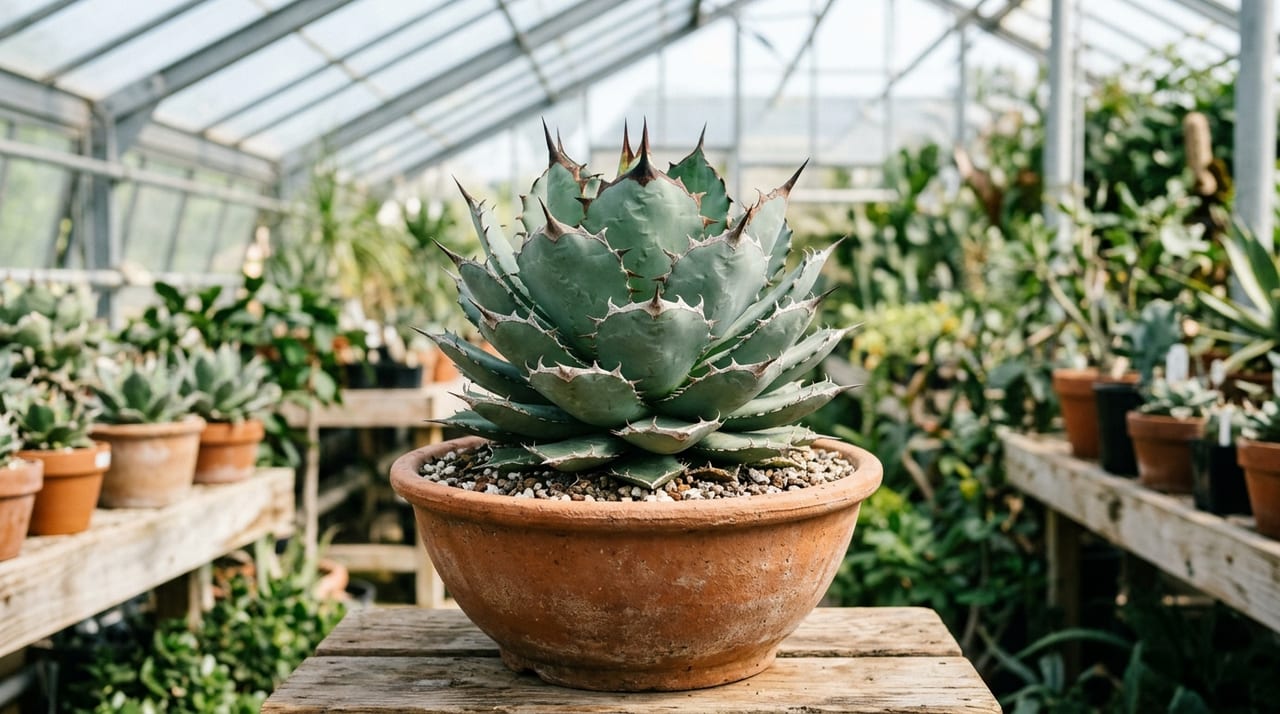
Key Takeaways
A guide to planting agave in your garden. Includes a quick reference table of cold-hardy varieties suited for in-ground planting, optimal planting timing (May–June), soil amendment ratios for improved drainage, planting procedures (no deep planting), and seasonal care and winter protection strategies.
Related Species
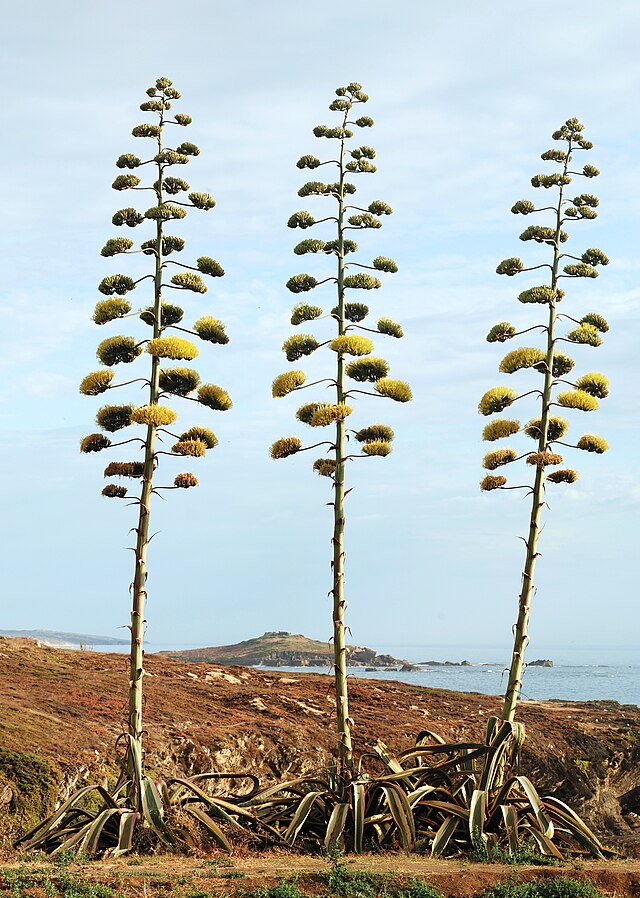
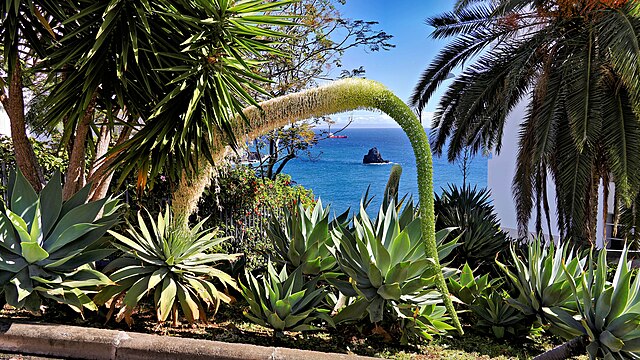
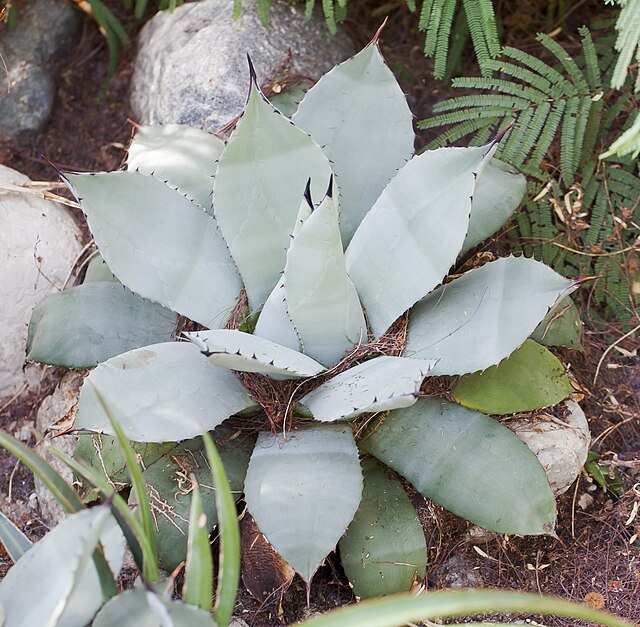
When agave is planted in the ground rather than in a pot, the plant is freed from the constraints of the container and grows into its naturally robust form, exuding tremendous presence. Large specimens unique to in-ground planting—with their dramatic impact—can transform the garden's landscape as focal points of dry gardens or rock gardens. This article explains everything from preparation needed for agave in-ground planting through seasonal care.
Selecting Varieties Suited for In-Ground Planting
Unlike potted plants, in-ground agave cannot be brought indoors in winter, so choosing a variety that can withstand the minimum winter temperatures in your region is crucial.
In warm regions south of the Kanto area, Agave americana, Agave attenuata, Agave parryi, and similar varieties can be planted in the ground. In inland regions where temperatures drop below freezing in winter, your options are limited to cold-hardy varieties such as parryi, montana, and neomexicana.
The purpose of in-ground planting also affects variety selection. If you want a focal point with strong visual presence—like a specimen tree—large varieties such as americana or salmiana are suitable; for accents in rock gardens, medium-sized varieties like parryi or ovatifolia are easier to work with.
Quick Reference Table: In-Ground Suitability by Variety
| Variety | Size | Cold Hardiness | Suitable Regions |
|---|---|---|---|
| americana | Large | Strong | Kanto and South |
| attenuata | Medium to Large | Moderate | Warm Regions |
| parryi | Medium | Strong (tolerates freezing) | Broad regions including inland |
| montana | Medium | Strong | Broad regions including inland |
| neomexicana | Medium | Strong | Broad regions including inland |
| salmiana | Large | Moderate | Kanto and South |
| ovatifolia | Medium | Strong | Broad regions |
| titanota | Small to Medium | Weak | Warm regions only (requires winter protection) |
※ In-ground planting means the plant cannot be brought indoors in winter, making cold hardiness that tolerates your region's minimum temperatures the most critical factor in variety selection.
Selecting the Planting Location
Success or failure of in-ground agave planting is 80% determined by the choice of planting location.
Sunlight A location with full sun throughout the day is ideal. At minimum, ensure at least 6 hours of direct sunlight per day. Insufficient light causes the plant to become leggy and elongated, losing agave's characteristically compact form.
Drainage The most common failure in in-ground agave planting is choosing a location with poor drainage. Clay-based soil carries a very high risk of root rot. Select a high point in the garden or sloped area where rainwater does not accumulate.
Wind Protection Avoid locations where cold north winds blow directly. A spot on the south side of a building or in front of a fence—where wind is buffered—is ideal.
Soil Amendment and Planting Procedure
Japanese garden soil often requires amendment to be suitable for agave cultivation.
Soil amendment steps
- Dig out the planting area to a diameter of at least 60 cm and a depth of at least 40 cm
- Mix the excavated soil with an equal volume of pumice stone (medium grain)
- Add red lava rock (medium grain) and leaf mold to significantly improve overall drainage
- Recommended ratio: garden soil 3 : pumice stone 3 : red lava rock 2 : leaf mold 2
- When backfilling, lay coarse pumice stone about 10 cm deep at the bottom to create a drainage layer
For heavily clay-based soil, raising the planting area 20–30 cm higher than the surrounding ground—creating a "raised bed" effect—dramatically improves drainage.
Planting procedure
- Return the amended soil to the hole and create a shallow depression in the center
- Remove the agave from its pot, gently tease out the root ball, and set it in the depression
- Position the plant so the base of the crown is level with the ground or slightly elevated (deep planting is strictly forbidden)
- Fill soil around the plant and gently firm it to stabilize
- Spread decorative stone (pumice or gravel) around the crown to prevent mud splash
- After planting, refrain from watering for one week to allow roots to dry slightly before the first watering
Planting timing May to June is optimal. Planting during the period of active root growth ensures faster establishment. Autumn planting carries the risk that roots will not establish sufficiently before winter, so it is best avoided.
Seasonal Care
Spring (March–May) Growth resumes during this period. If you discontinued watering in winter, resume watering once temperatures stabilize above 15°C. As new leaves begin to emerge during this time, apply a small amount of slow-release fertilizer at the base of the plant. Remove dead lower leaves that show winter damage to improve appearance.
Summer (June–August) Peak growth season. In-ground agave often needs only rainfall and requires no additional watering except during prolonged hot spells with extreme dryness. Rather, be concerned about excess moisture from extended rainy periods in the wet season; in areas with poor drainage, check the plant base for standing water.
Autumn (September–November) Growth rate slows. From October onward, reduce fertilizer applications. To prepare for winter, reduce watering to tighten up the plant. Autumn is an important time for plants to build reserves for winter, so avoid extreme management changes.
Winter (December–February) Cold-hardy varieties can generally overwinter as-is, but for the first winter or during cold spells, wrapping the plant in horticultural fleece provides extra assurance. If water collects in the crown, it can freeze and cause rot, so wipe away or drain pooled water. Suspend watering entirely, or water lightly on warm days only, no more than once per month.
Enjoying In-Ground Agave
In-ground agave grows larger year after year, reaching a dramatic presence that potted specimens never achieve. Americana, for instance, can grow to a diameter exceeding 1 meter, becoming a landscape focal point worthy of its status. Pups that emerge from the base can be separated and planted elsewhere or gifted to friends. Combining with rock arrangements in rock gardens or creating dry gardens with other drought-tolerant plants like yucca and dasylirion opens up new design possibilities for your landscape.
Maintenance and Long-Term Care After Planting
In-ground agave requires significantly less effort than potted specimens, but some maintenance is still necessary.
Removal of dead lower leaves should be done regularly. Lower leaves naturally die off, but leaving them creates an unkempt appearance and provides hiding places for pests. Remove dead leaves at the base with clean shears.
Pup management is also important. In-ground agave often produces vigorous pups, and if left unchecked, the parent plant becomes surrounded by offspring, throwing off the design balance. Thin out or relocate pups as your design dictates.
Weed control is highly effective through mulching around the plant base. Laying gravel or decorative stone 5–10 cm thick suppresses weeds while maintaining a beautiful dry garden aesthetic. Laying landscape fabric under the gravel further enhances effectiveness.
Typhoon preparedness should not be overlooked. Large in-ground agave are seldom uprooted by wind, but flying debris can damage leaves. When storms are forecast, cover the entire plant in horticultural fleece or, if potted, move it to a sheltered location.
Winter Protection for In-Ground Agave
Winter survival of in-ground agave varies depending on variety cold hardiness and regional climate.
Highly cold-hardy varieties (parryi, ovatifolia, etc.) can often overwinter without special protection in regions south of Kanto. However, during the first year after planting when roots are not fully established, apply thick mulch around the plant base and add horticultural fleece protection for security.
Moderately cold-hardy varieties (titanota, etc.) should be planted only in warm regions. In winter, wrap the entire plant in double protection—horticultural fleece and clear plastic sheeting. If temperatures below −3°C are forecast for the night, consider additional insulation such as blankets or cardboard.
Three Essential Frost Protection Techniques
Horticultural Fleece Cover
For mild frosts down to about −5°C, covering the entire plant with horticultural fleece suffices. Install it the night before frost is expected and remove it during the day to allow photosynthesis. Fleece is breathable, reducing risk of rot, and layering 2–3 sheets increases effectiveness.
Mulching
Spreading leaf mold, wood chips, or gravel 5–10 cm thick around the plant base prevents soil temperature drop and protects roots. Gravel mulch complements a dry garden aesthetic and suppresses weeds—a dual benefit.
Winter Protection in Cold Climates
In regions where temperatures fall below −10°C, fleece alone may be insufficient. Combine with clear plastic or agricultural mulch film for additional insulation, or dig up smaller specimens and overwinter them indoors for certainty.
Drainage Design: Key Points to Avoid Failure
Most in-ground planting failures stem from planting in locations where water accumulates. Keep these points in mind.
- Utilize slope: Choose a site with even a slight slope so rainwater drains naturally
- Coordinate with drainage: Plan planting position so water flows toward existing drainage channels
- Appropriate depth: Digging too deep causes water to pool; limit depth to 20–30 cm
- Avoid concrete edges: Areas near building foundations or concrete have poor drainage and are unsuitable for agave
- Pre-planting observation: The most reliable approach is to observe drainage after heavy rain before planting
The ideal in-ground location is one where "no puddles form after rain" and is "slightly elevated." It is strongly recommended that you observe drainage during one or two heavy rainfalls before finalizing the planting position.
Finding In-Ground-Ready Agave at GrowerDirect
At GrowerDirect, you can purchase agave varieties suited for in-ground planting from specialist growers. When you share your regional climate and garden conditions, you can receive advice on the best varieties and planting guidance. If you want to grow dramatic in-ground agave, consult with growers at GrowerDirect.