Complete Guide to Agave LED Cultivation | Light Intensity (Lux/PPFD), Lighting Duration & Distance Guidelines
Explains the light intensity required for Agave LED cultivation (40,000–60,000 lux / PPFD 500–1,000), daily lighting duration of 12–14 hours, and the recommended distance of 20–40 cm between light and plants in a quick reference table. Introduces how to create an indoor environment that produces compact, well-formed plants without leggy growth.
Key Takeaways
Explains the light intensity required for Agave LED cultivation (40,000–60,000 lux / PPFD 500–1,000), daily lighting duration of 12–14 hours, and the recommended distance of 20–40 cm between light and plants in a quick reference table. Introduces how to create an indoor environment that produces compact, well-formed plants without leggy growth.
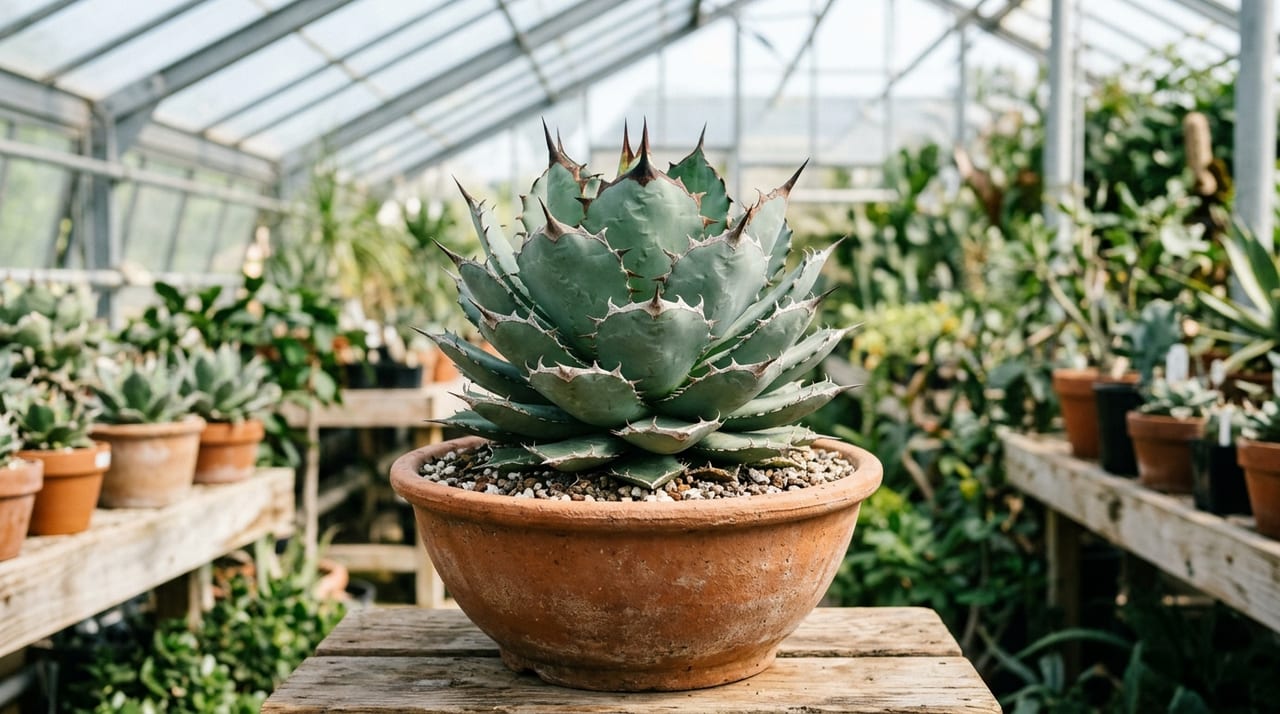
Agave indoor LED cultivation is a modern cultivation style that provides a stable light environment unaffected by weather or seasons. Particularly for popular varieties like Titanota and Horrida, aiming for "tightly formed, compact plants," LED cultivation is an extremely effective approach. By combining appropriate light intensity, lighting duration, and environmental management, you can achieve plants with tight, well-formed shapes indoors that rival outdoor cultivation. This article summarizes the essential knowledge for getting started with LED cultivation.
First, the Summary | Agave LED Cultivation Settings at a Glance
| Item | Target |
|---|---|
| Light intensity (illuminance) | 40,000–60,000 lux |
| Light intensity (PPFD) | 500–1,000 μmol/m²/s |
| Lighting duration | 12–14 hours per day (timer-controlled; 24-hour lighting is not recommended) |
| Distance from light to plants | 20–40 cm from plant apex (adjust based on output) |
| Temperature | 15–30°C |
| Humidity | 40–60% |
| Air circulation | Continuous airflow with a circulator fan |
Start with these settings and make fine adjustments while observing your plants' condition—this is the quickest path to success. The rationale behind each value and adjustment methods are explained in detail below.
Light Intensity Guidelines for LED Cultivation
Agave is a succulent that loves strong light, so securing sufficient light intensity is the top priority in LED cultivation. Aim for approximately 40,000–60,000 lux at the plant surface. In terms of photosynthetic photon flux density (PPFD), the ideal range is 500–1,000 μmol/m²/s.
When light intensity is insufficient, the following symptoms appear:
- Leaves become thin and elongate widely
- Internode spacing increases, resulting in a "leggy" plant form
- Leaf color fades, and natural coloration fails to develop
Conversely, if the lighting distance is too close, leaves will burn and turn white—these discolored areas will not recover. It's safest to start with weaker light during the initial setup phase and gradually increase intensity over 2–3 weeks through a "light acclimation" process.
When using commercial LED panels, rather than relying on the rated power consumption in the catalog, it's strongly recommended to verify the actual PPFD values from the manufacturer's datasheet or to measure directly with an illuminance meter or PAR meter.
Choosing LED Lights
The ideal LED lights for Agave cultivation are full-spectrum plant-growth LEDs. While standard white LEDs can support growth, plant-specific LEDs deliver the necessary wavelengths more efficiently, resulting in better results per unit of electricity cost.
Checklist for Selection
- Power consumption: For 1–2 plants, a panel-type LED around 100W is a good starting point. For more plants, consider 200W or higher
- Red wavelength (620–680 nm): Promotes photosynthesis and supports overall growth
- Blue wavelength (430–470 nm): Suppresses internode elongation and creates compact, tight plant form
- Heat dissipation design: Products with robust heat sinks extend LED chip lifespan and are suitable for long-term use
- Reliable driver: Budget no-name products tend to have poor driver component durability, so choose established brands
Purple-spectrum LEDs (red + blue only) are highly photosynthetically efficient but have the drawback that plant appearance is harder to observe. If aesthetics matter, full-spectrum products that include white are easier to manage.
Setting Lighting Duration and Distance
Lighting Duration
12–14 hours per day is appropriate. Using a timer outlet to automatically turn lights on and off at the same times daily helps stabilize the plant's internal rhythm.
Avoid 24-hour lighting. Most plants, including Agave, require a dark period (night), and continuous uninterrupted light can cause photoinhibition or stunted growth.
Distance Between Light and Plants
A general guideline is 20–40 cm from the plant apex, but this varies significantly depending on the LED's output. After installation, fine-tune by observing the following signs:
| Symptom | Action |
|---|---|
| New leaves are thin and elongated | Move light closer |
| Leaf tips or margins appear white and burnt | Move light farther away |
| Leaf color is dark and plant growth is compact | Maintain current position |
When managing multiple plants in a row, light intensity tends to vary between the center and edges, so regularly rotating pot positions ensures uniform growth.
Setting Up the Indoor Environment
Simply providing adequate light is not enough to unlock an Agave's full potential. Combining light with other environmental factors is key to growing compact, tight plants.
Air Circulation and Temperature
Continuous airflow with a circulator fan is strongly recommended. Air movement provides physical stimulus to stems and leaves, encouraging thicker, more robust tissue development. Additionally, moving moisture away from leaf surfaces helps prevent disease.
Temperatures in the 15–30°C range are ideal. If winter room temperatures drop below 10°C, consider installing a heat mat or growing tent.
Humidity and Watering
Humidity in the 40–60% range is optimal. Extended high humidity increases the risk of root rot and fungal issues. Follow the principle of watering only after the soil is completely dry. Because LED environments have less transpiration than outdoor settings, space out watering intervals longer than outdoor cultivation.
Soil Selection
For indoor LED cultivation, prioritize drainage with an inorganic potting mix. A mix centered on red soil, volcanic ash, and perlite with minimal organic matter is a fail-safe choice. If the soil takes longer than 3–5 days to dry after watering, that's a signal to reconsider your soil mix.
Common Mistakes and Solutions
Here are common pitfalls for LED cultivation beginners:
- Leggy growth occurs: Light deficiency is the main cause. Verify PPFD measurements to ensure at least 500
- Leaf burn appears: Light acclimation was insufficient. Follow the light acclimation steps
- Root rot develops: Poor drainage soil and overwatering are the culprits. Switch to inorganic soil and extend watering intervals
- Color development falls short of expectations: Agave coloration also depends on daytime–nighttime temperature differences. In winter, deliberately lowering nighttime temperature can improve color development
Start LED Cultivation with Confidence at GrowerDirect
At GrowerDirect, you can purchase Agave directly from experienced growers skilled in LED cultivation. Many growers offer compact, tightly-formed plants cultivated in LED environments, and you can get specific advice about equipment and management methods before purchasing.
Plants already acclimated to LED environments allow stable, immediate management after setup. Compared to bringing outdoor-cultivated plants indoors, the risks of leaf burn and leggy growth are significantly reduced.
Moreover, because GrowerDirect connects you directly with growers, you receive excellent post-purchase support—such as "compatibility with your LED environment" and "what to watch for in post-purchase care." Whether you're a complete beginner to LED cultivation or have some experience, connecting with skilled growers gives you confidence to get started.