Complete Care Guide for Agave oteroi | Tips for Training Beautiful Large Rosettes
We explain the characteristics and cultivation of Agave oteroi, a large agave native to Oaxaca, Mexico. From placement location and soil to watering and overwintering—a practical guide for those beginning to cultivate this species.
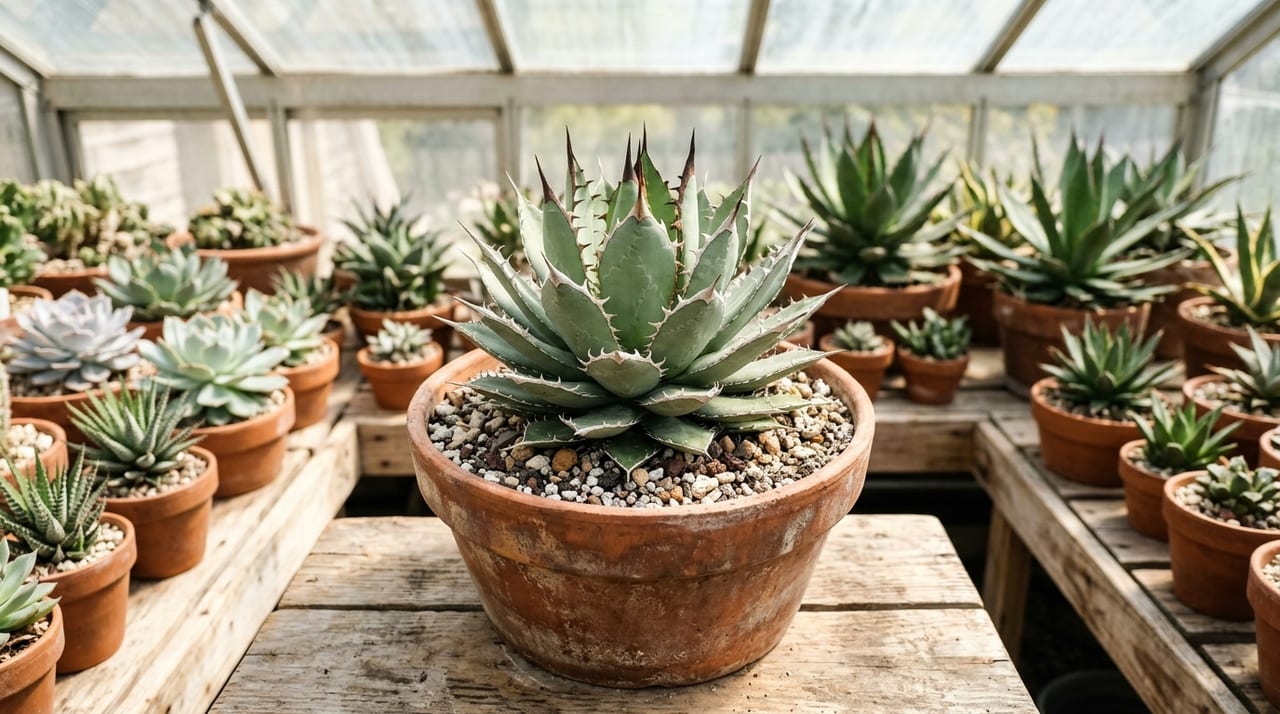
Key Takeaways
We explain the characteristics and cultivation of Agave oteroi, a large agave native to Oaxaca, Mexico. From placement location and soil to watering and overwintering—a practical guide for those beginning to cultivate this species.
Related Species
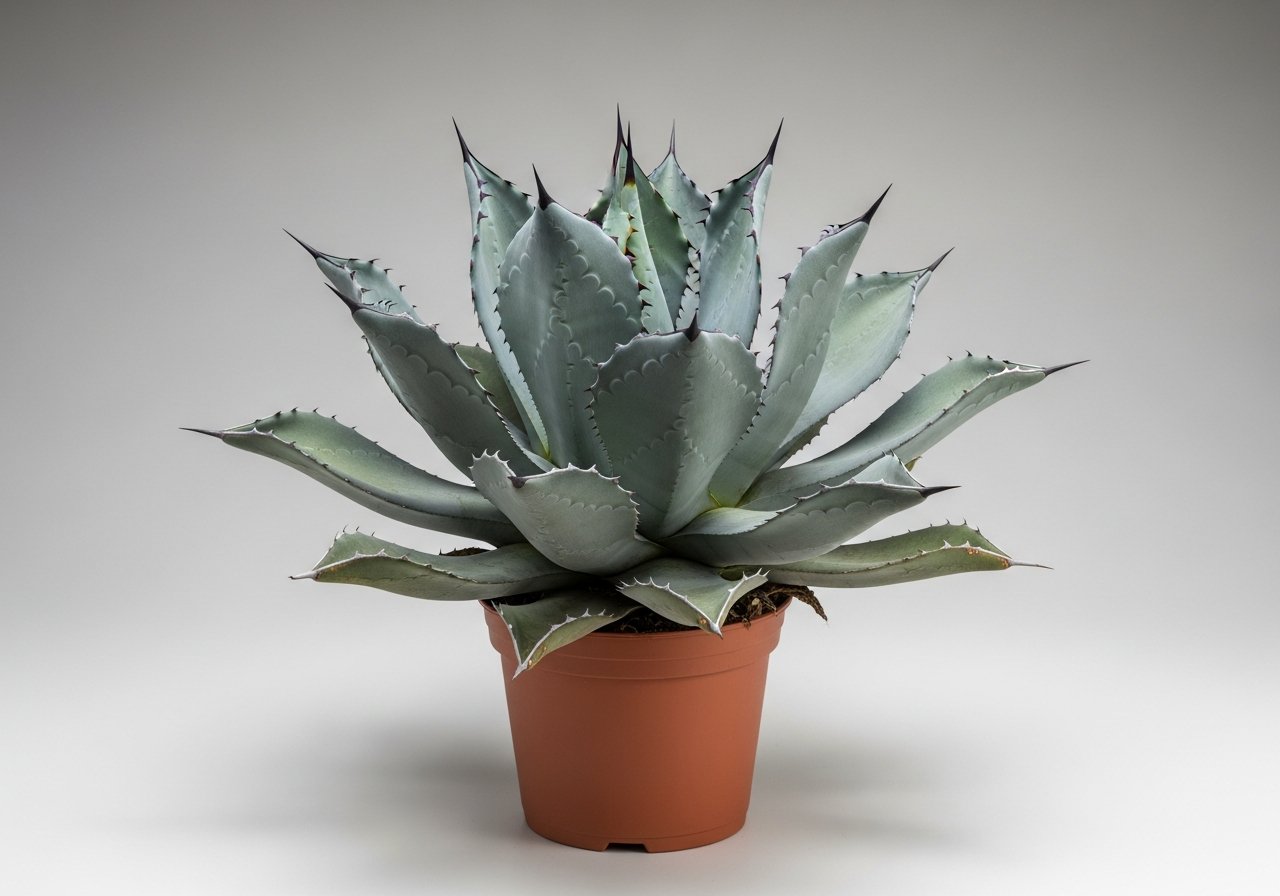
Agave oteroi (Agave oteroi) is a large agave native to the arid mountainous regions of Oaxaca, Mexico. Its greatest charm lies in its impressive rosette, with powdery gray-green leaves spreading radially, which can exceed one meter in diameter when mature. In recent years, its popularity has grown among succulent and agave enthusiasts, earning support from those seeking landscape-quality specimens to serious collectors alike. This article provides practical guidance on cultivating a beautiful rosette at home—from the plant's basic characteristics to placement, soil, watering, and overwintering management.
What Kind of Plant Is Agave oteroi?
Taxonomically, Agave oteroi belongs to a group with broad, thick leaves and is often considered a close relative of Agave ovatifolia (Agave ovatifolia). Its leaves are relatively short and rounded, with a powdery white coating on the surface that creates a beautiful silvery sheen depending on the angle of light. While the leaf tips bear sharp spines, unlike Titanota-type agaves that emphasize spine sharpness, oteroi's ornamental value lies in the overall volume and refined coloring of the foliage.
Growth is relatively slow, taking several years to develop into a dynamic specimen in outdoor ground plantings. Even in containers, with adequate light and well-draining soil, you can enjoy a compact yet well-formed rosette. With enough presence to serve as a focal point in the garden, it is highly valued as a landscape planting.
Placement and Light Management Tips
Agave oteroi is a succulent that thrives in strong sunlight. Insufficient light causes leaves to elongate and turn more green, losing their characteristic silvery tone. To maintain a beautiful rosette, it is important to ensure as much direct sunlight as possible.
When managing outdoors, keep the following points in mind when choosing a location.
- Choose a south- or southeast-facing open location that receives 5–6 hours or more of direct sunlight daily
- Ensure good air circulation. Excessive humidity from spring through summer can cause root rot and leaf rot, so provide space for adequate airflow
- Be cautious of excessive rainfall. Managing the plant under an eave or covered area helps prevent overwatering
- Moving the plant suddenly from indoors to full sun in midsummer can cause leaf burn. Acclimate the plant gradually over several days using shade cloth or similar protection
For indoor management, a south-facing windowsill or balcony with direct sunlight is preferable to a lace-curtained window. Placing the plant outdoors several times a week for sunbathing significantly improves leaf color, gloss, and substance.
Soil and Repotting Technique
Like all agaves, Agave oteroi detests excessive moisture. The basic approach is to start with commercial succulent and cactus potting mix and blend in additional materials to improve drainage. A recommended ratio is approximately succulent mix : small-grain akadama : pumice or perlite = 5 : 3 : 2. Ensuring water flows smoothly out of the pot's drainage holes after watering is the first step in preventing root rot.
The best time to repot is from spring through early summer when roots are actively growing. Repotting is also indicated when signs of root-boundness appear (roots protruding from drainage holes, water absorption becoming difficult, etc.). The procedure is as follows.
- Stop watering several days before repotting to dry the soil and roots
- Remove the plant from the pot, remove old soil, and use clean scissors to remove damaged or rotting roots
- Dry the cut surfaces in shade for half a day to one day until completely dry
- Plant in fresh, well-draining soil, making sure to add drainage material to the pot bottom
- Do not water for 3–5 days after repotting; allow cut root surfaces to dry completely before resuming normal watering
As the plant matures and its center of gravity rises, using an unglazed clay pot or heavy terracotta prevents tipping and provides a breathable, root-friendly environment.
Basics of Watering and Fertilizing
The basic watering principle is "water thoroughly when dry." During the growing season from spring to autumn, confirm the soil is dry not just on the surface but throughout the pot (lifting the pot to feel its weight) before watering thoroughly. Conversely, soil that remains constantly wet invites root rot, so prioritizing a distinct wet-dry cycle is more important than frequent watering.
Minimal fertilizer is sufficient. During the growing season, either place a slow-release solid fertilizer away from the base of the plant, or apply diluted liquid fertilizer (approximately half recommended strength) about once a month. Excessive fertilizer softens leaves and causes them to elongate, making it difficult to maintain a compact, attractive rosette. Cease fertilizing entirely in winter when the plant enters dormancy.
Overwintering Management and Pest Control
Cold hardiness is moderate for agaves and varies depending on plant vigor and regional climate. In the plains south of the Kanto region, outdoor overwintering may be possible, but frost protection is essential in areas with sustained freezing temperatures or frost exposure.
For outdoor in-ground plantings, cover the entire plant with frost cloth or non-woven fabric when frost begins to arrive, protecting the center of the foliage (growing point) in particular. For container plants, bring them indoors to a bright windowsill during winter and reduce watering drastically to once or twice monthly, managing the plant in a near-dry state. Overwatering during this period risks rapid root rot due to the combined effect of cold, so caution is necessary.
Pay particular attention to the following pests and diseases.
- Scale insects and aphids: Tend to appear on leaf bases and undersides. Remove immediately with an old toothbrush or treat with insecticide
- Crown rot: Decay begins at the center of the foliage in persistently humid conditions, such as during the rainy season. The primary preventive measure is protecting the plant from rain to avoid excessive humidity
- Root rot: Progresses rapidly when excessive moisture and cold combine. Prevention relies on well-draining soil and proper watering management
Training an Even More Beautiful Large Rosette
To bring out Agave oteroi's full appeal, keep several practices in mind beyond daily care. First, avoid moving the plant frequently. Agaves slowly orient their leaves toward the light source, so maintaining a consistent orientation results in an evenly balanced, beautifully formed rosette.
Dust or dirt on leaves should be removed regularly with a soft brush or dry cloth to preserve the powdery texture and coloring. The white coating on leaf surfaces acts as a natural protective layer against sunburn and desiccation, so avoid rinsing with water or vigorous rubbing.
The satisfaction of cultivating this plant slowly over years, watching it mature into a specimen, is incomparable to quick-grown potted plants. With proper care and a little patience, Agave oteroi will reward you—a truly rewarding agave to grow.