Agave Titanota vs. Horrida Complete Buyer's Guide | Comprehensive Price Comparison, Cultivation Difficulty, and Where to Buy
A comprehensive price comparison, cultivation difficulty analysis, size considerations, and sourcing guide for Agave titanota and horrida. This expert guide helps you decide which variety suits you best, with detailed explanations of each plant's characteristics and purchasing tips.
Key Takeaways
A comprehensive price comparison, cultivation difficulty analysis, size considerations, and sourcing guide for Agave titanota and horrida. This expert guide helps you decide which variety suits you best, with detailed explanations of each plant's characteristics and purchasing tips.
Related Species
Titanota and Horrida: What's the Difference?
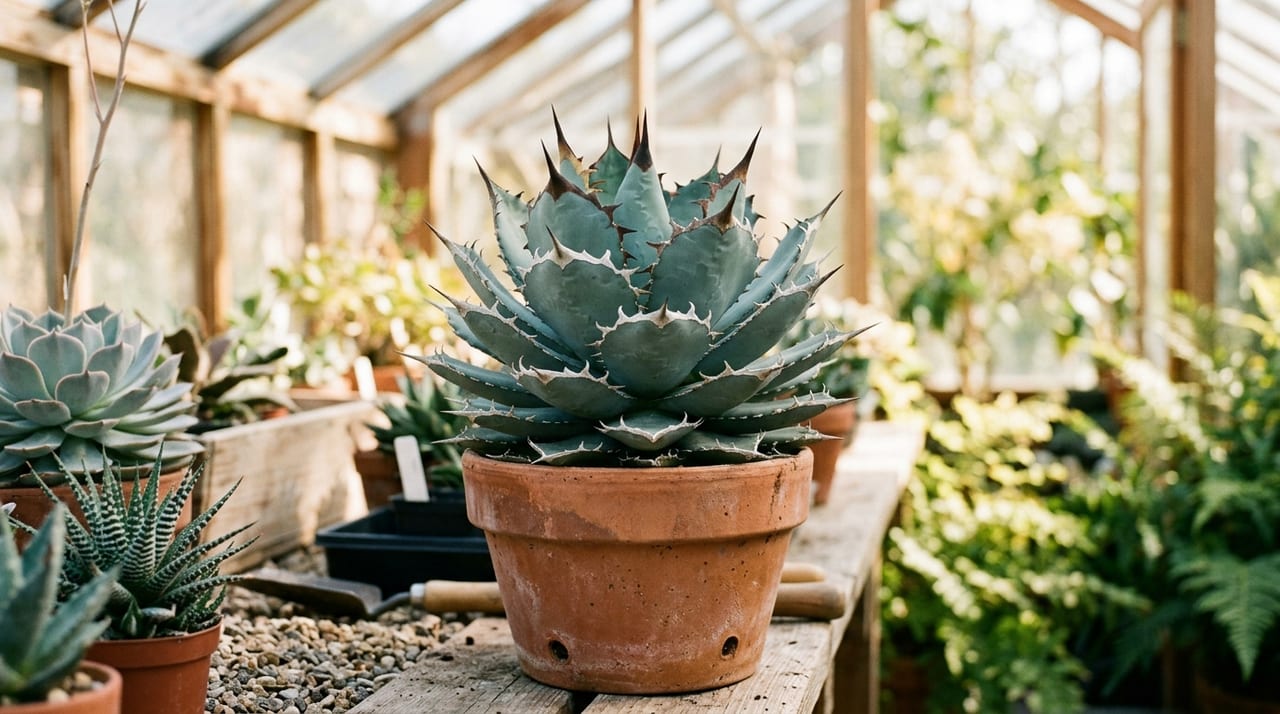
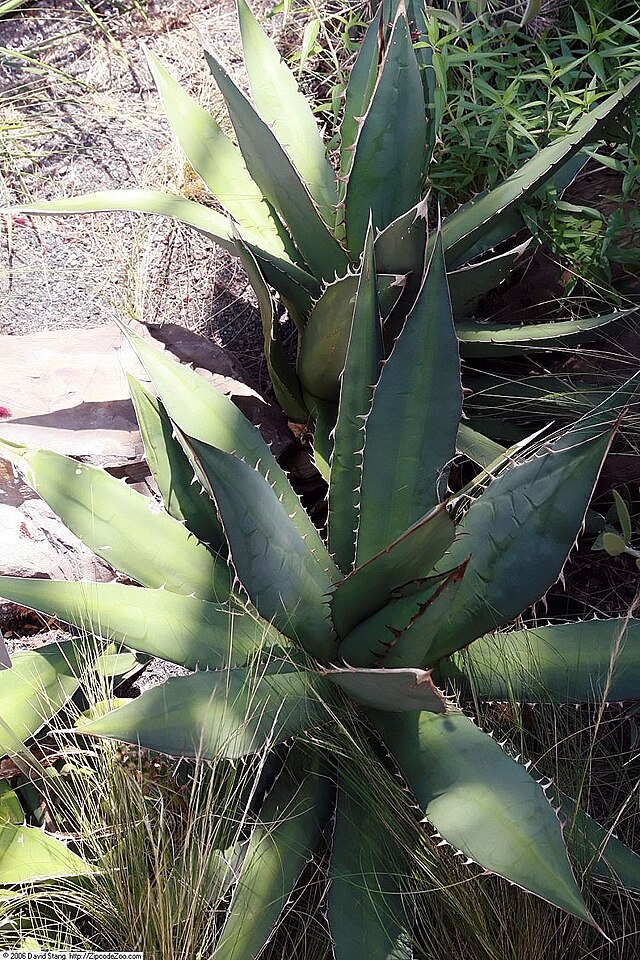
Agave titanota and Agave horrida are both mid-sized Mexican agaves highly popular with domestic collectors. While they appear similar on the surface, they have clear differences in leaf shape, spine color, size, and cultivation characteristics.
Most existing comparison articles focus on visual differences, but this guide takes a practical approach, addressing "which should you choose?" and "how to grow it after purchase?" For those wanting a more detailed breakdown of varietal appearance differences, the Agave Titanota Variety Catalog is also recommended.
Basic Morphology Comparison
| Feature | Titanota | Horrida |
|---|---|---|
| Leaf color | Blue-gray to grayish-green | Green to dark green |
| Spine color | White to pale beige | Black to dark brown |
| Leaf width | Relatively wide | Narrower than titanota |
| Leaf curvature | Straight, resistant to bending | Curves upward easily |
| Mature size | 40–80 cm diameter | 30–60 cm diameter |
| Serrated edges (leaf margin) | Coarse and conspicuous | Fine and delicate |
Varietal Diversity
Titanota has numerous selected clones and named varieties such as "White Ice," "Black & Blue," "Red Cat Whiskers," and "FO-76." In contrast, horrida is typically evaluated primarily by origin and individual specimen differences rather than by cultivar name, and is not as finely subdivided as titanota. When unsure about daily cultivation differences, consulting the Titanota and Horrida Care Differentiation Guide to compare management points can help clarify your decisions.
Price Range Comparison (as of 2026)
Agave Titanota
| Size/Variety | Price Range |
|---|---|
| Seed-grown 1–2 years (small seedling) | ¥500–¥3,000 |
| Seed-grown 3–5 years (medium plant) standard | ¥3,000–¥15,000 |
| Named selected varieties (White Ice, etc.) | ¥10,000–¥100,000+ |
| Imported bare-root | ¥5,000–¥50,000 |
Titanota is characterized by a wide range of varieties and selected clones, with an extremely large price gap between named premium varieties and common retail specimens.
Agave Horrida
| Size | Price Range |
|---|---|
| Seed-grown 1–2 years (small seedling) | ¥500–¥2,000 |
| Seed-grown 3–5 years (medium plant) | ¥2,000–¥10,000 |
| Imported premium specimens | ¥5,000–¥30,000 |
Horrida is not as finely subdivided as titanota and has fewer named premium varieties, so overall pricing is more stable compared to titanota. While rare selected clones do exist, prices do not spike as dramatically as with titanota's top varieties.
Cultivation Difficulty Comparison
Watering
Titanota: Drought-tolerant but sensitive to overwatering. Water 2–3 times per month in summer (growing season) and about once per month in winter (dormancy).
Horrida: Like titanota, it prefers dryness, but many specimens show a tendency to appreciate more water. In summer, it can tolerate weekly or bi-weekly watering.
Light Management
Both prefer strong light. Keeping them outdoors with adequate direct sunlight maintains compact, attractive form.
| Management Area | Titanota | Horrida |
|---|---|---|
| Minimum cold tolerance | ~0–5°C | ~0–5°C |
| Summer direct sun | Tolerates (no shade required in most cases) | Tolerates |
| Recommended container | Terracotta / deep pot | Terracotta / deep pot |
| Root growth pattern | Somewhat deep-rooting | Spreads horizontally |
Overall Difficulty Rating
- Titanota: ★★★ (Intermediate). Selected varieties easily lose aesthetic appeal with poor care.
- Horrida: ★★☆ (Early-Intermediate). Relatively hardy and beginner-friendly.
Which Should You Choose? A Situation-Based Guide
For First-Time Agave Growers
Horrida is recommended. It's affordable, less finicky than titanota, and more forgiving of mistakes. Its beautiful black-spined form provides plenty of satisfaction.
For Building a Collection
Titanota (named selected varieties) is recommended. Varieties like White Ice and FO-76 have high future value and rarity; acquiring a quality specimen provides years of enjoyment. However, careful price evaluation is essential.
For Budget-Conscious Growers
Both are available as common seed-grown seedlings starting from ¥1,000–¥3,000. Starting with small plants and nurturing them into mature specimens over five years offers the best value for money.
For Limited Space
Titanota (compact selected varieties) is recommended. Some titanota lines grow slowly and remain compact, allowing you to enjoy a collection even in limited space.
Sourcing Guide by Channel
GrowerDirect Sales (Highly Recommended)
Growing conditions, parent plants, and sowing dates are usually provided, ensuring the best quality assurance. Platforms like GrowerDirect allow you to compare and purchase with detailed photos.
Garden Events and Exhibitions
Ideal for purchasing high-value varieties, as you can inspect specimens in person and assess their texture and form. Many are held annually from April to June.
Online Auctions (Use Caution)
Listed variety names may be inaccurate. Be particularly cautious of "titanota-type hybrid specimens" misidentified as premium varieties. Prioritize sellers with positive feedback.
Important Points When Purchasing
Verify Cultivar Information
Titanota misidentification can be an issue. Verify the following before purchasing:
- Seller's history and reviews
- Photos of parent plants (if available)
- Source of seeds and sowing date documentation
Risks of Pre-Rooted Bare-Root Specimens
Imported bare-root specimens are sometimes sold before rooting. Proper rooting requires temperature (25–30°C), adequate light, and bottom heat (heat mat). Beginners should purchase rooted specimens. Detailed rooting procedures are explained in the Complete Agave Rooting Management Guide.
Summary
Though titanota and horrida appear similar, they differ significantly in price range, varietal diversity, and collectibility.
- To start with an affordable, easy-to-grow variety → Horrida
- To cultivate a valuable specimen for your collection → Titanota (selected varieties)
- To explore agave as a beginner → Either species' seed-grown seedlings are available starting from ¥1,000–¥3,000
Purchase from trusted growers and specialist retailers with full transparency, and enjoy the pleasures of cultivation for years to come.