What is the Cold Hardiness Temperature of Agave? | Cold Hardiness Guide by Variety (Horrida, Titanota, etc.) and Winter Care
We've compiled agave cold hardiness temperatures by variety. This guide covers 13 varieties including Horrida (−5 to −7°C), Titanota (−2 to 0°C), and Parryi (−15 to −20°C), plus optimal growth temperatures, frost protection, and criteria for bringing plants indoors.
Key Takeaways
We've compiled agave cold hardiness temperatures by variety. This guide covers 13 varieties including Horrida (−5 to −7°C), Titanota (−2 to 0°C), and Parryi (−15 to −20°C), plus optimal growth temperatures, frost protection, and criteria for bringing plants indoors.
Related Species
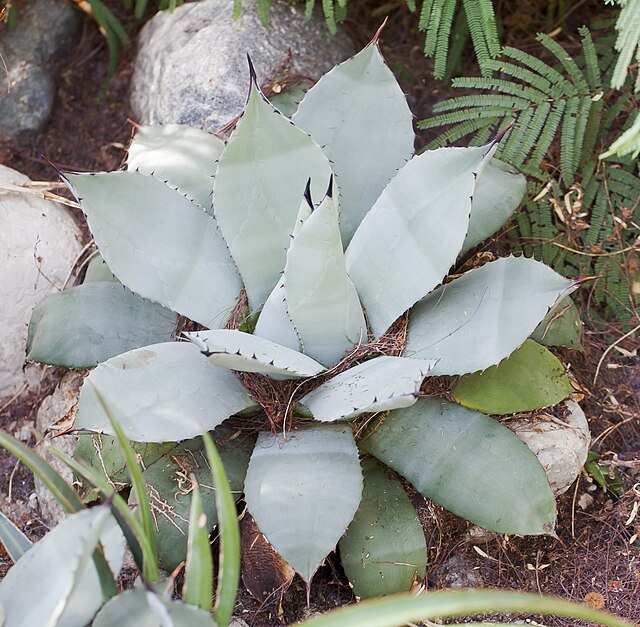
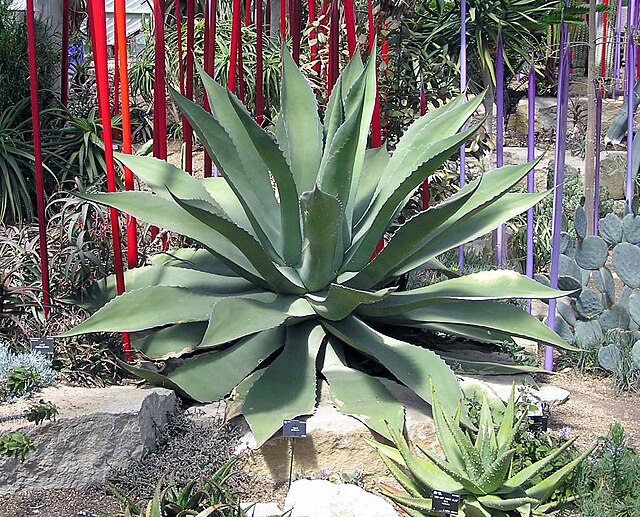
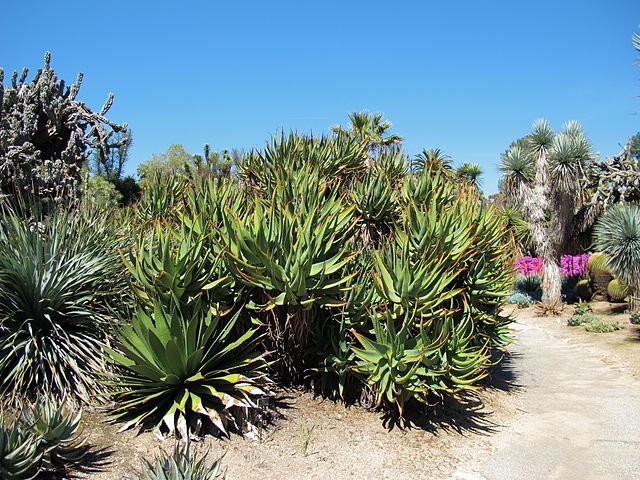
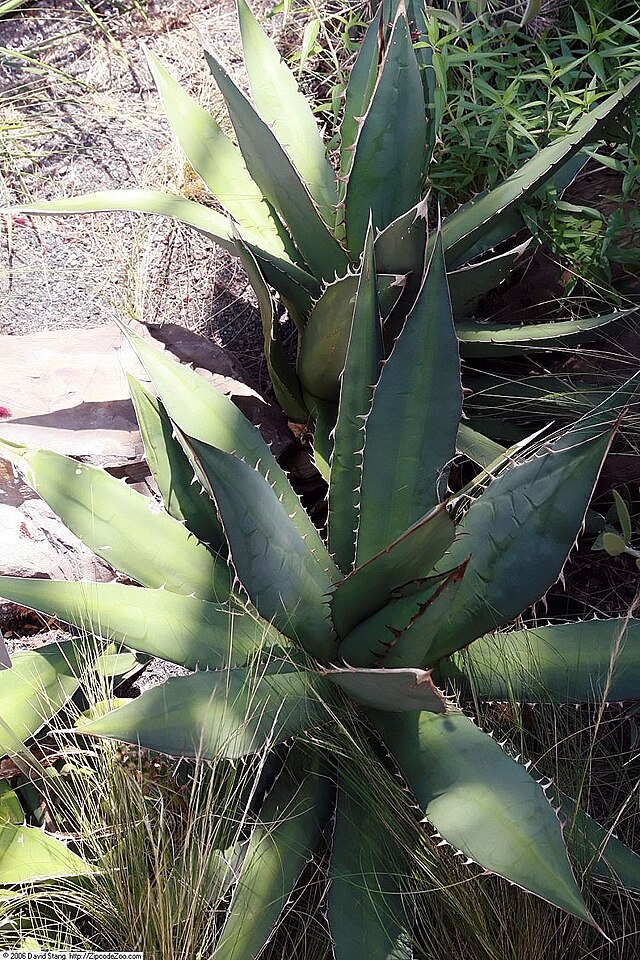
Agave Cold Hardiness Varies Greatly by Variety
Agave is a succulent native to Mexico and the southwestern United States. The image of a "desert plant" tends to dominate, but in reality, many cold-hardy varieties naturally occur in high mountain regions above 2,000 meters elevation. Even within the same genus "Agave," varieties from tropical lowlands and those from highland regions can differ in their minimum survivable temperature by 20°C or more.
When growing agave in Japan, one of the most crucial management tasks is "winter overwintering." Without accurately understanding the cold hardiness of each variety, leaving plants outdoors year-round can result in leaf necrosis from frost and freezing, and in the worst case, the entire plant may die. Conversely, managing plants indoors more than necessary carries the risk of etiolation and weakening. Let's practice winter care suited to each variety with correct knowledge.
Cold Hardiness Temperature Quick Reference by Variety
Here is a summary of cold hardiness temperatures for major varieties to check before purchase and when deciding winter placement. The figures represent "minimum temperatures tolerable when soil is dry and cold exposure is brief". Even for the same variety, damage will occur at higher temperatures if the plant or soil is wet, freezing persists for many days, or strong wind is present.
| Variety (Common Name) | Scientific Name | Cold Hardiness Range | Outdoor Overwintering in Kanto Plains |
|---|---|---|---|
| Parryi | Agave parryi | −15 to −20°C | Possible (in-ground planting also feasible) |
| Montana | Agave montana | −12 to −15°C | Possible (in-ground planting also feasible) |
| Utahensis | Agave utahensis | Around −15°C | Possible (rain protection recommended) |
| Ovatifolia | Agave ovatifolia | Around −12°C | Possible |
| Striata | Agave striata | Around −10°C | Possible |
| Americana | Agave americana | −8 to −10°C | Possible |
| Victoriae-reginae | Agave victoriae-reginae | −7 to −10°C | Possible (rain protection recommended) |
| Filifera | Agave filifera | Around −7°C | Possible (rain protection recommended) |
| Horrida | Agave horrida | −5 to −7°C | Possible with frost protection |
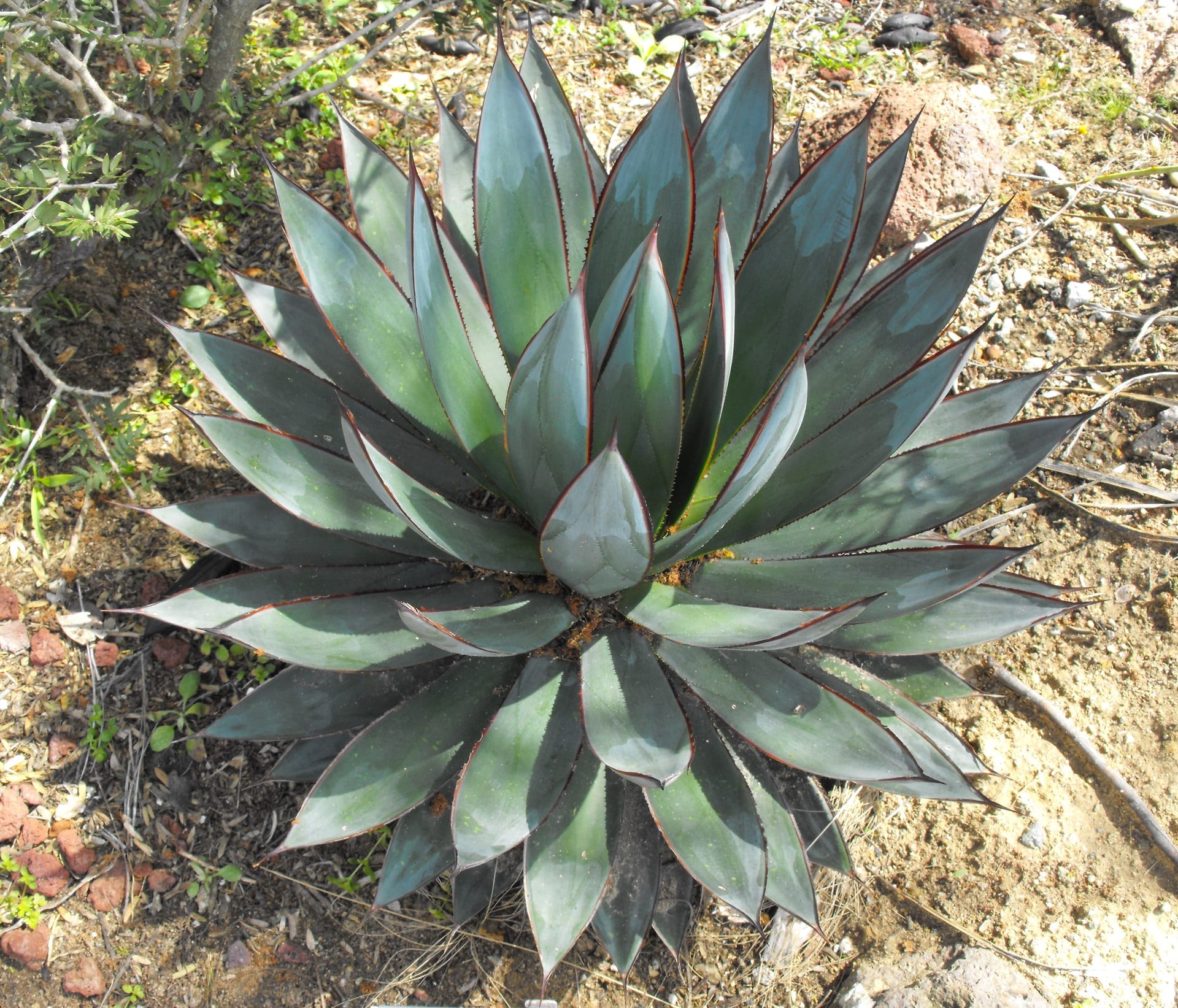
| 'Blue Glow' | Agave 'Blue Glow' | −4 to −6°C | Frost protection essential |
| Titanota / Oteroi | Agave titanota / oteroi | −2 to 0°C | Frost protection essential (eaves recommended) |
| Potatorum | Agave potatorum | Around 0°C | Indoor recommended |
| Attenuata | Agave attenuata | 3 to 5°C | Indoor required |
The figures in the table represent only the "minimum temperature to prevent plant death," which is separate from the "minimum to prevent leaf damage." For example, Titanota will not die at −2°C, but a single frost around 0°C can cause brown discoloration on the leaf surface, and these scars persist into the following season. To maintain ornamental value, manage plants about 5°C higher than the figures shown in the table.
Optimal Growth Temperature for Agave and Guidelines for When Temperature Drops
To decide "how cold can it be kept outdoors," understanding not just cold hardiness but also where growth halts helps eliminate confusion.
- 20 to 35°C: The temperature range where growth is strongest. This is the period to provide sufficient water and light to develop a tight, well-formed plant.
- Around 15°C: Growth becomes gradual. This is the time to begin spacing out watering.
- 10°C and below: Growth nearly ceases in most varieties. This is the timing to switch to complete drought (no watering).
- 5°C and below: Leaf damage begins in cold-sensitive varieties. Move indoors.
- 0°C and below: Even moderately cold-hardy varieties require frost protection. Freezing wet soil damages roots.
Many plants show signs of decline in mid-summer when temperatures exceed 35°C, but this is not due to high temperature itself but rather rot caused by the combination of heat and excess moisture. Opposite to winter, summer prioritizes ensuring good air circulation.
For more detailed information on choosing winter-hardy varieties and creating outdoor spaces for cold climates, refer to the Cold-Hardy Agave Variety Guide. This article is for confirming "what is the minimum temperature my current variety can tolerate," while that guide is for "I want to select a cold-hardy variety going forward."
Detailed Cold Hardiness Levels by Variety
High Cold Hardiness (−10°C and below)
This group can overwinter outdoors across most of Japan.
Agave parryi is one of the most cold-hardy species in the Agave genus, naturally occurring at 1,500–2,700 m elevation in Arizona, USA. In the wild, it is said to tolerate temperatures near −20°C, making in-ground overwintering very feasible in regions west of the Kanto area. The gray-blue compact rosette is beautiful and highly ornamental.
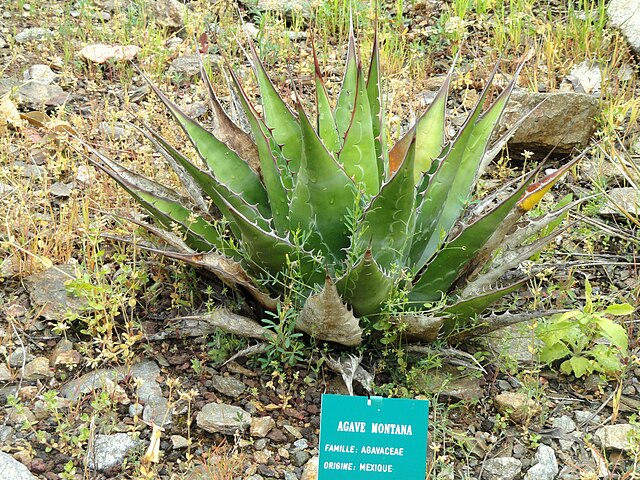
Agave montana is a large species native to cloud forests of northeastern Mexico at 2,500–3,500 m elevation. It grows in winter-snow environments in its native habitat, giving it exceptional cold hardiness among Agave species. The blue-green wide leaves and the serration marks (bud-print) visible on the undersides are beautiful, and the variety is gaining popularity for combining high cold hardiness with ornamental appeal.
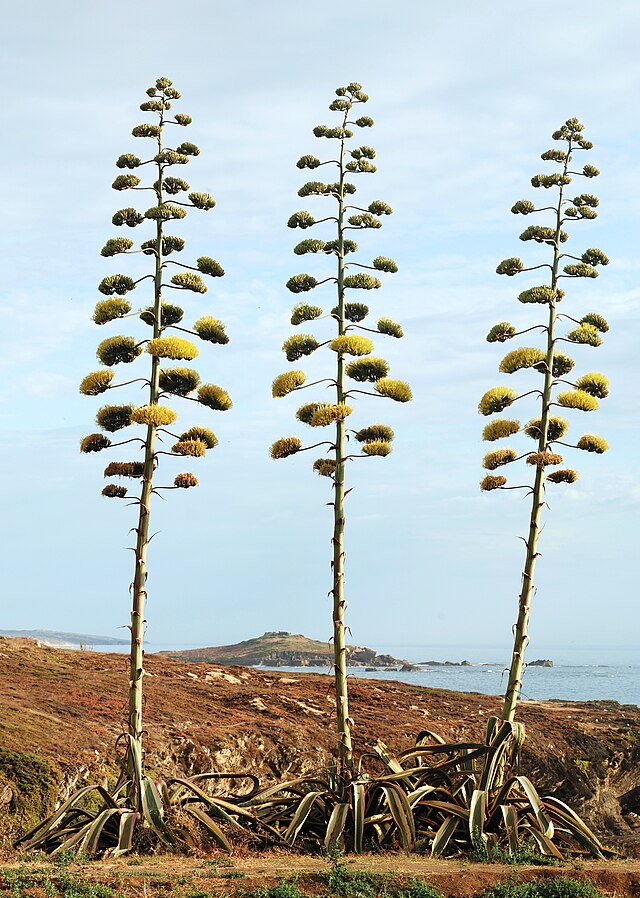
Agave americana, also called "century plant," is a large species that can exceed 2 m in leaf spread when mature. It overwinters outdoors without issue in warm regions. The blue-green foliage and strong architectural form make it popular as a signature plant in gardens.
Agave utahensis is a small species native to dry rocky areas of Utah and Nevada, USA, and ranks among the highest in cold hardiness. It naturally forms a compact habit while remaining tight and disciplined, making it easy to manage in containers.
Moderate Cold Hardiness (down to around −5°C)
Outdoor overwintering is possible in mild regions, but protection is needed where frost occurs.
Agave horrida is a medium-sized species native to rocky areas around 2,000 m elevation in central Mexico, characterized by black, hard teeth with sharp tips, as the name suggests. At −5 to −7°C, it is moderately more cold-hardy than Titanota. Outdoor overwintering with frost protection is possible in the Kanto plains, though moving plants under eaves on nights below 0°C will reliably preserve the beauty of the teeth if desired. Drought-hardened soil tolerates low temperatures well, but if soil freezes while wet, roots sustain damage; practice complete drought (no watering) in winter even more strictly than with Titanota.
Agave titanota is a variety whose collector popularity has surged in recent years, characterized by sharp teeth and white filaments. Moderate cold hardiness means frosting around 0°C easily causes brown leaf discoloration. With frost protection measures, outdoor overwintering is possible south of the Kanto region. For cultivation tips, also refer to the Titanota and Horrida Cultivation Guide.
Agave potatorum, known by the common name "Raijin" (Thunder God), is a medium-sized variety popular for its broad leaves and vivid teeth. Moderate cold hardiness makes indoor management recommended in cold regions. Also, while drought-tolerant, it is weak in low-temperature high-moisture conditions, requiring careful winter watering management.
Weak Cold Hardiness (below 5°C is risky)
Agave attenuata is a representative "soft agave" lacking teeth, widely available as ornamental, but has low cold hardiness and begins to show damage below 5°C. In regions north of the Kanto area, plants must always be brought indoors during winter.
Similarly, many ornamental varieties native to tropical and subtropical lowlands are cold-sensitive, and root damage accumulates in environments below 5°C.
Regional Outdoor Overwintering Feasibility by Climate Zone
Guidelines adjusted to Japan's climate regions are as follows:
- Okinawa and southern Kyushu: Nearly all varieties can overwinter outdoors. No issues with cold-sensitive varieties.
- Northern Kyushu, Shikoku, Kansai, Tokai, and Kanto plains: Cold-hardy to moderately hardy varieties can overwinter outdoors. Titanota benefits from frost protection.
- Inland Kanto, Koushinshin, and Hokuriku: Only the highest cold-hardy varieties (Parryi, Americana, etc.) can be left outdoors; others require indoor management.
- Tohoku and Hokkaido: Indoor winter management is recommended for nearly all varieties. Even Parryi requires protection in regions where ground frost appears.
Note that even within Kanto, urban and inland areas can differ by 5°C or more in minimum temperature. Determine your actual local minimum based on weather data for your growing location. Cold-hardiness standards for succulents in general are also organized in the Houseplant and Succulent Winter Care Guide, so checking that alongside this article will keep your decisions consistent.
Specific Countermeasures Against Frost, Snow, and Freezing
Frost protection is the most effective safeguard. Simply covering the entire plant with non-woven fabric (agricultural hot caps or horticultural sheets) prevents direct frost damage from radiant cooling. Even moving plants to a location like an eaves or wall edge where falling cold air is blocked is effective.
Snow management is also important. Heavy wet snow accumulating between leaves can snap them, and melting snow can create waterlogged soil at the base. In snowy regions, moving pots under eaves or into a simple greenhouse, or covering with non-woven fabric in a dome shape, is recommended.
Drought management (no watering) is fundamental to winter survival. During winter (November through February), nearly eliminate watering and maintain dry soil. Freezing wet soil physically destroys root cells. Particularly in containers, poorly draining soil carries higher freezing risk; check your soil condition before winter. For seasonal watering frequency guidelines, see the Agave Watering Guide to help with drought timing decisions.
Pot-base insulation is another often-overlooked point. Terracotta and slitted pots are easily affected by ambient temperature and tend to have soil freeze more easily. Placing expanded polystyrene or insulation sheets under pots can mitigate temperature drop at the root zone.
Timing and Management for Bringing Plants Indoors
For moderately to weakly cold-hardy varieties, move indoors around late October to early November when the minimum temperature stably drops below 10°C. Missing this window can accumulate low-temperature stress, affecting growth from spring onward.
Indoors, place plants in a bright window location and ensure as much direct sunlight as possible. Insufficient light promotes etiolation, weakening foliage and raising disease and pest risk. Supplementary plant grow lights are also an effective measure.
Reduce watering to once or twice per month, always watering only after soil is completely dry. Though heated indoor air tends to be dry, overwatering remains taboo. Root rot occurs almost always from "low temperature × excess moisture" combination rather than cold alone.
Move plants back outdoors around mid-April to May, but first acclimate them for one to two weeks in shade to partial shade before exposing to direct sunlight. Plants managed indoors are sensitive to sudden strong light and easily suffer leaf burn.
Summary: Knowing Your Variety's Cold Hardiness is the First Step to Successful Winter Survival
Winter overwintering of agave begins with "accurately understanding your variety's cold hardiness." At purchase, confirm variety name and cold hardiness, then compare against your region's minimum temperature and make your management plan accordingly. If variety is unknown, treat as "weakly cold-hardy" and prioritize protection for safety.
With the right choice of cold-hardy varieties, regions from the Kanto area west in Japan can maintain in-ground plantings for years, and you can enjoy the satisfaction of plants growing larger each year. Careful variety selection and winter management will deepen your enjoyment of agave cultivation.