Hardy Agave Varieties Guide | Species for Outdoor Overwintering and Management Methods
Introduces hardy agave varieties that can overwinter outdoors. A practical guide covering cold hardiness temperature references, outdoor overwintering conditions, winter management methods, and frost protection—so you can enjoy agaves even in cold climates.
Key Takeaways
Introduces hardy agave varieties that can overwinter outdoors. A practical guide covering cold hardiness temperature references, outdoor overwintering conditions, winter management methods, and frost protection—so you can enjoy agaves even in cold climates.
Related Species
Agave Americana
View species detailsAgave Gentryi
View species details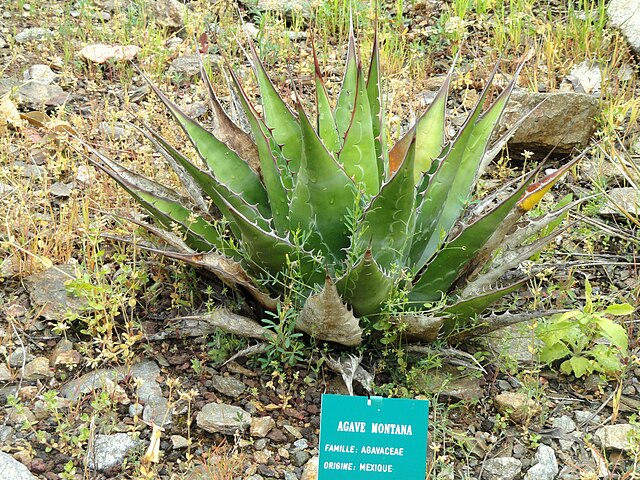
Mountain Agave
View species detailsAgave Neomexicana
View species details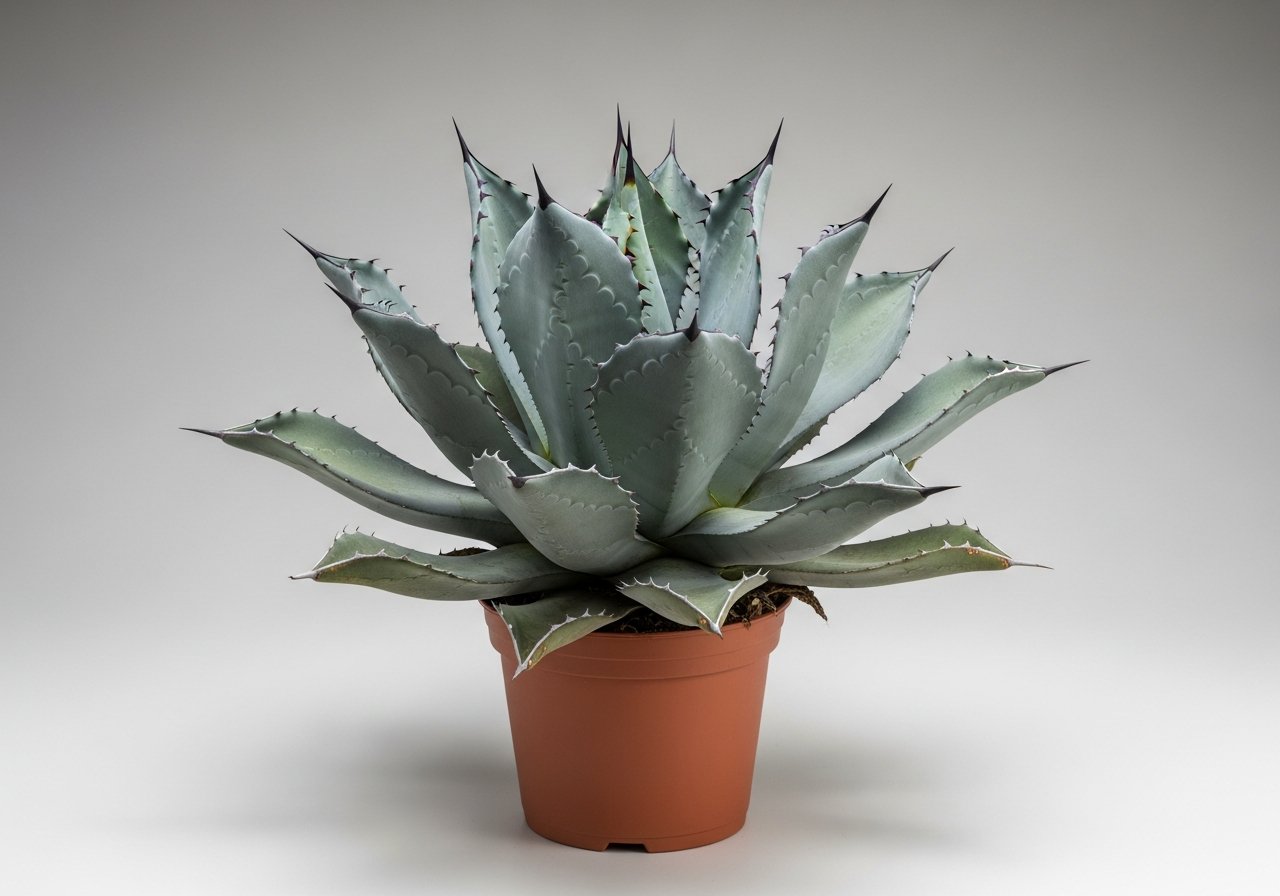
Whale's Tongue Agave
View species details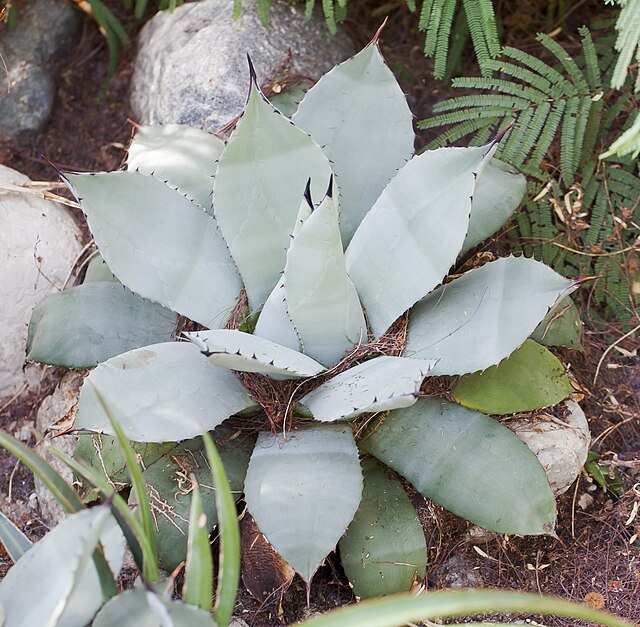
Agave Parryi
View species details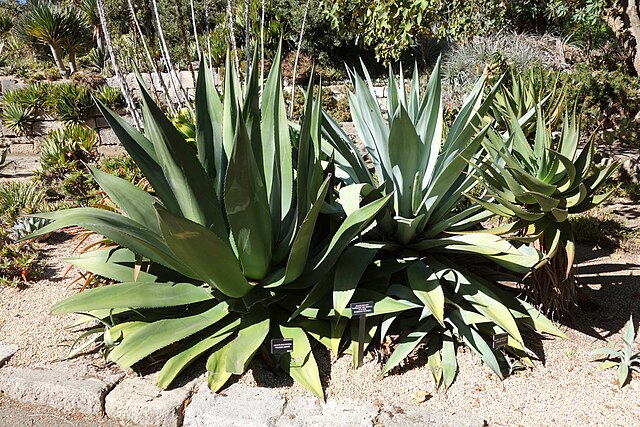
Giant Agave
View species detailsUtah Agave
View species detailsWhile agaves are often thought of as plants from warm, dry regions, some varieties can actually tolerate temperatures below −10℃. If you select hardy varieties, outdoor overwintering is possible not only south of the Kanto region, but also in parts of the Tohoku and Hokuriku areas. This article explains which agave varieties can overwinter outdoors and how to manage them in winter.
Factors Affecting Agave Cold Hardiness
Agave cold hardiness is influenced not only by variety but by several environmental factors.
Cold Hardiness Temperature by Variety The Agave genus includes over 200 varieties, but cold hardiness temperature varies significantly by variety. Species native to the highlands of Mexico tend to be cold-hardy, while species from coastal or lowland regions are often less cold-tolerant.
Humidity and Moisture For agaves, the combination of cold and moisture is more deadly than cold alone. If roots freeze while wet in winter, cells are destroyed and rot occurs. If kept dry, plants can tolerate temperatures lower than their listed cold hardiness.
Plant Maturity Young plants and small seedlings have lower cold hardiness, while mature large plants are more cold-tolerant. If planting directly in the ground, it is safer to grow plants in pots for several years until they are sufficiently large before transplanting.
Wind and Frost Strong north winds and frost damage leaves. Simply placing plants in locations with windbreaks—such as against walls or under eaves—significantly increases the success rate of overwintering.
List of Hardy Varieties
Below are varieties with a track record of outdoor overwintering, listed with their cold hardiness temperature ranges. Note that these temperatures are merely guidelines and will vary with growing conditions.
Very Hardy (tolerates −15℃ and below)
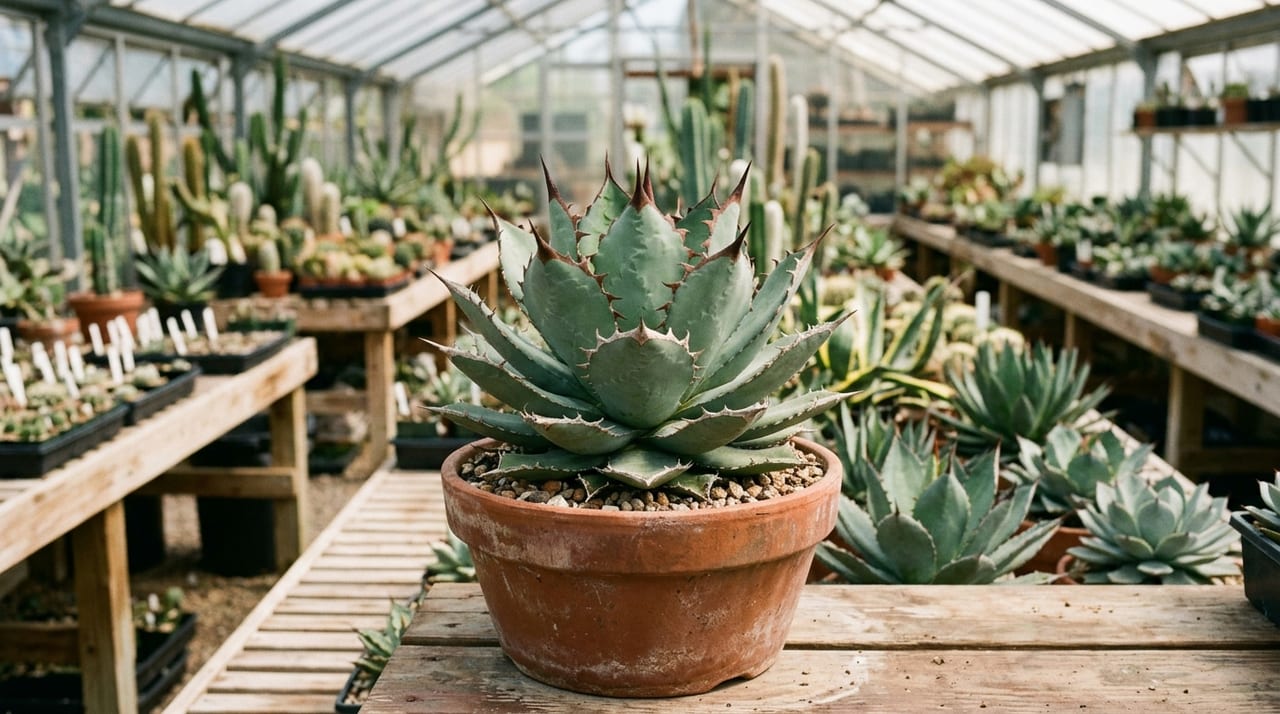
- Agave Parryi (Agave parryi): The standard for hardy agaves. Features a compact rosette and beautiful gray-blue leaves. Some forms are said to tolerate around −20℃, with documented overwintering success even in southern Hokkaido.
- Agave Neomexicana (Agave neomexicana): Native to the highlands of New Mexico. Narrow leaves with white markings; survives below −20℃.
- Agave Utahensis (Agave utahensis): Native to the desert regions of Utah. Tolerates both extreme dryness and cold. Hardy to around −15℃.
Hardy (tolerates around −10℃)
- Agave Montana (Agave montana): A large species native to Mexico's mountains. Characterized by broad leaves and striking serrated edges. Hardy to around −10℃.
- Agave Gentryi (Agave gentryi): Produces a large, beautiful rosette. Said to tolerate around −12℃.
- Agave Ovatifolia (Agave ovatifolia): A variety also called "Whale Tongue," characterized by broad leaves. Features beautiful gray-blue color and tolerates around −10℃.
Moderately Hardy (tolerates around −5℃)
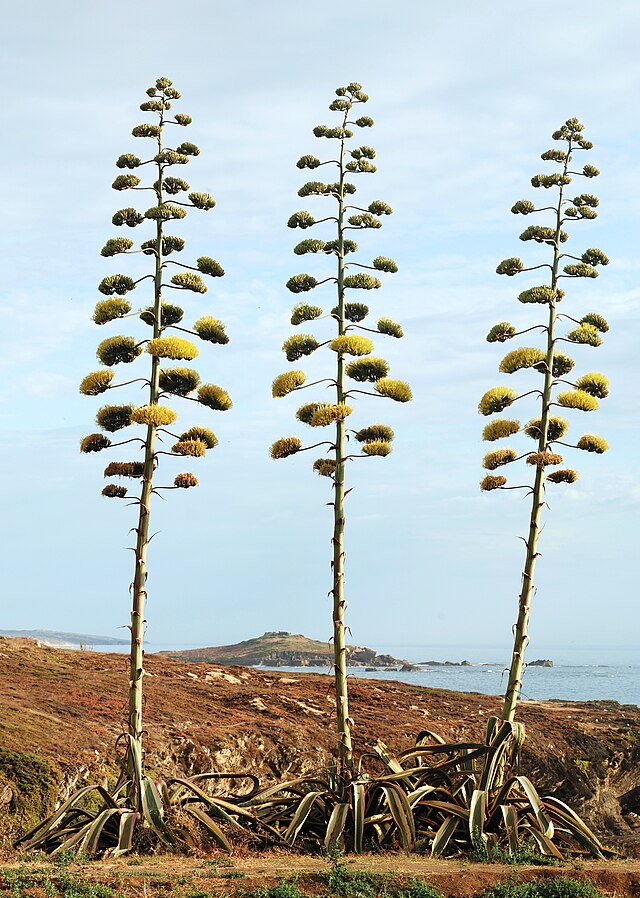
- Agave Americana (Agave americana): The most widely cultivated variety. Grows large; many variegated forms exist. Tolerates around −5 to −8℃.
- Agave Weberi (Agave weberi): A large variety with elegantly slender leaves. Tolerates around −5℃.
- Agave Salmiana (Agave salmiana): A large species native to the Mexican highlands. Related to tequila agave; tolerates around −7℃.
Conditions and Preparation for Outdoor Overwintering
Location A south-facing wall is ideal. The radiant heat from the wall combined with wind protection creates an environment several degrees warmer than open ground. An area under eaves is even better, as it avoids rain. When planting directly in the ground, also choose a south-facing slope or wall location.
For Potted Plants Potted plants are more prone to root freezing than in-ground plants, so caution is needed in cold regions. Use a larger pot to increase soil volume, and effectively insulate by wrapping the pot with polystyrene foam or bubble wrap. Do not place the pot directly on the ground; set it on bricks or blocks to prevent cold air from reaching the pot bottom.
Watering Management Gradually reduce watering from fall, and in winter water lightly about once a month or stop watering completely. Maintaining dry soil is the most important factor for enhancing cold hardiness. In rainy regions, install rain protection.
Frost Protection When a sudden cold snap is forecast, cover the plant with non-woven fabric or windbreak netting. Plastic traps moisture, so breathable non-woven fabric is preferable. Mulching with leaf mold or rice hulls around the base is also effective in preventing ground temperature drops.
Winter Damage and Recovery
Even hardy varieties may sustain damage during severe winters.
- Leaf tip dieback: The mildest form of damage. New leaves emerge in spring and naturally recover.
- Leaf softening and waterlogging: Damage from freezing. Softened leaves do not recover, so prune them in spring.
- Center rot: The most severe. Occurs when water pools in the center and freezes. Recovery is often difficult.
To minimize winter damage, preventing water from pooling in the center of the plant is extremely important. Tilting the pot to improve drainage is also effective.
Regional Guidelines
- Kanto region and south, Pacific side: Many varieties such as Parryi, Montana, and Americana can overwinter outdoors.
- Inland Kanto and southern Tohoku: Possible with extremely hardy varieties such as Parryi and Neomexicana. Frost protection is essential.
- Hokuriku and Sea of Japan side: Snow and humidity are harsh for agaves. Snow and rain protection are essential. Limit to the hardiest varieties.
- Hokkaido: Some areas on the Pacific side have documented Parryi overwintering, but substantial frost protection is necessary.
Fall Preparation: Maximizing Cold Hardiness
Agave cold hardiness varies significantly depending on fall management. Beginning winter preparations in September allows plants to express their full inherent cold hardiness.
Fall water reduction schedule means gradually extending the interval between waterings starting in September, reducing to once a month or less by November. Managing plants drier decreases cellular water content and creates a less freeze-prone physiology. This is a natural plant phenomenon called "hardening," which can be artificially promoted.
Stop fertilizing by September. In particular, nitrogen-containing fertilizers applied from fall onward promote new soft tissue growth, which then risks freezing and death in winter.
Ensuring adequate light is also important fall management. Plants receiving sufficient light accumulate sugars through photosynthesis; these sugars act like antifreeze, enhancing cold hardiness. Although daylight decreases in fall, consciously remove any shade and provide maximum light.
Finding Hardy Agaves on GrowerDirect
On GrowerDirect, you can purchase directly from growers who specialize in hardy agaves. If you share your region's climate, they can advise you specifically on varieties capable of outdoor overwintering. If you're interested in challenging yourself with hardy agaves, check out grower listings on GrowerDirect.