Preventing Leaf Burn in Agave and Light Management | Transition Strategy from Indoor to Outdoor Cultivation
Light management strategy to prevent agave leaf burn completely while successfully transitioning from indoor to outdoor environments. This article explains practical methods including gradual light intensity adjustment, seasonal placement changes, and UV protection measures.
Key Takeaways
Light management strategy to prevent agave leaf burn completely while successfully transitioning from indoor to outdoor environments. This article explains practical methods including gradual light intensity adjustment, seasonal placement changes, and UV protection measures.
Related Species
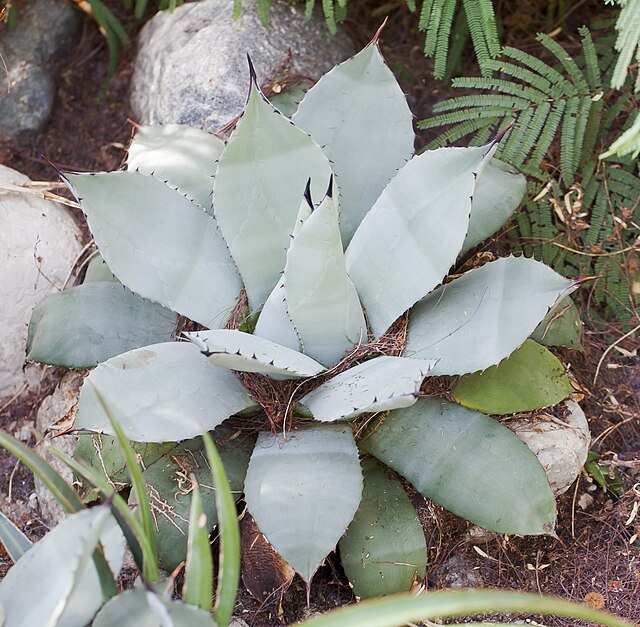
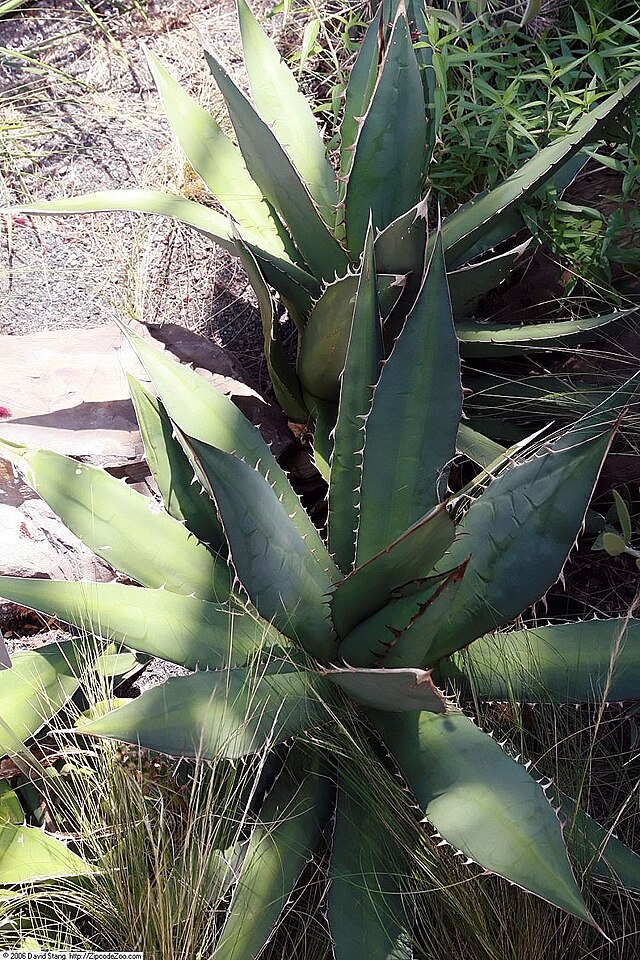
Agave has an image of thriving under intense direct sunlight, but depending on the growing environment, it can suffer from "leaf burn," an irreversible form of damage. Once leaves are burned, they never return to their original color, significantly diminishing the aesthetic appeal of the entire plant. The greatest factor causing leaf burn is not "excessively strong light itself" but rather "inability to adapt to sudden changes in light environment." This article explains the mechanism of leaf burn correctly and systematically discusses transition strategies from indoor to outdoor cultivation and seasonal light management.
Mechanism of Leaf Burn in Agave
Leaf burn is physical and chemical damage to leaf cells caused by excessive light energy, particularly ultraviolet rays and intense visible light. Plant cells process unused light energy from photosynthesis as "reactive oxygen species," but when an amount of light exceeding this processing capacity enters, cell membranes and chloroplasts suffer oxidative damage. When cellular water evaporates and tissue dies, brown or white burned marks remain on the leaf surface.
Leaf burn in agave is particularly likely to occur in the following three situations.
- Abrupt transition from indoor management to outdoor placement: A plant that has only received indirect indoor light is suddenly exposed to full sun.
- Rapid increase in UV in early spring: Plants accustomed to weak winter light cannot adapt to strong spring UV.
- Clear skies after overcast periods: After several days of rain, the plant is suddenly exposed to intense light.
What's important is that even "hardy species" like Agave titanota and Agave parryi will invariably experience leaf burn in the face of this "sudden change." High drought and heat tolerance do not mean "immediate adaptation capability to change."
Step-by-Step Transition Protocol from Indoor to Outdoor
The fundamental principle for preventing leaf burn is "gradual light adaptation." Agave epidermal cells can accumulate protective pigments such as carotenoids and anthocyanins in response to light stimulus, but this adaptation takes time. Please implement the following steps over a minimum of 4 weeks.
- Week 1: Bright indoor Place the plant at a south or east-facing window (through a lace curtain). Avoid direct sunlight completely and provide only diffuse light.
- Week 2: Direct light at the window Remove the lace curtain and begin exposing the plant to weak morning light (approximately 1–2 hours). Continue to avoid strong afternoon light.
- Week 3: Outdoor semi-shade Move to a location in the shade of an eave or fence where direct sunlight hits only in the morning (2–3 hours). During midday (10 am–3 pm), move the plant to shade.
- Week 4 and beyond: Extend direct sunlight Gradually increase hours of light exposure and eventually accustom the plant to 6–8 hours of direct sunlight per day.
Rushing this process will cause leaf burn at the second or third week stage. Taking it slowly is ultimately the quickest path to producing a healthy plant.
Seasonal Light Management Approach
Agave light management requires changing strategy by season.
Spring (March–May) is a critical period when solar radiation and UV rays increase rapidly. Even plants that have overwintered outdoors require caution during clear days following cloudy periods. During this time, prepare a 30–50% shade cloth in advance to respond immediately to sudden clear weather.
Summer (June–August) is when light intensity is highest throughout the year. In Mexico's highland plateaus, agave's native habitat, even in summer the high altitude allows cooler nighttime recovery, but in Japan's flatlands, added nighttime heat increases stress on the plant. Locations receiving western sun experience strong reflection from the ground surface, dramatically increasing leaf burn risk. East-facing placement or locations with afternoon shade are ideal.
Autumn (September–November) is a stable period when solar radiation diminishes. Remove the shade cloth used in summer and increase light levels. By promoting active photosynthesis during this period, you can accumulate the nutrients needed for winter survival within the plant.
Winter (December–February) is when daylight hours and light intensity are at their lowest for the year. If switching to indoor management, secure maximum light at a south-facing window. Using LED plant growth lights as a supplement prevents etiolation (elongated, spindly growth).
Selecting and Using Shade Cloth Materials
When selecting shade cloth, pay attention not only to simple "shading percentage" but also to "UV-cutting function." Standard black shade cloth (50% shading) reduces visible light by half, but depending on the material, ultraviolet rays pass through almost entirely. Since UV is the primary cause of leaf burn, materials with UV-absorbing additives (types that reduce UV transmittance to 5–10% or less) are effective.
When installing, avoid placing the cloth directly on the agave's leaves. When cloth adheres tightly to leaves, heat can become trapped and cause problems. By securing the cloth 30–50 cm above the plant, you also ensure airflow.
If using a greenhouse or vinyl house, UV transmittance varies depending on the material. Glass blocks almost all ultraviolet rays, but polycarbonate and agricultural vinyl allow a certain amount of UV to pass through. Determine whether shading is necessary after confirming the material's characteristics.
Treatment if Leaf Burn Occurs
If leaf burn does occur, the top priority is "preventing further burning." Since burned tissue does not recover, there is no point in hastily applying fertilizer or watering heavily.
Treatment procedure is as follows.
- Immediately move to a shaded environment and cut direct midday sunlight by 50% or more.
- Observe the plant for 1–2 weeks and confirm that no new burns appear.
- Once new growth is confirmed, gradually increase light levels again.
- Allow burned leaves to naturally drop from the bottom. If you artificially prune them, the cut surface can become a stress point, so it's best to wait until completely dry.
If burned area is small and the central growing point remains intact, the plant can recover fully. However, if the center of the rosette (growing point) is burned, recovery of that plant cannot be expected. During transition, be especially aware of avoiding direct sunlight on the growing point.
Link Light and Water Management
Leaf burn risk is deeply connected not only to light but also to water management. If a plant in a water-deficit state is exposed to strong light, cellular water is lost rapidly and damage worsens. Conversely, if light is weak but water is applied heavily, root rot results.
As a basic principle, maintain a cycle of "increase water during strong-light seasons and reduce water during weak-light seasons." Agave receiving adequate direct sunlight outdoors should be given a full watering 2–3 days after the soil dries. Conversely, with indoor management or in winter, an interval where you wait several days after the soil is completely dry is appropriate.
By coordinating light management with water management, agave maintains its original beauty and grows healthily without leaf burn. Careful attention during the transition period leads to vigorous growth afterward.