The Deep Connection Between Agave and Tequila | The Secret of a Distilled Spirit Born from Century Plant
Tequila is made from only Agave tequilana among the Agave genus. This essay explains the ecology of century plants, the Jalisco region as a production area, and the differences from ornamental agaves.

Key Takeaways
Tequila is made from only Agave tequilana among the Agave genus. This essay explains the ecology of century plants, the Jalisco region as a production area, and the differences from ornamental agaves.
Related Species
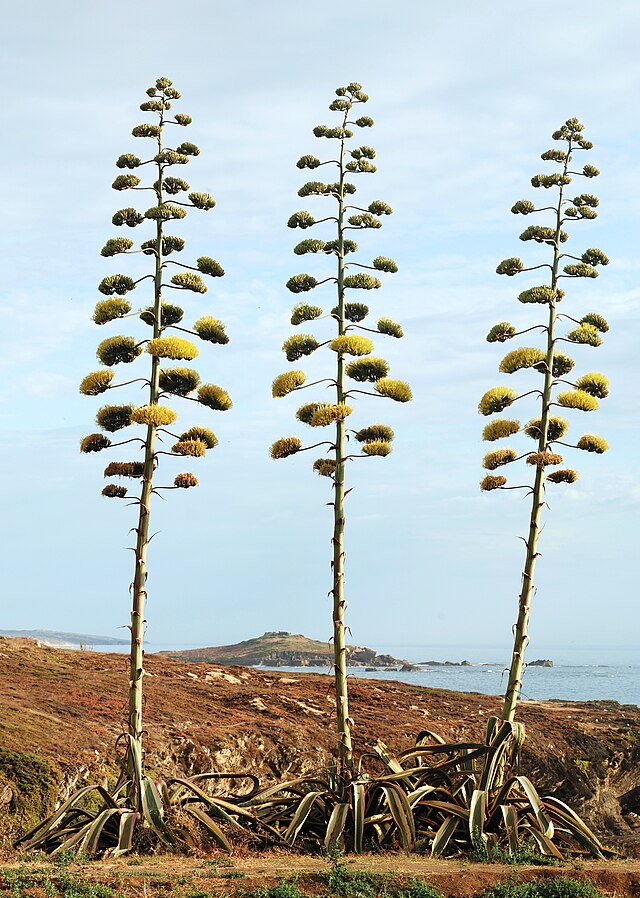
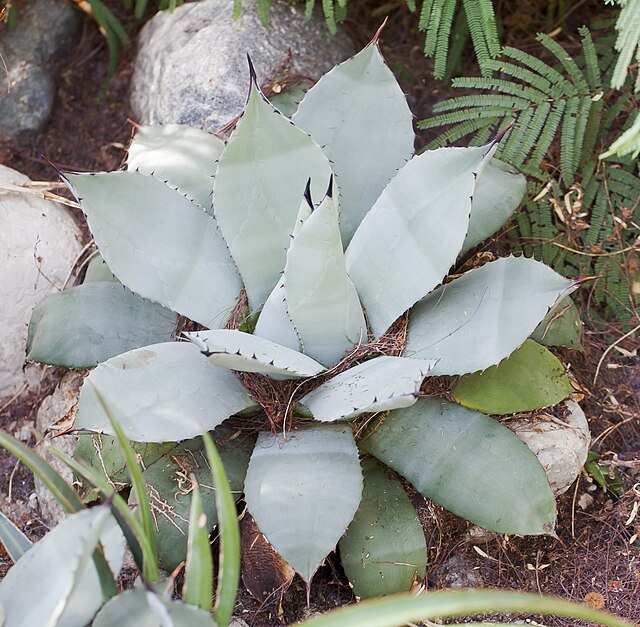
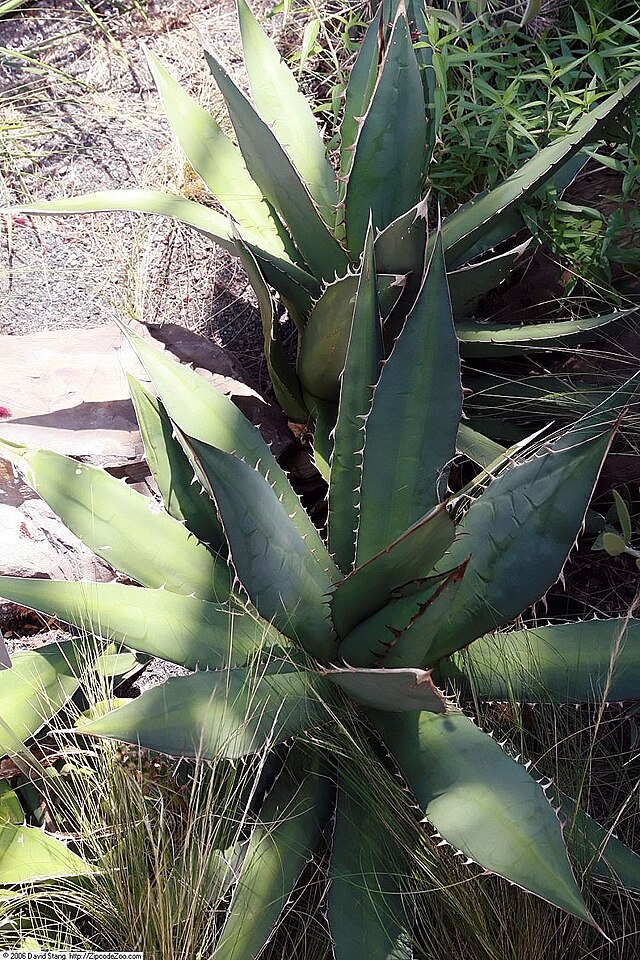
Mexico's representative distilled spirit, tequila, is made from a succulent plant called the century plant (agave). The fact that an alcoholic beverage is produced from a succulent plant rooted in arid regions, rather than grains and fruits like corn and sugarcane, often comes as a surprise even to plant enthusiasts. Agave, cultivated by enthusiasts around the world as an ornamental succulent, simultaneously has another side as a "raw material crop for alcoholic beverages." By exploring the cultural and botanical connections, our perspective on agave as a plant becomes even more enriched.
Only One Species of Agave Is Used for Tequila
The Agave genus encompasses hundreds of species, with varied leaf shapes, sizes, and the presence or absence of spines. However, the only species legally recognized as the designated raw material for tequila is Agave tequilana (Agave tequilana Weber, var. azul), commonly known as "Blue Agave." The sight of beautiful plants with blue-grey tinged leaves arranged neatly across fields is widely recognized as an image that symbolizes rural Mexico.
To be called "tequila," Mexican standards (NOM) stipulate that Blue Agave must be the primary raw material, and the production region is strictly designated. While the same Agave genus includes multiple species used for mezcal—such as Tobala, Espadín, and Tepextate—tequila and mezcal are legally entirely separate categories. Within the large group of Agave encompassing hundreds of species, only a small subset is directly connected to a beverage named "tequila."
The Geographic Connection Between Jalisco and Tequila
Jalisco, located in western Mexico, is globally recognized as the primary production region for Blue Agave. The name "tequila" itself is derived from a town of the same name within Jalisco state, and distilleries are concentrated in the surrounding area. The reddish soil formed by volcanic activity and the dry climate throughout the year are ideal for agave cultivation, and the landscape of agave fields adorning the hills is registered as a UNESCO World Heritage site ("Landscape of Agave, Tequila, and Its Ancient Industrial Facilities").
According to production standards, the following regions are legally recognized as designated production areas for tequila.
- Jalisco (entire state)
- Guanajuato (partial)
- Michoacán (partial)
- Nayarit (partial)
- Tamaulipas (partial)
This designation of production regions demonstrates that tequila, like French Champagne or Scotch whisky, is a geographically indicated product tied to a specific land and climate. Distilled spirits made outside these regions using the same production method and raw materials cannot be called tequila.
The Ecology of the Century Plant: "Blooming Only Once in a Lifetime"
When discussing the agave plant, its unique reproductive cycle is essential. Many agave species slowly spread their leaves in a rosette formation over ten to several decades, continuously storing energy at the base of the plant. Upon maturity, each plant produces, only once in its lifetime, a towering flower stalk that shoots up rapidly. After flowering and producing fruit, the parent plant dies. This once-in-a-lifetime blooming cycle has given rise to the English colloquial name "century plant" and lends a unique presence to the Japanese name "century plant."
In the case of Blue Agave used as tequila's raw material, it generally takes 7 to 12 years from planting to harvest readiness. Compared to crops that can be harvested annually like grains, growers must manage their fields over long periods and endure years of exposure to risks from natural disasters, disease, and climate change. This long growth cycle imparts unique rarity and cultural value to tequila as a beverage.
From Piña Harvest to Distillation: The Process of Making Tequila
The harvest and processing of agave involves skilled farm workers called "jimadores." The timing of harvest is "just before flowering," when the plant has accumulated the most sugar. If the flower stalk begins to elongate, most of the accumulated sugar is consumed by the stalk's growth, making precise timing critical to quality.
The harvest procedure is roughly as follows.
- Remove the outer leaves (pencas) using a sharp tool called a coa
- Remove the pineapple-like central portion remaining after the leaves are stripped away
- This central part is called "piña" (pineapple). Its weight varies depending on the variety and maturity of the plant, often reaching tens of kilograms in Blue Agave
- Heat the piña in an oven or pressure cooker to convert complex sugars (fructans) into fermentable sugars
- Crush the heated piña and extract the juice (aguamiel), then transfer it to fermentation tanks
- After fermentation, distill and bottle the spirit either aged in barrels or unaged
Depending on the aging period, tequilas are classified as Blanco (unaged), Reposado (aged 2 months to less than 1 year), Añejo (aged 1 year or more), and Extra Añejo (aged 3 years or more), each with significantly different flavor profiles. The process by which sugars accumulated over years transform into complex aromas and flavors through fermentation, distillation, and aging represents a convergence of agave's plant ecology and human craftsmanship.
Congeners in Different Forms: Ornamental Agave
Most of the agave varieties we cultivate and enjoy as collections are different species from Blue Agave, the raw material for tequila. Representative ornamental species that are particularly popular include Agave titanota, Agave americana, and Agave parryi. Each is valued for its ornamental characteristics—such as the texture of white serrations, variation in leaf color, and compact form—and appearance can vary significantly depending on origin and individual plant.
While Blue Agave is a monoculture crop mass-produced as a "uniform sugar source," ornamental agave's appeal lies in species diversity itself. Collectors appreciate individual variation and cultivate clones and seedlings from rare origins over time. The coexistence within a single genus—Agave—of both an industrial crop serving as the raw material for distilled spirits and an ornamental plant nurtured carefully one pot at a time, symbolizes the species diversity of the Agave genus.
After learning the story of agave as tequila's raw material, looking again at your Agave titanota or Agave parryi may help you appreciate the breadth of variation within a single plant genus more personally. Rooted in arid soil, accumulating energy over years, pouring everything into a single bloom. It is this robust ecology that equally underlies both tequila as a spirit and agave's appeal as an ornamental plant.