Agave Titanota vs. Horrida Care Guide: Managing Two Popular Species Despite Their Similarities
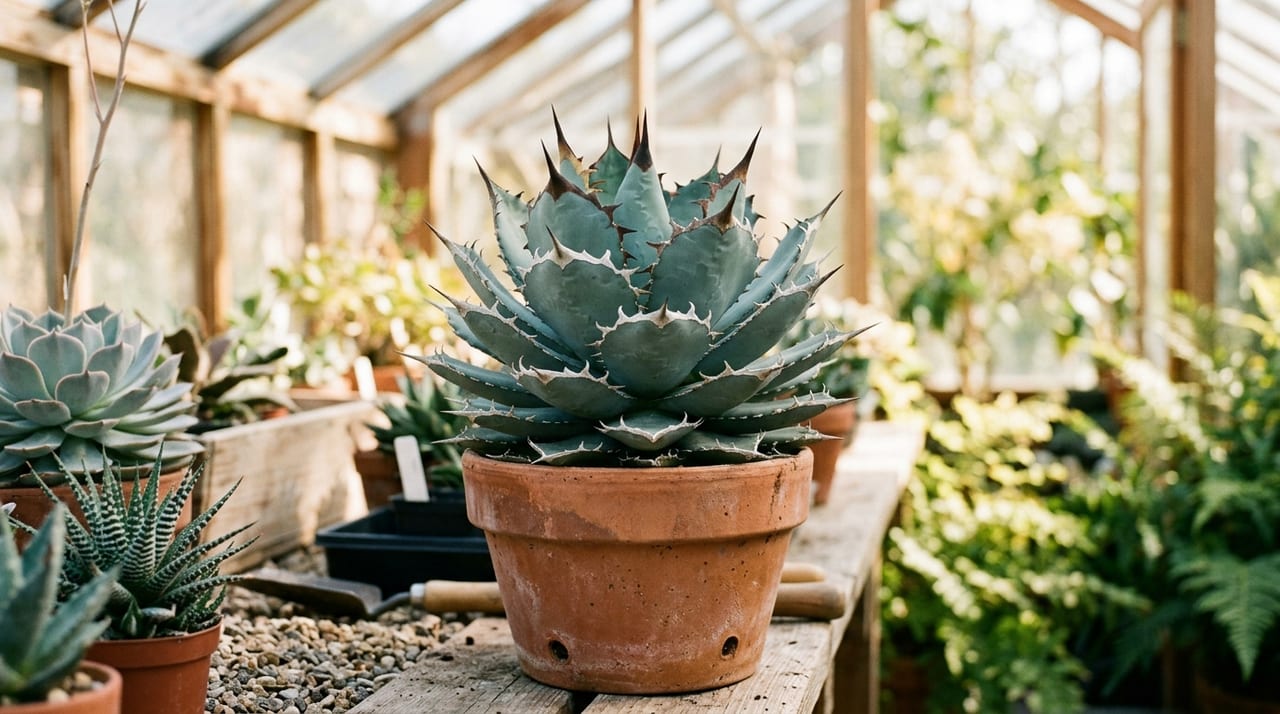
Agave titanota and horrida species are hugely popular among collectors. Although they look similar, their origins, growing conditions, and care requirements differ significantly. This guide details the characteristics of both species and practical tips for managing each.
Key Takeaways
Agave titanota and horrida species are hugely popular among collectors. Although they look similar, their origins, growing conditions, and care requirements differ significantly. This guide details the characteristics of both species and practical tips for managing each.
Related Species
Titanota and Horrida: Similar in Appearance, Different in Essence
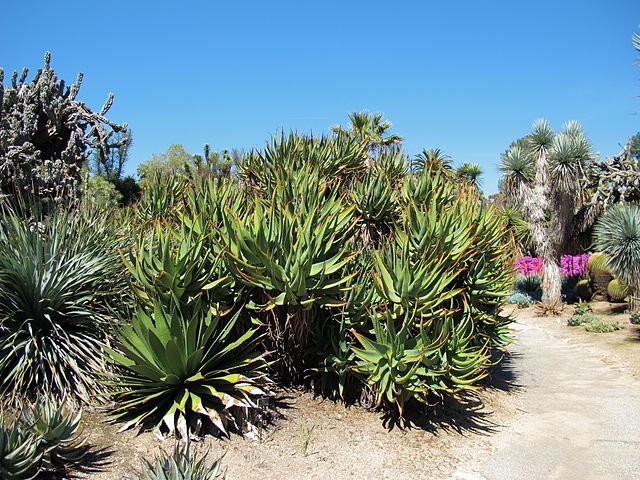
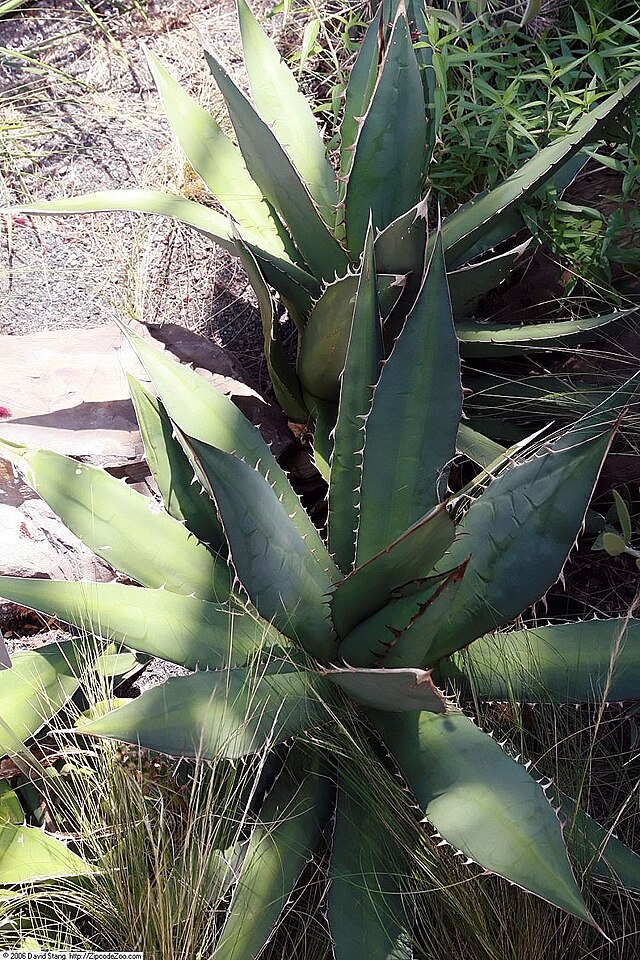
Among agave collectors, two species reign supreme: Agave titanota and Agave horrida series. Both are medium-sized species native to Mexico, sharing powerful serrated edges and beautiful rosette forms. However, these two species originate from fundamentally different habitats and growing conditions, requiring distinct care approaches.
Because they look similar at first glance, it's easy to assume "titanota care methods will work fine for horrida"—but this overconfidence can throw horrida off balance. When watering and temperature management approaches differ, one species can suddenly weaken. Here, we'll break down the characteristics of both species and organize practical cultivation methods tailored to each.
Titanota vs. Horrida Care Comparison Chart
| Item | Titanota | Horrida |
|---|---|---|
| Native habitat | Oaxaca State, limestone rocks (600–1500 m) | Hidalgo State, highlands (2000–2500 m) |
| Rosette | Compact 30–60 cm | Somewhat upright 50–100 cm |
| Cold tolerance | Moderate (min. 5°C or higher) | High (tolerates near 0°C) |
| Summer light | Full sun okay, resistant to leaf scorch | 20–30% shade or dappled light safer |
| Watering | Water thoroughly when dry | Allow complete drying, then wait 2–3 days; water sparingly |
| Fertilizer | Once monthly, May–Sept | Half the amount or less |
| Soil (akadama:pumice:kanuma) | 4:4:2 | 2:6:2 (higher pumice) |
| Propagation | Abundant pups, easy division | Few pups; seedling/tissue culture centered |
※ Remembering "Titanota = prioritize bright light and warmth" and "Horrida = summer shading, leverage winter hardiness" will simplify care.
Understanding Habitat and Environmental Differences
Titanota
Titanota originates from dry limestone rock outcrops in Oaxaca State, Mexico. Growing at elevations of 600–1500 m under intense sunlight and arid conditions, it receives relatively little annual rainfall, with a cycle of scattered downpours followed by complete drying. Popular domestic varieties like "FO-076 (White Ice)," "SB (Sierra Blanca)," "Arashiyama," and "Black & Blue" are all selected strains or variants descended from this native population.
Key characteristics of titanota:
- Compact rosette (typically 30–60 cm)
- Thick, short leaves with glossy surfaces on many individuals
- Large serrated edges with rich color variation—red, orange, and black forms
- Relatively vigorous water uptake during the growing season
- Moderate cold sensitivity (5°C or higher recommended)
Horrida
Agave horrida grows wild in highland regions of central Mexico, particularly Hidalgo State, at elevations of 2000–2500 m. The dramatic temperature swings between day and night, with occasional dips below 5°C, have equipped it with cold tolerance opposite to titanota. Additionally, subspecies and varieties such as Agave horrida perryi and Agave horrida horrida offer considerable diversity, with leaf shape and serration development varying significantly by individual.
Key characteristics of horrida:
- Rosette somewhat upright and spreading (50–100 cm)
- Longer leaves with relatively linear, regular serrated edges
- Slower growth pace than titanota
- High cold tolerance, enduring near-freezing temperatures
- Strong preference for dry conditions
Distinguishing Watering and Fertilizer Approaches
Water management is where these two species diverge most dramatically—and where most failures originate.
Titanota absorbs water relatively vigorously during the growing season (April–October). Applying water thoroughly each time the pot soil dries will encourage robust leaf development. Water until it drains from the bottom, then check the next day that the pot feels noticeably lighter when lifted. Regular fertilization works well; applying low-nitrogen controlled-release fertilizer monthly from May to September boosts both leaf count and serration coloration.
Horrida clearly requires more conservative watering than titanota. Even during the growing season, aim for a rhythm of "water 2–3 days after the soil has completely dried." Excessive moisture readily triggers root rot, especially during the rainy season and high humidity of early summer. Use half the fertilizer amount of titanota or less—apply only a few times during the growing season. Using the same fertilizer regime as titanota causes stretching and leaf softening.
Lighting and Temperature Management Differences
Both species thrive in strong light, but their tolerances differ.
Titanota resists leaf scorch even under intense summer direct sunlight, and strong light actually brings out vibrant serration coloration (reds and blacks). South-facing full-sun outdoor cultivation is ideal. However, maintain minimum winter temperatures above 5°C and protect from frost—growing in a greenhouse or bright indoor windowsill for winter is essential.
Horrida is less tolerant of intense summer direct sunlight than titanota; 20–30% shade or dappled light provides safer cultivation. By contrast, it tolerates temperatures near 0°C, enabling outdoor winter survival in unheated vinyl hoop houses or under eaves in many climates—a significant advantage titanota lacks.
Remembering "Titanota = prioritize bright light and warmth" and "Horrida = summer shading, leverage winter hardiness" will simplify management.
Pots, Soil, and Repotting Tips
Both species demand excellent drainage, but adjusting soil ratios provides stability.
For titanota, the standard recipe is akadama (small grain) : pumice : kanuma = 4:4:2. Retaining slight moisture promotes growth while preventing root rot. Shallow terracotta pots offer excellent airflow, matching titanota's compact root system.
For horrida, prioritize drainage—increasing the pumice ratio to akadama : pumice : kanuma = 2:6:2 poses no problem. Deeper pots encourage downward root extension and improve plant stability.
Repot both species every 2–3 years. Trim about one-third of old roots and refresh with new soil to restore airflow. The ideal timing is May–June (before the rainy season). Hold off watering for about a week after repotting.
Propagation and Purchasing Considerations
Titanota produces abundant runners (pups) from the base, making division relatively easy for beginners. Decapitation, stem cuttings, and tissue culture are widely practiced, with abundant market availability and diverse price ranges. However, mislabeled stock and plants of unclear lineage do circulate, so purchasing from reputable shops and established growers is essential.
Horrida produces fewer pups than titanota, relying more on seedling propagation or tissue culture. If you want easy propagation by division, titanota is the better choice. Horrida's scarcity makes it more desirable for collectors.
When purchasing either species, always verify that the base is firmly rooted (not loose), leaves are unblemished, and the central growth point is healthy. Rare lines regularly command prices exceeding 100,000 yen, making a trustworthy vendor relationship crucial for long-term cultivation success. If you encounter pest problems like scale insects or spider mites after purchase, the Complete Guide to Agave Disease, Pests, and Root Rot will help you identify symptoms and choose appropriate treatment.
Understanding each species' native habitat and fine-tuning care accordingly brings out their full beauty. Cultivating both side by side deepens your appreciation of the sophisticated agave world.