Agave Titanota Varieties & Cultivars Catalog | Distinguishing NO WAY, FJ, Black, and Dwarf: Characteristics Comparison
Comprehensive guide to the main Agave titanota cultivars (NO WAY, FJ, Black Titanota, Dwarf, White Ice, and others). Learn how to identify and compare spine shape, leaf color, size, and price range—perfect as a beginner's introduction to collecting Agave titanota.
Key Takeaways
Comprehensive guide to the main Agave titanota cultivars (NO WAY, FJ, Black Titanota, Dwarf, White Ice, and others). Learn how to identify and compare spine shape, leaf color, size, and price range—perfect as a beginner's introduction to collecting Agave titanota.
Related Species
About Agave Titanota
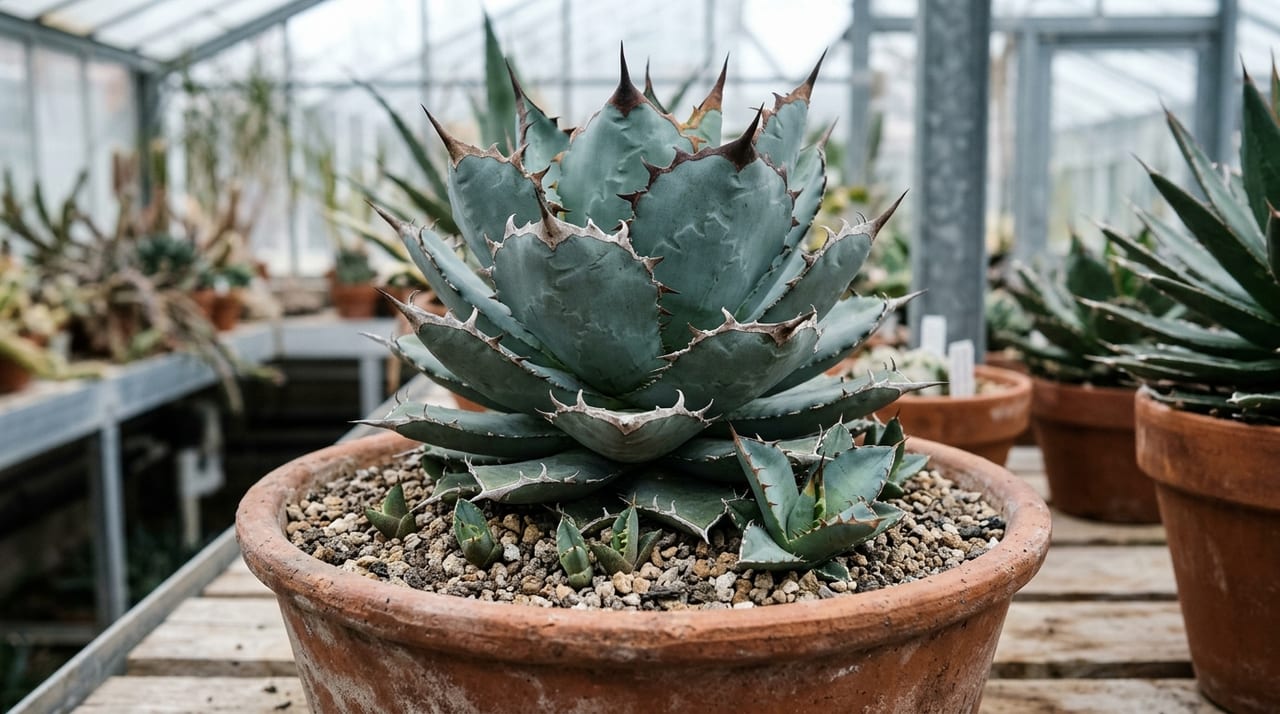
Agave titanota is an agave native to Oaxaca State, Mexico. It is characterized by ivory-colored spines, triangular leaf form, and a compact rosette-like growth habit—one of the most popular agave varieties among collectors.
In recent years, numerous clones, selected individuals, and variety names of Titanota have entered circulation, making it confusing for beginners to tell them apart. This article organizes the major varieties and clones and explains how to distinguish them.
Basic Characteristics of Titanota
First, let's understand the common characteristics shared by all "Titanota."
- Native range: Oaxaca State, Mexico (limestone arid regions)
- Leaf color: Blue-green to gray-blue-green (varies by variety)
- Spines: Thick, short ivory to cream-colored spines (terminal and marginal spines)
- Size: Approximately 30–60 cm in diameter (small to medium)
- Cold hardiness: Tolerates down to approximately −5°C (relatively cold-hardy)
- Ease of care: Beginner to intermediate among agaves
Major Varieties and Clones
NO WAY
NO WAY is a representative selected clone of Titanota, particularly prized for prominent spine development.
Characteristics:
- Spines are wide-set with prominent marginal spines (spines along leaf edges)
- Leaf edges appear outlined in white
- Compact, round rosette form
- Terminal spines at leaf tips are thick and robust
Identification tips: White highlights along leaf margins and prominent thick spines. Overall impression is heavily "armored."
Price range: ¥5,000–¥30,000 (depending on size and quality)
FJ
FJ is a selected clone sometimes said to stand for "Flicker James," and is equally popular as NO WAY.
Characteristics:
- Leaf edges are particularly prominent white (white-edge)
- Spines are somewhat finer but longer than NO WAY
- Leaf color is somewhat more blue-tinted
- Rosette tends to spread more widely
Identification tips: White-edge is striking, with beautiful white leaf margins overall.
Price range: ¥8,000–¥50,000
Black Titanota
Black Titanota, as the name suggests, is a variety with black to dark brown spines.
Characteristics:
- Spine color is black to dark brown (younger individuals are blacker; mature plants may fade)
- Leaf color is somewhat more green
- Rosette is compact
- Spines create striking contrast with high ornamental value
Identification tips: Spine color is clearly black to dark. Note that color changes with light conditions and growth stage.
Price range: ¥10,000–¥80,000 (higher if spines show darker coloration)
Dwarf Titanota
Dwarf, as the name indicates, is a miniaturized variety smaller than the standard form.
Characteristics:
- Remains small, approximately 20–30 cm in diameter even at maturity
- Leaf and spine proportions are similar to standard form
- Compact form is ideal for potted display
- Growth rate is even slower
Identification tips: Remains compact even when mature. Size is the primary identification criterion.
Price range: ¥15,000–¥60,000 (often commands premium due to rarity)
White Ice
White Ice is a selected variety whose spines shine in bright white, resembling ice.
Characteristics:
- Spines are pure white to ice white
- Leaf color is silver to blue-white
- Overall impression is distinctly "white"
- Selected from white-spined individuals of standard Titanota
Identification tips: Spine whiteness is striking. Overall leaf color is brighter and more white-tinged than other varieties.
Price range: ¥20,000–¥100,000+ (varies significantly based on whiteness intensity)
Variety Comparison Chart
| Variety | Spine Color | Leaf Margin White | Rosette | Characteristics | Price Range |
|---|---|---|---|---|---|
| NO WAY | Ivory to cream | ★★★ | Compact round | Thick spines, armored look | Mid–High |
| FJ | Ivory to cream | ★★★★ | Slightly spreading | Striking white-edge | Mid–High |
| Black | Black to dark brown | ★★ | Compact | Dark spine contrast | High |
| Dwarf | Ivory to cream | ★★ | Ultra-compact | Miniaturized form | High |
| White Ice | Pure white | ★★★ | Compact | Overall whiteness | Very High |
Purchasing Considerations
Variety Name Reliability
Variety names like "NO WAY" and "FJ" lack unified official standards domestically and internationally, and may be assigned at the seller's discretion. It is important to purchase from trusted growers or specialist retailers.
Color Intensity Varies with Environment
Spine brightness, darkness, and leaf color change with light conditions, temperature, and growth stage. The same plant looks notably different when grown outdoors in full sun versus indoors.
Seedling vs. Imported Stock
- Domestic seedlings: Uniform variety characteristics, roots established. More affordable than imports
- Imported bare-root stock: Rare selected varieties available. Requires rooting management and carries risk of loss
Key Growing Tips for Titanota
Here is a summary of basic care common to all Titanota varieties.
Soil: Pumice:Red Lava 6:4 (prioritize drainage)
Watering: During growing season (March–October), water 2–3 days after soil dries. Winter: 1–2 times per month
Light: Full sun outdoors is ideal. Indoors, grow lights are essential
Fertilizer: Dilute liquid fertilizer (1:1000) once monthly during growing season
Overwintering: Maintain above 5°C. Avoid frost and freezing
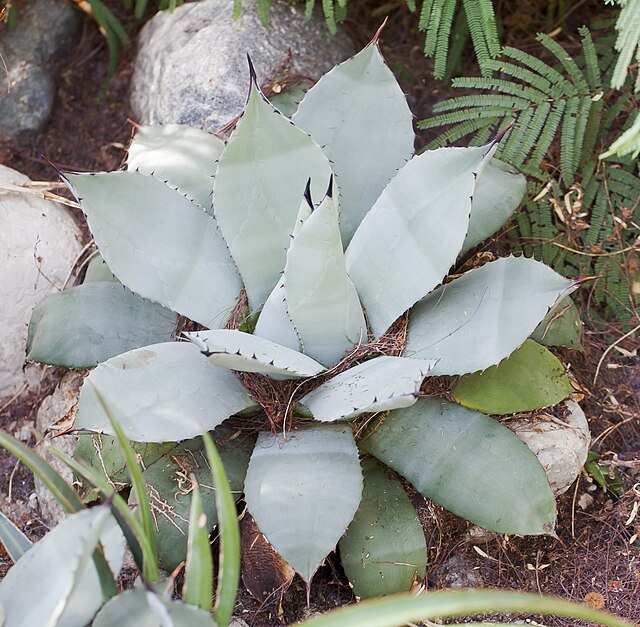
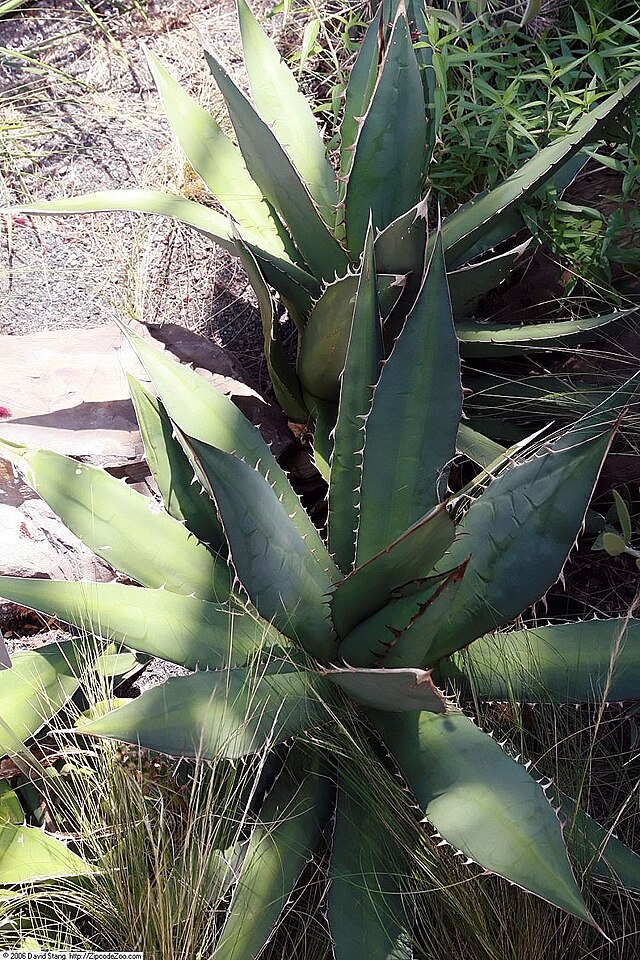
Titanota offers a deep world of variety and clone variation for enthusiasts to explore and enjoy. Among succulent lovers, it is a collecting target alongside Agave parry and Agave tequilana. Find the spine color, form, and leaf shade that suits your taste, and add an exceptional specimen to your collection.