How to Grow Satsuki Bonsai | Pruning and Fertilizing Tips for Blooming Flowers
We explain Satsuki's charm, variety selection, post-bloom pruning, repotting with Kanuma soil, and the conditions for flower bud formation.
Key Takeaways
We explain Satsuki's charm, variety selection, post-bloom pruning, repotting with Kanuma soil, and the conditions for flower bud formation.
Related Species
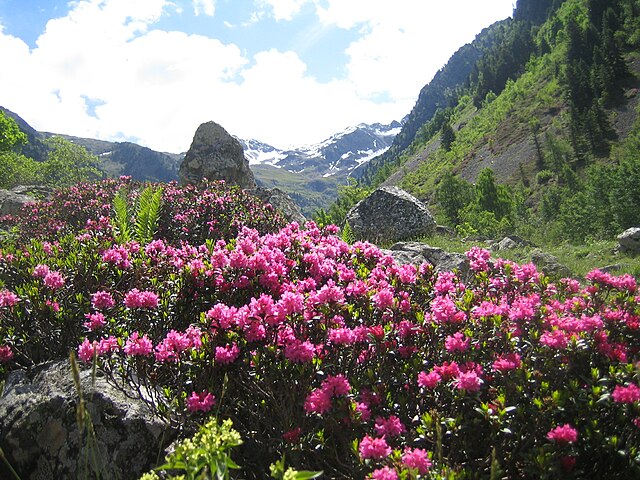
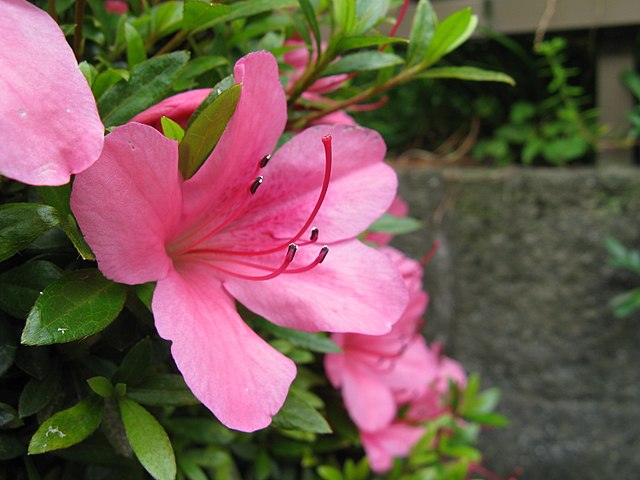
Satsuki (Rhododendron indicum) holds a special place in Japanese bonsai culture. Blooming with vibrant flowers from May to June, Satsuki bonsai captivate many enthusiasts with a charm different from conifer and broadleaf bonsai. The beauty of "variegated blooming," where a single tree displays different colors and patterns of flowers, and the high artistic value where flowers and bonsai technique fuse together, represent Satsuki bonsai's greatest appeal. This article details the cultivation techniques for growing beautiful Satsuki bonsai.
Satsuki Bonsai's Appeal and History
Satsuki (scientific name: Rhododendron indicum) is a plant native to Japan in the azalea family, growing naturally along streams primarily west of the Kanto region. Since the Edo period, variety breeding has been actively practiced, and today it has become a major genre with over 2,000 varieties.
Satsuki Bonsai's Appeal
- Beauty of variegated blooming: A phenomenon where a single tree displays mixed flowers in white, red, pink, striped, and other colors. This is due to genetic characteristics, and the pattern varies each year for enjoyment
- Flower diversity: Rich variety in flower forms including single-petaled, double-petaled, fully double-petaled, many-petaled, and picked bloom types
- Forming quality as bonsai: The trunk thickens easily and develops into an impressive aged tree over time. With good root development, there are many points of interest as a bonsai
- Balance of flowers and tree form: The dual enjoyment of achieving blooms while pursuing the tree form as bonsai
- Active clubs and exhibitions: Satsuki clubs exist throughout the country, with exhibitions held annually in May to June
Points for Variety Selection
Satsuki varieties differ greatly in flower color, form, and blooming pattern. Selecting the right variety for your purpose, from beginner to advanced, is important.
Varieties Recommended for Beginners
- Oosakazuki: Deep pink single-petaled bloom. Hardy with good flowering; a classic variety with little room for beginner error
- Wakaebisu: White base with red striping. Strong vigor and good growth. Variegated blooming is stable and beautiful
- Kouzan: Bright red large flowers. Good flower longevity and popular at exhibitions. Tree form is easy to develop
Varieties Popular with Intermediate to Advanced Growers
- Suisen: White base with purple striping—an elegant variety. Rich variation in variegated blooming
- Matsunami: Pale pink fully double-petaled bloom. Abundant petals with a luxurious appearance. Looks impressive when developed as bonsai
- Chinzan: White many-petaled bloom with a rose-like flower form. A connoisseur's choice
Variety Selection Checklist
- Does the flower color and form match your preference?
- Is the tree vigor strong and easy to cultivate? (Especially important for beginners)
- How readily does variegated blooming appear? (For striped varieties)
- Availability and price
Soil and Repotting
Satsuki is a plant that prefers acidic soil. Soil selection is a critical point that determines success or failure in cultivation.
Kanuma Soil as the Standard Kanuma soil is used as the base for Satsuki soil. Kanuma soil is acidic with excellent balance of drainage and water retention, making it ideal for Satsuki.
- Basic mixture: 100% Kanuma soil, or 80% Kanuma soil + 20% Kiryu sand
- Grain size: Use fine grain for miniature sizes; medium grain for medium and larger sizes. Always sift out fine dust
- Do not use Akadama soil: While commonly used in general bonsai, Kanuma soil is more suitable for Satsuki
Repotting Timing and Method
- Ideal timing is immediately after flowering, June to early July. Root activity is vigorous and recovery is rapid
- Repot every 2 to 3 years as a guideline. Root-bound plants flower poorly
- Trim roots by about one-third, gently break up old soil, and repot into fresh Kanuma soil
- Water generously after repotting and acclimate in partial shade for about two weeks
- Avoid fertilizing immediately after repotting. Begin light liquid fertilizer after 2 to 3 weeks
Year-Round Management for Blooming Flowers
To bloom beautiful Satsuki flowers each year, planned management throughout the year is necessary.
Post-Bloom Pruning (June) This is the most important task for flower management. Prune as soon as flowering ends.
- Remove spent flowers one by one by hand. Seeds reduce next year's flower production
- Cut back overly long branches, leaving 2 to 3 nodes
- Remove branches pointing inward or overlapping to improve air circulation
- Complete pruning by mid-June. Heavy pruning after July prevents next year's flower buds from forming
Flower Bud Formation (July–August) Satsuki flower buds form from July through August. Management during this period determines next year's blooming.
- Ensure sufficient sunlight. Insufficient light prevents flower bud formation
- Do not allow the soil to dry out. Water stress inhibits flower bud formation
- Do not pinch new shoots. Flower buds form at the tips of newly grown branches
- Apply fertilizer high in phosphorus and potassium. Excess nitrogen produces foliage at the expense of flowers
Fertilizing Schedule
- Post-bloom (June): Apply oil cake-based organic fertilizer to promote tree vigor recovery
- Summer (July–August): Apply phosphorus and potassium-rich fertilizer to promote flower bud formation. However, reduce during intense heat
- Autumn (September–October): Well-balanced organic fertilizer for winter hardiness
- Winter (December–February): Suspend fertilizing. Dormant trees do not absorb nutrients
- Spring (March–April): Light liquid fertilizer about twice monthly to provide energy for blooming
Pest and Disease Management
Satsuki is a relatively hardy tree species, but attention to several pests and diseases is necessary.
- Lace bugs: The representative pest of Satsuki. They inhabit leaf undersides, causing white spots on the leaf surface. Upon discovery, spray insecticide promptly or rinse with a strong water stream
- Spider mites: Tend to occur during dry summers. Prevent by misting leaf undersides daily
- Anthracnose: A disease where leaves swell like mochi. Common during the rainy season. Remove affected leaves early and improve air circulation
- Root rot: Caused by excess moisture. Use well-draining Kanuma soil and do not allow water to pool in the saucer
- Flower blight: Brown spots appear on petals. Remove affected flowers promptly and do not allow them to drop to the ground
Basics of Tree Form Development
Satsuki bonsai pursues not only beautiful flowers but also beautiful tree form.
Basic Tree Forms
- Informal upright: A dynamic trunk form, the most common tree shape. Close to Satsuki's natural appearance
- Formal upright: A tree form standing straight and erect. Trunk thickness and branch placement are key
- Double trunk / Triple trunk: A tree form with multiple trunks rising from a single root. Creates an atmosphere of natural beauty
Wiring Precautions
- Satsuki branches break easily; apply wiring carefully. Avoid forcing bends
- Ideal timing is June to July after flowering. Branches are soft and easy to bend
- Aluminum wire is easier to handle than copper wire and places less stress on branches
- Indentations form quickly; remove wiring after 3 to 4 months
Finding Your Ideal Satsuki Bonsai on GrowerDirect
Satsuki bonsai offer an extremely wide selection of varieties, with the pleasure of finding flowers to suit your taste. On GrowerDirect, you can purchase directly from specialized growers who have worked with Satsuki breeding and cultivation for many years. The ability to consult directly with growers about variety characteristics and cultivation tips is a unique strength of a direct-sales platform. Visit the bonsai category to discover your blooming Satsuki bonsai.