How to Choose Bonsai Pots | Fundamentals of Pot Selection That Complements Tree Species and Form
Explains the basic principles of bonsai pot selection, including the difference between unglazed and glazed pots, pot depth according to tree form, and the size balance between tree and pot.
Key Takeaways
Explains the basic principles of bonsai pot selection, including the difference between unglazed and glazed pots, pot depth according to tree form, and the size balance between tree and pot.
Related Species
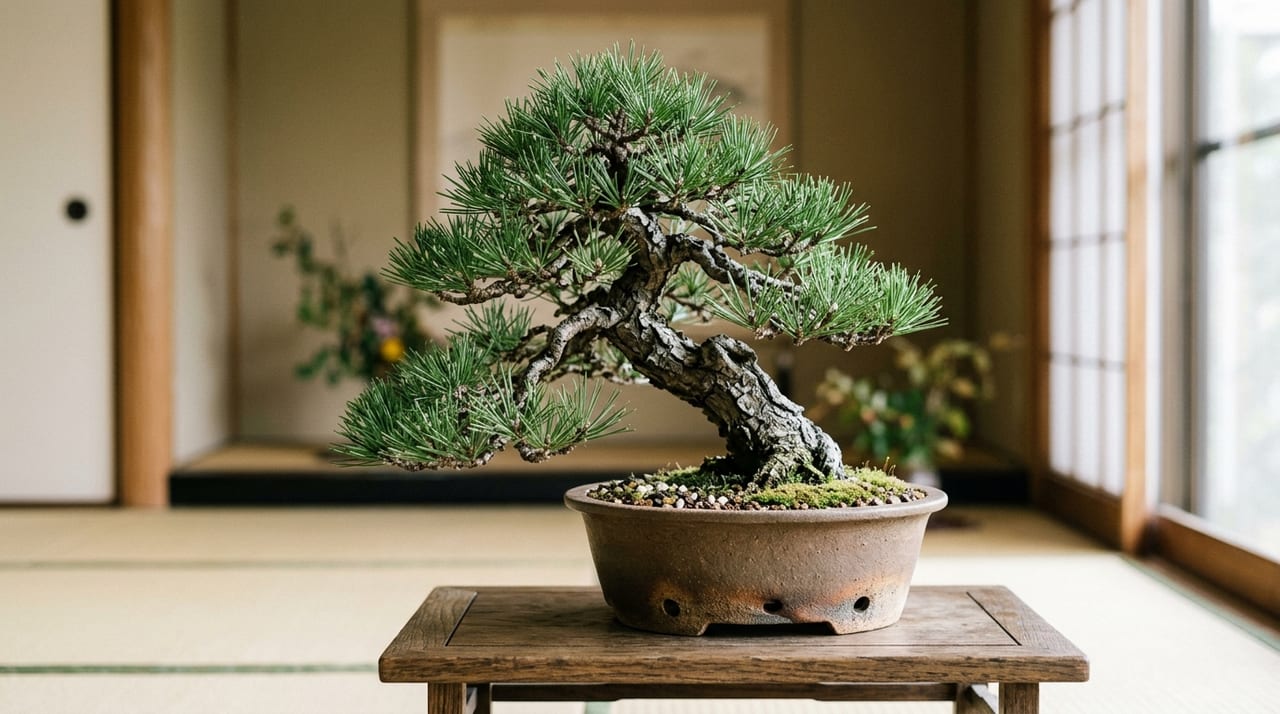
Bonsai is more than just "cultivating a tree"—it is also about selecting a pot that suits the tree and completing it as a unified landscape, which is one of its greatest pleasures. Because the same tree creates a very different impression when placed in different pots, pot selection is considered crucial in finishing a bonsai. Here we organize the basic principles of pot selection from the perspectives of tree species, tree form, and size.
Basic Use of Unglazed and Glazed Pots
Bonsai pots are broadly divided into two types: "unglazed pots (unglazed earthenware)" without glaze and "glazed pots" with glaze. The characteristics of each and the tree species that pair well with them are as follows:
| Type | Characteristics | Tree Species Examples |
|---|---|---|
| Unglazed pot (earthenware) | Rustic and subdued in texture, with warm, fired earth tones that harmonize well with the expressive bark and texture of thick trunks, enhancing strength and age-worn character—these pots have been favored since ancient times | Black pine, Japanese white pine, Hinoki cypress and other conifers |
| Glazed pot | The pot's color showcases seasonal foliage color, flower color, and fruit color | Maples and zelkovas (deciduous trees), Satsuki azaleas and camellias (flowering trees), fruit-bearing bonsai |
For example, Japanese maple (Acer palmatum) offers the pleasure of changing pots with the seasons—a unique enjoyment of bonsai:
- In spring when new leaves emerge, pair with a light-colored pot
- In autumn during fall color, pair with a contrasting-colored pot
For tree species such as Satsuki azalea with vibrant flower color, the tendency is to select subdued-toned glazed pots that do not compete with the blooms.
Pot Depth According to Tree Form
Pot depth should be chosen with harmony between tree form and pot in mind.
| Tree Form | Basic Pot Depth | Effect |
|---|---|---|
| Straight upright or informal upright trees and other typical forms | Pot slightly shallower than tree height | The tree's presence is stably contained within the pot |
| Cascade (kengai) and semi-cascade styles (where the trunk extends downward from the pot's rim) | Deep pot | Drooping branches do not extend below the pot's bottom, balancing the cascading branches with the overall pot, naturally expressing the landscape of a tree hanging from a cliff without strain |
Tree Size and Pot Size Balance
Pot size should be judged by whether it is in proper proportion to the tree crown's spread and trunk thickness. General guidelines are as follows:
- Pot length (or diameter at rim) should be approximately two-thirds of tree height
- Pot depth should be similar in dimension to the trunk diameter (thickness at base)
However, these proportions are merely a starting point; actual pot selection involves fine-tuning based on tree form and the impression you wish to convey.
An oversized pot diminishes the tree's presence, while an undersized pot creates a cramped and unstable appearance. Especially when repotting and acquiring a new pot, considering not only the current tree crown but also how the tree will develop over the coming years helps avoid frequent pot changes.
Drainage and Pot Base Structure
Beyond being a display vessel, a bonsai pot serves the practical purpose of supporting healthy plant growth. The pot base has drainage holes to ensure proper water drainage, and the size and number of these holes directly affect the growing medium's drainage. Unglazed pots, which are similar to earthenware, also offer the practical advantage of air permeability in the pot material itself, reducing the risk of root rot. When repotting, using a drainage mesh to prevent growing medium from washing out while ensuring the drainage holes remain unobstructed is an important consideration alongside pot selection.
Perspectives on Considering Pot Selection
There is no single absolute right answer for pot selection, but the fundamental perspective is to consider how the trunk's color and texture, the delicacy of the branch structure, and seasonal foliage and flower color harmonize with the pot's color, texture, and shape. As you try multiple pots with the same tree and select the one that suits the tree's current state and season, your own sense of pot selection will develop. Initially, it helps to use a broad guideline—unglazed pots for conifers, and glazed pots for deciduous, flowering, and fruit-bearing trees—while actually placing the tree in the pot and observing the overall impression before making your choice.
Pot Shape and Tree Form Compatibility
Bonsai pots come in various shapes: round pots, rectangular or square angular pots, and oval pots. General trends are as follows:
- For upright tree forms that grow straight and strong, angular pots are said to enhance the sense of strength
- For informal upright trees with gentle curves or multi-stem forms (clump style) with a softer impression, oval or round pots tend to be more flattering
Of course, these are broad tendencies, and the impression also changes depending on trunk thickness and branch spread, so physically placing the tree in the pot and viewing it from all angles to confirm overall balance is essential. The shape and height of the pot rim also affect how the root base appears, so when wanting to display roots attractively, selecting a pot with a low rim and stable appearance is one approach.
Summary
Bonsai pot selection is a comprehensive task involving the appropriate use of unglazed and glazed pots, depth matched to tree form, dimensional balance appropriate to tree size, and practical considerations such as drainage. By understanding the individual character of each tree species—black pines and other conifers, maples and other deciduous trees, Satsuki azaleas and other flowering species—and selecting pots accordingly, you can create a unified landscape where tree and pot become one. For details on available tree species and pots, please check our online catalog.