Bonsai Fertilization Guide | Types, Timing, and Amounts Explained
A detailed guide to fertilizer types suitable for bonsai, fertilization schedules by tree species and season, and tips for proper fertilizer application.
Key Takeaways
A detailed guide to fertilizer types suitable for bonsai, fertilization schedules by tree species and season, and tips for proper fertilizer application.
Related Species
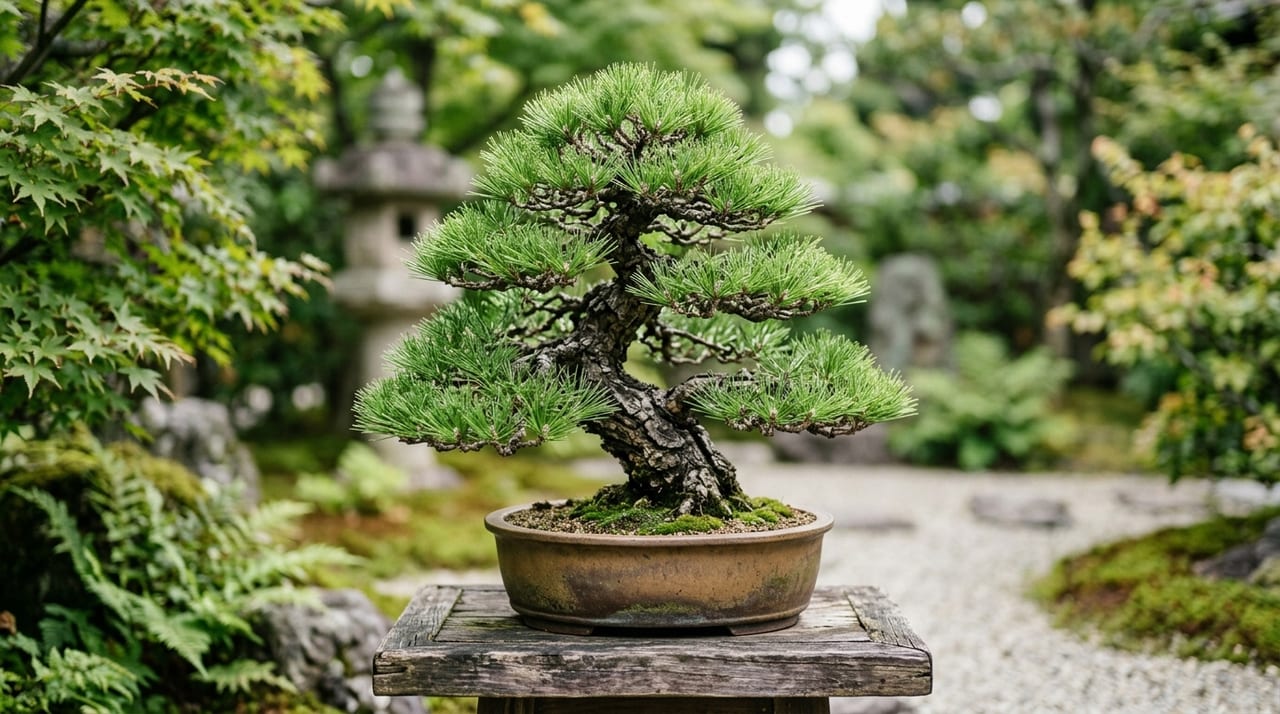
Bonsai live in limited container soil and cannot absorb nutrients from the natural earth. Proper fertilization is essential for maintaining bonsai health and creating beautiful tree form. However, both over-fertilizing and under-fertilizing cause problems, so learn the correct fertilization management suited to your tree species and season.
Types of Fertilizer for Bonsai
Fertilizers used for bonsai are broadly divided into organic and chemical fertilizers. Organic fertilizers have been the mainstream in traditional bonsai cultivation, but chemical and liquid fertilizers are now commonly used alongside them.
The representative organic solid fertilizer is oil cake (oil meal). Made from pressed residue of rapeseed and soybean, it is a slow-release fertilizer with nitrogen as the main component. Direct use can cause odor and mold concerns, so it is typically used as "ball fertilizer"—compressed pellets mixed with bone meal and fish meal. Ball fertilizer is placed on the container soil surface, and nutrients gradually dissolve with each watering.
Bone meal contains high phosphorus and is effective for flowering and fruiting tree species. A blend mixing 20-30% bone meal with oil cake is widely used as a well-balanced bonsai fertilizer.
Chemical fertilizers like Magamp K and other slow-release granular products are convenient. They are odorless and clean, making them easy to use for indoor bonsai. However, they offer fewer benefits to soil microorganisms than organic fertilizers, so concurrent use of both is ideal.
Liquid fertilizers like Hyponex are diluted to 1000–2000 times their concentration and given in place of regular watering. They are fast-acting and valuable as supplementary fertilizer.
Fertilization Guidelines by Tree Species
Bonsai fertilization should be adjusted to match each tree species' characteristics.
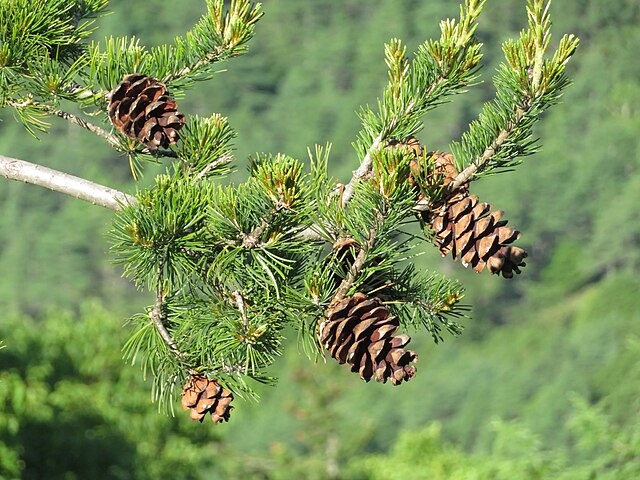
- Conifers (black pine, five-needle pine, Shinpaku juniper, etc.) require relatively conservative fertilization. Excessive fertilizer causes leaves to elongate excessively, diminishing the tree's bonsai aesthetics. Black pine in particular requires short needles, so spring fertilization is typically reduced, and vitality is recovered through autumn fertilization after summer pruning. Five-needle pine requires even less, and heavy feeding is prohibited.
- Deciduous varieties (maple, zelkova, Japanese maple, etc.) benefit from slightly more generous fertilization than conifers. From spring bud break until just before the rainy season, fertilizer should be applied consistently; reduce it during summer, then resume in autumn to prepare for the following spring. Creating beautiful fall colors in Japanese maple is also a technique—apply fertilizer with a higher phosphorus-to-potassium ratio in autumn.
- Flowering trees (plum, cherry, Satsuki azalea, etc.) require fertilization timed to flower bud formation. Apply generous fertilizer after flowering to recover vitality, and supply phosphorus-heavy fertilizer during the flower bud differentiation period (varies by variety). Excess nitrogen causes leafy growth at the expense of flowers, so be careful.
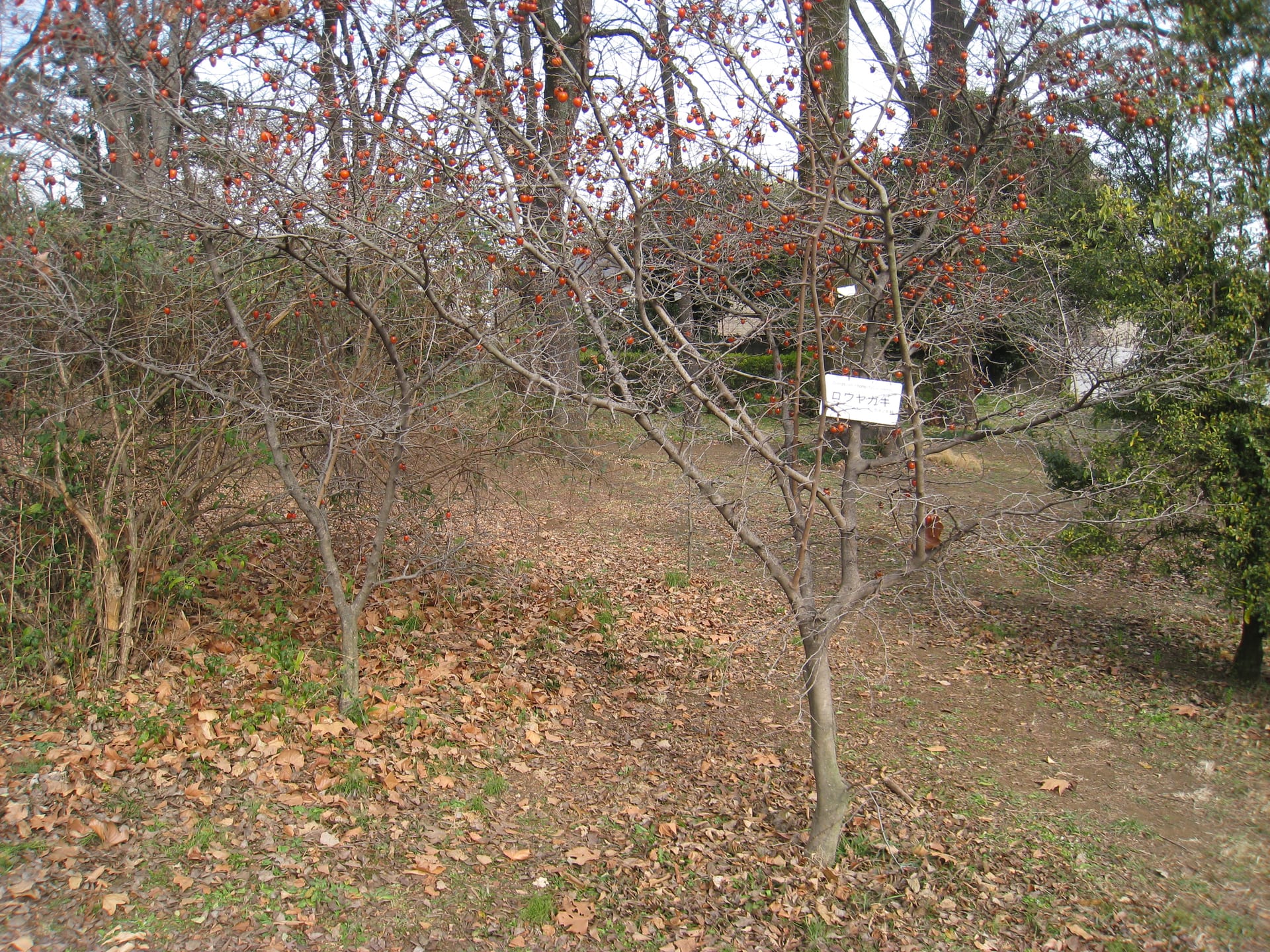
- Fruiting trees (pyracantha, loquat, etc.) also depend critically on post-flowering and fruit maturation fertilization, like flowering trees. Fertilizer with higher potassium content is effective for fruit fullness.
Seasonal Fertilization Calendar
Timing and adjustments are crucial for bonsai fertilization across seasons.
Spring (March–May) is a vital growth period when new buds emerge. Apply the first ball fertilizer application in mid-to-late March, then replace monthly thereafter. However, if you want short needles in conifers, delay or reduce spring fertilization. For flowering bonsai, begin fertilizing only after flowers finish.
Summer (June–August) requires reducing fertilization after the rainy season ends, especially during extreme heat. When temperatures exceed 35°C for extended periods, root activity slows and fertilizer becomes counterproductive. From mid-July through late August, remove ball fertilizer and apply only dilute liquid fertilizer as needed. During the rainy season, check ball fertilizer frequently for mold growth.
Autumn (September–November) rivals spring as a critical fertilization period. This is when the tree recovers from summer heat exhaustion and accumulates nutrients for spring growth. Resume ball fertilizer application in September and fertilize monthly through early November. Autumn fertilization directly affects next year's flowering and bud break, so apply it generously.
Winter (December–February) is dormancy; no fertilization is needed. Remove any remaining ball fertilizer.
Practical Fertilization Techniques
When placing ball fertilizer in the pot, arrange it evenly along the container's edge rather than near the trunk. A guideline is 2–3 pieces for small pots, 4–5 for medium pots. Direct contact between fertilizer and bark causes damage, so always maintain distance.
Using a "fertilizer basket" (small plastic basket) to hold ball fertilizer prevents the pellets from scattering or breaking down during watering. It also looks clean and is essential for display bonsai.
Withhold fertilization for about one month after repotting. Just after root pruning, nutrient absorption capacity is reduced, and fertilizer stresses the roots. Restart fertilization once new roots begin growing.
Weak trees also suffer from fertilizer. For trees weakened by disease or pest damage, apply vitality enhancers like Menedeel rather than fertilizer, wait for recovery, then resume fertilization.
Caution Against Over-Fertilization
Over-fertilizing bonsai causes serious problems. Symptoms of excess fertilizer include:
- Leaves becoming excessively large (especially pine needles elongating)
- Branch elongation (increased internodal length)
- Root burn (damage to root tips)
- Salt accumulation in container soil
Bonsai aims for compact, refined form, not vigorous growth. Remember that a slight under-fertilization feels right, and less fertilizer is easier to manage than too much.
Regular watering that flushes away excess accumulated nutrients in the container soil is also important. Thorough watering during irrigation refreshes the soil.
Bonsai and Fertilizer Advice at GrowerDirect
At GrowerDirect, you can purchase bonsai directly from specialist growers knowledgeable about fertilization management. After purchase, you can also consult the grower about the ideal fertilizer type and schedule for your tree species, providing reliable support especially for bonsai beginners.