Indoor Bonsai Guide: Starting with Ficus and Moss Balls for Beginners
For those who want to enjoy bonsai indoors. This guide explains in detail how to choose tree species suitable for indoor cultivation such as Ficus and moss balls, management methods for light, watering, and air circulation, as well as how to display them as interior décor.
Key Takeaways
For those who want to enjoy bonsai indoors. This guide explains in detail how to choose tree species suitable for indoor cultivation such as Ficus and moss balls, management methods for light, watering, and air circulation, as well as how to display them as interior décor.
Related Species
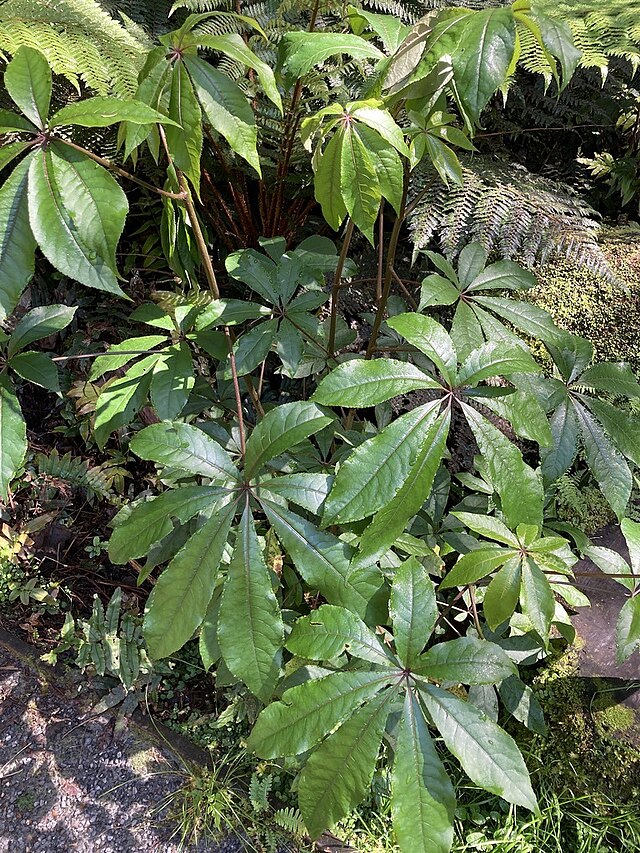
Many people imagine bonsai as something to be grown in gardens or on balconies. However, in recent years, "indoor bonsai" that can be easily enjoyed indoors has gained attention. By choosing shade-tolerant tropical and subtropical tree species, you can bring the presence of a living sculpture to your living room or study. Ficus and moss balls in particular are easy for beginners to handle and have excellent appeal as interior décor. In this article, we explain everything from choosing tree species for indoor bonsai to managing light, water, and humidity in an easy-to-understand way for beginners.
How to Choose Tree Species Suitable for Indoor Bonsai
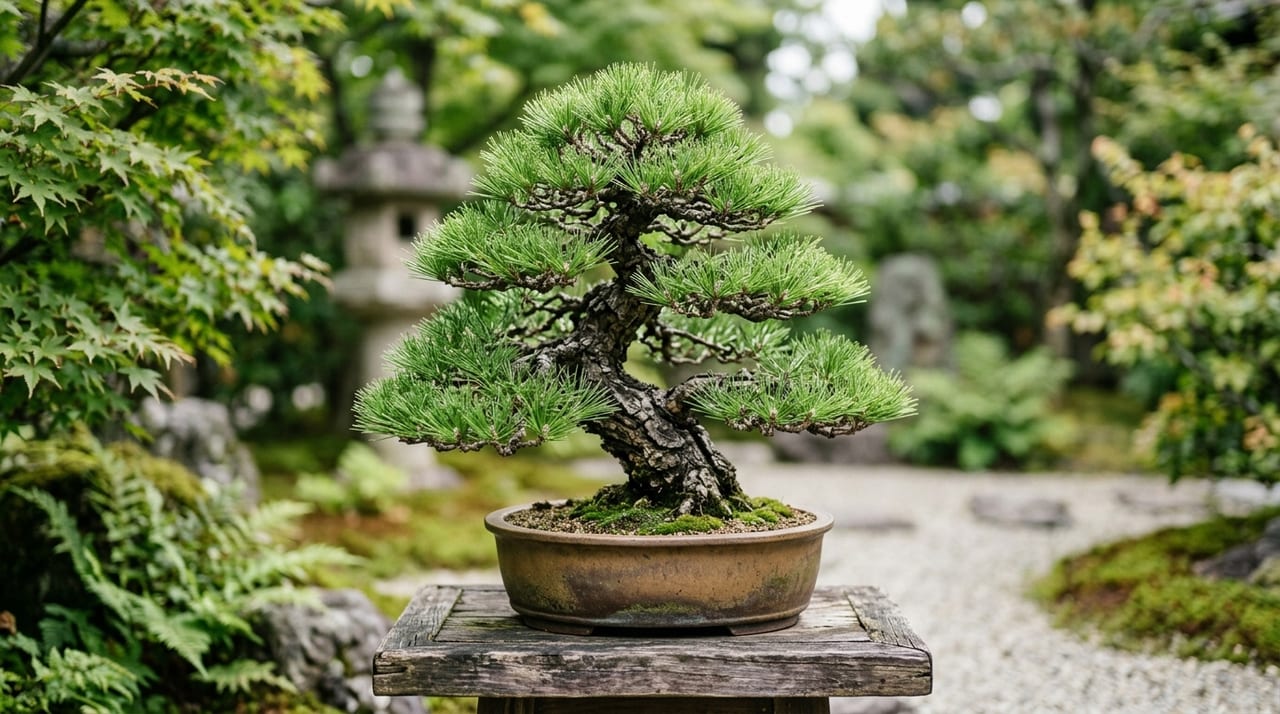
To grow indoor bonsai healthily for a long time, it is first important to understand "what kind of environment the plant naturally prefers." While outdoor pines and maples have beautiful forms, managing them indoors is difficult because of insufficient light and the challenge of ensuring a winter dormancy period, making them unsuitable for beginners. The shortcut to success is to choose shade-tolerant tree species native to tropical and subtropical regions.
Recommended Indoor Bonsai Species
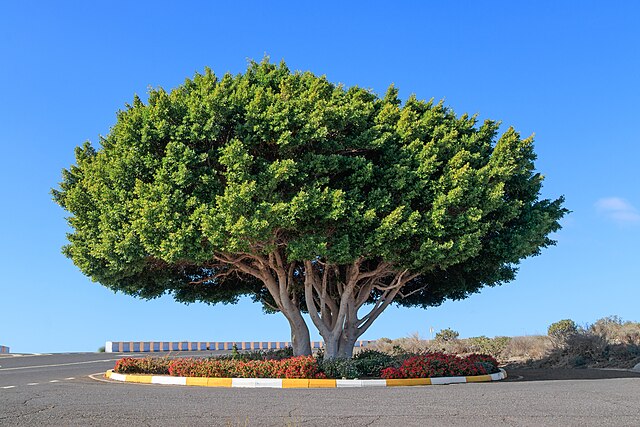
- Ficus (Money Tree): Native to Okinawa and Southeast Asia. Its distinctive aerial roots intertwine complexly, making it extremely striking as bonsai. With excellent shade and drought tolerance, it is the ideal first tree species for beginners.
- Shima-tonerico: Evergreen with delicate foliage that sways refreshingly in the breeze, fitting well into indoor spaces. Its relatively fast growth makes it easy to enjoy shaping through pruning.
- Ficus Microcarpa: A close relative of Ficus. The contrast between small leaves and thick trunk is beautiful, and it is also suitable for root-over style bonsai.
- Schefflera (Umbrella Tree): Tolerant of low light conditions. You can enjoy unique tree forms that showcase trunk curves and branch structure. Very hardy and easy to manage.
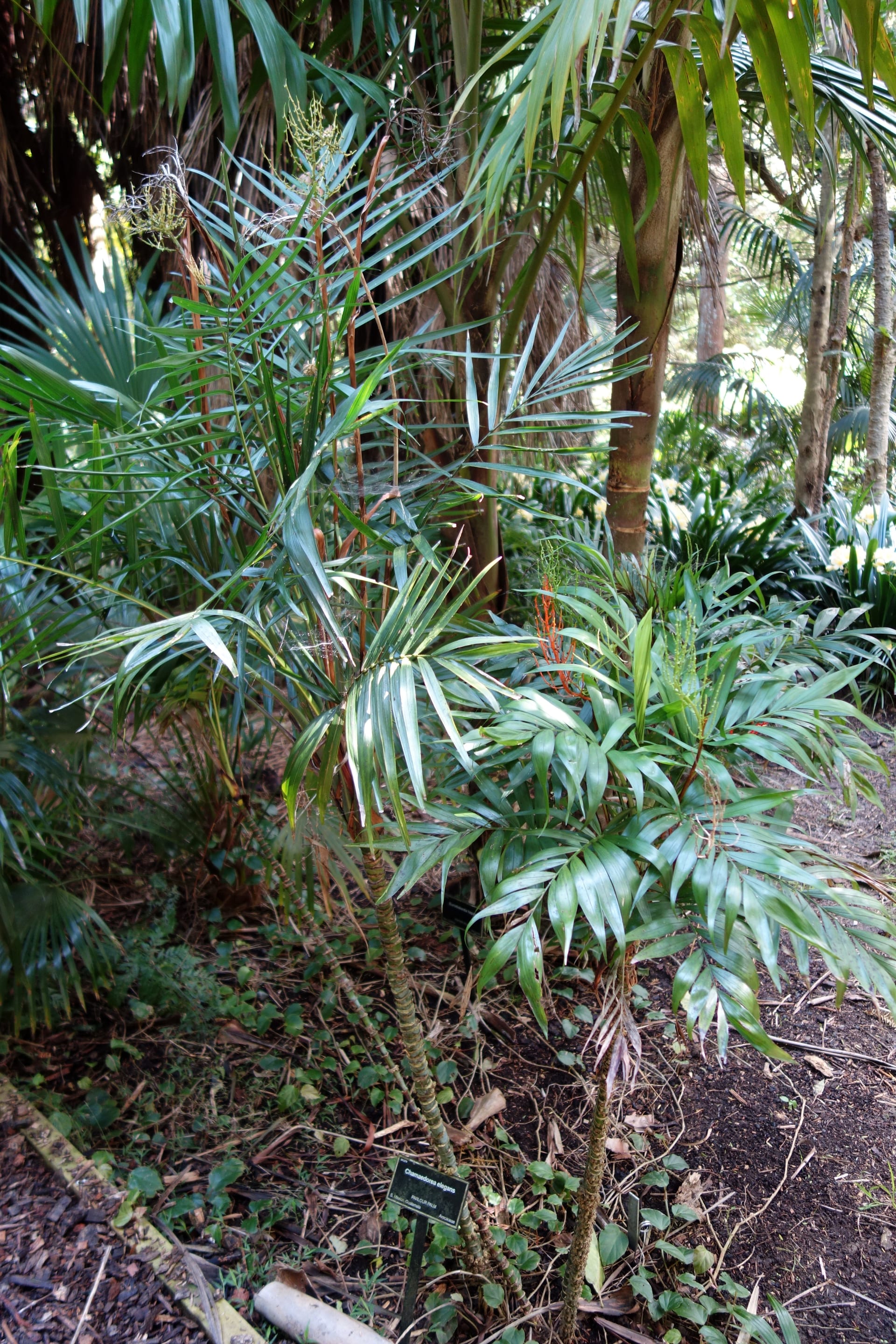
- Parlor Palm: A miniature palm with a tropical feel. When planted in a Japanese pot, it develops unexpected character and suits both Western and Japanese-style rooms.
These species thrive in bright windowside spots indoors. Many beginners choose Ficus as their first tree because it combines hardiness with distinctive appearance.
Easy Indoor Bonsai Style with Moss Balls
A moss ball is a uniquely Japanese gardening style where the root ball is wrapped in moss instead of using a pot. Since it can simply be placed on a shallow dish, it is easy to incorporate into room décor and is popular as an introduction to bonsai.
Basic Moss Ball Preparation
- Gently remove the soil around the plant's root ball, then wrap it thoroughly with a mixture of keto soil and akadama soil (ratio approximately 7:3).
- Cover this with high moor moss or mountain moss, and secure with fishing line or cotton string to prevent the moss from peeling off.
- Shape it into a round form, soak it in water to thoroughly moisten the moss, and it's complete.
After preparation, placing the moss ball on a dish, stone slate, or driftwood creates a natural aesthetic. While combinations with Japanese vessels are classic, pairing with minimalist concrete trays or Scandinavian-style ceramics creates a modern impression.
Plants Suitable for Moss Balls
- Ferns (Asparagus Fern, Button Fern, etc.)
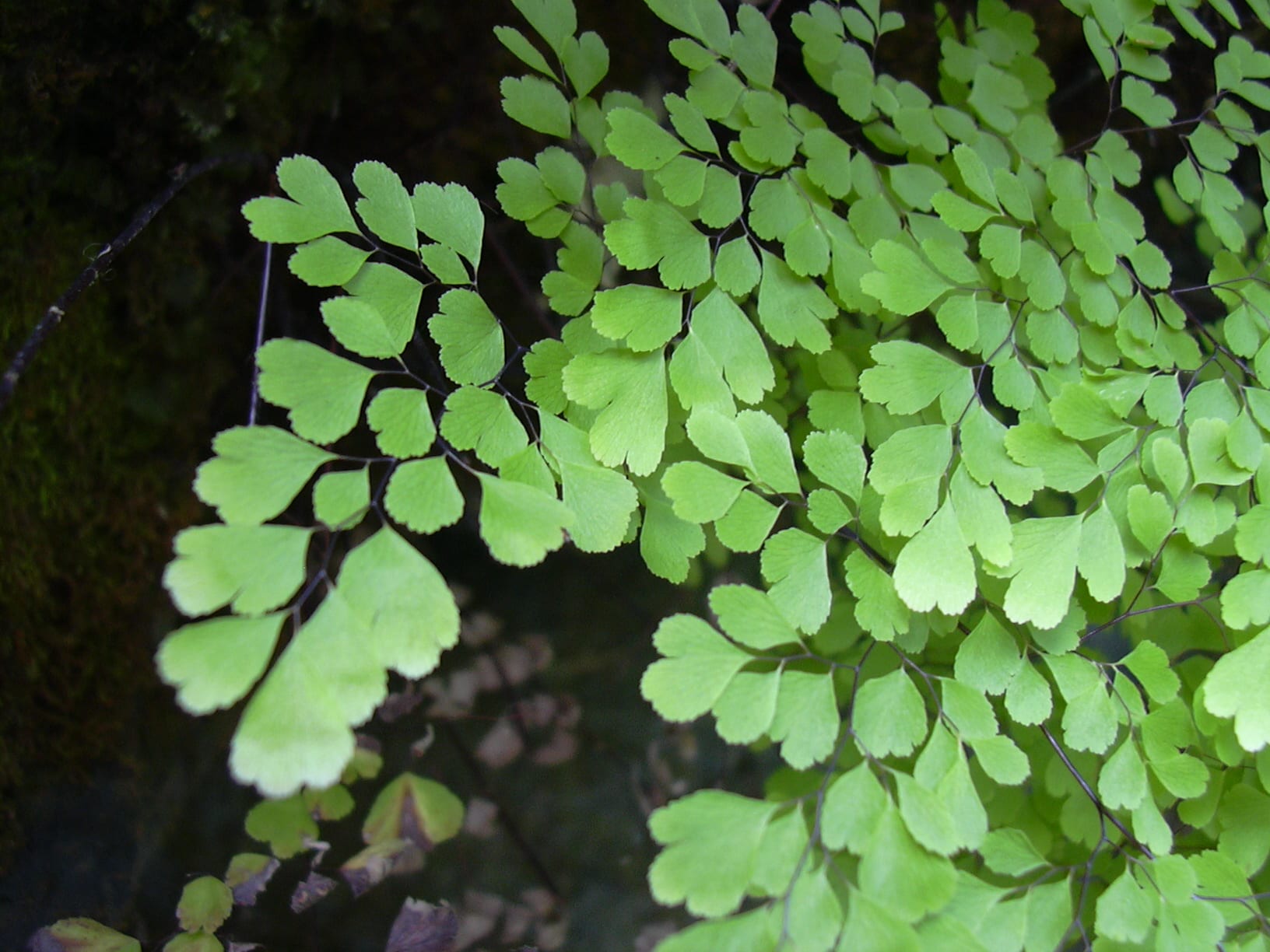
- Maidenhair Fern
- Ardisia japonica
- Young Ficus plants
The combination of humidity-loving plants with moss is ideal — the environment in which moss thrives is also comfortable for the plants.
Managing Light and Air Circulation
Most indoor bonsai die from insufficient light and poor air circulation. By carefully managing these two factors alone, survival rates improve dramatically.
Ensuring Adequate Light
- A bright windowside location is essential. East or south-facing windows are ideal.
- Soft indirect light through sheer curtains suits most indoor-suitable species.
- For north-facing rooms or locations away from windows, use LED grow lights designed for plants. Stable results come from 8–12 hours of daily illumination managed by a timer.
- Moving the plant to a shaded outdoor area 1–2 times per week during soft light times (cloudy days or early morning) is effective for recovery.
Ensuring Air Circulation
- Avoid places where air conditioning air blows directly, as rapid drying and temperature fluctuations damage trees.
- Closed rooms prone to stuffiness and mold should have windows opened once daily or use a circulator fan to move air.
Light and air are the most fundamental factors affecting bonsai health. A little attention to placement makes daily care much easier.
Watering and Humidity Management
Indoor environments are naturally drier than outdoors, and air conditioning and heating further reduce humidity. Rather than watering on a fixed schedule, it is important to assess the needs based on the plant and soil condition.
Basic Watering
- When the soil surface is dry, water thoroughly until water flows from the drainage holes.
- Always empty standing water in the catch tray (a major cause of root rot).
- Choose pots with drainage holes as the foundation for good drainage. Placing small stones (perlite, etc.) at the pot bottom improves drainage further.
Humidity Management
- During heating season or dry periods, misting leaves prevents leaf desiccation.
- Placing a humidifier nearby helps maintain stable humidity.
- For moss balls, when the moss becomes pale and dry, it's time to water. A simple method is to submerge the moss ball in water for about 5 minutes to absorb moisture, then lift and drain before returning to its spot.
Water evaporation rates vary greatly by season. Frequency increases in summer and decreases in winter. Developing the habit of "touching the soil to check" is the first step to proper watering.
Seasonal Indoor Bonsai Care Calendar
Even though cultivated indoors, plants sense seasonal changes. Incorporating seasonal care leads to healthier growth.
| Season | Main Care Points |
|---|---|
| Spring (Mar–May) | Pruning and repotting season. Begin fertilizing with new growth. |
| Summer (Jun–Aug) | Increase watering frequency. Mist leaves to prevent leaf burn and drying. Avoid direct sunlight. |
| Autumn (Sep–Nov) | Gradually reduce fertilizer and begin preparing for winter survival. |
| Winter (Dec–Feb) | Be careful of heating-related dryness. Water sparingly. Maintain minimum temperature above 10°C. |
Tropical species like Ficus are sensitive to cold, so be cautious about chilling at windowsides in winter. When leaves may be damaged by direct contact with cold glass, move plants slightly away from the window at night.
Finding Indoor Bonsai on GrowerDirect
On GrowerDirect, you can purchase indoor-suitable Ficus bonsai, moss balls, and indoor-friendly species directly from specialized growers.
Unlike typical home centers or online retailers, the biggest advantage of GrowerDirect is that you can ask growers directly specific questions like "Which direction does my window face?" or "Is it safe for pets or small children?" For those who don't want to fail with their first bonsai, you can confidently choose with grower advice.
Experience the world of indoor bonsai as if arranging a living sculpture in your room. Come find the perfect tree for your space on GrowerDirect.