Bonsai Root Structure Management: Techniques for Shaping Root Nebari
Introduction to root management techniques for achieving beautiful bonsai root structure, and species-specific approaches.
Key Takeaways
Introduction to root management techniques for achieving beautiful bonsai root structure, and species-specific approaches.
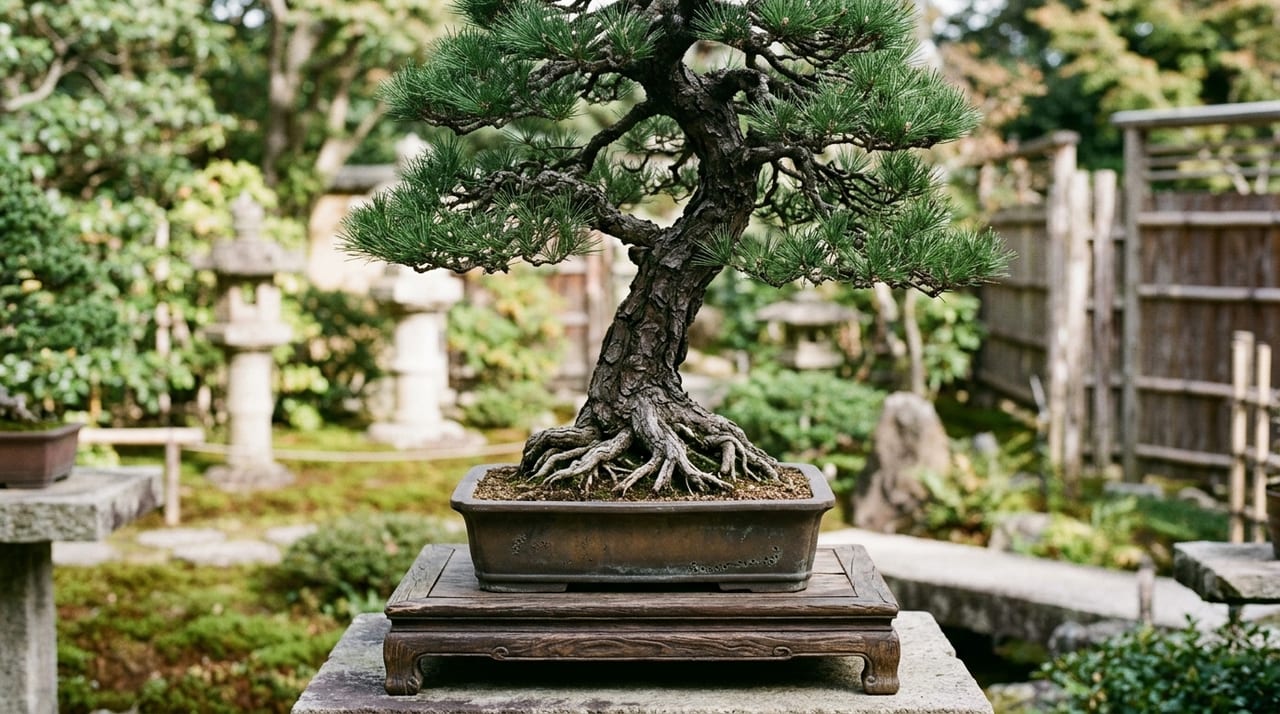
The root structure of a bonsai is a vital element that symbolizes the dignity and vitality of the work. Roots spreading powerfully from the base of the tree create a sense of stability as if firmly grasping the earth, evoking profound emotion in the viewer. By mastering proper root management techniques, one can realize an ideal root structure.
The Aesthetics and Philosophy of Root Structure
In bonsai, the term "root structure" refers to thick roots spreading radially from the base of the trunk. This is called "eight-directional root structure," and the most ideal state is when roots extend uniformly in all directions. Recreating the dignified form of the root base that towering trees in nature develop over many years within the limited space of a bonsai pot is the true essence of this art.
The quality of the root structure greatly influences the overall impression of the bonsai. No matter how magnificent the branch structure is, a poor root arrangement will throw off the balance of the entire composition. Conversely, with a solid root structure, even if the branch training has some room for improvement, the specimen is often valued as a promising material.
The technique of root management is not merely a matter of trimming roots. One must discern the growth direction of each root and systematically organize them with a clear vision of what root structure one wishes to develop in the future. This task requires knowledge of the characteristics of each species and the ability to choose the proper timing and methods.
Species-Specific Root Management Approaches
Root Management Techniques for Conifers
Pine species such as black pine and red pine are trees in which root structure is especially emphasized. Pine roots tend to develop thick, and with proper management, they form splendid root structures. When repotting, thick roots should be directed horizontally, while tap roots extending vertically should be cut back boldly. To promote the development of new fine roots, the tips of thick roots should be cut at an angle and wound sealant applied to the cuts.
Cypress species such as Hinoki and Juniper have slower root growth compared to pines, but by developing fine roots densely, a stable root structure can be created. During root management, it is important to carefully untangle interwoven roots and reposition them radially.
Characteristics of Root Management for Deciduous Trees
Deciduous species such as maple and zelkova have vigorous root growth and require frequent root management. Particularly in young trees, repotting and root management approximately once every two years can develop a dense root structure. Since the roots of deciduous trees are soft and flexible, it is also possible to correct their direction using wire.
Japanese maple species in particular develop fine roots easily, and with proper management can create a delicate and beautiful root structure. However, since thick roots tend to develop in one direction, it is important to adjust them from an early stage to achieve even distribution.
Root Management for Flowering and Fruiting Bonsai
For flowering bonsai such as plum and cherry, care must be taken regarding the timing and extent of root management to avoid affecting blooming. Basically, it should be done after flowering and before new buds begin to grow. Excessive pruning of roots can result in poor flowering the following year, so it is recommended to limit management to approximately one-third of the total root system.
For fruiting bonsai, nutrient absorption through the roots is particularly important during the fruiting period, so the basic practice is to perform root management during the dormant period after enjoying the fruit. Since root renewal becomes slower as the tree ages, it is important to cultivate the habit of planned root structure development while the tree is young.
Practical Techniques for Root Management
Successful root management begins with selecting the proper tools. It is important to gather tools appropriate for the task—such as root rakes, root scissors, and tweezers—and keep them clean at all times. In particular, root scissors must maintain their sharpness; regular honing is necessary to prevent crushing the cut surface.
Before beginning work, observe the entire root ball of the bonsai removed from the pot and assess the condition of the roots. Carefully remove old soil, and remove any dead or damaged roots as you find them. During this process, it is important to keep the roots from drying out by misting them periodically as you work.
When dealing with thick roots, remove unnecessary portions decisively while envisioning the future root structure. However, cutting all thick roots at once can severely weaken the tree's vigor, so it is wise to manage them gradually. For large cut surfaces, apply wound sealant to prevent decay.
When managing fine roots, focus on removing old, darkened roots while preserving new white roots. Thin out densely packed areas moderately, adjusting the overall density to be uniform. This work promotes the development of new fine roots and improves the tree's nutrient absorption capacity.
Planting and Subsequent Care
Once root management is complete, repot promptly into fresh growing medium. Establish a drainage layer at the bottom of the pot, spread a thin layer of medium over it, and place the bonsai. Use a bamboo stick or similar tool to carefully work the medium between the roots, ensuring no air pockets remain. Be careful not to compress the roots forcefully during this process.
After planting, water thoroughly until water runs from the drainage holes. This initial watering ensures that the medium makes good contact with the roots and promotes new root development. For approximately two weeks afterward, protect the tree from direct sunlight and keep it in bright shade with good air circulation.
After root management, it is important to apply fertilizer sparingly until new roots have sufficiently developed. Typically, begin applying dilute liquid fertilizer approximately one month after root management. Gradually return to normal fertilizing practices as the tree's vigor recovers.
Regular observation is also important for assessing root development. One can infer the activity level of the roots from factors such as water penetration during watering and the growth rate of new shoots. Early intervention when problems are detected can prevent more serious issues.
Conclusion
To create beautiful bonsai root structures, a long-term perspective and systematic root management are essential. By understanding the characteristics of each species and performing root management at the appropriate times using proper methods, one can achieve an ideal root structure. While mastering these techniques takes time, through careful attention to each task and accumulated experience, improvement is guaranteed.
Root management is an especially important task in bonsai cultivation, directly connected to both the tree's health and appearance. Without haste, engaging in dialogue with the tree and crafting a root structure that expresses its individual character is the true essence of the bonsai hobby. By developing proper root management techniques, your bonsai will grow into a work of greater dignity and vitality.