Small Bonsai (Shohin Bonsai) — Charm and Care Guide | Getting Started with Miniature Bonsai
Discover the charm of small bonsai and learn how to cultivate them. This guide covers the definition and size of shohin bonsai, recommended species for beginners, care essentials, display techniques, differences from larger bonsai, and the joy of collecting.
Key Takeaways
Discover the charm of small bonsai and learn how to cultivate them. This guide covers the definition and size of shohin bonsai, recommended species for beginners, care essentials, display techniques, differences from larger bonsai, and the joy of collecting.
Related Species
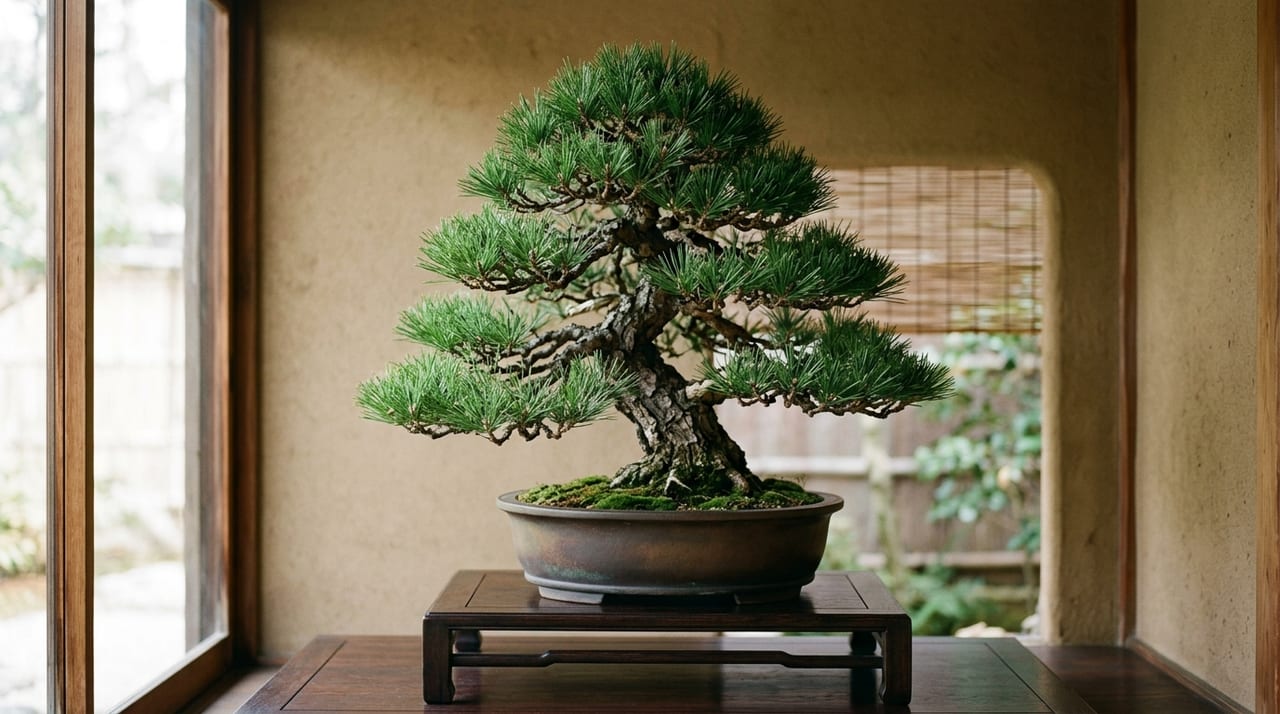
Shohin bonsai (小品盆栽) refers to small bonsai trees with a height of 20cm or less. Despite being small enough to fit in the palm of your hand, they capture the grandeur of towering trees in miniature form. Because they require minimal space and are relatively easy to maintain, they are ideal for apartment dwellers and bonsai beginners alike.
What Is Shohin Bonsai?
Bonsai is classified into several categories based on size. Generally, trees under 20cm in height are classified as shohin bonsai, those under 10cm as mame bonsai (bean-sized bonsai), and even smaller ones as mini bonsai. Compared to large bonsai (40cm or taller), shohin bonsai are characterized by their lightness and compactness—so small they fit in the palm of your hand.
Shohin bonsai became established as an independent category around the 1970s. Specialized exhibitions and magazines are published, and there are many devoted enthusiasts who focus exclusively on shohin bonsai. Interest is growing not only domestically but internationally, where it is known as "Shohin Bonsai."
The Charm of Shohin Bonsai
Space-Efficient Enjoyment With just one shelf on your balcony, you can maintain ten or more shohin bonsai. Enjoying bonsai without needing a spacious garden is the greatest appeal of shohin bonsai. They thrive on an apartment balcony or windowsill.
High Collectibility Their small size makes it easy to collect a variety of species and styles. Pines, maples, plums, fruiting varieties, flowering varieties, and herbaceous plants—all can be enjoyed in diverse combinations within limited space. The varied arrangements possible when displaying them on shelves is also a key advantage.
Accessible for Beginners Shohin bonsai are often more affordable than large bonsai, allowing you to start with minimal initial investment. Small pots and tools are required, keeping costs low.
Relatively Faster Development While the trunks of small bonsai thicken slowly, the time needed to shape the tree is shorter than with large bonsai. Even trees started from cuttings or seeds can develop into specimens worth viewing within a few years.
Recommended Shohin Bonsai Species for Beginners
Calamansi (Chōjubaï) A representative shohin bonsai species. It flowers with small red blooms throughout the four seasons and is hardy and easy to grow. Cuttings propagate easily, making propagation simple. The bark texture creates an aged appearance, resulting in a bonsai with character even at small sizes.
Japanese Stewartia (Himeshara) A deciduous tree with beautiful smooth reddish-brown bark. It produces small white flowers in summer and displays autumn foliage. Growth is slow, making it easy to maintain its small size.
Chinese Juniper (Shinpaku) An evergreen prized for the striking contrast between the white of jin and shari deadwood and the green foliage. Its branches bend easily, allowing dynamic forms even in small sizes. Hardy and beginner-friendly among coniferous species.
Japanese Maple (Kaede) Among all species, Japanese maple displays the richest seasonal changes—fresh green in spring, deep green in summer, vibrant autumn foliage, and branch structure in winter. Growth is vigorous, providing practice in pruning. Even small specimens display magnificent fall color.
Firethorn (Pyracantha) A fruiting bonsai that produces abundant small red or orange berries in autumn. Hardy and produces flowers and fruit readily, making it ideal for beginners experiencing fruiting bonsai.
Care Essentials for Shohin Bonsai
Shohin bonsai require different management approaches than large bonsai due to their small pots.
Watering This is the most critical care point. Small pots contain little soil, which dries much faster than large bonsai. During summer, watering may be necessary two to three times daily. Check the soil surface each morning and evening; water thoroughly when dry. Plan ahead for watering during travel. The soak method (immersing the pot in water) is effective for short periods.
Light and Location Generally, manage in a bright outdoor location. Use shelving to ensure good light and airflow. Summer direct sun heats small pots rapidly; shade cloth is effective. In winter, even cold-hardy species risk root damage in freezing small pots, so move them to a simple greenhouse or undercover area.
Fertilizing With limited soil, fertilizer effects appear quickly, but overfertilizing risks nutrient burn. Apply small amounts of solid fertilizer monthly or dilute liquid fertilizer every two weeks. Stop fertilizing during dormancy.
Repotting Small bonsai have limited root space, requiring more frequent repotting than large bonsai. Once every one to two years is standard; vigorous species may need annual repotting. Repot in late February to March (deciduous species) or March to April (conifers).
Pruning and Shaping Pruning small bonsai aims partly to "keep them small." Cut back extending branches to one or two nodes to maintain a compact form. Wiring requires fine wire and delicate technique.
Selecting Pots for Shohin Bonsai
Shohin bonsai typically use very small pots, approximately 5 to 10cm. Because they are small, the pot's texture and design stand out, and the interplay between tree and pot becomes a joy to appreciate.
Pot Materials and Forms
- Glazed pots: Suit flowering or mixed-wood species. Wide color variety
- Unglazed clay: Suit conifers and aged-looking trees. Simple, rustic charm
- Round pots: Soft impression. Suit maples and calamansi
- Square pots: Sharp impression. Suit Chinese junipers and pines
- Shaped pots: Artist pots offer unique character. A one-time encounter with the tree
Artist-made pots for shohin bonsai are more affordable than those for large bonsai, adding to the collecting experience.
The Joy of Shelf Display
The greatest showpiece for shohin bonsai is shelf display. Arranging multiple bonsai on a shelf to compose a single landscape is an art form unique to shohin bonsai.
Using three-point display (main tree, secondary tree, herbaceous plant) as the foundation, compose combinations with seasonal awareness. Spring features flowering varieties like plum and cherry; autumn pairs colored maples with fruiting bonsai. Changing displays seasonally is part of the joy.
Find Small Bonsai on GrowerDirect
On GrowerDirect, you can purchase attractive small bonsai directly from growers who specialize in them. Since growers offer advice on species selection, care methods, and shelf composition, those wanting to explore the world of shohin bonsai should check out grower listings on GrowerDirect.