Enjoying Small Bonsai (Shohin) | Introduction to Mame Bonsai with Small Pots
Explanation of the appeal and cultivation methods for palm-sized small bonsai and mame bonsai. We introduce watering frequency for small pots, soil mixture, pruning techniques to shape miniature sizes, and how to arrange them on display shelves.
Key Takeaways
Explanation of the appeal and cultivation methods for palm-sized small bonsai and mame bonsai. We introduce watering frequency for small pots, soil mixture, pruning techniques to shape miniature sizes, and how to arrange them on display shelves.
Related Species
What is Small Bonsai (Shohin)? Differences from Mame Bonsai and Their Appeal
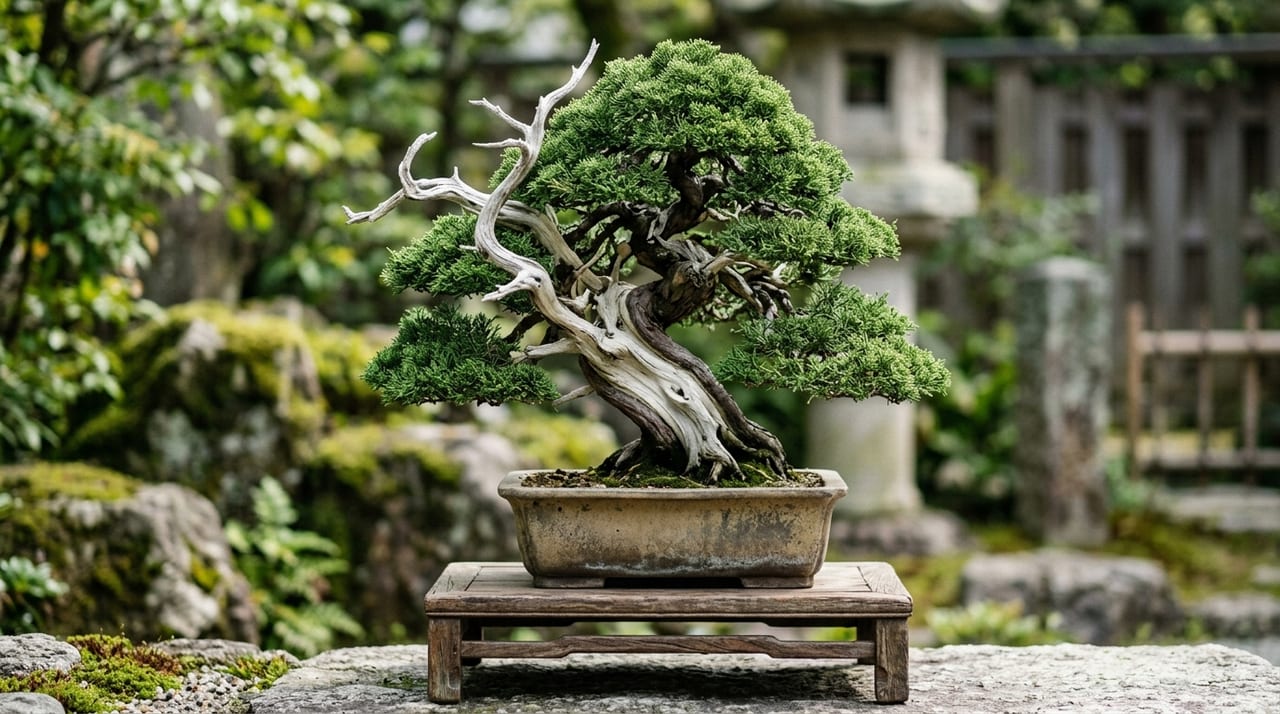
In the world of bonsai, there are classifications based on size: "large," "medium," "small," and "mame bonsai." Generally, small bonsai (shohin) refers to trees about 10–20cm tall, while mame bonsai refers to those under 10cm. The greatest advantage over large bonsai is that they are not limited in placement and can be enjoyed on apartment balconies or indoor shelves. Some tree species have become established with dedicated names for the small size, such as "small maple (shohin momiji)."
However, "small does not mean easy." Rather, because the pot is small, a quick response to water stress and root congestion is required. On the other hand, many tree species have forms that mature quickly and become attractive within a few years. They also have high collectibility, and it is not uncommon for experienced enthusiasts to display dozens of pots on a shelf and enjoy their individual differences.
Beginner-friendly tree species for small bonsai are broadly divided as follows:
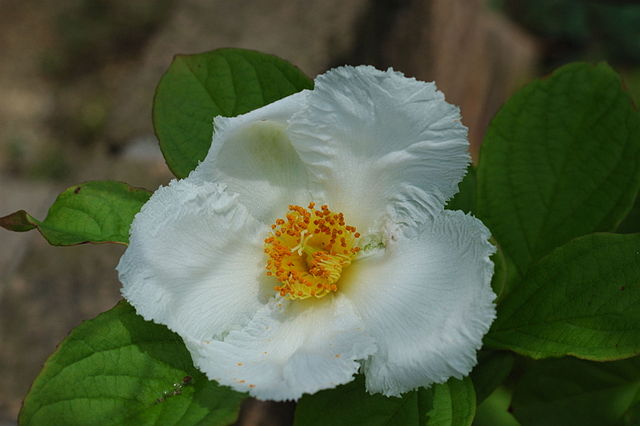
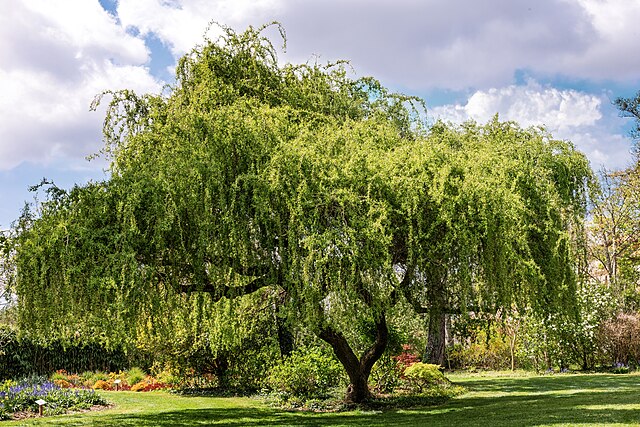
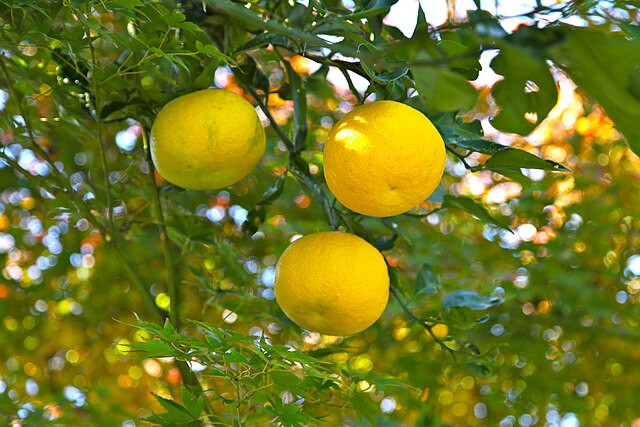
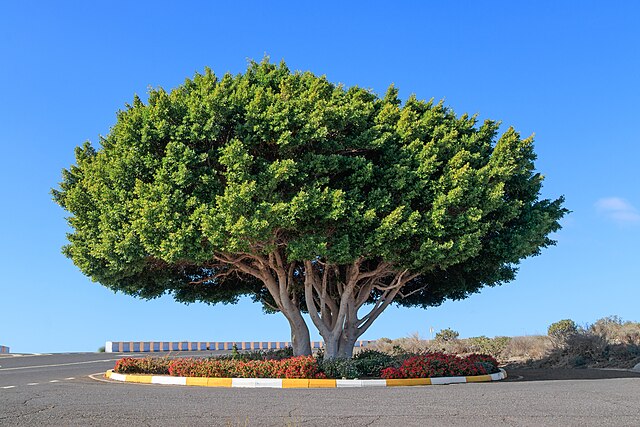
- Deciduous trees: Zelkova, Japanese stewartia (saira/natsutsubaki), yuzu, and weeping willow. Particularly easy to handle as an introduction to small bonsai
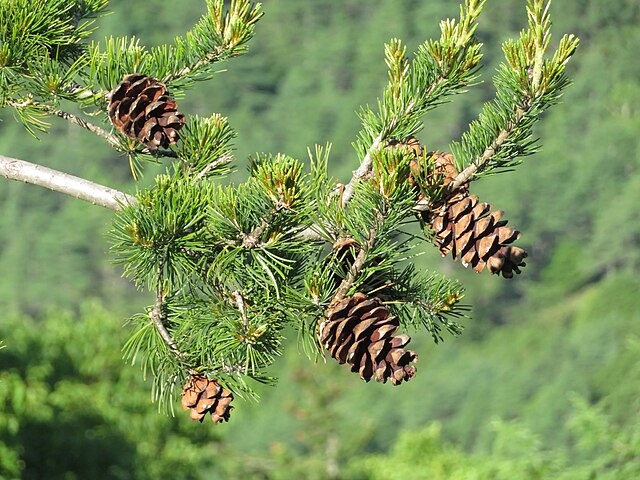
- Evergreens: Chinese juniper (shimpaku), five-needle pine, and others. Popular but requiring some experience in care
Starting with deciduous tree materials is the most fail-safe approach.
Choosing Pots and Soil
In small bonsai, pot selection greatly influences the appearance of the tree. Use approximately 60–70% of the tree's height as a guide for width, and choose depth to match the spread of the roots. Generally, rounded tree forms pair well with oval or round pots, while straight-trunk or literati-style trees suit rectangular or square pots. Glazed colored pots look attractive for display, but unglazed pots have high breathability and make root management easier, so many experienced growers deliberately use unglazed pots during cultivation.
The basic ratio for soil mix is "hard akadama (small grain) : Kiryu sand = 7:3". For mame bonsai sizes, even finer particles (1–2mm) are used. Balancing drainage and water retention is crucial, and since muddy old soil leads to root congestion, repotting once every 2–3 years is essential. The best time for repotting is just before new growth in spring (late March to early April). For more detailed information on soil mix ratios and species-specific adjustments, please also refer to Bonsai Soil Mix and Repotting Guide.
Don't forget to secure the roots with a pot mesh and wire. Small pots easily tip over in wind, and securing them is essential for safety until the roots are well-established.
Watering and Location Management
The most common failure with small bonsai is "death from drought stress." The smaller the pot, the faster the soil dries, and in the height of summer, watering twice daily (morning and evening) may be necessary. A good watering guideline is: "when the soil surface looks whitish and dry, water thoroughly until water flows from the bottom." Giving small amounts at a time does not prevent root rot; rather, it results in "uneven watering" where only part of the roots get wet, so care is needed.
The ideal location is outdoors on a shelf with good sunlight and air circulation. Indoor management causes trees to become leggy due to insufficient light and poor air circulation, and is not suitable long-term. Extended rain during the rainy season poses a root rot risk, so consider moving plants to shelter under an eave.
Winter management varies greatly depending on tree species. Cold-hardy species like zelkova and Chinese juniper can overwinter outdoors with just frost protection, but tropical species (such as Taiwanese fig) require temperatures of at least 5°C. Choose a method suited to your environment and tree species, such as "unheated indoor space," "plastic greenhouse," or "burying in a foam box for overwintering."
Pruning and Wiring Basics
Creating the tree form in small bonsai is fundamentally a combination of "pruning" and "wiring." The purpose of pruning is to remove leggy branches (branches growing vigorously straight up or straight out) early and encourage fine branching. By repeatedly performing "cutting back" and "bud pinching," delicate branch tips characteristic of bonsai develop.
In the case of zelkova, performing "defoliation" around June—removing all leaves at once—causes small new leaves to emerge in summer and results in beautiful autumn color. This "leaf regrowth after defoliation" is one of the delights of small bonsai.
For wiring, select aluminum or copper wire about 1/3 the thickness of the branch, and wrap it spirally along the branch to correct its direction. During the growing season (spring to summer), branches thicken quickly, so watch for "wire marks" where the wire cuts in. The rule is to remove the wire in about 2–3 months. Not only does a wire mark diminish appearance, but the bark wound becomes an entry point for pests and diseases, making proper timing crucial. For a more thorough understanding of the fundamental wiring technique, you can confirm species-specific precautions in Introduction to Bonsai Wiring.
Fertilizing and Pest Management
Small bonsai have limited soil volume in the pot and tend to deplete nutrients easily. Regular fertilizing from spring growth through autumn (late September) is essential. The basic method is "top-dressing" with solid organic fertilizer (oil cake-based) placed at the pot's edge, replaced every 2–3 weeks. Combining this with weekly applications of liquid fertilizer is even more effective.
However, during the height of summer (late July through August), avoid fertilizing or use diluted liquid fertilizer to avoid stressing the roots. Also, do not fertilize during periods when you want to tighten the tree form or during dormancy (winter).
For pests and diseases, spider mites, aphids, and scale insects are the main adversaries. Representative symptoms and remedies are as follows:
| Pest | Symptoms | Treatment |
|---|---|---|
| Spider mites | Tend to flourish in hot, dry conditions; fine webbing visible on the underside of leaves | Apply miticide immediately |
| Aphids | Concentrated damage to new shoots | Remove them as soon as found. For pesticides, check the label for one registered for aphids that can be used on the bonsai species (trees, etc.) (GF Ortran wettable powder is registered on trees only for thrips) |
Source: MAFF Pesticide Registration Database (GF Ortran Wettable Powder)
In both cases, early detection and treatment are key to minimizing damage to the tree.
Enjoying Small Bonsai for Years to Come
Bonsai is said to be an art without "completion." Even the same tree offers the experience of seasonal change within one pot—spring growth, summer greenery, autumn color, and winter bare branches. Small bonsai is a special hobby that allows you to observe these changes up close on a shelf.
You may be unsure at first about how to source materials. Using seedlings sold at garden centers as "materials" is entirely valid, and many experienced cultivators start with inexpensive collected wild materials (though collection may require permission). Recently, you can also obtain unique materials and finished pieces from online shops specializing in bonsai and from plant grower-direct platforms like GrowerDirect. If you are unsure about tool selection, you can gain peace of mind by checking the essential toolkit for beginners in Complete Guide to Choosing Bonsai Tools.
What matters most is developing a habit of engaging with the tree daily. By simply observing the leaf color and branch growth while watering, you become quicker to notice changes and improve your management precision. The joy of cultivating a natural landscape within a small pot deepens the longer you practice it.