Cattleya (Corsage Orchid) Flowering Mechanism and Cultivation Tips
Cattleya (Corsage Orchid) Flowering Mechanism and Cultivation Tips。Why Cattleya Is Called the "Queen of Orchids" Cattleya (scientific name: Cattleya genus)…
Key Takeaways
Cattleya (Corsage Orchid) Flowering Mechanism and Cultivation Tips。Why Cattleya Is Called the "Queen of Orchids" Cattleya (scientific name: Cattleya genus)…
Related Species
Why Cattleya Is Called the "Queen of Orchids"
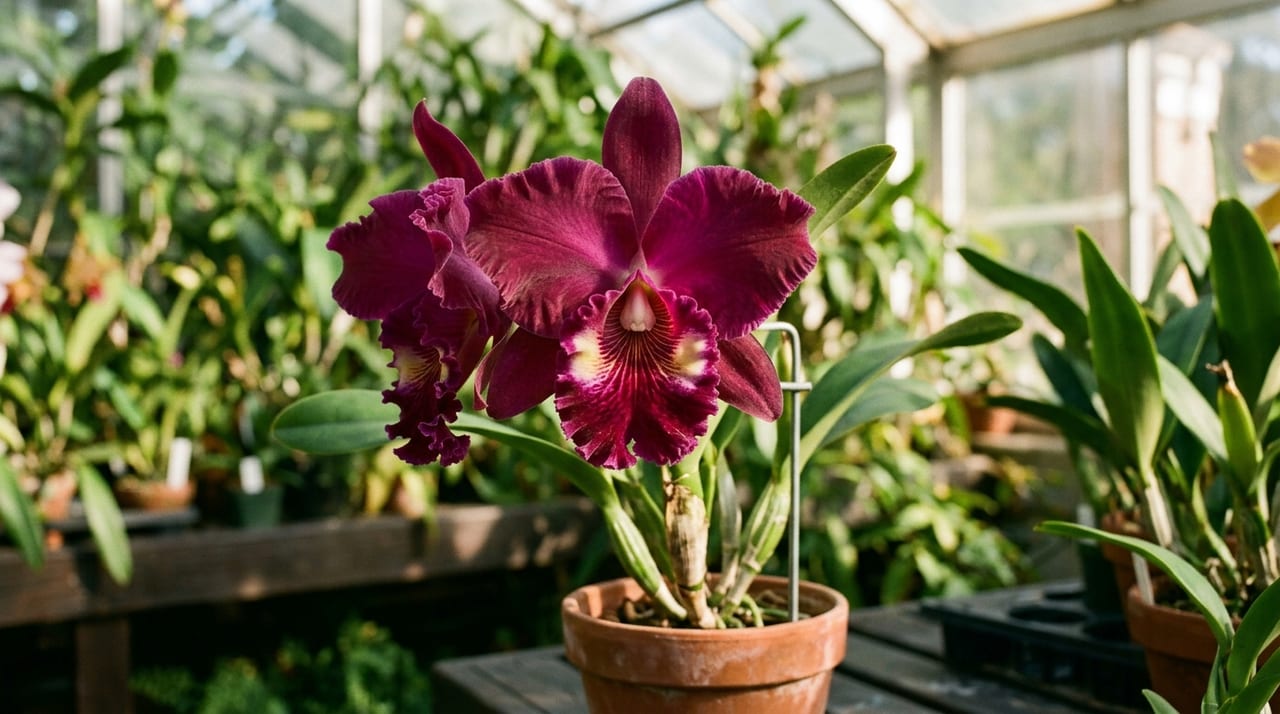
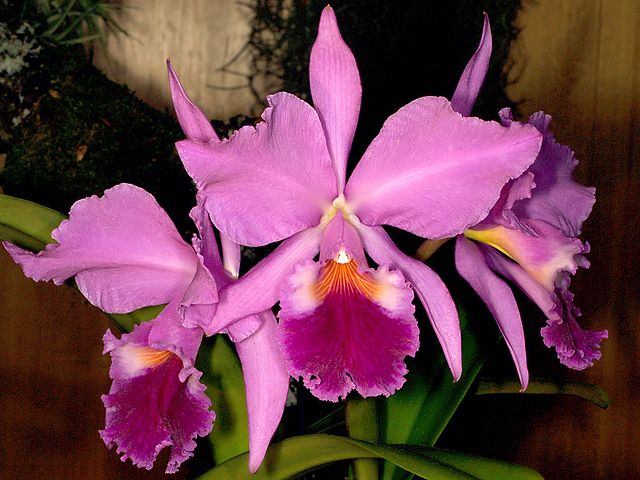
Cattleya (scientific name: Cattleya genus) is an epiphytic orchid native to tropical rainforests of Central and South America. It grows by coiling its roots around tree trunks and branches, and has established its own growth cycle within an environment where distinct wet and dry seasons alternate. Its flowers often grow quite large, and thanks to their rich fragrance and stunning colors, they earned the name "corsage orchid" and have graced weddings for many years.
The core of Cattleya's appeal lies in its flowering mechanism. In its native habitat, the temperature drop during the dry season and changes in light exposure act as a trigger for flower bud formation. The fundamental key to reliably coaxing blooms year after year in indoor cultivation is to recreate this natural signal. Most concerns about "why won't it flower" stem from cultivating without awareness of this natural rhythm.
Flowering Mechanism and Conditions for Blooming
Cattleya flowering begins when new pseudobulbs mature. The pattern is typically that new shoots developing from spring through summer become well-developed pseudobulbs, with flower buds forming at their tips. Three conditions are especially important in this process:
- Day-night temperature difference: A temperature difference between approximately 25°C during the day and around 15–18°C at night promotes flower bud formation. The period from late summer through autumn, when night temperatures drop, is the most critical phase.
- Sufficient light: To develop robust pseudobulbs, leaves need light bright enough to turn a clear yellow-green. Insufficient light causes leaves to darken and pseudobulbs to weaken, affecting the following year's bloom.
- Appropriate dry period: After the pseudobulb matures, reducing water gives the plant a "dormancy signal." This dry period further encourages flower bud formation.
Additionally, the Cattleya genus includes variety groups with different blooming periods—spring-flowering, autumn-flowering, winter-flowering, and others. Checking the variety name and flowering-period tag at purchase makes it easier to time your management accordingly.
Potting Medium and Containers: Healthy Roots Are the Foundation for Everything
Cattleya roots are highly sensitive to air circulation. Sphagnum moss alone tends to retain too much moisture and is prone to root rot; instead, a coarse potting mix centered on large bark chips is ideal. Mixing in small amounts of charcoal and perlite further improves aeration.
Terracotta pots or slotted plastic pots work well. The sign that repotting is needed is when roots begin to extend beyond the pot's edge. The best time to repot is immediately after flowering and before new shoots begin to grow. After repotting, avoid direct sunlight until roots are established and water sparingly during this recovery phase.
Roots with white or green tips that are firm and turgid are a sign of good health. Brown, shriveled roots are old roots and can be removed during repotting without concern. Making a habit of regularly checking root condition leads to stable long-term cultivation.
Watering and Fertilization: Clear Distinctions Bring Out Blooming
The basic principle of watering Cattleya is "water thoroughly when dry." Water thoroughly when the potting medium is completely dry, waiting 1–2 days, so water drains from the bottom of the pot. Rather than following the same frequency year-round, adjust how often you water with the seasons.
- Growth period (spring–summer): While new shoots are extending, the potting medium dries quickly, so check frequently and water.
- Pseudobulb ripening period (late summer–autumn): Gradually reduce watering and manage the plant on the dry side. The dryness during this period is a crucial step in promoting flower bud formation.
- Dormancy and flowering period (winter): Reduce watering frequency even further, watering only several days after the potting medium dries.
Fertilize during the growth period, from when new shoots begin to grow until the pseudobulb matures. Use diluted liquid fertilizer, and stop fertilizing once flower buds have formed. Fertilizer high in phosphorus and potassium supports pseudobulb development and flower bud formation. Avoid fertilizing during blooming and dormancy.
Location and Light: Reading Light Levels by Leaf Color
For indoor placement, a window where bright light enters throughout the day is ideal. The plant can grow in soft light filtered through a curtain, but low light weakens pseudobulbs and makes blooming difficult. South- or east-facing windows provide stable conditions; in summer, simply soften direct sunlight with shade cloth or sheer curtains.
Leaf color is a good guide. Healthy leaves are a bright yellow-green, a sign of sufficient light. Dark green indicates insufficient light; if this persists, the plant struggles to accumulate the energy needed for blooming. Conversely, if leaves turn whitish or develop scorched spots, light is too strong.
Temperature management is closely linked to location. Summer windowsills can become too hot, so in midsummer avoid direct sunlight while ensuring good air circulation. Also avoid placing the plant where air-conditioning cold air blows directly onto it, as this damages roots.
Post-Flowering Care and Preparation for the Following Year
Once flowers fade, cut off the flower stem at the base with clean scissors. Apply sealing compound with antibacterial properties to the cut. After flowering, the plant is depleted of energy, so let it recover for a while in a bright location away from direct sunlight.
For the next year's blooming, it's important to carefully nurture the growth of new shoots emerging after flowering. As new shoots develop robustly and the pseudobulb-building cycle repeats each year, the plant gradually grows stronger. Once the plant fills out well, multiple pseudobulbs will bloom from the same specimen, greatly increasing its visual impact.
With just the right environment, Cattleya is a long-lived plant that will continue blooming year after year for decades to come. Understanding the flowering mechanism and consistently tending your plant in sync with seasonal rhythms opens the door to a long and beautiful relationship with Cattleya blooms. On GrowerDirect, you can purchase plants carefully cultivated by skilled growers, so discover a trustworthy specimen and begin your own Cattleya cultivation journey.