How to Grow Cattleya and Tips for Blooming | Light, Temperature, and Watering Management
Guide to growing Cattleya, the "Queen of Orchids." Summarizes key management points for blooming, including light intensity, temperature, watering, and repotting.
Key Takeaways
Guide to growing Cattleya, the "Queen of Orchids." Summarizes key management points for blooming, including light intensity, temperature, watering, and repotting.
Related Species
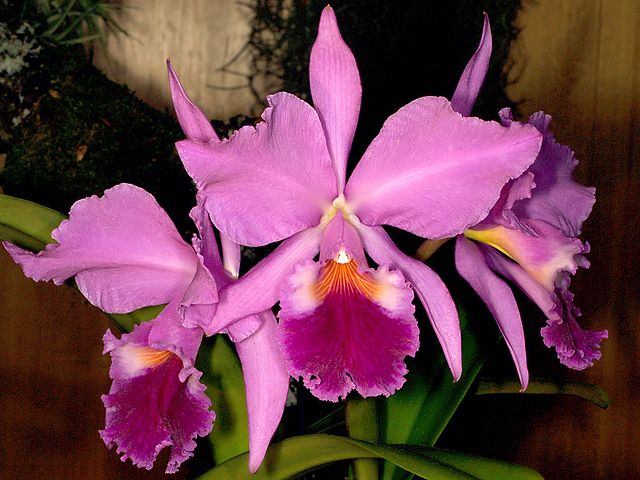
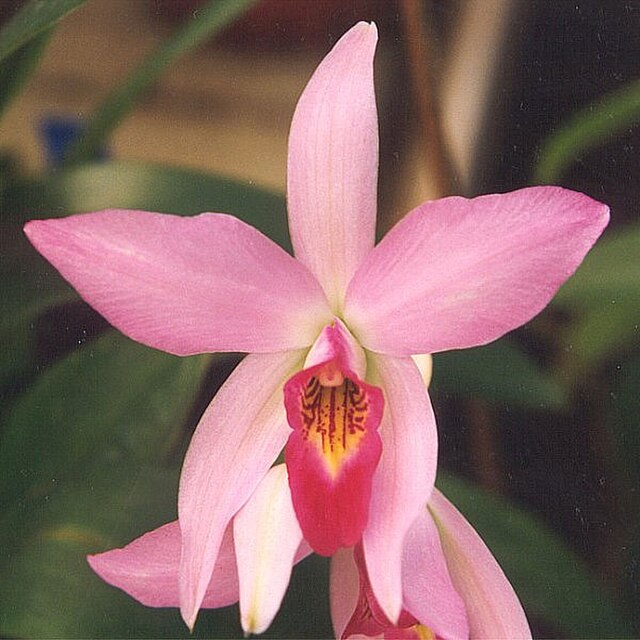
Cattleya is a beautiful orchid known as the "Queen of Orchids," prized for its large, showy flowers and rich fragrance. While it requires more careful attention than Phalaenopsis, once you master the key points, it thrives in Japanese homes.
Basic Information about Cattleya
Cattleya is native to tropical rainforests in Central and South America, where it grows as an epiphytic orchid attached to tree trunks. It stores water and nutrients in pseudobulbs (bulbs), producing leaves and flower stems from the tip of each bulb.
Types of Cattleya
- Large-flowered types (Labiata group): Flowers 10–15 cm or larger in diameter. Most bloom once per year
- Mini Cattleya: Compact varieties bred through hybridization. Smaller flowers but blooms more frequently, with some varieties flowering multiple times per year
- Hybrids with related genera (Laelia, Brassavola, etc.) also exist in abundance
Light Management
The most important factor in growing Cattleya is proper light management. Among orchids, Cattleya prefers relatively strong light.
Light Intensity Guidelines Light through sheer curtains is somewhat insufficient. An ideal location receives morning sunlight or maintains 30–50% shade throughout the year. Insufficient light is the primary reason Cattleya fails to bloom.
Seasonal Light Management
- Spring (March–May): 30% shade. Provide plenty of morning sun
- Summer (June–August): 50–60% shade. Be especially careful with western sun
- Autumn (September–November): 30% shade. Critical period for flower bud formation
- Winter (December–February): No shade. Provide as much light as possible
Judging Light Intensity by Leaf Color With proper light, leaves turn a bright lime green. Deep dark green indicates insufficient light, while a yellowish tint signals excessive light.
Temperature Management
Ideal temperatures vary by variety, but general growing temperatures are as follows.
Growing Season (Spring–Autumn) Daytime: 25–30°C, nighttime: 18–22°C is ideal. A difference between day and night temperatures promotes pseudobulb development and flower bud formation.
Winter (Dormancy to Blooming Period) Minimum temperature varies by variety, but generally maintain at least 13–15°C. Some Sophronitis-type Cattleyas tolerate temperatures as low as 10°C.
Watering
Growing Season Watering Water thoroughly after the potting medium (sphagnum moss or bark) has dried completely. Since Cattleyas store water in their pseudobulbs, slightly dry conditions are the standard approach.
Winter Watering Reduce watering frequency, watering 2–3 days after the potting medium dries. Excess moisture in winter is the primary cause of root rot.
Watering Tips Water in the morning. Be careful not to allow water to pool between pseudobulbs or in new growth, as this can cause rot.
Repotting
Repot every 2–3 years in spring (March–April) when new growth begins.
Potting Medium Selection
- Sphagnum moss: High water retention, suitable for beginners. Combine with unglazed clay pots
- Bark: High drainage, resistant to root rot. Combine with plastic pots
Repotting Steps Remove old potting medium and trim damaged roots. Position the plant so new growth is near the center or slightly back of the pot, and fill with fresh potting medium. Since Cattleya produces new growth toward the front, it's important to arrange the plant to provide space in the direction of growth.
Fertilizer
During the growing season (April–September), apply orchid liquid fertilizer approximately twice monthly. During summer when pseudobulbs develop, fertilizers high in phosphorus and potassium are effective. Stop fertilizing once flower buds appear, and cease fertilization during winter.
Tips for Blooming
Key points for getting Cattleya to flower:
- Sufficient light: The most critical factor. Without adequate light, blooms won't appear
- Pseudobulb development: Flowers emerge from large, sturdy pseudobulbs. Management focused on pseudobulb development is essential
- Temperature variation: Autumn's natural temperature fluctuations promote flower bud formation
- Plant maturity: Recently divided plants are less likely to bloom. Maintain a well-established plant with 3 or more pseudobulbs
Common Mistakes in Cattleya Cultivation
Mistake 1: Insufficient light prevents blooming Cattleyas require stronger light than many other orchids. Managing them as you would Phalaenopsis with weak light from behind sheer curtains may result in pseudobulb growth without flowers. Ensure adequate brightness so leaves become lime green or slightly yellow-green.
Mistake 2: Water pooling between pseudobulbs If water accumulates between pseudobulbs during watering, bacteria can enter and cause soft rot. Water slowly along the pot rim or use bottom-watering methods.
Mistake 3: Dividing plants too small Cattleyas should ideally be divided with at least 3 pseudobulbs, preferably 5 or more per division. Small divisions with only 1–2 pseudobulbs lack vigor and may not flower for years.
Annual Management Schedule
- Spring (March–May): Ideal repotting time. Resume watering and fertilizing once new growth appears
- Summer (June–August): Peak growth season. Provide strong light with appropriate shading, and give abundant water and fertilizer to develop sturdy pseudobulbs
- Autumn (September–November): Critical period for flower bud formation. Utilize natural temperature variation. Reduce fertilizer once sheaths are visible
- Winter (December–February): Indoor management. Maintain minimum 13–15°C. Reduce watering. Enjoy the blooms
Common Cattleya Cultivation Mistakes and Solutions
Mistake 1: Insufficient Light This is the primary reason Cattleyas fail to bloom. Managing them like Phalaenopsis results in inadequate light. Ensure brightness so leaves become lime green or slightly yellow-green. Deep green foliage indicates insufficient light.
Mistake 2: Water Pooling Between Pseudobulbs Water accumulated between pseudobulbs during watering causes soft rot. Water in the morning, allowing it to dry during the day. If water reaches the upper part of the pseudobulbs, absorb it with tissue.
Mistake 3: Division Size Keep at least 3 pseudobulbs per division, preferably 5 or more. Small divisions with 1–2 pseudobulbs lack vigor and may take years to produce flowers.
Cattleya Annual Management Calendar
| Period | Main Tasks | Points |
|---|---|---|
| March–May | Repotting, resume fertilizing | Begin after new growth appears |
| June–August | Growing season care | Shade + ample watering + fertilizing |
| September–November | Promote flower bud formation | Utilize temperature variation, reduce fertilizer |
| December–February | Blooming and winter care | Maintain minimum 13°C, reduce watering |
Since growth and blooming periods vary by variety, understanding your plant's growth pattern and adjusting the management cycle accordingly is essential.
Find Cattleya at GrowerDirect
At GrowerDirect, you can purchase blooming-size Cattleyas directly from specialist growers. You can consult directly about variety selection and growing conditions, making it easy to start Cattleya cultivation with confidence, even as a beginner.