Complete Window-Sill Cultivation Guide for Mini Orchids | Techniques for Blooming Fragrant Orchids in Small Spaces and Low-Light Environments
A practical guide to growing miniature orchids on windowsills. Optimize light levels, humidity, and fertilizer management to achieve repeated blooms of fragrant orchids in confined indoor spaces.
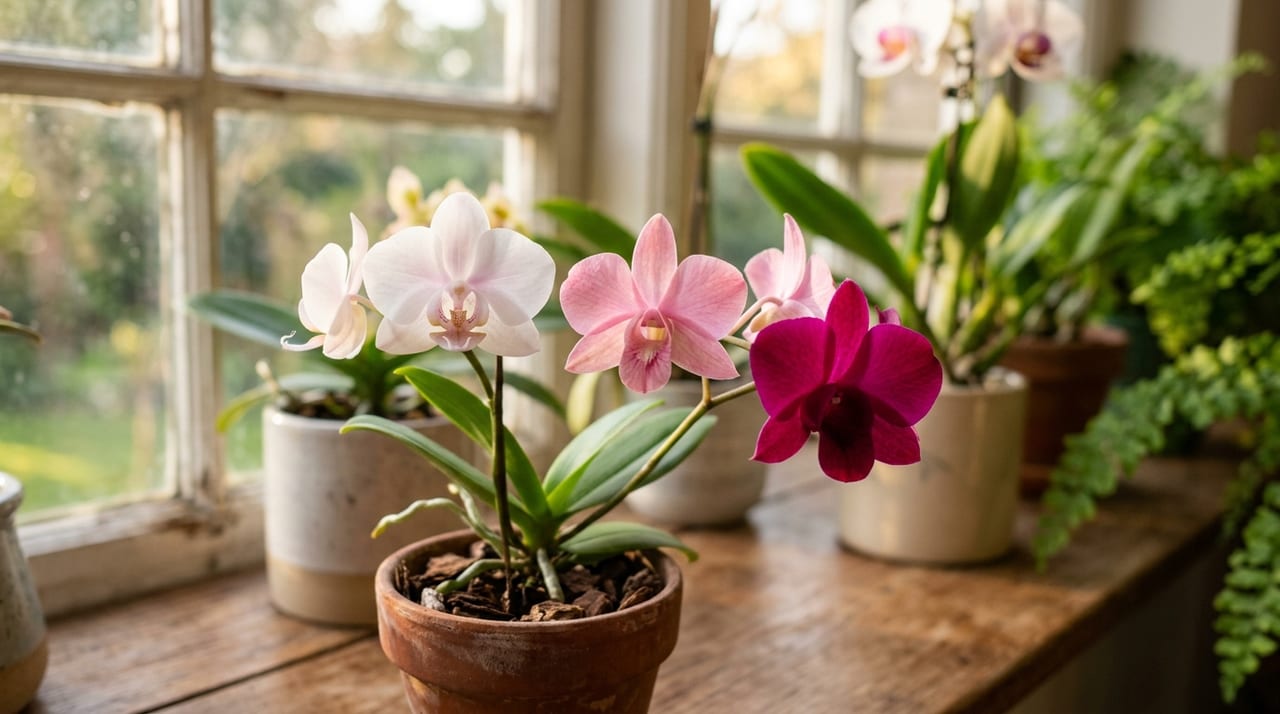
Key Takeaways
A practical guide to growing miniature orchids on windowsills. Optimize light levels, humidity, and fertilizer management to achieve repeated blooms of fragrant orchids in confined indoor spaces.
Related Species
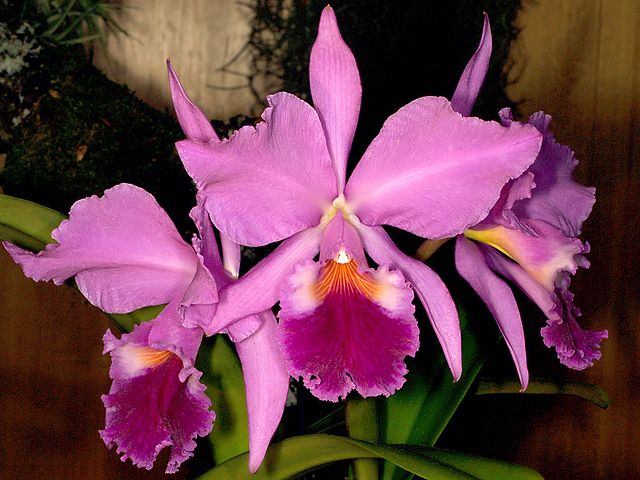
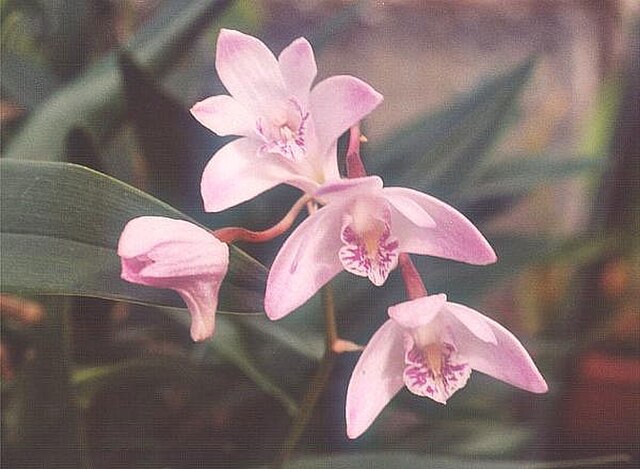
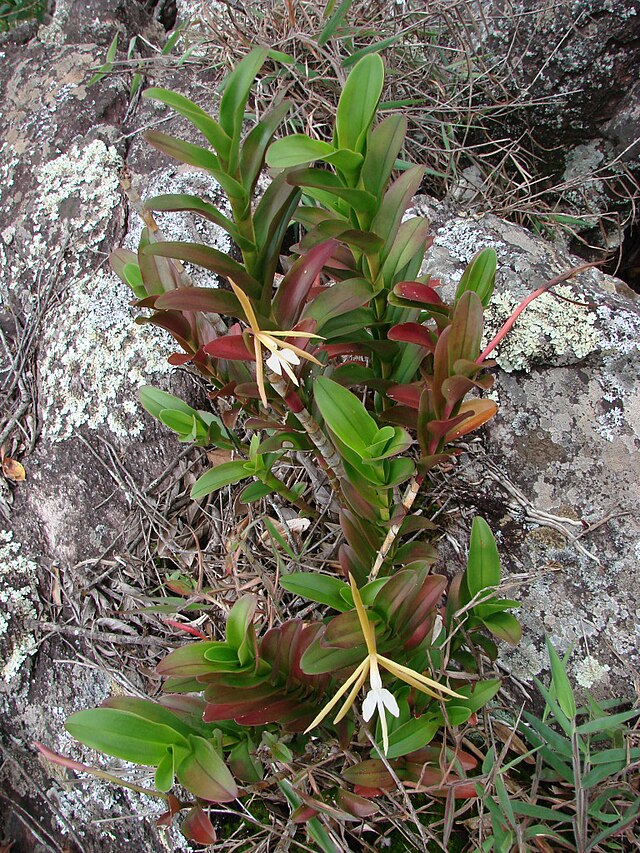
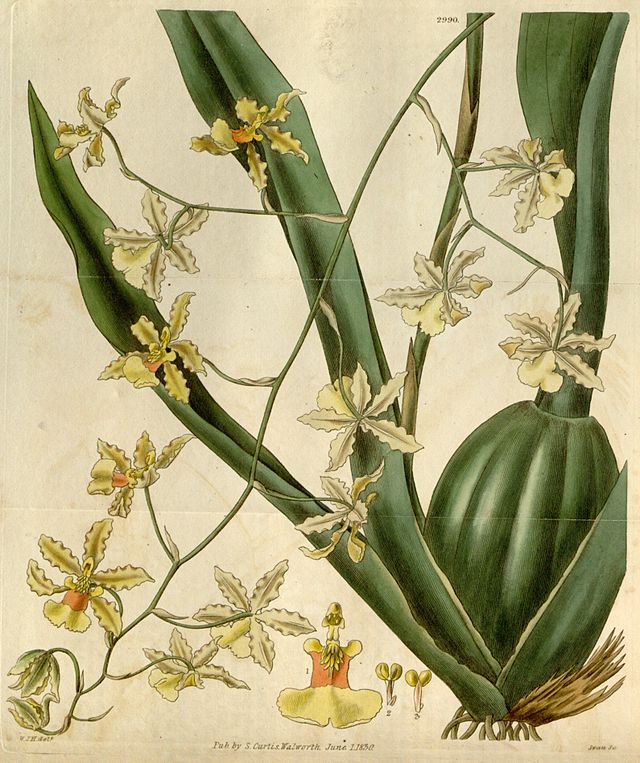
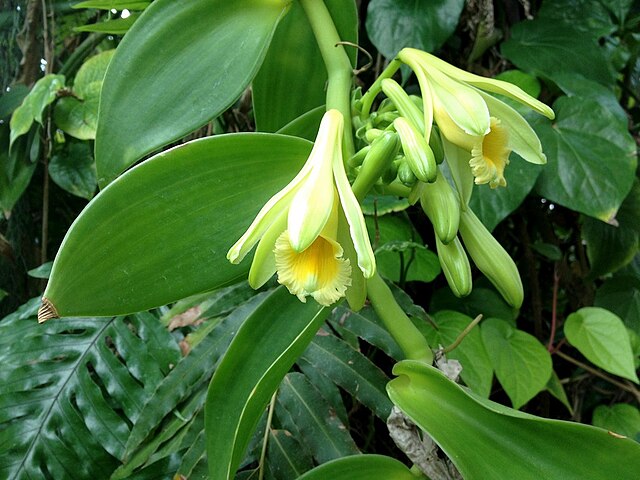
Mini orchids are a group of orchid-genus plants capable of thriving on limited windowsills within indoor spaces. Unlike standard cattleyas and phalaenopsis (moth orchids), miniature varieties complete their annual bloom cycles in spaces of approximately 50cm × 30cm. This guide presents a strategy for achieving maximum blooming results with minimal investment in windowsill environments.
Mini Orchid Cultivation Background
The miniaturization of orchid species began as a breeding strategy to counter collection pressure on native Southeast Asian habitats in the early twentieth century. Horticulturists secured both naturally occurring dwarf varieties (such as miniature Oncidium and dwarf Dendrobium types) and artificially reduced-size cultivars through deliberate cross-breeding.
Windowsill-Adapted Mini Orchid Species
- Oncidium 'Sharry Baby': Produces small yellow flowers in clusters. While lightly scented, it blooms for extended periods (8–12 weeks) and does not require direct sunlight.
- Dendrobium nobile (dwarf varieties): Pink, purple, or white. Winter chilling below 10°C is essential for blooming, but can be achieved through windowsill air exposure.
- Phalaenopsis mini white: White flowers. Exhibits the highest low-light tolerance (viable in north-facing windows) and blooms multiple times annually.
- Cattleya mini baby: Powerfully fragrant with flower longevity of 14–21 days. Requires somewhat higher light intensity; east-to-south-facing windows are essential.
- Epidendrum cochleatum: Compact red flowers. Demands consistently high humidity year-round but tolerates temperature fluctuations well.
Light Strategy by Window Orientation
Orchid growth is directly proportional to light intensity (lux/day). Flower bud initiation requires specific light levels and day length; insufficient light will result in missed flowering in the following year.
South-Facing Windows (Maximum 3–4 hours of direct light)
South-facing windows receive direct sunlight from April through October. Apply 50–75% shade cloth during summer months (June–August) to prevent leaf scorch. Light availability poses no bottleneck.
- Bloom Cycle: Spring-blooming types (Dendrobium) undergo flower bud initiation during the low-temperature period (December–February), producing blooms in April. Fall-blooming types (Cattleya) initiate buds during short days (August–October), blooming November–December.
- Recommended Species: Cattleya, Dendrobium nobile hybrids.
East-Facing Windows (2–3 hours of morning light)
East-facing windows receive morning sun (6am–10am), transitioning to indirect northern light thereafter. Provides intermediate light intensity of approximately 600–1000 lux.
- Bloom Cycle: Phalaenopsis can bloom year-round at this light level. Oncidium also flowers reliably.
- Recommended Species: Phalaenopsis mini, Oncidium 'Sharry Baby'.
West-Facing Windows (Direct afternoon/evening sun)
West-facing windows receive direct sunlight from 2pm to 6pm, with temperatures rising more easily. External shade cloth (50% shade fabric) is mandatory during summer.
- Bloom Cycle: Excess light promotes leaf bud development over flower bud initiation, delaying blooms.
- Recommended Species: Low-light-tolerant types (Phalaenopsis) are safer.
North-Facing Windows (Constant 300–500 lux)
North-facing windows receive only northern skylight. Light levels are insufficient for most orchids to flower, though certain shade-tolerant species adapt well.
- Bloom Cycle: Maximum of one bloom annually. Flower bud initiation is delayed, making late-winter to spring flowering optimal.
- Recommended Species: Phalaenopsis white (highest shade tolerance), Epidendrum.
- Supplemental Lighting Recommended: Artificial LED lighting boosts flower-bud formation when natural light is limiting.
Humidity Management and Water Quality
Orchid physiology depends heavily on atmospheric humidity and the wet-dry root cycle.
Root Dry-Wet Cycle
Orchid roots (thick, air-loving tissues) activate respiratory function through repeated wetting and drying.
- Spring through Fall (Growth Phase): Water when sphagnum moss is dry 1cm below the surface, using a pipette to deliver water without allowing runoff from drainage holes. Standard watering interval is every 3–4 days.
- Winter (Dormancy Phase): Wait until sphagnum moss is completely dry. Watering every 1–2 weeks is acceptable. Overwatering in winter invites root rot.
Optimal Humidity Levels
- Target Range: 60–75% relative humidity.
- Measurement: Use an inexpensive hygrometer (¥300–800) to monitor windowsill humidity. North-facing windows often drop to 30–40% in winter.
- Enhancement Methods:
- Cluster Placement: Group multiple plants closely together to amplify leaf transpiration (mass effect).
- Water-Tray Method: Place pots in a tray with 3cm of standing water, misting daily (ensuring water does not contact roots).
- Humidifier: A small ultrasonic humidifier (¥2000–5000) placed on the windowsill maintains 60% humidity easily during winter.
Water Quality Management
Orchid root hairs are sensitive to dissolved-ion concentration.
- Target Water Quality: Electrical conductivity (EC) below 0.1 mS/cm.
- Water Sources:
- Rainwater: Preferred. Collect from a balcony container after each rainfall.
- Distilled Water: Commercially available (¥100–200/L). Keep a supply on hand.
- Filtered Tap Water: Process through a pitcher filter (such as Brita). Acceptable if pH is pre-adjusted to 6.0–7.0.
Fertilizer Strategy and Monthly Schedule
Orchids are sensitive to nitrogen (N), phosphorus (P), and potassium (K) ratios. During flowering phases, increasing the P/K ratio promotes flower bud initiation.
Fertilizer Selection
- Growth-Phase Fertilizer (N:P:K = 10:5:5): During spring through fall, apply diluted liquid fertilizer 1–2 times monthly with watering.
- Bloom-Promotion Fertilizer (N:P:K = 5:10:10): Once flower buds appear, apply twice monthly.
- Commercial Products: Orchid-specific fertilizers (¥800–2000/500mL) are convenient.
Month-by-Month Management Calendar
- January–February (Winter Dormancy + Flowering Period): No fertilizer. Maintain low-temperature conditions (ideal nighttime temperature 10°C). Blooming orchids do not absorb nutrients.
- March–May (Spring, Growth Onset): Apply N:P:K = 10:5:5 fertilizer twice monthly. Support new leaf expansion.
- June–August (Summer, Peak Growth): Apply liquid fertilizer twice monthly. Draw 50% shade cloth to prevent direct sunburn. Maintain humidity above 70%.
- September–October (Autumn, Flower Bud Initiation Preparation): Reduce fertilizer to once monthly. Deliberately create cool nighttime conditions (below 15°C) to trigger flower bud initiation through autumn coolness and short days.
- November–December (Winter, Flowering): Zero fertilizer. During blooming, minimize both fertilizer and watering.
Fragrant Variety Selection and Scent Management
Among mini orchids, certain varieties are particularly aromatic, and scent characteristics vary.
Highly Fragrant Varieties
- Oncidium 'Sharry Baby': Sweet fragrance (vanilla-like). With 20–50 flowers per spike, the cumulative scent is rich despite tiny individual blooms. Impact on windowsills is pronounced.
- Dendrobium nobile (purple types): Weak individual-flower scent, but cluster flowering (50–100 blooms per inflorescence) creates a synergistic effect, filling entire rooms with fragrance.
- Cattleya mini baby: Strongest individual-flower scent. One bloom carries significant presence. Fragrance intensity peaks during evening hours (6pm–10pm).
Fragrance Expression and Environment
Fragrance maximizes in environments where nighttime temperature drops 5–10°C below daytime levels. When windowsill night air circulation is active, scent expression is optimal.
Troubleshooting
Buds Drop
Cause: Overwatering, temperature swings (abrupt drops of 5°C or more). Solution: Reduce watering by 50% during winter (November–February). Improve air circulation on the windowsill during the flowering period.
Leaves Turn Yellow
Cause: Nitrogen deficiency, root rot, or senescence. Solution: If roots are blackened, root rot is likely. Repot into fresh sphagnum moss (April is recommended). If roots are healthy, increase fertilizer to twice monthly.
No Blooms for a Year or More
Cause: Insufficient light, inadequate temperature fluctuation, absence of short-day stimulus. Solution: Move to an east-to-south-facing window, or introduce LED supplemental lighting (6W, 18 hours/day). If nighttime temperature remains above 15°C and day-night temperature differential is less than 3°C, flower bud initiation will not occur. Deliberately ensure nighttime temperatures of 12°C or below during winter.
Conclusion: Feasibility of Windowsill Mini Orchids
Achieving repeat blooms of orchids in confined indoor spaces is entirely possible. By controlling four elements—light intensity, humidity, temperature differential, and watering cycle—you can sustain fragrant blooms one to two times annually for three to five years. The key to mini orchid cultivation is to turn windowsill environmental constraints into an advantage, deliberately reproducing the seasonal variations of natural growing habitats.