How to Grow Oncidium | Seasonal Management and Flowering Tips for Achieving Cluster Blooms
Seasonal management methods for achieving cluster blooming in Oncidium. Detailed explanation of autumn-winter cold treatment, seasonal watering and fertilization schedules, and the importance of pseudobulb management. A practical guide for consistently producing numerous clustered flowers year after year.
Key Takeaways
Seasonal management methods for achieving cluster blooming in Oncidium. Detailed explanation of autumn-winter cold treatment, seasonal watering and fertilization schedules, and the importance of pseudobulb management. A practical guide for consistently producing numerous clustered flowers year after year.
Related Species
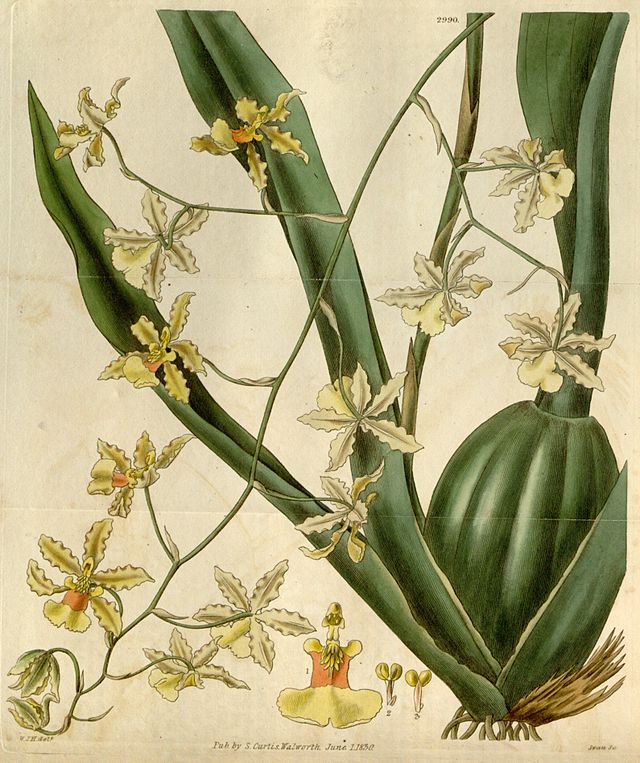
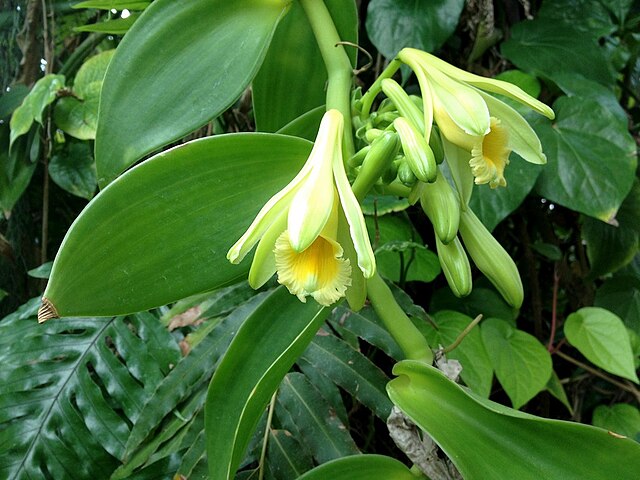
Oncidium is an intermediate temperature orchid, and autumn-winter seasonal management is a crucial factor that determines cluster blooming. By recreating the climate environment of its native habitat, you can achieve consistent production of numerous clustered flowers year after year. This column explains the mechanism of flower bud differentiation and seasonal management tips for beginners to intermediate growers.
Oncidium's Native Environment and Characteristics
Oncidium is native to tropical and subtropical mountainous regions of Central and South America and Indonesia. Most commercially cultivated varieties belong to the "intermediate temperature" group, naturally occurring at elevations of 800–1500 m in warm areas. This environment is characterized by daytime temperatures of 25–28°C and nighttime temperatures of 15–18°C, with a day-night temperature difference of approximately 10°C.
The reason Oncidium achieves cluster blooming lies in this day-night temperature difference. When there is a temperature difference, photosynthetic efficiency increases, accumulation of nutrients is promoted, and multiple flower buds differentiate simultaneously. Conversely, if nighttime temperature is too high (for example, 20°C or above), flower bud differentiation does not progress and flowering typically ends in single flowers.
Additionally, Oncidium prefers an environment with 60–75% humidity. In its native habitat, there is a distinct rainy and dry season. During the growing period, moderate humidity and watering are necessary, while a relatively dry environment in winter promotes flower bud differentiation. Air circulation is also important, as stagnant air easily leads to concurrent root rot and disease.
Triggering Flower Bud Differentiation: Cold Treatment from Autumn to Winter
Oncidium requires a 10–15°C day-night temperature difference from autumn through winter for flower bud differentiation. Specifically, maintaining daytime temperatures at 20°C and nighttime temperatures at 10–12°C is ideal. This period typically needs to last 8–12 weeks, and flower buds generally differentiate over approximately 10–12 weeks from mid-September to late November.
If the period of low temperature is too short or conversely the temperature is too high, flower bud differentiation becomes incomplete and the number of blooms in the following year decreases. Particularly in indoor environments where nighttime temperature remains at 18°C or above starting in autumn, sufficient flower bud differentiation does not occur. For this reason, intentionally lowering temperature from autumn through winter—a technique called "cold treatment"—becomes an important management practice.
The following options are available for implementing cold treatment:
Method 1: Using a Window Seat or Balcony On fine weather days during the daytime (approximately 25°C) and during seasons when nighttime temperatures drop to 10–15°C, move the plants to an outdoor window seat or balcony. Late November before frost sets in is the safe period. This method has the advantage of requiring no electricity.
Method 2: Air Conditioning When actively maintaining cool nighttime room temperatures, operate the air conditioner's cooling or dehumidifying function at night. Placing plants in a sunny spot during the day and moving them to a cooler entryway or hallway at night is also effective.
Method 3: In a Greenhouse Divide the greenhouse into smaller sections, separating a cold temperature zone (10–15°C at night) from a warm temperature zone (18–20°C). Position Oncidium plants in the cold temperature zone during the autumn-winter season.
Seasonal Watering and Fertilization Schedule
Cultivating Oncidium requires a clear seasonal management strategy.
Spring (March–May): Initial Growth As temperatures rise, new pseudobulbs begin to form. During this period, water thoroughly when the bark becomes dry, supporting root and new shoot activity. Watering 2–3 times per week is the standard. Fertilize twice monthly with a balanced fertilizer (NPK = 5:5:5).
Early Summer to Rainy Season (June–July): Peak Growth Period This is when new pseudobulb enlargement is most active. Water daily in the morning, keeping the bark in a constantly moist state. Change fertilization to a nitrogen-enriched formula (for example, NPK = 10:5:5) and apply liquid fertilizer once weekly for optimal results. Enhance air circulation to prevent humidity stress.
Autumn (September–November): Flower Bud Differentiation Period This is the most critical time. After the autumn equinox (September 23), intentionally reduce watering and switch to "conservative watering," applying water 2–3 days after the bark dries. This alternation between drying and wetting promotes flower bud differentiation.
Simultaneously, it is essential to lower nighttime temperature to 10–12°C. During this period, reduce nitrogen in fertilization and switch to a phosphorus (P) and potassium (K) enriched formula (for example, NPK = 3:10:10), limiting applications to approximately twice monthly. Phosphorus is a nutrient that promotes flower bud differentiation.
Winter (December–February): Flower Bud Maturation to Flowering Preparation After flower buds differentiate, they enter a maturation stage. Watering during this period should be most conservative. Watering 4–5 days after the bark is thoroughly dry is sufficient. Maintain low temperature (10–12°C at night) while ensuring daytime temperatures of 18–20°C.
Fertilization is nearly eliminated to avoid fertilizer burn. From mid-December onward, flower buds begin to appear, and from January onward, flower spike elongation becomes visible. Excessive watering during this period can interrupt flower bud development, so caution is necessary.
Pseudobulb Management and Repotting
Maintaining cluster blooming in Oncidium requires healthy pseudobulb development.
Pseudobulb Size and Flowering Relationship Oncidium consistently produces flower buds only from pseudobulbs with a diameter of 15 mm or larger. From pseudobulbs smaller than 15 mm, flower buds either differentiate poorly or produce very few flowers when they do. For this reason, promoting the enlargement of newly formed pseudobulbs each year is a crucial factor determining cluster blooming in the following year.
Providing sufficient fertilization during the growing period (spring through early summer) to promote pseudobulb enlargement is key to long-term success.
Repotting Timing Repotting is best performed in early spring (March) when new pseudobulbs begin to form. Repotting during the autumn-winter cold treatment period can interrupt flower bud differentiation and should be avoided.
When repotting, use a highly draining potting medium mixed with bark, cork pieces, and sphagnum moss to prevent root rot. Oncidium is a plant that dislikes pot-bound conditions (when the pot interior remains constantly moist), and in such conditions growth becomes poor and root rot accelerates. Repotting once yearly or every two years is recommended.
Management of Old Pseudobulbs Pseudobulbs that have produced flowers continue to support photosynthesis by maintaining leaf area, contributing nutrient supply to new pseudobulbs. However, pseudobulbs from four or more years ago or severely withered pseudobulbs may be pruned for efficiency in nutrient distribution.
Variety-Specific Notes
There are several representative cultivated varieties of Oncidium.
Oncidium × Oncidium The majority of ornamental varieties distributed as "Oncidium hybrids." They are intermediate temperature types, beginner-friendly, and cluster blooming can be achieved through the autumn-winter cold treatment explained in this column.
Oncidium quittense This variety has relatively strong cold tolerance and differentiates flower buds even in environments where nighttime temperatures drop to 8°C. However, in environments where nighttime temperature remains stable at 15°C or above, flowering becomes difficult, requiring special techniques for cultivation in warm regions.
Oncidium cheirophorum The flowers have a strong fragrance, and pseudobulbs tend to be on the smaller side. This variety sometimes flowers even from pseudobulbs approximately 12 mm in diameter, but pseudobulb development of 15 mm or larger is recommended to ensure cluster blooming.
Annual Schedule for Achieving Cluster Blooming
Here is a summary of the yearly cultivation schedule:
March: Repotting; new pseudobulb formation begins. Initiate fertilization primarily with nitrogen fertilizer. Day-night temperature difference of approximately 10°C.
April–August: Pseudobulb enlargement period. Watering 2–3 times per week; fertilization twice monthly. Daytime 25°C, nighttime 18–20°C. Ensure air circulation.
Mid-September: Switch to conservative watering. Change to phosphorus and potassium fertilizer. Begin gradually lowering nighttime temperature.
October–November: Most critical cold treatment period. Maintain daytime 20°C and nighttime 10–12°C rigorously. Watering on the dry side. Monthly or twice-monthly low-concentration fertilizer.
December–January: Flower bud maturation to flowering. Minimal watering; no fertilization. Maintain day-night temperature difference.
February: Flowering period. Sufficient light and air circulation. Flower appreciation. Preparation stage toward the following year.
By strictly following this schedule, you can achieve cluster blooming with 20–30 or more flowers per year from Oncidium. Focusing especially on the two key elements of autumn-winter cold treatment and watering management is the shortcut to advancing your cultivation level from beginner to intermediate.
Comparison of Major Varieties
| Variety Name | Flower Color | Fragrance | Size | Characteristics |
|---|---|---|---|---|
| Aloha Iwanaga | Yellow | None | Medium | Most widely distributed standard variety |
| Sharry Baby | Red-brown | Chocolate | Medium | Sweet fragrance, very popular |
| Twinkle | White to pink | Vanilla | Small | Compact, suitable for indoor cultivation |
| Wild Cat | Yellow + brown pattern | None | Large | Striking flower pattern |
Pests, Diseases, and Daily Management Tips
Three pests require attention with Oncidium: scale insects, aphids, and spider mites. When white cottony masses are visible on the underside of leaves or stems, remove them early with a soft toothbrush or cotton swab, then apply spray insecticide (such as Orthene DX) for control. Spider mites are prone to occur in dry environments, so regular misting on the leaf undersides and periodic leaf water-spraying are effective for prevention.
Regarding disease, watch for leaf spot and soft rot, both caused by excess moisture, high temperatures, and poor ventilation. Ensuring air circulation and proper watering management are the best prevention strategies. If new shoots are exposed to moisture and become humid, they immediately rot, so special care is needed especially in summer. For instructions on reviving weakened plants, see Orchid Recovery and Rehabilitation Guide.
In daily management, remove flower spikes at the base once flowering ends. Leaving them in place will not produce additional flowers and uselessly depletes the plant's energy. Resign yourself to a period of building up pseudobulbs for next season's blooming, and continue caring for the plant carefully—this leads to magnificent blooming the following year. When properly managed, Oncidium reliably produces flowers every year, becoming a plant with which you develop deep affection.